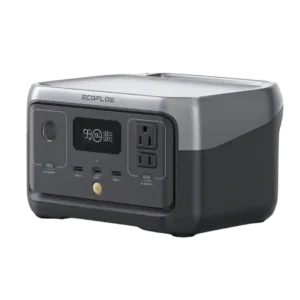
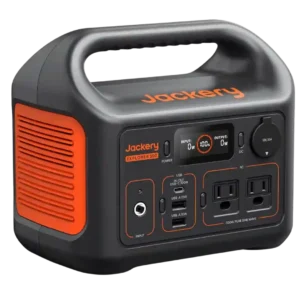
Compare EcoFlow River 2 vs Jackery Explorer 300

EcoFlow River 2

EcoFlow River 2

Overall score 4.0 / 5

Based on 127 scored reviews

vs
Jackery Explorer 300

Jackery Explorer 300

Overall score 4.2 / 5

Based on 34 scored reviews

How we score

Scorata scores summarize analyzed review evidence on a 1–5 scale; they are not laboratory measurements or a simple average of customer star ratings. Feature scores summarize the reviews covering that feature. The overall score averages feature scores within each review, then combines review averages. When both expert and customer evidence are available, those two groups receive equal weight. Products can have different review coverage, so small score gaps do not establish a winner.

Recommendations prioritize important features for the category, with a score of at least 3.5, a gap of at least 0.25 points and at least two supporting reviews per product. Features with widely varying scores or broad connectivity contexts are excluded from recommendations. These safeguards do not establish statistical significance.

Quick verdict

What each product is best for

The review evidence points to a tradeoff: battery cycle life and solar panel bundle value versus dual-input charging and input and output monitoring. Choose according to which strengths matter more to you; the overall score alone does not settle that choice.

Choose EcoFlow River 2 for battery cycle life and solar panel bundle value.

Choose Jackery Explorer 300 for dual-input charging and input and output monitoring.

Why these recommendations?

EcoFlow River 2

Where It Has the Edge

  • battery cycle life is 5.0 vs 2.5. The 3,000-cycle rating is one of the product's strongest selling points, giving heavy users far more expected life...
  • solar panel bundle value is 4.5 vs 2.5. EcoFlow's folding panel and carry case feel premium and work well, but the carabiner-based stand can be fiddly...
  • display readability is 5.0 vs 3.8. Testers could read the screen in direct sunlight, and customers found the battery and consumption information easy to...

Jackery Explorer 300

Where It Has the Edge

  • dual-input charging is 5.0 vs 1.0. Combining the wall adapter with USB-C is consistently praised, commonly reaching about 80% in around two hours.
  • input and output monitoring is 4.5 vs 1.5. Real-time wattage monitoring is widely useful for managing loads, although a few reviewers noticed brief screen-update lag.
  • 12-volt outlet is 4.5 vs 2.0. The 12V car-style outlet is useful for accessories and regulated loads, though one reviewer found it less relevant...
EcoFlow River 2 4.0 overall score
Jackery Explorer 300 4.2 overall score

Compare features

Scores are out of 5. Missing scores mean missing review evidence, not a missing feature.

Scored on both products

Other features

Ease of use
EcoFlow River 2
4.8

Simple buttons, a clear display, and direct outputs make the unit approachable even without the app.

Jackery Explorer 300
5.0

Reviewers consistently praise the simple controls, labeled ports and no-fuss operation; this is a device that is easy to use without much instruction.

AC outlet count
EcoFlow River 2
1.8

One or two regional AC sockets are not enough for every setup, and bulky plugs can effectively reduce the usable count.

Jackery Explorer 300
5.0

Two AC outlets give the Explorer 300 an advantage over comparable units that provide only one.

Fold-flat handle
EcoFlow River 2
4.0

The sturdy handle does not fold, yet reviewers generally preferred its fixed rear placement for carrying, stacking, and airflow.

Jackery Explorer 300
1.0

The fixed handle is sturdy but cannot fold flat, making the unit more awkward to store in tight van or cabinet spaces.

Impact resistance
EcoFlow River 2
2.0

It is not shock-rated; ordinary vehicle bumps appear tolerable, but owners are advised not to drop it.

Jackery Explorer 300
5.0

Camping trips and occasional bumps produced minimal visible wear in extended testing.

Input and output monitoring
EcoFlow River 2
1.5

Live wattage information is helpful, but one technical test and one customer reported erratic or only approximate readings.

Jackery Explorer 300
4.5

Real-time wattage monitoring is widely useful for managing loads, although a few reviewers noticed brief screen-update lag.

Operating temperature range
EcoFlow River 2
5.0

Technical testing found full input and output performance in simulated hot and cold conditions, though one customer reported poor cold runtime.

Jackery Explorer 300
2.0

The station works across a useful camping range, but very cold conditions restrict charging and reduce flexibility.

Standby power loss
EcoFlow River 2
2.0

Technical tests and owners found meaningful idle draw, especially with AC output or UPS mode enabled.

Jackery Explorer 300
5.0

Idle inverter draw measured very low in one comparison, helping preserve energy when AC is left enabled.

Storage preparation
EcoFlow River 2
5.0

App-controlled charge limits make it easy to leave the battery near a storage-friendly level before storms or trips.

Jackery Explorer 300
2.0

One reviewer disliked Jackery’s storage guidance because keeping lithium-ion at 100% is not ideal for long-term battery life.

Self-discharge rate
EcoFlow River 2
2.3

Experiences are split: some fully powered-down units held their percentage for days, while others lost substantial charge within 24 hours or over several weeks.

Jackery Explorer 300
5.0

One stored unit retained 99% charge after more than three months, suggesting very low self-discharge in that owner’s experience.

Solar cable compatibility
EcoFlow River 2
5.0

XT60 works with EcoFlow and third-party panel cables, though separate shipments, missing cables, and isolated input failures caused frustration.

Jackery Explorer 300
2.3

Solar cabling is a weak spot: proprietary or uncommon connectors can require adapters, even though third-party panels can often be made to work.

Remaining runtime estimate
EcoFlow River 2
4.0

The time estimate is useful and tracked charging closely in some tests, though another reviewer found such estimates inherently unreliable.

Jackery Explorer 300
1.4

The display’s lack of time-to-empty and time-to-full estimates is a recurring weakness and makes planning less convenient.

12-volt outlet
EcoFlow River 2
2.0

The car-style outlet handles many accessories, though a few owners reported heater incompatibility or outright port failure and reviewers disliked the loose or missing cover.

Jackery Explorer 300
4.5

The 12V car-style outlet is useful for accessories and regulated loads, though one reviewer found it less relevant to their own gear.

Voltage regulation
EcoFlow River 2
2.5

X-Boost keeps some oversized resistive loads running by lowering voltage, so appliances may work more slowly or weakly.

Jackery Explorer 300
5.0

Voltage regulation tested very well, with AC output staying stable as load changed.

USB-C ports
EcoFlow River 2
2.7

A single bidirectional USB-C port is convenient, yet several users wanted a second port for modern gear.

Jackery Explorer 300
5.0

USB-C is one of the most welcomed additions, reducing the need to carry a dedicated charging brick and making the small station more flexible.

USB-A ports
EcoFlow River 2
2.3

The two USB-A ports are useful for legacy devices but lack broad fast-charge protocol support and sometimes fall short of their rated output.

Jackery Explorer 300
4.5

The USB-A selection is useful, including a Quick Charge port that reviewers found to meet its rated fast-charge performance.

Heat management
EcoFlow River 2
4.1

Active cooling keeps the unit from overheating during heavy use, but fast charging can make it warm and a few fault reports involved heat-related shutdowns.

Jackery Explorer 300
2.0

Direct sun and pass-through use can raise case temperature and reduce charging efficiency, so heat management requires some care.

UPS functionality
EcoFlow River 2
4.6

Pass-through backup is a valuable extra for routers and tolerant electronics; some tests kept computers running, while others warn the sub-30ms transfer is not a true online UPS.

Jackery Explorer 300
2.5

UPS-like behavior is inconsistent in how it is described: some reviewers use pass-through charging as office backup, while others note there is no true UPS mode.

Dust resistance
EcoFlow River 2
2.0

The fan and uncovered ports create clear dust-entry points, so occasional cleaning and sheltered use are sensible.

Jackery Explorer 300
4.0

Rubber port flaps provide useful basic dust protection, though they do not make the unit waterproof.

DC output
EcoFlow River 2
3.3

The 12V output works for coolers, pumps, and field gear, but its 8A ceiling is lower than the common 10A offered elsewhere.

Jackery Explorer 300
5.0

The regulated DC output impressed in testing by holding steady across battery charge levels, which helps sensitive 12V gear.

Control panel layout
EcoFlow River 2
3.0

Ports are easy to reach, but exposed buttons can be pressed accidentally when the unit is packed in a bag.

Jackery Explorer 300
4.5

The front panel is generally clear, logically grouped and easy to understand, with only minor spacing concerns.

Maximum solar input
EcoFlow River 2
2.0

The 110W solar ceiling is suitable for the small battery but limits gains from larger panels.

Jackery Explorer 300
3.5

Solar input is limited compared with newer rivals, though one tester achieved an impressive peak above the nominal rating under ideal voltage.

Outlet selection
EcoFlow River 2
3.5

The USB, 12V, and AC mix covers common portable electronics well, but the limited number of AC connections narrows heavier use.

Jackery Explorer 300
5.0

The mix of AC, USB-A, USB-C and 12V outputs is repeatedly praised as versatile for a station this small.

Runtime
EcoFlow River 2
2.9

Runtime varies sharply by load: phones and networking gear can last hours or days, while 150-300W appliances may empty it in under two hours.

Jackery Explorer 300
4.4

Runtime is strong for phones, laptops, lights and other modest loads, but fridge and CPAP endurance varies sharply with wattage.

Solar panel compatibility
EcoFlow River 2
3.0

XT60 input works with EcoFlow and many third-party panels through adapters, although the voltage/current window can be awkward and some owners hit compatibility problems.

Jackery Explorer 300
4.4

Official Jackery panels work smoothly, and several reviewers also succeeded with third-party panels when connector and voltage requirements matched.

Home backup capability
EcoFlow River 2
4.5

It is effective for routers, lights, phones, and other essentials during short outages, but the small battery is not a substitute for whole-home or long-duration backup.

Jackery Explorer 300
3.1

It works well as light emergency backup for phones, routers, lights and computers, but it is not a whole-home or major-appliance solution.

USB-C power delivery
EcoFlow River 2
3.6

The consistent hands-on result is 60W bidirectional USB-C—adequate for many laptops, but less versatile than 100W competitors and weak for some legacy fast-charge modes.

Jackery Explorer 300
4.9

USB-C PD is one of the Explorer 300’s strongest features, praised for charging laptops and cameras and, in many reviews, recharging the station itself.

Power output
EcoFlow River 2
2.9

The 300W class output is useful for electronics and small appliances, but buyers repeatedly found it underpowered for broader backup needs.

Jackery Explorer 300
4.0

The 300W output is well matched to electronics, lights and small devices, but deliberately trades appliance capability for size and weight.

Load handling
EcoFlow River 2
4.1

Phones, laptops, routers, fans, lights, coolers, pumps, and other small loads are its sweet spot, with many owners reporting trouble-free operation.

Jackery Explorer 300
3.0

Real-world appliance testing is mixed: some refrigerators or motors run, while other seemingly similar loads trip the unit unexpectedly.

Expandability
EcoFlow River 2
2.0

The base unit lacks the modular capacity options found on newer or larger models.

Jackery Explorer 300
1.0

The original design offers no meaningful expansion path, limiting how far the system can grow with changing power needs.

Included accessories
EcoFlow River 2
3.0

Core AC and car cables are normally included, yet separate solar-cable shipments caused repeated confusion and several customers initially believed parts were missing.

Jackery Explorer 300
4.0

The included wall and car chargers are appreciated, but some reviewers wish a protective carry bag were standard at this price.

Over-temperature protection
EcoFlow River 2
5.0

The BMS continually tracks temperature and active cooling prevents excessive heat during demanding use.

Jackery Explorer 300
4.0

Built-in thermal shutdown adds a useful safety layer when ambient or internal temperatures climb too high.

Surge capacity
EcoFlow River 2
5.0

Short bursts and X-Boost worked as intended in testing, helping the inverter avoid immediate shutdown on compatible loads.

Jackery Explorer 300
4.0

Brief overload testing shows useful headroom above 300W, though it is not enough to turn the unit into a high-power appliance station.

Rated output
EcoFlow River 2
2.8

Hands-on tests show it can sustain roughly its 300W rating, while higher loads depend on X-Boost and reduced performance.

Jackery Explorer 300
2.0

The 300W continuous rating is a hard ceiling in practice, so buyers need to check appliance draw carefully.

Storage convenience
EcoFlow River 2
5.0

The flat, slightly dished top can hold or stack gear, a practical improvement over the original top-handle design.

Jackery Explorer 300
4.3

The small body is easy to stash, though the fixed handle can make tight van storage more awkward than a flat-topped design.

Weight
EcoFlow River 2
4.3

Most reviewers consider it exceptionally light for a power station, though a few buyers still found it heavier than expected or unsuitable for hiking.

Jackery Explorer 300
5.0

At roughly 7.1 pounds, weight is universally praised and is a major reason owners choose it over larger power stations.

Air travel suitability
EcoFlow River 2
1.7

At 256Wh it is generally over airline carry-on limits, so it should be treated as road-travel equipment rather than a flyable battery.

Jackery Explorer 300
1.0

Its 293Wh battery is too large for commercial airline battery limits, so it is not suitable for carry-on or checked air travel.

Overload protection
EcoFlow River 2
4.3

The unit generally shuts down and resets cleanly after oversized loads, though unexpected overload trips during solar charging were reported.

Jackery Explorer 300
5.0

When overloaded, the inverter shuts down safely and can be reset after removing the offending load.

Energy efficiency
EcoFlow River 2
2.7

Efficiency is strongest on USB-C and DC loads, while AC round-trip results range from acceptable to disappointing for a small power station.

Jackery Explorer 300
3.3

Efficiency is acceptable but not exceptional: AC conversion losses reduce usable runtime, while direct USB use avoids some of that waste.

Overall product satisfaction
EcoFlow River 2
4.3

The broad consensus is highly positive for fast-charging portable power, tempered by the small battery, 300W ceiling, and a minority of serious reliability complaints.

Jackery Explorer 300
4.9

Overall sentiment is very strong: reviewers consistently recommend it as a compact, reliable station when expectations stay within its 300W class.

Inverter quality
EcoFlow River 2
4.5

The compact inverter is efficient for light loads and delivers clean power, though measured AC conversion was not class-leading.

Jackery Explorer 300
5.0

Load testing found the inverter strong and well regulated, even handling brief demands above its nominal continuous rating.

Outlet accessibility
EcoFlow River 2
2.6

The front layout is mostly roomy, though regional upside-down sockets and tight spacing around large plugs create occasional frustration.

Jackery Explorer 300
3.0

The two AC outlets are useful, but their close spacing can make two bulky wall-wart adapters difficult to use together.

Recharge speed
EcoFlow River 2
4.2

Owners repeatedly praised how quickly it tops up, especially compared with traditional backup batteries and slower budget stations.

Jackery Explorer 300
4.5

Recharge speed is generally good—especially with dual input—but AC-only results around four hours feel slow beside the newest competitors.

Solar generator functionality
EcoFlow River 2
4.8

Paired with a compact panel, it is highly useful for camping, field work, shop lighting, and keeping electronics charged off-grid.

Jackery Explorer 300
5.0

Paired with a suitable panel, the Explorer 300 becomes a genuinely useful small solar generator for camping and light emergency needs.

Built-in light
EcoFlow River 2
2.0

Unlike several competitors, it has no built-in flashlight, a missed convenience for camping and emergencies.

Jackery Explorer 300
1.9

The missing built-in light is one of the most repeated complaints; several reviewers wanted a flashlight or lantern for outages and camping.

Portability
EcoFlow River 2
5.0

At about 7.7 pounds with a large rear handle, it is repeatedly praised as easy to carry for camping, road trips, field work, and short outages.

Jackery Explorer 300
5.0

Portability is the defining advantage: at about 7.1 pounds, it is easy to carry one-handed, stash in a vehicle or even take on short hikes.

Compactness
EcoFlow River 2
5.0

The small footprint is a defining advantage, fitting vehicles, bags, desks, and crowded camping kits without sacrificing basic outputs.

Jackery Explorer 300
5.0

Compactness is one of the most consistent strengths; reviewers repeatedly call the Explorer 300 tiny, easy to pack and ideally sized for short trips.

Instruction quality
EcoFlow River 2
5.0

The manual is detailed and covers operation, storage, warnings, and solar connections well.

Jackery Explorer 300
5.0

The manual was singled out as unusually clear, well laid out and easy to read.

Output stability
EcoFlow River 2
5.0

AC output stayed clean and stable at rated load in technical testing, with smooth recovery after brownouts and ordinary use.

Jackery Explorer 300
5.0

Reviewers report stable, predictable power delivery, including reliable operation in cold weather and remote use.

Packaging quality
EcoFlow River 2
5.0

Most units arrived well protected in foam and intact, though split shipments for cables and the station created confusion.

Jackery Explorer 300
5.0

Custom foam and secure packing gave the unit strong protection in transit.

Peak output
EcoFlow River 2
4.0

X-Boost can keep some appliances rated up to 600W operating, but it does so by reducing voltage rather than delivering a true 600W continuous output.

Jackery Explorer 300
4.0

The 500W peak capability is useful for brief startup demands and compares favorably with some similarly sized competitors.

Power quality
EcoFlow River 2
5.0

Technical measurements found clean, stable AC output that compared favorably with ordinary mains power.

Jackery Explorer 300
5.0

Clean AC output is suitable for sensitive electronics and behaves much like household power.

Pure sine wave output
EcoFlow River 2
5.0

The inverter produces clean sine-wave AC that testers trusted with routers, computers, TVs, and other electronics.

Jackery Explorer 300
5.0

The pure sine inverter is repeatedly trusted with laptops, cameras and other sensitive electronics without issues.

Ventilation requirements
EcoFlow River 2
5.0

The rear handle helps preserve exhaust clearance against walls, but the vents still need open space and shelter from debris.

Jackery Explorer 300
5.0

Because it has no combustion engine or exhaust fumes, it is much easier to use indoors than a fuel generator.

Weather resistance
EcoFlow River 2
2.0

It tolerates normal sheltered outdoor use, but rain, wet ground, and exposed conditions require extra protection.

Jackery Explorer 300
2.0

Outdoor use is practical only when sheltered; reviewers explicitly caution against relying on it in rain.

Battery and charging

Dual-input charging
EcoFlow River 2
1.0

Charging sources cannot be combined; AC, USB-C, and XT60 inputs must be used one at a time.

Jackery Explorer 300
5.0

Combining the wall adapter with USB-C is consistently praised, commonly reaching about 80% in around two hours.

Battery cycle life
EcoFlow River 2
5.0

The 3,000-cycle rating is one of the product's strongest selling points, giving heavy users far more expected life than older NMC packs.

Jackery Explorer 300
2.5

Cycle life is the clearest aging concern: roughly 500 cycles is acceptable for occasional use but far behind newer 2,500–4,000-cycle alternatives.

Battery reliability
EcoFlow River 2
2.5

Many units work daily without issue, but the customer set includes serious failures to charge, early shutdowns, dead ports, and rapid depletion.

Jackery Explorer 300
5.0

Short-term cycling tests showed no noticeable capacity degradation, supporting confidence for casual use.

Battery chemistry
EcoFlow River 2
5.0

LFP chemistry is consistently treated as a major advantage for safety, frequent cycling, and long service life.

Jackery Explorer 300
2.6

The older NMC lithium-ion chemistry keeps weight down but is repeatedly criticized for shorter life than modern LiFePO4 rivals.

AC charging speed
EcoFlow River 2
5.0

A roughly 58-60 minute wall recharge is the clearest consensus strength and changes how easily the unit can be topped up between trips.

Jackery Explorer 300
2.8

Wall charging draws mixed reactions: some find roughly 3–4.5 hours reasonable, while others call it slow beside newer rivals.

Battery longevity
EcoFlow River 2
5.0

Several reviewers expect roughly eight to ten years of regular use before capacity falls to about 80%.

Jackery Explorer 300
3.0

The original battery is expected to lose capacity sooner than LFP competitors, though occasional users may still find the lifespan acceptable.

Battery percentage accuracy
EcoFlow River 2
1.0

One owner saw an implausibly rapid fall from 99% to 74%, raising concern about calibration on that unit.

Jackery Explorer 300
3.0

Battery percentage reporting varies by sample: one reviewer found it fairly accurate, while another unit shut down with 12% still displayed.

Battery capacity
EcoFlow River 2
2.4

The 256Wh battery is well matched to light weekend use and mobile electronics, but it is too small for overnight refrigeration or serious home backup.

Jackery Explorer 300
3.8

The 293Wh capacity is widely seen as a sweet spot for phones, laptops, cameras and short trips, but too limited for sustained appliance use.

Battery storage performance
EcoFlow River 2
3.7

Configurable charge limits help long-term storage, but self-discharge complaints make proper full shutdown important.

Jackery Explorer 300
5.0

One long-term owner reported 99% charge remaining after more than three months in storage, indicating very low standby loss in that sample.

Battery management system
EcoFlow River 2
5.0

Charge limits, temperature monitoring, tapering near full, and other BMS protections give buyers confidence in long-term battery care.

Jackery Explorer 300
4.0

Thermal shutdown protection adds confidence in hot conditions, even though the older chemistry still needs sensible temperature management.

Pass-through charging
EcoFlow River 2
5.0

It can power connected devices while recharging, making it useful for continuous desk, router, and light backup duties.

Jackery Explorer 300
4.0

Pass-through charging is useful and generally works well, but several reviewers caution that frequent use can add heat or accelerate battery wear.

Charging input compatibility
EcoFlow River 2
4.3

AC, car, solar, and bidirectional USB-C make charging unusually flexible, but failed ports and modified-sine inverter incompatibility appear in isolated reports.

Jackery Explorer 300
3.5

Charging flexibility is generally strong through AC, car, USB-C and solar, but proprietary connectors and a few finicky input experiences reduce universality.

Charging efficiency
EcoFlow River 2
3.4

Fast AC charging trades some efficiency for speed, while DC and USB-C results range from solid to excellent depending on voltage and load.

Jackery Explorer 300
4.0

Measured charge efficiency was described as textbook-standard for lithium-ion, so losses are normal rather than exceptional.

Battery expandability
EcoFlow River 2
1.5

Capacity is fixed on the base model, and the lack of a clean add-on battery path makes larger River or Delta models better for growing needs.

Jackery Explorer 300
1.0

The internal battery cannot be expanded, so buyers who outgrow 293Wh must move to a larger or newer model.

Charging cable quality
EcoFlow River 2
4.7

The direct kettle-style AC lead avoids a bulky brick and is easy to replace, while the XT60 car cable is more specialized and worth keeping track of.

Jackery Explorer 300
5.0

The included charging cable was praised for heavy-duty wiring and a solid, non-cheap feel.

Car charging speed
EcoFlow River 2
3.5

The 12V input is convenient and can approach 100W, but isolated owners reported car-charging failures and inverter compatibility problems.

Jackery Explorer 300
3.3

Car charging ranges from useful to frustratingly slow, with results depending on setup; one test took about seven hours while others saw strong input wattage.

Solar charging speed
EcoFlow River 2
4.4

With a well-matched 100-110W panel and good sun, a full recharge commonly takes about three to four hours, though real weather can slow it dramatically.

Jackery Explorer 300
4.3

Solar charging is usually practical in good sun, commonly taking about five to six hours, with faster results possible from optimized setups.

Performance

Idle noise
EcoFlow River 2
2.0

The fan can remain audible even at its lowest speed, which matters in bedrooms and quiet campsites.

Jackery Explorer 300
5.0

At light loads the unit can rely on passive cooling, making it effectively silent for phones, cameras and other small devices.

Cold-weather performance
EcoFlow River 2
1.0

One customer reported very short runtime around 30°F, while broader technical commentary says LFP chemistry itself tolerates cold better than older cells.

Jackery Explorer 300
3.5

The station continued powering devices below freezing, but cold caused extra drain, slower behavior and stricter charging limits.

Full-load noise
EcoFlow River 2
2.0

One owner specifically found the fan too loud, while other tests describe maximum-load noise as noticeable but manageable.

Jackery Explorer 300
4.0

At full output the fan becomes audible, but measured noise remained moderate rather than disruptive.

Noise level
EcoFlow River 2
3.6

The fan is usually quiet or off at light loads, but fast AC charging and heavy output can produce audible whine or loud bursts.

Jackery Explorer 300
4.8

Quiet operation is a consistent strength; the fan is usually barely noticeable and low-load use can be essentially silent.

Display readability
EcoFlow River 2
5.0

Testers could read the screen in direct sunlight, and customers found the battery and consumption information easy to understand.

Jackery Explorer 300
3.8

The screen is usually bright and readable, especially from above, but viewing angles can be narrow and some units show brief update lag.

Display quality
EcoFlow River 2
4.9

The front LCD is bright, clean, and informative, showing charge, input/output power, and time estimates without clutter.

Jackery Explorer 300
4.0

The LCD is simple and useful, but some reviewers find the information set too basic compared with newer competitors.

Hot-weather performance
EcoFlow River 2
5.0

The unit sustained rated operation in simulated heat, with active cooling managing temperature under load.

Jackery Explorer 300
5.0

Testing up to roughly 95–100°F was positive, with reviewers reporting stable operation and no obvious overheating problems.

MPPT controller performance
EcoFlow River 2
5.0

One hands-on test pulled about 95W from a 100W panel, showing strong tracking under good sun.

Jackery Explorer 300
5.0

The MPPT controller is a standout strength, repeatedly praised for making solar charging much faster and more effective than older Jackery designs.

Ownership and support

Solar panel bundle value
EcoFlow River 2
4.5

EcoFlow's folding panel and carry case feel premium and work well, but the carabiner-based stand can be fiddly and the bundle raises total cost.

Jackery Explorer 300
2.5

The solar bundle is useful but divisive on price; the panel can substantially raise total cost and is not always discounted with the battery.

Operating cost
EcoFlow River 2
4.0

One analysis judged lifetime stored-energy cost reasonable for the unit's small size, especially when bought on sale.

Jackery Explorer 300
5.0

Once paired with solar, day-to-day operation can be effectively fuel-free and very inexpensive.

Long-term reliability
EcoFlow River 2
3.9

Multi-year adventure use and daily installations are encouraging, yet a handful of owners experienced failures within months.

Jackery Explorer 300
4.7

Long-term reliability is a major positive, with several owners reporting years of travel and frequent use without meaningful failures.

Ease of setup
EcoFlow River 2
5.0

Most buyers found setup, app pairing, and first use straightforward, with plug-and-play operation.

Jackery Explorer 300
4.3

Setup is generally straightforward and works out of the box, with the main exception being somewhat awkward solar-panel positioning in one test.

Warranty
EcoFlow River 2
4.6

The five-year warranty is unusually strong for this price and category, although a few customers reported frustrating disputes over coverage.

Jackery Explorer 300
4.3

Warranty sentiment is mostly positive for an entry-level station, though shorter coverage than newer five-year rivals is a concern.

Customer support
EcoFlow River 2
3.6

Support experiences range from fast replacements and generous resolutions to prolonged runarounds, poor communication, and refund problems.

Jackery Explorer 300
4.0

Jackery’s broader support network is viewed as stronger than some budget rivals and helps justify a modest price premium.

Value for money
EcoFlow River 2
4.0

Frequent discounts make it compelling for light-duty users, but full-price buyers may prefer larger capacity or competitors with more ports.

Jackery Explorer 300
4.3

Value is usually rated positively, especially on sale, but some reviewers note that newer LFP competitors or the 300 Plus can offer better longevity for a little more.

Simultaneous device support
EcoFlow River 2
4.7

Its mix of USB, DC, and AC connections can charge several low-power devices together, which campers and outage users found genuinely useful.

Jackery Explorer 300
4.8

The port mix can power several small devices at once; reviewers successfully ran multiple USB and AC loads together within the 300W limit.

Comfort and build

Materials quality
EcoFlow River 2
3.5

External materials feel solid, but one teardown found inconsistent conformal coating and unsupported internal components.

Jackery Explorer 300
5.0

Materials were described as tough and durable, with practical plastics and well-finished controls rather than luxury construction.

Design aesthetics
EcoFlow River 2
4.6

The two-tone shell and flat-top redesign are generally liked for clean looks and practicality, even if the rear handle appears less sleek.

Jackery Explorer 300
4.0

Most reviewers like the practical rounded design, though one strongly disliked the oversized top branding on an early unit.

Water resistance
EcoFlow River 2
1.6

It is not water-resistant and must stay dry; exposed ports and the cooling fan make rain, boats, and wet ground poor environments.

Jackery Explorer 300
1.0

The station is not waterproof or water-resistant, so rain and wet campsites require active protection.

Build quality
EcoFlow River 2
4.8

The shell, controls, feet, and ports generally feel robust and premium, despite isolated defective units and a few internal-finish criticisms.

Jackery Explorer 300
4.6

Most reviewers describe the Explorer 300 as solid, well made and sturdy, though one direct comparison found its plastic construction much less premium than Anker’s.

Handle comfort
EcoFlow River 2
4.3

The sturdy rear grab handle makes one-handed carrying easy and protects airflow, but it adds depth and some reviewers preferred a different placement.

Jackery Explorer 300
4.5

The large integrated handle is usually praised for easy carrying, though one long-term tester found its sharp steel edges uncomfortable.

Durability
EcoFlow River 2
5.0

The case survived real drops in one test and feels suited to outdoor use, though it lacks formal shock and weather protection.

Jackery Explorer 300
5.0

Durability is a major strength: long-term owners report years of travel, bumps and rough handling with little wear or functional trouble.

Housing durability
EcoFlow River 2
5.0

The plastic shell is repeatedly described as robust and premium, despite lacking formal shock or weather ratings.

Jackery Explorer 300
5.0

Rubber feet and a rugged shell help protect the housing from scratches and rough outdoor placement.

Controls and connectivity

High-demand appliance support
EcoFlow River 2
2.4

Coffee makers, heaters, toaster ovens, large tools, and full-size appliances often overload it or drain it too quickly; X-Boost only partly expands the range.

Jackery Explorer 300
1.3

The 300W ceiling is the product’s biggest limitation: kettles, heaters, coffee makers, air fryers and many tools are repeatedly ruled out.

Evidence available for one product

Other features

Accessory ecosystem
EcoFlow River 2
5.0

Solar panels, app integrations, cables, backpacks, and larger EcoFlow models create a useful ecosystem around the base unit.

Jackery Explorer 300No score yet
Automatic start
EcoFlow River 2
5.0

A vehicle installation kept the unit charging automatically whenever the engine ran, making the setup effectively always ready.

Jackery Explorer 300No score yet
Cable storage
EcoFlow River 2
4.0

The supplied AC cord includes a tie, but there is no dedicated onboard compartment for cables.

Jackery Explorer 300No score yet
Color options
EcoFlow River 2
4.0

Only one two-tone gray scheme is offered, but reviewers generally found it stylish and consistent with the EcoFlow range.

Jackery Explorer 300No score yet
Eco mode
EcoFlow River 2
2.0

Unloaded energy-saving behavior reduces waste but creates higher USB ripple, making the implementation less polished than ideal.

Jackery Explorer 300No score yet
EPS switchover speed
EcoFlow River 2
4.0

Measured switching around 16-30ms worked well for lights, routers, and many electronics, but sensitive workstations remain a questionable match.

Jackery Explorer 300No score yet
Firmware updates
EcoFlow River 2
5.0

Updates were easy to install and have improved features such as auto-shutoff behavior.

Jackery Explorer 300No score yet
Frequency stability
EcoFlow River 2No score yet
Jackery Explorer 300
4.5

AC frequency stayed close to 60Hz in testing and held steady under load, which reviewers considered suitable for modern electronics.

Lifting ease
EcoFlow River 2
5.0

The low weight and oversized grab handle make it easy to lift and carry one-handed over meaningful distances.

Jackery Explorer 300No score yet
Maintenance ease
EcoFlow River 2No score yet
Jackery Explorer 300
5.0

Unlike fuel generators, the Explorer 300 needs almost no routine mechanical maintenance, which makes ownership simple.

Maintenance frequency
EcoFlow River 2No score yet
Jackery Explorer 300
5.0

Occasional users especially benefit from the lack of ongoing oil, filter or engine-service requirements.

Off-gassing odor
EcoFlow River 2
1.0

One owner reported a strong hot-electronics smell across two units, along with noise concerns while charging.

Jackery Explorer 300No score yet
Over-voltage protection
EcoFlow River 2
5.0

Layered BMS monitoring of voltage, current, and temperature is presented as a strong safety and battery-life feature.

Jackery Explorer 300No score yet
Quiet mode
EcoFlow River 2
4.0

Reducing AC charge rate through the app noticeably lowers fan noise, though the fan may still be audible.

Jackery Explorer 300No score yet
Remote control
EcoFlow River 2
5.0

AC and DC outputs can be switched from the app, adding convenience for installations and backup setups.

Jackery Explorer 300No score yet
Remote monitoring
EcoFlow River 2
5.0

The app is especially handy when the unit is mounted under a seat or otherwise hard to see, showing charge, temperature, and power flow remotely.

Jackery Explorer 300No score yet
Repairability
EcoFlow River 2
3.0

The case can be opened with screws, but the tightly integrated internals are not designed for simple consumer repair.

Jackery Explorer 300No score yet
Runtime at full load
EcoFlow River 2
2.0

At the full 300W AC rating, the 256Wh battery lasts under an hour, making maximum output suitable only for brief tasks.

Jackery Explorer 300No score yet
Runtime at half load
EcoFlow River 2
5.0

A technical test delivered about one hour and twenty minutes at a 150W load, a solid result for the 256Wh battery.

Jackery Explorer 300No score yet
Safety certifications
EcoFlow River 2
5.0

A technical reviewer praised the North American safety listing and the seriousness of the product's protection design.

Jackery Explorer 300No score yet
Short-circuit protection
EcoFlow River 2
5.0

Safety-focused coverage highlights short-circuit protection as part of the unit's certified protection system.

Jackery Explorer 300No score yet
Sleep mode behavior
EcoFlow River 2
5.0

Configurable low-draw shutdown is useful for CPAP and storage scenarios, giving owners more control than many basic units.

Jackery Explorer 300No score yet
Whole-home integration
EcoFlow River 2
1.0

The River 2 is not intended for a household distribution board or whole-home backup; it is limited to individual low-power essentials.

Jackery Explorer 300No score yet

Controls and connectivity

App connectivity
EcoFlow River 2
3.7

Phone pairing adds remote status and controls, though some owners disliked needing internet or an account and one reported a model without expected connectivity.

Jackery Explorer 300No score yet
App privacy
EcoFlow River 2
2.0

Mandatory registration, internet access, and account binding bothered several users who wanted local-only control.

Jackery Explorer 300No score yet
App quality
EcoFlow River 2
4.6

The EcoFlow app is widely praised for polished controls, charge limits, output switching, and firmware access, although deeper logging and automation remain limited.

Jackery Explorer 300No score yet
Bluetooth connectivity
EcoFlow River 2
5.0

Bluetooth pairing was generally quick and reliable for local control while camping or away from Wi-Fi.

Jackery Explorer 300No score yet

Review contexts may differ, so use caution when interpreting the score gap.

Push-button start
EcoFlow River 2
5.0

The front power and output buttons are simple, clearly indicated, and easy to operate.

Jackery Explorer 300No score yet
Wi-Fi connectivity
EcoFlow River 2
4.8

Wi-Fi enables monitoring and switching outputs from beyond Bluetooth range, which is useful for home or vehicle installations.

Jackery Explorer 300No score yet

Review contexts may differ, so use caution when interpreting the score gap.

Performance

Cooling performance
EcoFlow River 2
5.0

The fan and front-to-rear airflow keep the enclosure from becoming excessively hot, though they add noise and dust exposure.

Jackery Explorer 300No score yet
Specification accuracy
EcoFlow River 2
2.8

Most technical measurements support the stated capacity and power, but regional listings, weight claims, and the 600W X-Boost headline can be confusing.

Jackery Explorer 300No score yet

Tracking and training

Energy usage tracking
EcoFlow River 2
3.5

The app shows useful live power trends, but it lacks deeper solar history, cycle counts, and long-term data logging.

Jackery Explorer 300No score yet

Battery and charging

LiFePO4 battery
EcoFlow River 2
5.0

The LFP pack is widely praised for safer operation, strong temperature tolerance, and roughly six times the cycle life of older lithium-ion designs.

Jackery Explorer 300No score yet
Replaceable battery support
EcoFlow River 2
4.0

One teardown-oriented reviewer said the internal pack can be reached and replaced, though it is not a simple user-swappable design.

Jackery Explorer 300No score yet
Usable battery capacity
EcoFlow River 2
2.3

Measured usable energy falls below the 256Wh headline, with technical results around 200-218Wh and one customer reporting a much lower faulty result.

Jackery Explorer 300No score yet
Wireless charging
EcoFlow River 2
2.3

There is no built-in wireless charging pad; phones must use USB or an external charger through AC.

Jackery Explorer 300No score yet

Comfort and build

Size and footprint
EcoFlow River 2
4.3

Its low height and flat top pack efficiently, though the protruding handle can make it deeper or awkward inside narrow enclosures.

Jackery Explorer 300No score yet

Other Top Generators to Consider

#1 EcoFlow Delta 3 Plus Review
4.6

Best for rapid charging, versatile ports, excellent app control, and portable backup for appliances or electronics. Skip it for unattended low-load use or sustained heavy loads unless fan behavior and...

Pros: overall product satisfaction, solar panel compatibility

Cons: long-term reliability, standby power loss

#2 Vtoman FlashSpeed Pro 3600
4.5

Best for fast-charging, high-output backup power that can run major appliances and roll easily between locations. Skip it if you need frequent lifting, a small footprint, or a screen that...

Pros: overall product satisfaction, recharge speed

Cons: weight, lifting ease

#3 Anker Solix C1000
4.5

Best for fast charging, strong portable output, and short outage or camping duty. Skip it for quiet rooms, multi-day whole-home backup, or solar-only use with small panels.

Pros: overall product satisfaction, runtime

Cons: noise level, weight

#4 AFERIY P280
4.5

Choose the P280 for high-output home, RV, or off-grid backup with fast charging, strong usable capacity, UPS protection, and expansion. Skip it if you need lightweight portability, polished app control,...

Pros: overall product satisfaction, battery expandability

Cons: weight, built-in light