Compare EcoFlow River 2 vs Pecron E1000LFP

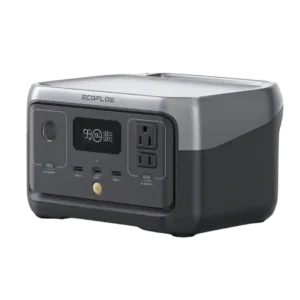
EcoFlow River 2

EcoFlow River 2

Overall score 4.0 / 5

Based on 127 scored reviews

vs
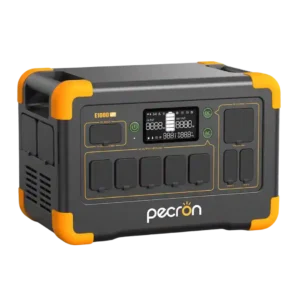
Pecron E1000LFP

Pecron E1000LFP

Overall score 4.0 / 5

Based on 22 scored reviews

How we score

Scorata scores summarize analyzed review evidence on a 1–5 scale; they are not laboratory measurements or a simple average of customer star ratings. Feature scores summarize the reviews covering that feature. The overall score averages feature scores within each review, then combines review averages. When both expert and customer evidence are available, those two groups receive equal weight. Products can have different review coverage, so small score gaps do not establish a winner.

Recommendations prioritize important features for the category, with a score of at least 3.5, a gap of at least 0.25 points and at least two supporting reviews per product. Features with widely varying scores or broad connectivity contexts are excluded from recommendations. These safeguards do not establish statistical significance.

Quick verdict

What each product is best for

The review evidence points to a tradeoff: pure sine wave output and portability versus dual-input charging and battery expandability. Choose according to which strengths matter more to you; the overall score alone does not settle that choice.

Choose EcoFlow River 2 for pure sine wave output and portability.

Choose Pecron E1000LFP for dual-input charging and battery expandability.

Why these recommendations?

EcoFlow River 2

Where It Has the Edge

  • pure sine wave output is 5.0 vs 4.3. The inverter produces clean sine-wave AC that testers trusted with routers, computers, TVs, and other electronics.
  • portability is 5.0 vs 4.5. At about 7.7 pounds with a large rear handle, it is repeatedly praised as easy to carry for...
  • battery cycle life is 5.0 vs 4.7. The 3,000-cycle rating is one of the product's strongest selling points, giving heavy users far more expected life...

Pecron E1000LFP

Where It Has the Edge

  • dual-input charging is 4.8 vs 1.0. Simultaneous AC and DC charging works well, with the station intelligently giving priority to DC input while filling...
  • battery expandability is 4.6 vs 1.5. Expansion is a major advantage: the E1000LFP can grow to roughly 4kWh, making it much more adaptable than...
  • 12-volt outlet is 5.0 vs 2.0. The retained 12V car socket is a real strength for camping and overlanding gear, especially alongside the barrel...
EcoFlow River 2 4.0 overall score
Pecron E1000LFP 4.0 overall score

Compare features

Scores are out of 5. Missing scores mean missing review evidence, not a missing feature.

Scored on both products

Other features

Ease of use
EcoFlow River 2
4.8

Simple buttons, a clear display, and direct outputs make the unit approachable even without the app.

Pecron E1000LFP
5.0

A true master power button, clear controls, and deliberate shutdown behavior make everyday operation simple and reassuring.

Automatic start
EcoFlow River 2
5.0

A vehicle installation kept the unit charging automatically whenever the engine ran, making the setup effectively always ready.

Pecron E1000LFP
1.5

After the battery drains completely, AC output does not automatically re-arm when power or solar returns, so unattended loads such as a refrigerator need manual intervention.

12-volt outlet
EcoFlow River 2
2.0

The car-style outlet handles many accessories, though a few owners reported heater incompatibility or outright port failure and reviewers disliked the loose or missing cover.

Pecron E1000LFP
5.0

The retained 12V car socket is a real strength for camping and overlanding gear, especially alongside the barrel and XT60 DC outputs.

Input and output monitoring
EcoFlow River 2
1.5

Live wattage information is helpful, but one technical test and one customer reported erratic or only approximate readings.

Pecron E1000LFP
4.5

App-based temperature and operating information adds useful visibility beyond the front display.

AC outlet count
EcoFlow River 2
1.8

One or two regional AC sockets are not enough for every setup, and bulky plugs can effectively reduce the usable count.

Pecron E1000LFP
4.6

Five AC receptacles are unusually generous for a compact 1kWh station and are widely appreciated, although one owner felt five was more than this inverter really needs.

USB-A ports
EcoFlow River 2
2.3

The two USB-A ports are useful for legacy devices but lack broad fast-charge protocol support and sometimes fall short of their rated output.

Pecron E1000LFP
5.0

The two USB-A ports are a welcome addition alongside USB-C, preserving support for older accessories and charging cables.

Surge capacity
EcoFlow River 2
5.0

Short bursts and X-Boost worked as intended in testing, helping the inverter avoid immediate shutdown on compatible loads.

Pecron E1000LFP
2.3

Surge headroom is the most consistent performance weakness: motors and large power tools can trip the inverter quickly, and several competitors handle startup spikes better.

Impact resistance
EcoFlow River 2
2.0

It is not shock-rated; ordinary vehicle bumps appear tolerable, but owners are advised not to drop it.

Pecron E1000LFP
4.5

Solid corner bumpers provide useful protection against everyday knocks and handling, adding confidence when moving the station around.

Maximum solar input
EcoFlow River 2
2.0

The 110W solar ceiling is suitable for the small battery but limits gains from larger panels.

Pecron E1000LFP
4.5

The 600W solar ceiling is strong for a 1,024Wh station and beats some direct competitors, though it becomes less adequate if the battery system is expanded heavily.

USB-C ports
EcoFlow River 2
2.7

A single bidirectional USB-C port is convenient, yet several users wanted a second port for modern gear.

Pecron E1000LFP
5.0

Dual USB-C ports complement the legacy USB-A connections and give the front panel a well-rounded device-charging setup.

Expandability
EcoFlow River 2
2.0

The base unit lacks the modular capacity options found on newer or larger models.

Pecron E1000LFP
4.3

System expansion to around 4kWh meaningfully broadens backup capability, even if a few competitors support still larger totals.

Solar cable compatibility
EcoFlow River 2
5.0

XT60 works with EcoFlow and third-party panel cables, though separate shipments, missing cables, and isolated input failures caused frustration.

Pecron E1000LFP
3.0

The included MC4-to-XT60 lead is useful, but its very short length may require an extension with some panels.

Voltage regulation
EcoFlow River 2
2.5

X-Boost keeps some oversized resistive loads running by lowering voltage, so appliances may work more slowly or weakly.

Pecron E1000LFP
4.5

Voltage held near the expected 120V level during sustained high-load operation, indicating solid regulation in that test.

Energy efficiency
EcoFlow River 2
2.7

Efficiency is strongest on USB-C and DC loads, while AC round-trip results range from acceptable to disappointing for a small power station.

Pecron E1000LFP
4.3

Usable efficiency is generally strong, often in the mid-80s to mid-90s depending on AC or DC output; the strongest DC results are excellent, though one run was merely average.

DC output
EcoFlow River 2
3.3

The 12V output works for coolers, pumps, and field gear, but its 8A ceiling is lower than the common 10A offered elsewhere.

Pecron E1000LFP
4.9

The high-current XT60 DC output is one of the E1000LFP's clearest advantages, giving vehicle, fridge, heater, and RV users much more useful 12V capability than a basic car socket.

Included accessories
EcoFlow River 2
3.0

Core AC and car cables are normally included, yet separate solar-cable shipments caused repeated confusion and several customers initially believed parts were missing.

Pecron E1000LFP
4.5

The supplied AC, car, and solar charging cables cover the core charging methods without requiring immediate extra purchases.

Runtime
EcoFlow River 2
2.9

Runtime varies sharply by load: phones and networking gear can last hours or days, while 150-300W appliances may empty it in under two hours.

Pecron E1000LFP
4.3

Real refrigerator results ranged from roughly 13 to over 16 hours depending on the appliance and test, with one comparison giving the Pecron the longest runtime among several similar stations.

Power quality
EcoFlow River 2
5.0

Technical measurements found clean, stable AC output that compared favorably with ordinary mains power.

Pecron E1000LFP
3.7

Power quality is generally usable to good, but high-load waveform distortion and at least one cleaner competing inverter keep it from being a class leader.

Solar panel compatibility
EcoFlow River 2
3.0

XT60 input works with EcoFlow and many third-party panels through adapters, although the voltage/current window can be awkward and some owners hit compatibility problems.

Pecron E1000LFP
4.3

The 20A current allowance is excellent for parallel and rigid-panel setups, but the 60V ceiling limits how many common panels can be placed in series.

Outlet selection
EcoFlow River 2
3.5

The USB, 12V, and AC mix covers common portable electronics well, but the limited number of AC connections narrows heavier use.

Pecron E1000LFP
4.7

The port mix is broad and practical for camping, cameras, small electronics, and backup use, with AC, USB, car-socket, barrel, and high-current XT60 options.

Power output
EcoFlow River 2
2.9

The 300W class output is useful for electronics and small appliances, but buyers repeatedly found it underpowered for broader backup needs.

Pecron E1000LFP
4.0

The 1,800W continuous inverter gives the E1000LFP more AC headroom than some compact rivals, though the benefit depends on how many devices are used together.

Cable storage
EcoFlow River 2
4.0

The supplied AC cord includes a tie, but there is no dedicated onboard compartment for cables.

Pecron E1000LFP
5.0

The included drawstring cable bag is a simple but useful touch for keeping the charging leads together.

Lifting ease
EcoFlow River 2
5.0

The low weight and oversized grab handle make it easy to lift and carry one-handed over meaningful distances.

Pecron E1000LFP
4.0

At about 30 pounds it is not light, but the dual handles make it manageable for an average adult to lift and move.

Home backup capability
EcoFlow River 2
4.5

It is effective for routers, lights, phones, and other essentials during short outages, but the small battery is not a substitute for whole-home or long-duration backup.

Pecron E1000LFP
3.6

It is well suited to basic outage loads such as refrigerators, lights, routers, and smaller appliances, but weak surge headroom and one severe overheating report make it less convincing for demanding whole-home backup.

Heat management
EcoFlow River 2
4.1

Active cooling keeps the unit from overheating during heavy use, but fast charging can make it warm and a few fault reports involved heat-related shutdowns.

Pecron E1000LFP
3.3

Thermal behavior is the biggest point of disagreement: multiple units handled full load without overheating, while one sample repeatedly ran dangerously hot and shut down.

USB-C power delivery
EcoFlow River 2
3.6

The consistent hands-on result is 60W bidirectional USB-C—adequate for many laptops, but less versatile than 100W competitors and weak for some legacy fast-charge modes.

Pecron E1000LFP
4.3

Both USB-C ports can deliver up to 100W and performed well, but some rivals now offer 140W ports and heavy DC loads can temporarily disable the 100W outputs.

Pure sine wave output
EcoFlow River 2
5.0

The inverter produces clean sine-wave AC that testers trusted with routers, computers, TVs, and other electronics.

Pecron E1000LFP
4.3

The inverter does produce a pure sine wave and can look very clean at moderate loads, although visible distortion increases as output approaches the maximum.

Standby power loss
EcoFlow River 2
2.0

Technical tests and owners found meaningful idle draw, especially with AC output or UPS mode enabled.

Pecron E1000LFP
2.8

Idle draw is inconsistent across measurements, from acceptable or better-than-average to enough to drain roughly 40% in a day; turning unused outputs off is important.

Weight
EcoFlow River 2
4.3

Most reviewers consider it exceptionally light for a power station, though a few buyers still found it heavier than expected or unsuitable for hiking.

Pecron E1000LFP
3.6

Around 29–30 pounds is manageable for short carries but heavy enough that some users will notice it, especially compared with newer lighter alternatives.

Overload protection
EcoFlow River 2
4.3

The unit generally shuts down and resets cleanly after oversized loads, though unexpected overload trips during solar charging were reported.

Pecron E1000LFP
5.0

When pushed past its limit, the inverter shut down cleanly rather than continuing an unsafe overload, which is the desired behavior.

Built-in light
EcoFlow River 2
2.0

Unlike several competitors, it has no built-in flashlight, a missed convenience for camping and emergencies.

Pecron E1000LFP
1.4

The lack of an integrated light is a repeated annoyance for camping and blackout use, especially because several competing stations include one.

Dust resistance
EcoFlow River 2
2.0

The fan and uncovered ports create clear dust-entry points, so occasional cleaning and sheltered use are sensible.

Pecron E1000LFP
2.5

Large ventilation openings make this a poor choice for very dusty environments unless it is kept well protected.

Instruction quality
EcoFlow River 2
5.0

The manual is detailed and covers operation, storage, warnings, and solar connections well.

Pecron E1000LFP
4.5

The manual is reasonably comprehensive and covers the information a typical owner is likely to need.

Inverter quality
EcoFlow River 2
4.5

The compact inverter is efficient for light loads and delivers clean power, though measured AC conversion was not class-leading.

Pecron E1000LFP
5.0

One hands-on evaluation called the inverter outstanding after it powered a broad set of real appliances without instability.

Remote control
EcoFlow River 2
5.0

AC and DC outputs can be switched from the app, adding convenience for installations and backup setups.

Pecron E1000LFP
4.5

App control makes it convenient to switch outputs and manage the station without standing next to it.

Whole-home integration
EcoFlow River 2
1.0

The River 2 is not intended for a household distribution board or whole-home backup; it is limited to individual low-power essentials.

Pecron E1000LFP
1.5

The E1000LFP is not a whole-home solution; it is better suited to selected essential loads and lighter outage coverage.

Portability
EcoFlow River 2
5.0

At about 7.7 pounds with a large rear handle, it is repeatedly praised as easy to carry for camping, road trips, field work, and short outages.

Pecron E1000LFP
4.5

Despite weighing around 29–30 pounds, the compact case and dual handles make it practical for camping, car travel, RV use, and moving around the home.

Outlet accessibility
EcoFlow River 2
2.6

The front layout is mostly roomy, though regional upside-down sockets and tight spacing around large plugs create occasional frustration.

Pecron E1000LFP
3.0

All-front access is convenient in tight spaces, yet floppy protective covers and crowded spacing can make actual plug access less pleasant than the layout first suggests.

Control panel layout
EcoFlow River 2
3.0

Ports are easy to reach, but exposed buttons can be pressed accidentally when the unit is packed in a bag.

Pecron E1000LFP
3.3

Clear labels and a straightforward front panel are positives, but tight AC outlet spacing and awkward side covers can make bulky plugs or frequent access frustrating.

Compactness
EcoFlow River 2
5.0

The small footprint is a defining advantage, fitting vehicles, bags, desks, and crowded camping kits without sacrificing basic outputs.

Pecron E1000LFP
4.8

The E1000LFP packs substantial capability into a relatively compact body that is easy to place and move compared with many similarly capable stations.

EPS switchover speed
EcoFlow River 2
4.0

Measured switching around 16-30ms worked well for lights, routers, and many electronics, but sensitive workstations remain a questionable match.

Pecron E1000LFP
4.3

Transfer time is serviceable to strong, with a measured 13.5 ms cutover keeping a desktop running, though one comparison notes faster competitors exist.

Output stability
EcoFlow River 2
5.0

AC output stayed clean and stable at rated load in technical testing, with smooth recovery after brownouts and ordinary use.

Pecron E1000LFP
4.8

Voltage remained stable near heavy continuous loads in the favorable stress tests, with little or no sag.

Remote monitoring
EcoFlow River 2
5.0

The app is especially handy when the unit is mounted under a seat or otherwise hard to see, showing charge, temperature, and power flow remotely.

Pecron E1000LFP
4.8

Wi-Fi/app access is genuinely useful for checking remaining charge and operating status from a tent, another room, or another building.

UPS functionality
EcoFlow River 2
4.6

Pass-through backup is a valuable extra for routers and tolerant electronics; some tests kept computers running, while others warn the sub-30ms transfer is not a true online UPS.

Pecron E1000LFP
4.3

UPS behavior is generally dependable and fast enough for computers and home backup, though one specialist rates its backup implementation as only average for the class.

Overall product satisfaction
EcoFlow River 2
4.3

The broad consensus is highly positive for fast-charging portable power, tempered by the small battery, 300W ceiling, and a minority of serious reliability complaints.

Pecron E1000LFP
4.4

Most owners see the E1000LFP as an unusually capable budget station and recommend it strongly, but a minority encountered severe thermal behavior that makes the overall picture less uniform than the price alone suggests.

Solar generator functionality
EcoFlow River 2
4.8

Paired with a compact panel, it is highly useful for camping, field work, shop lighting, and keeping electronics charged off-grid.

Pecron E1000LFP
4.9

Solar operation is dependable: the station accepts rated input, works during pass-through use, and can wake itself to begin charging when sunlight returns.

Load handling
EcoFlow River 2
4.1

Phones, laptops, routers, fans, lights, coolers, pumps, and other small loads are its sweet spot, with many owners reporting trouble-free operation.

Pecron E1000LFP
4.0

Most units sustained demanding loads at or near the 1,800W rating without trouble, but one sample repeatedly shut down from heat during continuous discharge.

Accessory ecosystem
EcoFlow River 2
5.0

Solar panels, app integrations, cables, backpacks, and larger EcoFlow models create a useful ecosystem around the base unit.

Pecron E1000LFP
5.0

Pecron's optional direct-battery and expansion accessories add unusual flexibility, including ways to move substantial DC power to other equipment.

Over-temperature protection
EcoFlow River 2
5.0

The BMS continually tracks temperature and active cooling prevents excessive heat during demanding use.

Pecron E1000LFP
5.0

Thermal protection correctly prevented charging when the pack was too hot, helping protect the battery after a demanding run.

Storage convenience
EcoFlow River 2
5.0

The flat, slightly dished top can hold or stack gear, a practical improvement over the original top-handle design.

Pecron E1000LFP
5.0

With most connections on the front and one side, the station can sit flush near a wall while remaining easy to access.

Weather resistance
EcoFlow River 2
2.0

It tolerates normal sheltered outdoor use, but rain, wet ground, and exposed conditions require extra protection.

Pecron E1000LFP
2.0

Its open ventilation and need for a dry environment make it poorly suited to unprotected exposure in rain, dust, or harsh weather.

Battery and charging

Dual-input charging
EcoFlow River 2
1.0

Charging sources cannot be combined; AC, USB-C, and XT60 inputs must be used one at a time.

Pecron E1000LFP
4.8

Simultaneous AC and DC charging works well, with the station intelligently giving priority to DC input while filling the remainder from AC.

Battery expandability
EcoFlow River 2
1.5

Capacity is fixed on the base model, and the lack of a clean add-on battery path makes larger River or Delta models better for growing needs.

Pecron E1000LFP
4.6

Expansion is a major advantage: the E1000LFP can grow to roughly 4kWh, making it much more adaptable than fixed-capacity alternatives, though some rivals scale slightly higher.

Usable battery capacity
EcoFlow River 2
2.3

Measured usable energy falls below the 256Wh headline, with technical results around 200-218Wh and one customer reporting a much lower faulty result.

Pecron E1000LFP
4.2

Usable capacity is generally solid to excellent, commonly returning the mid-to-high 80% range or better, though extreme cold can erase the E1000LFP's nominal capacity advantage.

Charging efficiency
EcoFlow River 2
3.4

Fast AC charging trades some efficiency for speed, while DC and USB-C results range from solid to excellent depending on voltage and load.

Pecron E1000LFP
5.0

AC charging efficiency measured about 90.6%, a strong result for this size of portable station.

Car charging speed
EcoFlow River 2
3.5

The 12V input is convenient and can approach 100W, but isolated owners reported car-charging failures and inverter compatibility problems.

Pecron E1000LFP
2.0

Car charging works but is slow enough to be a meaningful limitation for users who depend on topping up while driving.

Battery percentage accuracy
EcoFlow River 2
1.0

One owner saw an implausibly rapid fall from 99% to 74%, raising concern about calibration on that unit.

Pecron E1000LFP
2.3

Cold-weather self-heating can confuse the state-of-charge display, with readings temporarily stuck or implausibly high; the charging system may still be functioning correctly underneath.

Battery storage performance
EcoFlow River 2
3.7

Configurable charge limits help long-term storage, but self-discharge complaints make proper full shutdown important.

Pecron E1000LFP
2.5

Storage retention trails at least one close competitor, making the Pecron less ideal for buyers who plan to leave it sitting for long periods between outages.

Battery capacity
EcoFlow River 2
2.4

The 256Wh battery is well matched to light weekend use and mobile electronics, but it is too small for overnight refrigeration or serious home backup.

Pecron E1000LFP
3.5

The 1,024Wh pack offers decent capacity for the size, but capacity alone does not offset concerns about heat and standby behavior in the most negative evaluation.

Battery reliability
EcoFlow River 2
2.5

Many units work daily without issue, but the customer set includes serious failures to charge, early shutdowns, dead ports, and rapid depletion.

Pecron E1000LFP
1.5

Confidence is weakened by reports that one unit would not stay fully topped off while plugged in, particularly for emergency standby use.

Battery management system
EcoFlow River 2
5.0

Charge limits, temperature monitoring, tapering near full, and other BMS protections give buyers confidence in long-term battery care.

Pecron E1000LFP
4.0

The BMS successfully protected the pack during a frozen recharge scenario, even though the displayed state of charge became inaccurate.

AC charging speed
EcoFlow River 2
5.0

A roughly 58-60 minute wall recharge is the clearest consensus strength and changes how easily the unit can be topped up between trips.

Pecron E1000LFP
4.3

Wall charging is generally very fast, often around an hour, though one thermal-stressed unit made that speed a liability by overheating and delaying subsequent charging.

Wireless charging
EcoFlow River 2
2.3

There is no built-in wireless charging pad; phones must use USB or an external charger through AC.

Pecron E1000LFP
3.0

There is no wireless phone charging pad; some users miss it, while others consider it a convenience rather than a requirement.

Charging input compatibility
EcoFlow River 2
4.3

AC, car, solar, and bidirectional USB-C make charging unusually flexible, but failed ports and modified-sine inverter incompatibility appear in isolated reports.

Pecron E1000LFP
4.9

The selectable 8A/20A DC input is unusually flexible, accommodating car charging, direct batteries, and varied solar configurations when used with the correct wiring.

Battery longevity
EcoFlow River 2
5.0

Several reviewers expect roughly eight to ten years of regular use before capacity falls to about 80%.

Pecron E1000LFP
4.5

Its long-cycle LiFePO4 pack is positioned as something to keep for years rather than replace quickly.

Battery cycle life
EcoFlow River 2
5.0

The 3,000-cycle rating is one of the product's strongest selling points, giving heavy users far more expected life than older NMC packs.

Pecron E1000LFP
4.7

The 3,500-cycle rating is consistently viewed as a strong longevity figure and compares well with several competing 1kWh stations.

Solar charging speed
EcoFlow River 2
4.4

With a well-matched 100-110W panel and good sun, a full recharge commonly takes about three to four hours, though real weather can slow it dramatically.

Pecron E1000LFP
4.7

With enough panel power, a full solar recharge can take roughly two to two-and-a-half hours, which is strong for a 1kWh-class station.

LiFePO4 battery
EcoFlow River 2
5.0

The LFP pack is widely praised for safer operation, strong temperature tolerance, and roughly six times the cycle life of older lithium-ion designs.

Pecron E1000LFP
5.0

LiFePO4 chemistry adds to the value proposition, especially at the sub-$400 pricing highlighted by one owner.

Pass-through charging
EcoFlow River 2
5.0

It can power connected devices while recharging, making it useful for continuous desk, router, and light backup duties.

Pecron E1000LFP
5.0

Pass-through operation is consistently reliable, allowing connected loads to keep running while the station recharges from AC or solar.

Comfort and build

Durability
EcoFlow River 2
5.0

The case survived real drops in one test and feels suited to outdoor use, though it lacks formal shock and weather protection.

Pecron E1000LFP
1.5

One carefully handled sample lost a bottom bumper foot, creating a serious concern about long-term physical durability.

Build quality
EcoFlow River 2
4.8

The shell, controls, feet, and ports generally feel robust and premium, despite isolated defective units and a few internal-finish criticisms.

Pecron E1000LFP
3.3

Construction impressions are mixed: some units feel solid and substantial, while another lost a bumper foot despite careful handling and raised durability concerns.

Materials quality
EcoFlow River 2
3.5

External materials feel solid, but one teardown found inconsistent conformal coating and unsupported internal components.

Pecron E1000LFP
2.5

Compared directly with EcoFlow, the Pecron's plastics feel less premium and contribute to its more utilitarian presentation.

Design aesthetics
EcoFlow River 2
4.6

The two-tone shell and flat-top redesign are generally liked for clean looks and practicality, even if the rear handle appears less sleek.

Pecron E1000LFP
3.8

The redesign is more modern and rounded than older Pecron stations, yet opinions range from sharp and good-looking to utilitarian or outright unattractive next to sleeker EcoFlow models.

Size and footprint
EcoFlow River 2
4.3

Its low height and flat top pack efficiently, though the protruding handle can make it deeper or awkward inside narrow enclosures.

Pecron E1000LFP
5.0

The power-to-size ratio is a strong point, providing 1,800W output and 1kWh-class storage without an oversized enclosure.

Handle comfort
EcoFlow River 2
4.3

The sturdy rear grab handle makes one-handed carrying easy and protects airflow, but it adds depth and some reviewers preferred a different placement.

Pecron E1000LFP
4.8

The side handles are consistently comfortable and make the roughly 30-pound station easier to carry.

Housing durability
EcoFlow River 2
5.0

The plastic shell is repeatedly described as robust and premium, despite lacking formal shock or weather ratings.

Pecron E1000LFP
4.5

Rubberized bumpers and a rugged shell feel ready for vehicle and RV use, although broader durability feedback is not uniformly positive.

Water resistance
EcoFlow River 2
1.6

It is not water-resistant and must stay dry; exposed ports and the cooling fan make rain, boats, and wet ground poor environments.

Pecron E1000LFP
2.0

The vented enclosure does not inspire confidence around water, so it is better treated as a dry-location power station.

Controls and connectivity

Bluetooth connectivity
EcoFlow River 2
5.0

Bluetooth pairing was generally quick and reliable for local control while camping or away from Wi-Fi.

Pecron E1000LFP
1.7

Bluetooth pairing is a weak spot: multiple users had trouble connecting directly and ended up relying on Wi-Fi or setting Wi-Fi up first.

Review contexts may differ, so use caution when interpreting the score gap.

High-demand appliance support
EcoFlow River 2
2.4

Coffee makers, heaters, toaster ovens, large tools, and full-size appliances often overload it or drain it too quickly; X-Boost only partly expands the range.

Pecron E1000LFP
3.3

The 1,800W inverter handles kettles, mixers, air fryers, refrigerators, and some tools well, but high-inrush saws, large vacuums, and simultaneous heavy loads can exceed its limited surge headroom.

App connectivity
EcoFlow River 2
3.7

Phone pairing adds remote status and controls, though some owners disliked needing internet or an account and one reported a model without expected connectivity.

Pecron E1000LFP
3.0

Wireless control is useful once connected, but setup quality varies sharply: some users had seamless Wi-Fi/Bluetooth access while others found pairing clunky or dependent on Wi-Fi first.

Wi-Fi connectivity
EcoFlow River 2
4.8

Wi-Fi enables monitoring and switching outputs from beyond Bluetooth range, which is useful for home or vehicle installations.

Pecron E1000LFP
4.5

Wi-Fi worked reliably in regular use and was especially useful for checking the station remotely, even when Bluetooth setup was less straightforward.

Review contexts may differ, so use caution when interpreting the score gap.

App quality
EcoFlow River 2
4.6

The EcoFlow app is widely praised for polished controls, charge limits, output switching, and firmware access, although deeper logging and automation remain limited.

Pecron E1000LFP
4.4

The app itself is a strong feature, with remote controls, charging-rate settings, display options, status information, and even the manual; setup friction is the main caveat.

Performance

Cold-weather performance
EcoFlow River 2
1.0

One customer reported very short runtime around 30°F, while broader technical commentary says LFP chemistry itself tolerates cold better than older cells.

Pecron E1000LFP
4.3

Self-heating is the E1000LFP's signature advantage and repeatedly works well in freezing conditions, but some users dislike that heating requires incoming wall or solar power rather than using stored battery energy.

Full-load noise
EcoFlow River 2
2.0

One owner specifically found the fan too loud, while other tests describe maximum-load noise as noticeable but manageable.

Pecron E1000LFP
4.8

At maximum output, some units remained surprisingly quiet and non-intrusive, showing that the fan system can behave very well under load.

Cooling performance
EcoFlow River 2
5.0

The fan and front-to-rear airflow keep the enclosure from becoming excessively hot, though they add noise and dust exposure.

Pecron E1000LFP
2.3

Cooling results conflict sharply: several units stayed cool with smooth, quiet fan control, while one sample overheated repeatedly and required long cooldown periods.

Idle noise
EcoFlow River 2
2.0

The fan can remain audible even at its lowest speed, which matters in bedrooms and quiet campsites.

Pecron E1000LFP
1.0

One problematic sample kept its internal fans running even at full charge with all output ports disabled, an undesirable behavior for quiet standby use.

Specification accuracy
EcoFlow River 2
2.8

Most technical measurements support the stated capacity and power, but regional listings, weight claims, and the 600W X-Boost headline can be confusing.

Pecron E1000LFP
3.5

Most core behavior matched its ratings, but surge performance fell well short of the advertised 3,000W claim in at least one controlled test.

Display quality
EcoFlow River 2
4.9

The front LCD is bright, clean, and informative, showing charge, input/output power, and time estimates without clutter.

Pecron E1000LFP
4.6

The refreshed display is broadly liked for its size, brightness, and cleaner presentation, and compares well with more premium competitors.

Noise level
EcoFlow River 2
3.6

The fan is usually quiet or off at light loads, but fast AC charging and heavy output can produce audible whine or loud bursts.

Pecron E1000LFP
3.5

Fan noise varies notably by unit and workload, ranging from whisper-quiet to clearly louder than competitors; most owners find it acceptable, but noise-sensitive bedroom users should be cautious.

Display readability
EcoFlow River 2
5.0

Testers could read the screen in direct sunlight, and customers found the battery and consumption information easy to understand.

Pecron E1000LFP
5.0

Bright backlighting and clear information make the screen easy to read indoors and in sunlight.

Ownership and support

Warranty
EcoFlow River 2
4.6

The five-year warranty is unusually strong for this price and category, although a few customers reported frustrating disputes over coverage.

Pecron E1000LFP
2.8

Warranty coverage is adequate rather than generous: registration can extend it to three years, but some close rivals provide five years.

Simultaneous device support
EcoFlow River 2
4.7

Its mix of USB, DC, and AC connections can charge several low-power devices together, which campers and outage users found genuinely useful.

Pecron E1000LFP
3.0

The many ports support several devices at once, but heavy use of the high-current DC output can disable the 100W USB-C ports to protect the shared DC power budget.

Long-term reliability
EcoFlow River 2
3.9

Multi-year adventure use and daily installations are encouraging, yet a handful of owners experienced failures within months.

Pecron E1000LFP
2.3

Long-term confidence is mixed: LiFePO4 cycle life is promising, but severe thermal behavior in one sample created legitimate concerns about component longevity.

Ease of setup
EcoFlow River 2
5.0

Most buyers found setup, app pairing, and first use straightforward, with plug-and-play operation.

Pecron E1000LFP
3.5

Basic hardware setup is simple and clearly labeled, but app onboarding can be clunky enough to drag down the otherwise easy experience.

Value for money
EcoFlow River 2
4.0

Frequent discounts make it compelling for light-duty users, but full-price buyers may prefer larger capacity or competitors with more ports.

Pecron E1000LFP
4.6

Value is the strongest consensus point: sale prices around the high-$300s deliver unusually rich features, strong DC capability, expansion, and fast charging, although reliability concerns can erase that advantage for heavy-duty users.

Customer support
EcoFlow River 2
3.6

Support experiences range from fast replacements and generous resolutions to prolonged runarounds, poor communication, and refund problems.

Pecron E1000LFP
3.3

Support is improving with phone access and successful callbacks, but knowledge and consistency still lag stronger service organizations and remain a common budget-brand concern.

Evidence available for one product

Other features

Air travel suitability
EcoFlow River 2
1.7

At 256Wh it is generally over airline carry-on limits, so it should be treated as road-travel equipment rather than a flyable battery.

Pecron E1000LFPNo score yet
Color options
EcoFlow River 2
4.0

Only one two-tone gray scheme is offered, but reviewers generally found it stylish and consistent with the EcoFlow range.

Pecron E1000LFPNo score yet
Eco mode
EcoFlow River 2
2.0

Unloaded energy-saving behavior reduces waste but creates higher USB ripple, making the implementation less polished than ideal.

Pecron E1000LFPNo score yet
Electromagnetic interference
EcoFlow River 2No score yet
Pecron E1000LFP
4.5

Measured inverter EMI was relatively low, and an audio test produced no noticeable interference.

Firmware updates
EcoFlow River 2
5.0

Updates were easy to install and have improved features such as auto-shutoff behavior.

Pecron E1000LFPNo score yet
Fold-flat handle
EcoFlow River 2
4.0

The sturdy handle does not fold, yet reviewers generally preferred its fixed rear placement for carrying, stacking, and airflow.

Pecron E1000LFPNo score yet
Frequency stability
EcoFlow River 2No score yet
Pecron E1000LFP
4.5

The inverter held 60Hz during a sustained heavy-load run, supporting stable operation under stress.

Off-gassing odor
EcoFlow River 2
1.0

One owner reported a strong hot-electronics smell across two units, along with noise concerns while charging.

Pecron E1000LFPNo score yet
Operating temperature range
EcoFlow River 2
5.0

Technical testing found full input and output performance in simulated hot and cold conditions, though one customer reported poor cold runtime.

Pecron E1000LFPNo score yet
Over-voltage protection
EcoFlow River 2
5.0

Layered BMS monitoring of voltage, current, and temperature is presented as a strong safety and battery-life feature.

Pecron E1000LFPNo score yet
Packaging quality
EcoFlow River 2
5.0

Most units arrived well protected in foam and intact, though split shipments for cables and the station created confusion.

Pecron E1000LFPNo score yet
Peak output
EcoFlow River 2
4.0

X-Boost can keep some appliances rated up to 600W operating, but it does so by reducing voltage rather than delivering a true 600W continuous output.

Pecron E1000LFPNo score yet
Quiet mode
EcoFlow River 2
4.0

Reducing AC charge rate through the app noticeably lowers fan noise, though the fan may still be audible.

Pecron E1000LFPNo score yet
Rated output
EcoFlow River 2
2.8

Hands-on tests show it can sustain roughly its 300W rating, while higher loads depend on X-Boost and reduced performance.

Pecron E1000LFPNo score yet
Recharge speed
EcoFlow River 2
4.2

Owners repeatedly praised how quickly it tops up, especially compared with traditional backup batteries and slower budget stations.

Pecron E1000LFPNo score yet
Remaining runtime estimate
EcoFlow River 2
4.0

The time estimate is useful and tracked charging closely in some tests, though another reviewer found such estimates inherently unreliable.

Pecron E1000LFPNo score yet
Repairability
EcoFlow River 2
3.0

The case can be opened with screws, but the tightly integrated internals are not designed for simple consumer repair.

Pecron E1000LFPNo score yet
Runtime at full load
EcoFlow River 2
2.0

At the full 300W AC rating, the 256Wh battery lasts under an hour, making maximum output suitable only for brief tasks.

Pecron E1000LFPNo score yet
Runtime at half load
EcoFlow River 2
5.0

A technical test delivered about one hour and twenty minutes at a 150W load, a solid result for the 256Wh battery.

Pecron E1000LFPNo score yet
Safety certifications
EcoFlow River 2
5.0

A technical reviewer praised the North American safety listing and the seriousness of the product's protection design.

Pecron E1000LFPNo score yet
Self-discharge rate
EcoFlow River 2
2.3

Experiences are split: some fully powered-down units held their percentage for days, while others lost substantial charge within 24 hours or over several weeks.

Pecron E1000LFPNo score yet
Short-circuit protection
EcoFlow River 2
5.0

Safety-focused coverage highlights short-circuit protection as part of the unit's certified protection system.

Pecron E1000LFPNo score yet
Sleep mode behavior
EcoFlow River 2
5.0

Configurable low-draw shutdown is useful for CPAP and storage scenarios, giving owners more control than many basic units.

Pecron E1000LFPNo score yet
Storage preparation
EcoFlow River 2
5.0

App-controlled charge limits make it easy to leave the battery near a storage-friendly level before storms or trips.

Pecron E1000LFPNo score yet
Ventilation requirements
EcoFlow River 2
5.0

The rear handle helps preserve exhaust clearance against walls, but the vents still need open space and shelter from debris.

Pecron E1000LFPNo score yet

Controls and connectivity

App privacy
EcoFlow River 2
2.0

Mandatory registration, internet access, and account binding bothered several users who wanted local-only control.

Pecron E1000LFPNo score yet
Push-button start
EcoFlow River 2
5.0

The front power and output buttons are simple, clearly indicated, and easy to operate.

Pecron E1000LFPNo score yet

Battery and charging

Battery chemistry
EcoFlow River 2
5.0

LFP chemistry is consistently treated as a major advantage for safety, frequent cycling, and long service life.

Pecron E1000LFPNo score yet
Charging cable quality
EcoFlow River 2
4.7

The direct kettle-style AC lead avoids a bulky brick and is easy to replace, while the XT60 car cable is more specialized and worth keeping track of.

Pecron E1000LFPNo score yet
Replaceable battery support
EcoFlow River 2
4.0

One teardown-oriented reviewer said the internal pack can be reached and replaced, though it is not a simple user-swappable design.

Pecron E1000LFPNo score yet

Tracking and training

Energy usage tracking
EcoFlow River 2
3.5

The app shows useful live power trends, but it lacks deeper solar history, cycle counts, and long-term data logging.

Pecron E1000LFPNo score yet

Performance

Hot-weather performance
EcoFlow River 2
5.0

The unit sustained rated operation in simulated heat, with active cooling managing temperature under load.

Pecron E1000LFPNo score yet
MPPT controller performance
EcoFlow River 2
5.0

One hands-on test pulled about 95W from a 100W panel, showing strong tracking under good sun.

Pecron E1000LFPNo score yet

Ownership and support

Operating cost
EcoFlow River 2
4.0

One analysis judged lifetime stored-energy cost reasonable for the unit's small size, especially when bought on sale.

Pecron E1000LFPNo score yet
Solar panel bundle value
EcoFlow River 2
4.5

EcoFlow's folding panel and carry case feel premium and work well, but the carabiner-based stand can be fiddly and the bundle raises total cost.

Pecron E1000LFPNo score yet

Other Top Generators to Consider

#1 EcoFlow Delta 3 Plus Review
4.6

Best for rapid charging, versatile ports, excellent app control, and portable backup for appliances or electronics. Skip it for unattended low-load use or sustained heavy loads unless fan behavior and...

Pros: overall product satisfaction, solar panel compatibility

Cons: long-term reliability, standby power loss

#2 Vtoman FlashSpeed Pro 3600
4.5

Best for fast-charging, high-output backup power that can run major appliances and roll easily between locations. Skip it if you need frequent lifting, a small footprint, or a screen that...

Pros: overall product satisfaction, recharge speed

Cons: weight, lifting ease

#3 Anker Solix C1000
4.5

Best for fast charging, strong portable output, and short outage or camping duty. Skip it for quiet rooms, multi-day whole-home backup, or solar-only use with small panels.

Pros: overall product satisfaction, runtime

Cons: noise level, weight

#4 AFERIY P280
4.5

Choose the P280 for high-output home, RV, or off-grid backup with fast charging, strong usable capacity, UPS protection, and expansion. Skip it if you need lightweight portability, polished app control,...

Pros: overall product satisfaction, battery expandability

Cons: weight, built-in light