Compare Anker Solix F3800 vs Anker Solix C1000

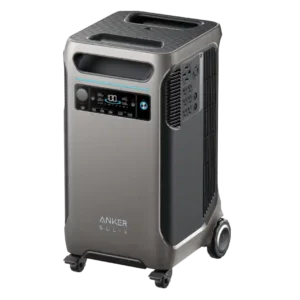
Anker Solix F3800

Anker Solix F3800

Overall score 4.0 / 5

Based on 84 scored reviews

vs
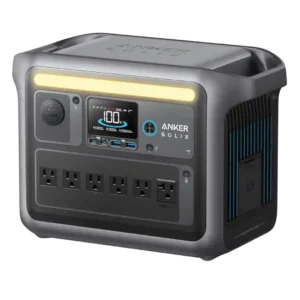
Anker Solix C1000

Anker Solix C1000

Overall score 4.5 / 5

Based on 127 scored reviews

How we score

Scorata scores summarize analyzed review evidence on a 1–5 scale; they are not laboratory measurements or a simple average of customer star ratings. Feature scores summarize the reviews covering that feature. The overall score averages feature scores within each review, then combines review averages. When both expert and customer evidence are available, those two groups receive equal weight. Products can have different review coverage, so small score gaps do not establish a winner.

Recommendations prioritize important features for the category, with a score of at least 3.5, a gap of at least 0.25 points and at least two supporting reviews per product. Features with widely varying scores or broad connectivity contexts are excluded from recommendations. These safeguards do not establish statistical significance.

Quick verdict

What each product is best for

The review evidence points to a tradeoff: overload protection and build quality versus ease of use and maximum solar input. Choose according to which strengths matter more to you; the overall score alone does not settle that choice.

Choose Anker Solix F3800 for overload protection and build quality.

Choose Anker Solix C1000 for ease of use and maximum solar input.

Why these recommendations?

Anker Solix F3800

Where It Has the Edge

  • overload protection is 5.0 vs 4.0. When testers exceeded the power limit, the station shut down cleanly and displayed an overload warning instead of...
  • build quality is 5.0 vs 4.6. The unit is widely described as solid, robust, and impressively made, with strong first impressions even among demanding...
  • design aesthetics is 5.0 vs 4.7. The tower design is consistently praised as sleek, modern, and easier to live with than industrial-looking backup equipment.

Anker Solix C1000

Where It Has the Edge

  • ease of use is 4.9 vs 4.6. The controls are simple enough for first-time users, older owners, and nontechnical buyers. Most tasks amount to enabling...
  • maximum solar input is 4.7 vs 2.0. Up to 600W of solar is unusually strong for this footprint. Achieving the maximum requires panels with the...
  • portability is 4.6 vs 4.1. The compact shape and dual handles make it practical for car camping, road trips, and moving around a...
Anker Solix F3800 4.0 overall score
Anker Solix C1000 4.5 overall score

Compare features

Scores are out of 5. Missing scores mean missing review evidence, not a missing feature.

Scored on both products

Other features

Ease of use
Anker Solix F3800
4.6

Most owners find the system intuitive, simple, and far easier than deploying a gas generator. Advanced solar and charging behavior still takes time to learn.

Anker Solix C1000
4.9

The controls are simple enough for first-time users, older owners, and nontechnical buyers. Most tasks amount to enabling an output and plugging in a device.

Operating temperature range
Anker Solix F3800
1.0

The unit can output power in very cold weather, but charging below freezing is a serious limitation without a heated space.

Anker Solix C1000
5.0

Reviewers generally like the C1000’s operating temperature range, describing it as effective and useful in real-world operation.

Lifting ease
Anker Solix F3800
1.5

At roughly 132 pounds, lifting is a two-person job even though the grab handles are secure.

Anker Solix C1000
4.5

Built-in handles make short moves manageable, but the roughly 28-pound weight still encourages two-handed carrying over distance.

Input and output monitoring
Anker Solix F3800
2.0

The unit provides basic live wattage, but advanced users want voltage, current, and deeper electrical data.

Anker Solix C1000
5.0

The display and app clearly show battery percentage, incoming watts, outgoing watts, and estimated time remaining. This makes load planning easy.

Solar cable compatibility
Anker Solix F3800
5.0

MC4-to-XT60 connections are practical and widely usable, though owners may need to buy additional cables for custom arrays.

Anker Solix C1000
2.0

XT60-based solar connections work with the supplied adapters, but some owners needed MC4 adapters or dealt with a loose connector.

Maximum solar input
Anker Solix F3800
2.0

The advertised 2,400W ceiling is difficult to reach with common panels because of the 60V and amperage limits. Multiple tests achieved far less than the headline figure.

Anker Solix C1000
4.7

Up to 600W of solar is unusually strong for this footprint. Achieving the maximum requires panels with the right voltage and current characteristics.

Control panel layout
Anker Solix F3800
2.5

Most controls are cleanly arranged, but some users find button locations unintuitive and one reviewer found the interface confusing.

Anker Solix C1000
5.0

Front-facing outputs, clear labels, and sensible spacing make the unit intuitive to plug in and operate.

Solar panel compatibility
Anker Solix F3800
2.2

Compatibility is one of the most repeated complaints. The 60V and amperage windows favor carefully configured or proprietary panels and can prevent rooftop or common fixed arrays from reaching full power.

Anker Solix C1000
4.3

It works with Anker and many third-party panels when voltage and connectors match. Buyers should verify limits and cable standards before purchasing panels.

Heat management
Anker Solix F3800
5.0

Wide vents and multiple fans move heat effectively, even though the fan system can become audible near maximum output.

Anker Solix C1000
3.0

The unit monitors and manages heat effectively, but it can run warm in UPS mode or heavy use. Open airflow is important.

Runtime at full load
Anker Solix F3800
4.0

At a roughly 5.1kW draw, one test produced 37 minutes of runtime and about 84% usable efficiency.

Anker Solix C1000
2.0

At roughly 1,500W or more, runtime can fall to around half an hour, so the station is better for intermittent high-draw use than sustained heating.

Self-discharge rate
Anker Solix F3800
3.0

One long-term test found perfect charge retention after two months, while another owner reported an extreme overnight drop with no connected load.

Anker Solix C1000
5.0

Stored units generally retain charge well, supporting emergency readiness between occasional uses.

Weight
Anker Solix F3800
1.5

At roughly 132–140 pounds, weight is the most universal complaint. It rolls well, but stairs, vehicles, and lifting are genuinely difficult.

Anker Solix C1000
3.1

Around 25–30 pounds is manageable for many adults and light for the output class, but still heavy for long carries, stairs, or users with limited strength.

12-volt outlet
Anker Solix F3800
2.5

The single 12V socket works for basic accessories, but one tester wished the unit offered at least two.

Anker Solix C1000
4.0

The regulated car-style output is useful for coolers, pumps, and other vehicle accessories. Testing also shows that its wattage ceiling is more modest than the AC inverter.

Included accessories
Anker Solix F3800
3.5

Home-backup bundles can be complete and practical, but the standalone station’s lack of a solar panel or certain charging cables disappoints some buyers.

Anker Solix C1000
5.0

The box generally includes the essential AC, car, and solar charging cables, reducing the need for immediate extra purchases.

Instruction quality
Anker Solix F3800
2.5

Documentation is a recurring weak spot: several owners wanted a proper printed manual, and some found the downloadable version cheap or incomplete. One later manual was praised for explaining display icons.

Anker Solix C1000
1.0

The C1000’s instruction quality is a recurring weakness, with users describing practical limitations or frustrating behavior.

Load handling
Anker Solix F3800
3.5

The station handles broad mixed loads well, but a fully loaded kitchen can push it toward shutdown and requires some sequencing.

Anker Solix C1000
5.0

The station handles mixed office, campsite, kitchen, and tool loads with strong stability. It shuts down safely when users exceed its continuous limit.

Repairability
Anker Solix F3800
3.5

A technically skilled owner found that third-party charging workarounds could bypass limitations, but they require wire cutting, DIY knowledge, and possible warranty risk.

Anker Solix C1000
5.0

Faulty units were generally resolved through troubleshooting and replacement rather than user repair. Replacement experiences were often positive.

Built-in light
Anker Solix F3800
3.2

The front light is handy for moving the unit during dark outages, but some testers found it too dim and decorative to replace a real emergency light.

Anker Solix C1000
4.6

The warm, adjustable light bar is useful in tents, outages, and dark work areas. Placement and automatic behavior drew a few minor complaints.

Solar generator functionality
Anker Solix F3800
5.0

Solar pass-through works well, letting the station run loads while recharging and making it useful for off-grid or extended-outage operation.

Anker Solix C1000
3.7

The C1000 works well as a solar-supported camping station, but the controller limits and real-world panel output make it less dependable as a solar-only backup.

Peak output
Anker Solix F3800
3.8

The 9,000W surge claim performed well in several tests, though one lab found the highest spikes lasted only a few seconds.

Anker Solix C1000
5.0

The 2,400W surge capability is exceptional for a compact 1kWh station and helps start heaters, tools, and cooking appliances.

Firmware updates
Anker Solix F3800
4.1

Updates are easy for many users and have fixed meaningful issues, including idle consumption and charging behavior. One owner, however, lost generator-charging capability after updating.

Anker Solix C1000
3.0

Firmware has fixed important external-battery charging problems, although one owner reported communication instability after an update.

UPS functionality
Anker Solix F3800
3.9

UPS performance is generally strong and seamless on the designated outlets, though only part of the 120V bank is protected and one PC test failed.

Anker Solix C1000
5.0

UPS mode is a major strength for offices, routers, medical equipment, and alarms. True bypass and quick switching worked well, although power-saving settings need attention for essential low-draw devices.

Grounding requirements
Anker Solix F3800
3.0

Most heavy-duty connections are straightforward, but some EV charging setups may need a neutral-ground bonding plug.

Anker Solix C1000
2.0

Certain furnace or appliance setups may need a neutral-ground bonding plug before they will operate correctly.

Overload protection
Anker Solix F3800
5.0

When testers exceeded the power limit, the station shut down cleanly and displayed an overload warning instead of damaging itself.

Anker Solix C1000
4.0

When loads exceed the limit, the C1000 shuts down cleanly and can restart shortly afterward, protecting both the station and connected devices.

Surge capacity
Anker Solix F3800
4.0

The station starts compressors, air conditioners, and other surge-heavy loads impressively, though one laboratory found the highest advertised spikes lasted only seconds.

Anker Solix C1000
5.0

The 2,400W surge mode gives short-term headroom for motor and heater startup loads that would overwhelm many 1kWh stations.

USB-C power delivery
Anker Solix F3800
5.0

The high-power USB-C ports are repeatedly praised for fast laptop, tablet, and phone charging.

Anker Solix C1000
4.0

The 100W USB-C port is useful for laptops and larger electronics. Some versions pair it with a weaker 30W port, making the USB-C offering capable but uneven.

Weather resistance
Anker Solix F3800
3.0

The system performed through a severe snowstorm, but the station itself lacks meaningful rain protection and should not be operated exposed to wet weather.

Anker Solix C1000
4.0

The station survived rough outdoor use in several accounts, but reviewers still recommend protection from direct rain where no clear IP rating is stated.

EPS switchover speed
Anker Solix F3800
4.2

Most UPS tests kept computers and other equipment running without a visible interruption, but one customer’s PC shut off during a real power failure.

Anker Solix C1000
5.0

The switchover is fast enough to keep computers, networking gear, and alarm systems running through brief outages. Multiple tests reported no visible interruption.

Remaining runtime estimate
Anker Solix F3800
4.3

The display adjusts remaining-time estimates as loads change and is usually helpful, though unusual charging setups can produce unrealistic figures.

Anker Solix C1000
5.0

The live estimate helps users decide which loads to keep running and how soon they need to recharge.

Outlet selection
Anker Solix F3800
5.0

Six household outlets plus heavy-duty 240V, USB, and DC connections make the F3800 one of the most versatile stations for home, RV, workshop, and electronics use.

Anker Solix C1000
4.4

The combination of AC, USB-C, USB-A, and 12V outputs is widely praised as generous. A few specialized users still want more DC barrel or USB ports.

Expandability
Anker Solix F3800
5.0

The platform can grow through batteries, a second F3800, solar, transfer hardware, and smart-home accessories, making it unusually future-proof.

Anker Solix C1000
4.4

Doubling capacity with one add-on battery is valuable for longer trips and backup. The single-battery limit keeps it from scaling into a large home system.

Portability
Anker Solix F3800
4.1

The wheels and suitcase-style handle make a 132-pound unit surprisingly easy to move on level floors and even some outdoor surfaces. Stairs, vehicle loading, and lifting still require help.

Anker Solix C1000
4.6

The compact shape and dual handles make it practical for car camping, road trips, and moving around a house. At roughly 28 pounds, it is portable rather than lightweight.

Accessory ecosystem
Anker Solix F3800
4.5

Home Assistant integration can compensate for the limited native app and gives advanced users more control.

Anker Solix C1000
4.0

Expansion batteries and compatible solar panels broaden the C1000’s uses. The ecosystem is useful, though expansion cables and add-on pricing can be awkward.

Overall product satisfaction
Anker Solix F3800
4.3

Most reviewers are highly satisfied with the F3800’s power, flexibility, quiet operation, and home-backup value. The strongest negative reviews center on solar restrictions, charging failures, software gaps, cold performance, and cost.

Anker Solix C1000
4.7

The overall consensus is strongly positive: buyers value the combination of power, fast charging, compactness, and versatility. Noise, capacity limits, and app quirks prevent it from being perfect.

Home backup capability
Anker Solix F3800
4.6

This is where the F3800 earns its strongest praise: it reliably keeps refrigerators, medical devices, lighting, internet, pumps, and even selected whole-home circuits operating. Base capacity is best for essentials or shorter outages unless expanded.

Anker Solix C1000
5.0

The C1000 is highly effective for short outages involving refrigerators, routers, lights, medical gear, and workstations. It is a targeted essentials backup, not a whole-home solution for days.

Packaging quality
Anker Solix F3800
4.8

Most units arrived well protected, and the substantial packaging generally handled shipping well. One severely mishandled shipment still suffered frame, display, and USB damage.

Anker Solix C1000
5.0

Packaging is consistently described as sturdy, padded, and protective, with several units arriving in perfect condition.

Power output
Anker Solix F3800
4.8

The 6,000W split-phase inverter is consistently praised and repeatedly validated with major appliances, tools, HVAC, and home circuits. It is the product’s defining advantage.

Anker Solix C1000
5.0

Reviewers repeatedly praise the 1,800W inverter for delivering more power than expected from such a small station.

Sleep mode behavior
Anker Solix F3800
1.5

The short AC timeout can let intermittent loads such as a well pump lose power unless the setting is changed or a keep-alive device is used.

Anker Solix C1000
1.3

Power-saving modes can shut off low-draw USB, AC, or 12V devices unless several timeout settings are adjusted. This is a recurring concern for overnight coolers and medical equipment.

Runtime
Anker Solix F3800
4.3

Refrigerator and essential-load tests commonly lasted many hours, sometimes a full day or more, and careful use can stretch into multiple days. Heavy HVAC or unrestricted whole-home loads drain the base battery much faster.

Anker Solix C1000
4.4

Runtime is strong for electronics, CPAP machines, refrigerators, and moderate camping loads. Heaters, air conditioners, and other high-wattage devices can drain it quickly.

Recharge speed
Anker Solix F3800
5.0

A short customer review simply reports that the station charges fast and works well.

Anker Solix C1000
4.9

Fast recharging is a signature strength. Many owners and testers refill the station in roughly 55–90 minutes from AC power.

Compactness
Anker Solix F3800
4.5

The tall, narrow form factor uses floor space efficiently and is surprisingly compact for a 6kW home-backup station.

Anker Solix C1000
4.6

The C1000 packs unusually high output into a compact body that fits well in vehicles, closets, and work areas. This power-to-size balance is one of its most repeated strengths.

AC outlet count
Anker Solix F3800
5.0

The six household AC outlets are considered generous, especially alongside the two heavy-duty 240V connections.

Anker Solix C1000
5.0

The front AC outlets are generous for a station this size and are spaced well enough for bulky plugs. Reviewers appreciated being able to connect several household devices.

Impact resistance
Anker Solix F3800
5.0

A deliberate drop and gravel-drag test produced only surface scratches, showing unusually strong impact tolerance.

Anker Solix C1000
5.0

Several units survived hard drops, tailgate tumbles, stairs, and rough truck use without functional damage.

Inverter quality
Anker Solix F3800
5.0

The split-phase inverter is repeatedly described as exceptionally capable, sustaining demanding loads and clean output.

Anker Solix C1000
5.0

The large pure-sine inverter handles demanding devices confidently and maintains stable output across varied loads.

Outlet accessibility
Anker Solix F3800
5.0

The port arrangement is considered thoughtful and easy to reach, with everyday connections separated from heavy-duty outlets.

Anker Solix C1000
5.0

Front-mounted, well-spaced outlets are easy to reach and accommodate large adapters better than many compact competitors.

Output stability
Anker Solix F3800
5.0

Testing showed excellent voltage regulation around 120V even during demanding operation.

Anker Solix C1000
5.0

Tests with computers, appliances, and high loads found stable operation and graceful overload shutdowns.

Power quality
Anker Solix F3800
5.0

Sensitive equipment benefits from clean, steady pure-sine output that tested well during UPS and heavy-load use.

Anker Solix C1000
5.0

Pure-sine, stable AC output works well with computers, CPAP machines, networking gear, and other sensitive electronics.

Pure sine wave output
Anker Solix F3800
5.0

Tests and owners describe the AC waveform as clean, stable, and high quality, suitable for sensitive equipment.

Anker Solix C1000
5.0

The pure-sine inverter supplies clean AC suitable for sensitive electronics and common household appliances.

Rated output
Anker Solix F3800
5.0

Multiple reviewers confirmed that the station can genuinely sustain its 6,000W continuous rating.

Anker Solix C1000
5.0

A continuous rating around 1,800W covers most single household appliances and many tool loads, though not every large appliance at once.

Remote control
Anker Solix F3800
5.0

The app can switch outlet banks, change settings, and manage the station without using the front panel.

Anker Solix C1000
5.0

The app can switch outputs, adjust charging wattage, manage timers, and control the light without touching the unit.

Remote monitoring
Anker Solix F3800
5.0

Wi-Fi monitoring provides live input, output, battery, and runtime information from outside Bluetooth range.

Anker Solix C1000
5.0

Phone access to charge, temperature, input, output, and time remaining is especially useful when the station sits under a desk, outside, or in another room.

Storage convenience
Anker Solix F3800
5.0

Expansion batteries stack neatly above the main unit without adding much extra floor space.

Anker Solix C1000
5.0

The compact shape fits cupboards, trunks, and packed vehicles well, making it easy to keep available between trips.

Voltage regulation
Anker Solix F3800
5.0

Measured output held close to 120V and earned strong praise for stability.

Anker Solix C1000
5.0

Testing found stable voltage under demanding loads, and the unit maintained usable AC output even near empty.

Battery and charging

Dual-input charging
Anker Solix F3800
4.5

After a firmware update, one owner successfully used AC and DC charging at the same time, adding useful flexibility.

Anker Solix C1000
1.0

The C1000 does not combine AC and DC input; plugging in AC disables solar or other DC charging. Reviewers repeatedly call this a missed opportunity.

Battery management system
Anker Solix F3800
1.5

The BMS protects cold cells by restricting charging, but the lack of an internal heater makes recovery after a cold night frustratingly slow.

Anker Solix C1000
4.0

Temperature monitoring and protective charging behavior inspire confidence, but users would like configurable maximum charge limits for long-term battery care.

Pass-through charging
Anker Solix F3800
1.9

The original F3800’s biggest functional limitation is AC pass-through: 240V and part of the 120V bank are disabled while charging from AC. Solar charging is far more flexible and can preserve output operation.

Anker Solix C1000
4.3

True bypass and charge-while-powering behavior work well for UPS and workstation use. Expansion-battery quirks have occasionally complicated this mode.

Battery reliability
Anker Solix F3800
1.3

Several customers reported units that would not recharge, stopped at 85%, or needed replacement. These failures are less common than the positive reports but serious when they occur.

Anker Solix C1000
3.6

Most owners describe dependable backup performance, including months or years of use. A minority reported shutdowns, failed charging, or declining runtime that required replacement or troubleshooting.

Charging efficiency
Anker Solix F3800
3.0

Measured inverter or round-trip efficiency ranged from typical for a large station to notably wasteful, depending on the test method and load.

Anker Solix C1000
5.0

Measured recharge and round-trip efficiency are among the better results reported for this class, especially at moderate settings.

Usable battery capacity
Anker Solix F3800
3.6

Measured usable capacity varied from roughly 72% to 86%, with most results around the expected range for a large inverter. The spread means runtime estimates should include conversion losses.

Anker Solix C1000
5.0

Independent tests recovered a high share of the rated capacity through both AC and DC outputs, especially at moderate loads.

Car charging speed
Anker Solix F3800
1.0

Charging from a vehicle’s accessory socket is extremely slow, taking roughly a full day or longer from empty.

Anker Solix C1000
2.0

Standard vehicle charging is slow and can take much of a driving day. Higher-voltage setups improve speed, but ordinary 12V input remains a weak point.

Battery capacity
Anker Solix F3800
4.4

The 3.84kWh base battery is substantial for refrigerators, lights, electronics, and shorter outages. Some buyers still find it too small for unrestricted whole-home use.

Anker Solix C1000
3.7

The roughly 1kWh pack is a good match for weekends, workstations, and short outages. It is not large enough for unrestricted whole-home backup or long high-draw use.

Battery expandability
Anker Solix F3800
4.8

Adding BP3800 batteries is one of the product’s strongest features, allowing the system to scale from short-term essentials to multi-day backup. Cable availability and expansion-battery pricing can complicate that promise.

Anker Solix C1000
4.2

An optional battery can double storage to about 2.1kWh, a useful step-up for longer trips. Buyers note that only one expansion battery is supported and the add-on can be costly.

AC charging speed
Anker Solix F3800
4.5

Warm units typically recharge from empty in roughly two to three hours, with several tests landing near the low end of that range. A few customers reported abnormally slow charging or cold-related throttling.

Anker Solix C1000
4.9

Wall charging is one of the clearest strengths, with many tests reaching full charge in roughly an hour. Ultra-fast mode is convenient, though it often brings louder fans.

Solar charging speed
Anker Solix F3800
3.2

Solar performance ranges from very fast with a well-matched large array to frustratingly slow with one portable panel. Real-world results depend heavily on panel voltage, wiring, weather, and the input limits.

Anker Solix C1000
3.1

Solar results vary widely with panel quality, angle, weather, and voltage. Properly matched 400–600W arrays can be fast, while small portable panels may take days.

Battery chemistry
Anker Solix F3800
5.0

Customers describe the battery cells as high quality and well suited to storing a large amount of energy.

Anker Solix C1000
5.0

LiFePO4 chemistry earns strong approval for safety, stability, and longevity compared with older lithium-ion formulations.

Battery cycle life
Anker Solix F3800
5.0

The LFP pack’s multi-thousand-cycle rating is seen as a major long-term advantage, especially for owners who plan to cycle it regularly.

Anker Solix C1000
5.0

The 3,000-cycle rating is repeatedly viewed as enough for many years of regular charging and discharging.

Battery longevity
Anker Solix F3800
5.0

Reviewers expect the LiFePO4 pack to age well, with long cycle ratings and better durability than older lithium-ion designs.

Anker Solix C1000
5.0

Long-life chemistry and several extended-use reports support confidence in years of service. A few owners nevertheless reported capacity or charging problems after prolonged use.

Battery storage performance
Anker Solix F3800
5.0

In one two-month storage test, the station retained a full charge, suggesting excellent readiness between outages.

Anker Solix C1000
5.0

The C1000 generally holds its charge well between uses, making it practical to keep ready for outages or occasional trips.

Charging cable quality
Anker Solix F3800
1.0

One owner reported a heavy-duty extension cord overheating, sparking, and filling the house with smoke while charging, a serious safety concern.

Anker Solix C1000
1.0

The included cords work, but several owners found them too short, thick, bulky, or awkward—especially the expansion-battery cable.

LiFePO4 battery
Anker Solix F3800
5.0

Reviewers like the LiFePO4 chemistry for safety, stability, full-charge tolerance, and a long expected service life.

Anker Solix C1000
5.0

Reviewers consistently favor the LiFePO4 pack for its safer chemistry and long service life. The 3,000-cycle rating gives frequent users confidence in daily use.

Replacement battery cost
Anker Solix F3800
1.0

Expansion batteries are considered far too expensive by at least one experienced owner, especially compared with DIY storage options.

Anker Solix C1000
1.0

Some owners question paying more for the expansion battery than for a discounted second C1000, despite the cleaner stacked setup.

Ownership and support

Warranty
Anker Solix F3800
2.5

One reviewer wanted clearer battery-lifespan and warranty information before judging long-term value.

Anker Solix C1000
5.0

The five-year warranty is longer than many competing portable stations and repeatedly increases buyer confidence.

Replacement parts availability
Anker Solix F3800
3.5

Replacement units often arrived quickly, but the proprietary expansion cable was unavailable for one owner and temporarily blocked battery expansion.

Anker Solix C1000
5.0

Anker supplied replacement units in several warranty cases, suggesting good availability for complete-unit replacement.

Long-term reliability
Anker Solix F3800
4.6

Most extended-use reports describe dependable day-after-day operation, including off-grid shops and repeated outages. A smaller set of charging failures keeps the picture from being flawless.

Anker Solix C1000
3.9

Many owners report months or more than a year of regular use without meaningful capacity loss. A smaller number encountered charging or inverter problems later in ownership.

Value for money
Anker Solix F3800
3.4

Value depends heavily on sale pricing and use case. Buyers who need single-unit 240V home backup often find it worthwhile, while solar accessories, expansion batteries, and full-home hardware can make the total cost feel excessive.

Anker Solix C1000
4.2

Value is excellent at common sale prices around the mid-$400s to $600s, but the full MSRP feels expensive. Discounts materially change the recommendation.

Ease of setup
Anker Solix F3800
4.6

Portable setup is usually plug-and-play, and even electrician-installed home integrations were described as straightforward. A small number of users struggled with Bluetooth, solar, or regional app settings.

Anker Solix C1000
4.7

Initial operation and app pairing are usually straightforward. Registration, missing documentation, or app connection issues complicated setup for a small group of owners.

Simultaneous device support
Anker Solix F3800
4.9

The F3800 comfortably runs several appliances or tools at once, including high-wattage combinations, until the total approaches its 6,000W limit.

Anker Solix C1000
5.0

Multiple outlets and a strong inverter let users run several electronics or appliances together, provided the combined load stays below the limit.

Customer support
Anker Solix F3800
3.6

Support experiences are split. Many owners received fast replacements and helpful technicians, while others faced slow email exchanges, automated responses, or difficulty arranging returns.

Anker Solix C1000
3.7

Support is often praised for responsive replacements, refunds, and follow-up. Some cases required escalation or produced generic answers before resolution.

Comfort and build

Water resistance
Anker Solix F3800
1.0

The station has no meaningful rain protection and should not be operated outdoors when wet.

Anker Solix C1000
3.4

Outdoor durability reports are positive, but sources conflict on formal weather ratings and some variants lack an IP rating. Keeping it sheltered remains prudent.

Size and footprint
Anker Solix F3800
5.0

The upright, narrow body is preferred over wider, lower competitors and fits neatly into corners despite its large capacity.

Anker Solix C1000
4.4

The blocky but compact footprint stores easily in vehicles and closets while leaving room for a large inverter and battery.

Build quality
Anker Solix F3800
5.0

The unit is widely described as solid, robust, and impressively made, with strong first impressions even among demanding users.

Anker Solix C1000
4.6

The case, handles, buttons, and internal structure feel solid and durable. Even though much of the housing is plastic, reviewers rarely describe it as flimsy.

Design aesthetics
Anker Solix F3800
5.0

The tower design is consistently praised as sleek, modern, and easier to live with than industrial-looking backup equipment.

Anker Solix C1000
4.7

The clean gray-and-blue styling looks modern and less industrial than many competing stations. Owners also like darker-shell variants.

Durability
Anker Solix F3800
5.0

The housing survived deliberate drops, gravel dragging, and demanding use with only cosmetic damage, supporting a strong durability impression.

Anker Solix C1000
4.9

Drops, truck use, road vibration, and extended outdoor handling caused little or no damage in several accounts. Long-term field users generally found it tough.

Handle comfort
Anker Solix F3800
5.0

The telescoping and side handles are well placed, secure, and comfortable for rolling or a two-person lift.

Anker Solix C1000
5.0

Two sturdy side handles distribute the weight well and make short carries more comfortable than a single central handle.

Materials quality
Anker Solix F3800
5.0

Construction feels premium and substantial, matching the unit’s heavy-duty home-backup role.

Anker Solix C1000
5.0

Reviewers describe heavy-duty plastic, an aluminum frame, and industrial-grade electronics rather than cheap or flimsy parts.

Performance

Noise level
Anker Solix F3800
4.9

Quiet operation is one of the clearest strengths. Under ordinary and even substantial loads, it is often described as whisper-quiet and suitable for nighttime or indoor use.

Anker Solix C1000
3.3

Noise opinions depend heavily on load: light use can be quiet, while fast charging or high output can sound harsh or loud. Fan noise is the most consistent complaint.

Full-load noise
Anker Solix F3800
3.2

Noise stays impressively low through many heavy loads, but the fans become clearly audible and sometimes loud near maximum output.

Anker Solix C1000
1.8

Fan noise rises sharply near maximum output or during ultra-fast charging. Several reviewers describe it as the main compromise for the compact chassis.

Display quality
Anker Solix F3800
5.0

The display earns direct praise for presenting power information clearly.

Anker Solix C1000
3.7

The LCD is generally bright, informative, and well designed. A few users dislike small secondary text or washed-out outdoor readability.

MPPT controller performance
Anker Solix F3800
1.8

The dual controllers work, but their voltage and amperage windows are the root of many solar complaints. Common arrays often deliver far less than the advertised maximum.

Anker Solix C1000
3.0

The solar controller tracks panels effectively, but voltage, amperage, and low-input thresholds can prevent users from reaching the full advertised solar rate.

Cold-weather performance
Anker Solix F3800
2.5

The inverter can deliver strong output in severe cold, but battery charging is heavily restricted until the cells warm. For unheated garages, vans, or winter solar use, this can be a deal breaker.

Anker Solix C1000
3.0

Most outdoor use was trouble-free in chilly conditions, but one owner reported a complete failure to operate around 30°F.

Startup performance
Anker Solix F3800
4.5

The inverter successfully started a demanding 3,000W compressor despite visible strain at the initial surge.

Anker Solix C1000
5.0

SurgePad and the high-output inverter successfully start many refrigerators, heaters, tools, and cooking appliances.

Display readability
Anker Solix F3800
4.3

The screen is usually bright and easy to understand indoors, though sunlight visibility can be poor and one customer struggled to find basic status information.

Anker Solix C1000
3.9

Most reviewers can read the main display in sunlight and darkness, but smaller runtime and wattage figures may require standing close.

Cooling performance
Anker Solix F3800
3.8

Large, slow fans generally manage heat quietly and effectively, though their cycling can feel unpredictable.

Anker Solix C1000
4.0

Cooling keeps the electronics under control, but the small fans work hard during fast charging and heavy loads. External airflow can noticeably reduce temperature.

Idle noise
Anker Solix F3800
5.0

At idle or light load, the F3800 is often silent or barely audible.

Anker Solix C1000
5.0

At low and moderate loads, the fans can be nearly silent or barely audible. Noise becomes much more noticeable only as load or charging speed rises.

Specification accuracy
Anker Solix F3800
5.0

One customer said the product performed exactly as described.

Anker Solix C1000
5.0

Most real-world tests matched or exceeded charging, output, and runtime expectations, though solar results depend heavily on the panel setup.

Controls and connectivity

Bluetooth connectivity
Anker Solix F3800
3.7

Bluetooth usually makes nearby setup and monitoring convenient, with solid indoor range. One customer struggled to complete pairing, so the experience is not universally smooth.

Anker Solix C1000
5.0

Bluetooth gives reliable local control when Wi-Fi is unavailable, which is especially handy at campsites. Several owners found it more useful than expected.

Review contexts may differ, so use caution when interpreting the score gap.

Wi-Fi connectivity
Anker Solix F3800
5.0

Wi-Fi setup is usually easy and enables remote status checks, control, and firmware updates from outside Bluetooth range.

Anker Solix C1000
3.7

Wi-Fi enables remote status checks and controls from beyond Bluetooth range. Most experiences were positive, but a few owners reported dropped or unstable connections.

Review contexts may differ, so use caution when interpreting the score gap.

App connectivity
Anker Solix F3800
4.3

Bluetooth and Wi-Fi provide flexible local and remote control, though regional setup limitations and occasional connection problems can complicate onboarding.

Anker Solix C1000
3.4

Pairing is usually quick over Bluetooth or Wi-Fi, but isolated reports describe reconnection bugs and instability after updates.

App quality
Anker Solix F3800
4.1

The app is usually easy to navigate and useful for live monitoring, settings, and firmware. The recurring complaint is shallow historical data, missing voltage details, and limited scheduling or advanced controls.

Anker Solix C1000
4.4

The app is often praised for live data, charging controls, timers, and remote switching. Complaints center on missing history, notifications, charge limits, and occasional connectivity problems.

High-demand appliance support
Anker Solix F3800
4.8

The F3800 routinely runs dryers, air conditioners, well pumps, compressors, lifts, kitchen appliances, and power tools. Load timing still matters when several high-draw devices start together.

Anker Solix C1000
4.8

The inverter successfully runs microwaves, kettles, coffee makers, refrigerators, power tools, and some heaters. Laundry appliances, rooftop air conditioners, and simultaneous high-draw loads can exceed its limits.

Tracking and training

Energy usage tracking
Anker Solix F3800
2.0

Live readings are useful, but reviewers repeatedly want historical input, output, voltage, and usage graphs that are not fully available.

Anker Solix C1000
2.0

Live wattage is useful, but users repeatedly want longer-term graphs, logs, and historical consumption data rather than a few seconds of activity.

Evidence available for one product

Other features

30-amp output
Anker Solix F3800
5.0

Owners value the direct 30A 240V connection for home transfer switches and RV use, especially because it avoids pairing two power stations.

Anker Solix C1000No score yet
50-amp output
Anker Solix F3800
5.0

The 50A outlet is a standout for RVs, transfer panels, tools, and other demanding loads, and users consistently report that it works well.

Anker Solix C1000No score yet
Automatic start
Anker Solix F3800
5.0

With the home power panel, the system can take over automatically during an outage, including when no one is home.

Anker Solix C1000No score yet
Cable storage
Anker Solix F3800No score yet
Anker Solix C1000
1.0

There is no built-in compartment for the thick charging cords, so owners often strap them to a handle or store them separately.

Dust resistance
Anker Solix F3800No score yet
Anker Solix C1000
5.0

One owner praised the claimed dustproof construction for rugged outdoor use, though broader testing is limited.

Electromagnetic interference
Anker Solix F3800No score yet
Anker Solix C1000
1.0

One detailed electrical test detected noise on the AC inverter, making this a niche concern for interference-sensitive equipment.

Energy efficiency
Anker Solix F3800
5.0

A smart home setup can shift solar energy and battery use away from expensive grid periods, creating potential everyday savings.

Anker Solix C1000No score yet
Frequency stability
Anker Solix F3800No score yet
Anker Solix C1000
5.0

Bench testing found the AC frequency stable around 60Hz, supporting sensitive electronics and motor loads.

Generator interlock compatibility
Anker Solix F3800
2.5

One reviewer could not make the unit work with an existing home panel as expected, despite otherwise successful 240V output.

Anker Solix C1000No score yet
L14-30 outlet
Anker Solix F3800
5.0

The L14-30 connection is praised as an ideal way to feed a transfer switch or other heavy-duty 240V setup.

Anker Solix C1000No score yet
RV outlet
Anker Solix F3800
5.0

The heavy-duty RV connections make the F3800 a capable campsite or motorhome power hub, with enough output for multiple comforts at once.

Anker Solix C1000No score yet
Standby power loss
Anker Solix F3800
2.4

Idle consumption can be substantial with AC outputs kept awake, including reports around 40–79W. Firmware has improved some idle behavior, but it remains important for outage planning.

Anker Solix C1000No score yet
Storage preparation
Anker Solix F3800No score yet
Anker Solix C1000
4.0

Long-term storage is simple, but Anker recommends periodically topping up the battery rather than leaving it untouched indefinitely.

Telescoping handle
Anker Solix F3800
5.0

The luggage-style handle is sturdy, locks securely, and makes the heavy tower easy to pull.

Anker Solix C1000No score yet
Transfer switch compatibility
Anker Solix F3800
5.0

Direct 240V output and the L14-30 connection work well with transfer-switch setups without requiring two paired power stations.

Anker Solix C1000No score yet
USB-A ports
Anker Solix F3800
1.0

One shipping-damaged unit arrived with nonfunctional USB ports, creating a sharply negative but isolated report.

Anker Solix C1000No score yet
USB-C ports
Anker Solix F3800
5.0

The three high-power USB-C ports are a welcome feature for charging laptops, tablets, and phones directly.

Anker Solix C1000No score yet
Ventilation requirements
Anker Solix F3800No score yet
Anker Solix C1000
2.0

The C1000 should not be enclosed in a closet or blocked space because heat and fan airflow need room to escape.

Wheel quality
Anker Solix F3800
4.7

The large rear wheels and front casters are durable and effective on floors, pavement, grass, dirt, and light gravel, making the heavy unit much more manageable.

Anker Solix C1000No score yet
Whole-home integration
Anker Solix F3800
4.9

Transfer switches and the Smart Home Power Panel turn the F3800 into a polished household backup system with circuit prioritization, automation, solar integration, and room to expand.

Anker Solix C1000No score yet

Controls and connectivity

App privacy
Anker Solix F3800No score yet
Anker Solix C1000
3.7

Some users valued being able to use the app without an account, while another criticized login requirements for basic remote functions.

Battery and charging

Battery percentage accuracy
Anker Solix F3800No score yet
Anker Solix C1000
5.0

The percentage display was praised as dependable near empty, allowing users to run demanding loads down to the last few percent with confidence.

Charging input compatibility
Anker Solix F3800No score yet
Anker Solix C1000
5.0

AC, solar, and vehicle inputs provide flexible charging options. Cable and connector choices can require adapters with some third-party panels.

EV charging usefulness
Anker Solix F3800
2.9

The 240V outlet can rescue an EV with a small emergency top-up, but a full F3800 battery usually adds only a handful of miles. It is better viewed as a last-resort feature than routine vehicle charging.

Anker Solix C1000No score yet
Generator charging speed
Anker Solix F3800
3.0

Generator recharge experiences vary sharply, from about three hours to only ten percent per hour, with firmware and setup playing a major role.

Anker Solix C1000No score yet

Comfort and build

Frame durability
Anker Solix F3800
2.0

The frame is generally robust, but one severely mishandled shipment arrived with loose plastic pieces.

Anker Solix C1000No score yet
Housing durability
Anker Solix F3800
2.0

A severely dropped shipment left plastic frame pieces loose and the display bezel misaligned, showing that a hard enough impact can damage the housing.

Anker Solix C1000No score yet

Performance

Hot-weather performance
Anker Solix F3800No score yet
Anker Solix C1000
5.0

Field use in hot weather was generally successful, though higher temperatures can trigger more fan activity.

Ownership and support

Operating cost
Anker Solix F3800
5.0

With solar and scheduled battery use, the system can reduce reliance on high-priced grid electricity and create everyday savings.

Anker Solix C1000No score yet
Parallel operation support
Anker Solix F3800
5.0

Pairing a second F3800 can double output and greatly expand storage, making the platform suitable for larger homes.

Anker Solix C1000No score yet
Solar panel bundle value
Anker Solix F3800
1.5

Anker’s portable panels are widely viewed as expensive, heavy, and underpowered for fully exploiting the F3800’s solar capability.

Anker Solix C1000No score yet
Startup reliability
Anker Solix F3800
3.0

A few users reported button presses that did not trigger the requested function, although the primary reviewer did not reproduce the issue.

Anker Solix C1000No score yet

Other Top Generators to Consider

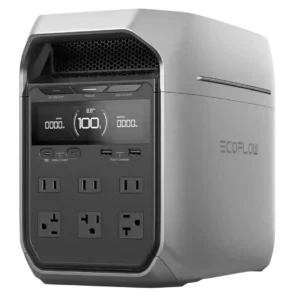
#1 EcoFlow Delta 3 Plus Review
4.6

Best for rapid charging, versatile ports, excellent app control, and portable backup for appliances or electronics. Skip it for unattended low-load use or sustained heavy loads unless fan behavior and...

Pros: overall product satisfaction, solar panel compatibility

Cons: long-term reliability, standby power loss

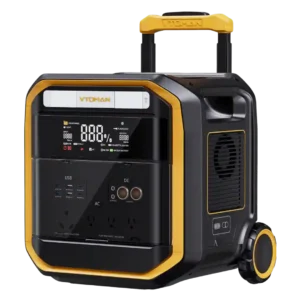
#2 Vtoman FlashSpeed Pro 3600
4.5

Best for fast-charging, high-output backup power that can run major appliances and roll easily between locations. Skip it if you need frequent lifting, a small footprint, or a screen that...

Pros: overall product satisfaction, recharge speed

Cons: weight, lifting ease

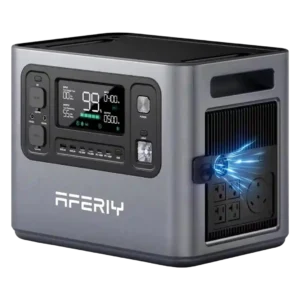
#4 AFERIY P280
4.5

Choose the P280 for high-output home, RV, or off-grid backup with fast charging, strong usable capacity, UPS protection, and expansion. Skip it if you need lightweight portability, polished app control,...

Pros: overall product satisfaction, battery expandability

Cons: weight, built-in light

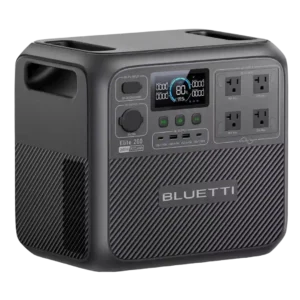
#5 Bluetti Elite 200 V2
4.4

Best for compact, quiet, fast-charging backup power that can run serious appliances. Skip it if you need easy one-person carrying, waterproof outdoor use, battery expansion, or a built-in 30-amp RV...

Pros: overall product satisfaction, value for money

Cons: weight, battery expandability