Compare LG G6 vs Roku Pro Series (2026)

LG G6

LG G6

Overall score 4.4 / 5

Based on 26 scored reviews

vs
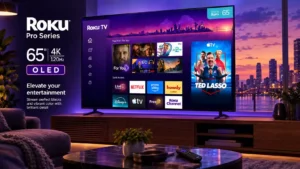
Roku Pro Series (2026)

Roku Pro Series (2026)

Overall score 4.1 / 5

Based on 14 scored reviews

How we score

Scorata scores summarize analyzed review evidence on a 1–5 scale; they are not laboratory measurements or a simple average of customer star ratings. Feature scores summarize the reviews covering that feature. The overall score averages feature scores within each review, then combines review averages. When both expert and customer evidence are available, those two groups receive equal weight. Products can have different review coverage, so small score gaps do not establish a winner.

Recommendations prioritize important features for the category, with a score of at least 3.5, a gap of at least 0.25 points and at least two supporting reviews per product. Features with widely varying scores or broad connectivity contexts are excluded from recommendations. These safeguards do not establish statistical significance.

Quick verdict

What each product is best for

The review evidence points to a tradeoff: motion handling and daytime viewing performance versus value for money and advertising intrusiveness. Choose according to which strengths matter more to you; the overall score alone does not settle that choice.

Choose LG G6 for motion handling and daytime viewing performance.

Choose Roku Pro Series (2026) for value for money and advertising intrusiveness.

Why these recommendations?

LG G6

Where It Has the Edge

  • motion handling is 4.7 vs 4.4. Fast sports and movie movement is generally excellent. Default processing can look heavy-handed, but better-tuned modes restore natural...
  • daytime viewing performance is 4.9 vs 2.4. High full-screen brightness and excellent anti-reflection treatment make this one of the strongest OLEDs for bright living rooms...
  • peak brightness is 4.9 vs 2.5. The G6 reaches exceptional OLED peaks, often around 2500–3100 nits and higher in tiny highlights. Measurements vary by...

Roku Pro Series (2026)

Where It Has the Edge

  • value for money is 4.9 vs 2.9. Affordable OLED pricing is the strongest shared selling point, with reported sale prices making the value especially compelling....
  • advertising intrusiveness is 4.0 vs 2.1. The home screen is relatively restrained about advertising. Its single large ad still takes up noticeable space, even...
  • white balance accuracy is 4.3 vs 3.8. White balance is generally accurate, though one test finds a slightly warm default. Calibration brings that unit much...
LG G6 4.4 overall score
Roku Pro Series (2026) 4.1 overall score

Compare features

Scores are out of 5. Missing scores mean missing review evidence, not a missing feature.

Scored on both products

Performance

Picture quality
LG G6
4.8

Across movies, sports, games, SDR, and HDR, the G6 delivers a brilliant, cinematic image with deep blacks, rich color, and strong detail. Most criticism centers on firmware-specific flaws rather than the core panel.

Roku Pro Series (2026)
4.7

OLED blacks, natural colors, and detailed imagery make a strong impression. Dark rooms suit the picture best, while ambient light reduces the impact of moody scenes.

Noise reduction
LG G6
4.6

Dithering and dark-scene noise are greatly reduced, and DVD grain is usually preserved. Compressed HDR can still reveal flicker or temporal noise.

Roku Pro Series (2026)
2.0

Noise reduction is available but is judged insufficiently effective in the critical processing assessment.

Daytime viewing performance
LG G6
4.9

High full-screen brightness and excellent anti-reflection treatment make this one of the strongest OLEDs for bright living rooms without sacrificing deep blacks.

Roku Pro Series (2026)
2.4

Bright rooms are the main weak point, especially with dark scenes. Some find ordinary home lighting manageable, but sunny rooms expose the brightness ceiling.

Peak brightness
LG G6
4.9

The G6 reaches exceptional OLED peaks, often around 2500–3100 nits and higher in tiny highlights. Measurements vary by mode and firmware, but brightness is a major strength.

Roku Pro Series (2026)
2.5

Low peak brightness is the most repeated performance limitation. Some consider it sufficient for ordinary homes, but it trails brighter OLEDs and mini-LED sets.

Sustained brightness
LG G6
4.7

Full-screen HDR brightness around the mid-400-nit range is a meaningful OLED upgrade, improving sports, bright scenes, and room-light performance.

Roku Pro Series (2026)
2.7

Full-screen white and snowy scenes can look dim, exposing the panel’s sustained-brightness limits. Everyday SDR content fares better against the OLED rivals compared.

Bass performance
LG G6
3.9

AI Sound Pro adds noticeably more bass punch and warmth than the G5. The low end can still turn soft, tubby, or underpowered in demanding movie soundtracks.

Roku Pro Series (2026)
2.0

Limited bass weakens movie impact and makes a soundbar with a subwoofer worthwhile for more immersive viewing.

HDR brightness
LG G6
4.5

Small highlights are intensely bright and full-screen HDR output is substantially stronger than before. Some firmware versions undertracked real scenes despite excellent test-pattern results.

Roku Pro Series (2026)
2.9

HDR highlights can look striking against perfect blacks, but tested output is modest beside brighter OLED rivals. The earliest hands-on impression is much more enthusiastic than later measurements.

HDR performance
LG G6
4.7

The combination of bright highlights, deep blacks, broad color, and fine detail creates spectacular HDR. Firmware and Dolby Vision inconsistencies prevent completely uniform results.

Roku Pro Series (2026)
3.2

OLED contrast gives HDR a premium look even at modest brightness. Highlights lack the punch of brighter models, making controlled lighting the better setting.

Soundstage
LG G6
3.8

Audio can spread beyond the screen with decent directionality, yet it often remains contained and lacks the scale of stronger built-in systems.

Roku Pro Series (2026)
2.5

Removing the older Soundstage audio port is treated as a setback caused by the slimmer design.

Sound quality
LG G6
3.3

Built-in sound is fuller and bassier than the G5 and adequate for everyday TV, but it falls well short of the picture quality and usually deserves a soundbar.

Roku Pro Series (2026)
2.7

Sound is acceptable for standard television in some accounts, with clear mids and useful dialogue enhancement. Others hear thin, unclear audio, and weak bass limits movie immersion.

White balance accuracy
LG G6
3.8

Most modes are well balanced after proper setup, but some samples show green, pink, or warm magenta tint, especially off-axis or in selected scenes.

Roku Pro Series (2026)
4.3

White balance is generally accurate, though one test finds a slightly warm default. Calibration brings that unit much closer to its target.

Overall image accuracy
LG G6
4.3

Filmmaker Mode can look natural and reference-like, especially after firmware fixes. Sample-to-sample tint and changing HDR tracking caused some inconsistent early results.

Roku Pro Series (2026)
4.5

Natural skin tones and strong SDR accuracy are widely appreciated. Default white balance and some HDR brightness behavior leave room for refinement.

Gaming performance
LG G6
4.8

Fast response, extremely low input lag, four full-bandwidth HDMI ports, and rich HDR make the G6 an elite gaming TV across consoles and PCs.

Roku Pro Series (2026)
4.7

Gaming is a consistent strength, combining smooth OLED motion, rich contrast, and very responsive controls. Competitive players seeking higher refresh rates or more tools may want a step-up model.

Dark-room performance
LG G6
5.0

Inky blacks, precise highlights, and cinematic depth make the G6 superb for lights-off movie viewing.

Roku Pro Series (2026)
4.9

Dark rooms bring out the best in the picture, preserving shadow texture and letting OLED blacks give movies and games convincing depth.

Contrast ratio
LG G6
4.9

Perfect OLED blacks beside intense highlights create exceptional depth and punch. This remains a standout advantage in both dark and bright rooms.

Roku Pro Series (2026)
4.9

Precise OLED contrast gives dark scenes depth and keeps small highlights distinct. This strength remains compelling even without high peak brightness.

Display technology
LG G6
5.0

The tandem OLED implementation delivers the cinematic blacks, depth, and color that make OLED especially compelling for movies.

Roku Pro Series (2026)
5.0

OLED brings a crisp image, precise light control, and rich black tones at an accessible price. Limited brightness remains the central compromise.

Color accuracy
LG G6
4.5

Color is usually natural, vivid, and highly accurate out of the box, particularly in Filmmaker Mode. Some samples showed green tint, warm magenta, or firmware-related saturation errors.

Roku Pro Series (2026)
4.6

Accurate skin tones and natural colors earn broad praise, especially in the more accurate picture modes. One assessment finds the colors good rather than particularly vivid.

Other features

Motion handling
LG G6
4.7

Fast sports and movie movement is generally excellent. Default processing can look heavy-handed, but better-tuned modes restore natural motion.

Roku Pro Series (2026)
4.4

Motion generally holds up well against much more expensive televisions, especially during gaming. Film pans and some sports footage still reveal limitations.

Input lag
LG G6
5.0

Measured latency is consistently extremely low, often below one frame and dropping further at 120Hz or 165Hz.

Roku Pro Series (2026)
4.8

Input lag earns unusually strong praise, including record-setting 4K60 measurements in the PCMag tests. Other gaming assessments also find the TV snappy and responsive.

PC text clarity
LG G6
5.0

The RGWB subpixel arrangement makes desktop text noticeably clearer, with less fringing and blur than the G5.

Roku Pro Series (2026)
2.0

Windows text and certain interface elements look less clear than desired, making this a weaker choice for desktop work.

Gaming dashboard
LG G6
4.8

Game Optimizer provides quick, customizable access to frame rate, VRR status, genre presets, black level, HGiG, and latency controls.

Roku Pro Series (2026)
2.0

The missing game bar and dedicated gaming tools leave enthusiasts without conveniences such as a crosshair or frame-rate counter.

Upscaling quality
LG G6
4.6

DVD and HD material often gains crisp texture and careful detail, especially from cleaner sources. The weakest compressed broadcasts can still expose overprocessing.

Roku Pro Series (2026)
2.5

The lack of exposed upscaling adjustments is a drawback for users who want to tune processing themselves.

Reflection handling
LG G6
4.8

Reflections are greatly reduced without using a matte finish, so the screen keeps glossy depth and strong black retention. A faint magenta tint can appear in reflected light.

Roku Pro Series (2026)
2.8

Reflection handling depends heavily on lighting and content. Bright scenes fare better, while dark scenes can show distracting reflections; the step-up LX is favored for better suppression.

Glare resistance
LG G6
4.8

The glossy anti-reflection coating suppresses glare extremely well while preserving image depth, contrast, and saturated color.

Roku Pro Series (2026)
2.8

Glare treatment draws sharply different reactions. Initial impressions praise it, while more critical testing finds the semi-gloss surface distracting during dark scenes in lit rooms.

Judder handling
LG G6
4.5

Cinematic Movement controls panning judder effectively without strongly exaggerating the soap-opera effect, though some smoothing is needed.

Roku Pro Series (2026)
2.5

Certain slow film pans show visible stutter, so judder-sensitive viewers may notice motion imperfections.

Advertising intrusiveness
LG G6
2.1

Large banner ads occupy a substantial portion of the webOS home screen. Some promotions can be disabled, but the space cannot be removed entirely.

Roku Pro Series (2026)
4.0

The home screen is relatively restrained about advertising. Its single large ad still takes up noticeable space, even though it is preferable to heavier advertising elsewhere.

Account requirements
LG G6
1.3

Streaming apps being locked behind an LG account is one of webOS 26’s most disliked changes, with added concern over required data consent.

Roku Pro Series (2026)
3.3

QR-code login makes account setup convenient, but mandatory sign-in frustrates buyers who would rather use the TV without an account.

Maximum volume
LG G6
3.5

AI Sound Pro can produce sufficient or improved loudness, yet other tests found the speakers too quiet until pushed near their upper range.

Roku Pro Series (2026)
2.0

The speakers lack the output and impact needed to fill a living room convincingly on their own.

Remote control quality
LG G6
2.8

The Magic Remote’s pointer can be genuinely useful, but many versions feel light, plasticky, and unworthy of an expensive flagship.

Roku Pro Series (2026)
4.2

Backlighting and the remote finder are standout conveniences. Some miss the predecessor’s rechargeable battery and hands-free voice control.

Low-resolution content handling
LG G6
3.9

Good DVDs and HD sources can look crisp and detailed, but heavily compressed broadcasts expose ringing, artifacts, and inconsistent processing.

Roku Pro Series (2026)
2.5

Limited access to scaling adjustments frustrates a reviewer looking for more control over lower-resolution content.

Motion interpolation
LG G6
3.8

Cinematic Movement can add useful smoothness without obvious artifacts, while stronger settings may hesitate or create an artificial look.

Roku Pro Series (2026)
2.5

Motion interpolation introduces visible issues even at a low setting, limiting its usefulness for smoothing movement.

Remote layout
LG G6
3.2

The revised layout is cleaner for some users, yet missing backlighting, charging, and a straightforward source button keeps it from feeling fully premium.

Roku Pro Series (2026)
4.5

The familiar Roku layout makes operation immediately approachable for existing Roku users.

HDMI 2.1 port count
LG G6
5.0

All four HDMI ports support modern high-bandwidth gaming, avoiding the two-port limitation found on many rivals.

Roku Pro Series (2026)
3.8

The four HDMI 2.1-labeled connections sound generous, but detailed testing reports only two full-rate 4K120 inputs. That distinction limits flexibility for multiple gaming devices.

Color gamut
LG G6
4.7

The panel covers virtually all DCI-P3 and a strong portion of Rec.2020, producing broad HDR color. A few comparisons found slightly less high-brightness coverage than rival QD-OLEDs.

Roku Pro Series (2026)
3.6

Color coverage is ample for much current content but narrower than brighter, more expensive OLEDs and some mini-LED rivals.

Stand quality
LG G6
3.7

The sturdy, height-adjustable pedestal works well with soundbars where included. Several wall-mount variants omit a stand entirely, creating extra cost for tabletop users.

Roku Pro Series (2026)
4.8

Tool-free, height-adjustable feet make installation convenient and leave flexibility for a soundbar. The securely locked stand also makes a solid impression.

Stutter handling
LG G6
3.5

Near-instant OLED response makes 24p stutter visible, especially on larger screens; light TruMotion can smooth it at the risk of some soap-opera effect.

Roku Pro Series (2026)
2.5

24fps film pans can show stutter even though overall motion handling is competitive.

Gaming mode quality
LG G6
3.8

Game Optimizer is feature-rich and responsive, but firmware-dependent HGiG, color, and high-refresh accuracy issues keep it from being flawless.

Roku Pro Series (2026)
4.6

Game mode delivers an attractive, accurate picture with little adjustment. Automatic switching also makes it easy to start playing.

Screen uniformity
LG G6
4.8

Uniformity is very good overall, with clean gray fields and strong sports performance. One sample showed minor edge tint and faint dark vertical streaks.

Roku Pro Series (2026)
4.0

Panel uniformity is good in real content, although gray screens can expose faint vertical banding.

Color volume
LG G6
4.9

Rich, bright color is one of the G6’s defining strengths, with bold highlights retaining impressive saturation and realism.

Roku Pro Series (2026)
4.2

Colors remain rich across viewing positions, but limited color brightness restricts the range and intensity available from premium OLED panels.

Motion clarity
LG G6
4.9

Sports and games look smooth, responsive, and largely free of ghosting or obvious artifacts.

Roku Pro Series (2026)
4.2

OLED motion is clear and effective for games and sports. Some blur in faces and fine detail remains visible, and slower sports replays can look choppy.

Refresh rate
LG G6
5.0

The native 120Hz panel extends to 165Hz with compatible PCs, providing excellent flexibility for gaming.

Roku Pro Series (2026)
4.4

The 120Hz panel provides smooth console play, though it cannot match the refresh rates of faster OLED models.

Auto low-latency mode
LG G6
5.0

ALLM is part of the G6’s complete gaming toolkit and helps consoles switch into responsive play automatically.

Roku Pro Series (2026)
4.5

Automatic game switching saves users from hunting through menus before playing.

Dialogue clarity
LG G6
4.2

Speech is generally clear, natural, and separated from background effects, though the warmer tuning can make some male voices sound slightly bass-heavy.

Roku Pro Series (2026)
3.7

Dialogue enhancement and clear midrange sound work well for everyday television in one assessment. Another finds the speakers unclear, so speech quality is not universally praised.

Dirty screen effect
LG G6
5.0

The tested panel showed no visible dirty-screen effect on full-field gray slides.

Roku Pro Series (2026)
4.5

Sports and anime viewing do not reveal the distracting dirty-screen patterns associated with many LCD panels.

Energy efficiency
LG G6
4.5

The second-generation tandem panel improves efficiency while also increasing brightness and color performance.

Roku Pro Series (2026)
4.0

Eco mode is appreciated for reducing environmental impact, though brighter viewing modes are available.

Variable refresh rate
LG G6
5.0

FreeSync, G-Sync, and HDMI VRR work smoothly up to very high frame rates, with only the usual OLED flicker possible in some static game scenes.

Roku Pro Series (2026)
4.5

VRR operates reliably in the gaming tests and helps make 120Hz play smooth.

High-refresh-rate gaming
LG G6
4.8

PC gaming reaches up to 165Hz, while consoles are exceptionally well served at 120Hz. The maximum 165Hz mode can trade some gradation and chroma quality for speed.

Roku Pro Series (2026)
4.4

120Hz play is smooth and responsive for consoles, but falls short of the higher refresh ceilings available on premium gaming TVs.

Viewing angles
LG G6
4.4

Off-axis viewing is generally excellent, though extreme seats can reveal a green or pink shift on white objects.

Roku Pro Series (2026)
4.7

Wide viewing angles preserve rich colors and contrast for people sitting off-center. A more critical test notices some tint shifts, while still preferring it to mini-LED viewing angles.

Cable management
LG G6
3.7

Rear channels and clips can keep wiring tidy, but the permanently attached power cord and cable-length requirements complicate concealed installations.

Roku Pro Series (2026)
4.0

Velcro straps and foot clips keep wiring tidy. They offer less concealment than the predecessor’s recessed cable management.

Content recommendations
LG G6
3.3

AI Concierge can surface useful suggestions, but several tests found the recommendations too limited or unremarkable to become a regular feature.

Roku Pro Series (2026)
3.0

Favorite-service shortcuts can reduce browsing, but added suggested-content rows make the home screen feel less immediately useful to some longtime Roku users.

Banding control
LG G6
4.8

The new processing pipeline produces exceptionally smooth HDR10 gradients and greatly reduces the G5’s banding. Very dark compressed material and some Dolby Vision scenes can still expose artifacts.

Roku Pro Series (2026)
4.5

Color banding is absent in several viewing tests. Gray test screens can reveal some panel banding, although it generally stays unobtrusive in actual content.

Shadow detail
LG G6
4.3

Dark-scene texture is often excellent and preserved without raising blacks. A few firmware versions and challenging scenes showed mild crush or required a small Near Black adjustment.

Roku Pro Series (2026)
4.0

Deep shadows retain convincing texture in a dark room. Ambient light can muddy those details, and very close viewing reveals some near-black grain.

Gradient handling
LG G6
4.9

Complex color transitions are exceptionally smooth and among the best seen on OLED. Only heavily compressed or Dolby Vision material occasionally reveals residual issues.

Roku Pro Series (2026)
5.0

HDR footage shows clean color transitions without visible banding in the reported viewing sessions.

Image processing
LG G6
3.9

The Alpha 11 Gen 3 processor improves gradation, clarity, and detail, but low-quality sources can trigger ringing or aggressive smoothing that erases fine texture.

Roku Pro Series (2026)
4.0

Smart Picture Max helps viewers get an appealing picture without adjusting menus. More demanding testing criticizes the broader processing tools and their limited effectiveness.

Panel type
LG G6
5.0

The four-stack tandem OLED panel combines premium blacks, high brightness, and richly realistic color.

Roku Pro Series (2026)
5.0

The affordable OLED panel supplies rich blacks and clean motion. Its older, less colorful technology does not match the brightness and color reach of premium panels.

Black levels
LG G6
4.9

Blacks are consistently deep, rich, and precise, even with room lights on. A few tests found mild black crush in the darkest HDR scenes.

Roku Pro Series (2026)
5.0

Deep, inky blacks are the defining strength, giving nighttime scenes a richness that bright LCD alternatives struggle to match.

Calibration options
LG G6
4.2

Filmmaker Mode and Calman support can deliver reference-grade accuracy with extensive adjustment. One firmware version’s broken HDR color controls created a notable exception.

Roku Pro Series (2026)
4.2

Granular picture controls are available on the TV itself. Requiring active content before opening some deeper settings makes fine-tuning less convenient.

Blooming control
LG G6
5.0

Per-pixel OLED lighting eliminates the halos and bloom associated with backlit TVs, preserving clean high-contrast edges.

Roku Pro Series (2026)
5.0

Pixel-level light control keeps high-contrast edges free from distracting halos and bloom.

HDMI port count
LG G6
5.0

Four capable HDMI inputs provide ample room for consoles, PCs, and external media devices.

Roku Pro Series (2026)
5.0

Four HDMI connections provide generous space for connecting multiple devices.

Response time
LG G6
5.0

OLED pixel response is nearly instantaneous, producing crisp motion and exceptionally responsive gaming.

Roku Pro Series (2026)
5.0

Fast OLED response makes moving targets easier to follow than on the mini-LED alternatives discussed in testing.

Stand stability
LG G6
5.0

The heavy metal pedestal is consistently described as reassuringly sturdy.

Roku Pro Series (2026)
5.0

The feet hold the TV firmly, with one unboxing finding it more stable than central-pedestal designs.

Ownership and support

Reliability
LG G6
3.4

The hardware is widely regarded as excellent, but launch firmware varied across units and introduced inconsistent HDR, Dolby Vision, and processing behavior. Later updates fixed many of those problems.

Roku Pro Series (2026)
3.5

Roku OS is described as reliable, but heavy daily use raises OLED longevity concerns. An LCD is favored for users keeping the screen on for many hours.

4K at 144 Hz support
LG G6
5.0

HDR gaming can run at 4K/144Hz on compatible hardware, giving high-end PC players plenty of headroom.

Roku Pro Series (2026)
2.5

Gamers who require 144Hz are directed toward the step-up LX rather than this 120Hz model.

HDR10+ support
LG G6
2.2

HDR10+ remains unsupported, leaving Dolby Vision, HDR10, and HLG as the main formats.

Roku Pro Series (2026)
4.5

HDR10+ alongside Dolby Vision expands compatibility beyond the format combinations offered by many competing OLEDs.

Value for money
LG G6
2.9

Performance is genuinely flagship-level, but launch pricing is difficult to justify while the discounted G5 and cheaper C6/C6H deliver much of the experience.

Roku Pro Series (2026)
4.9

Affordable OLED pricing is the strongest shared selling point, with reported sale prices making the value especially compelling. Lower brightness and simpler features are the compromises behind that saving.

DTS support
LG G6
1.4

DTS decoding and passthrough are completely absent, a recurring drawback for Blu-ray collections and external audio setups.

Roku Pro Series (2026)
2.5

Missing DTS support is a notable exclusion for some home-theater setups, though many viewers using the TV speakers may never notice.

Dolby Vision support
LG G6
3.9

Dolby Vision can look excellent and improved substantially after firmware updates, but early units showed serious near-black artifacts. Dolby Vision 2 is also absent.

Roku Pro Series (2026)
3.0

Dolby Vision is welcome, but the lack of its IQ variant disappoints a reviewer who expects ambient-light-aware support at this price.

HDMI 2.1 support
LG G6
5.0

Full-bandwidth HDMI 2.1 across every input supports the G6’s comprehensive gaming feature set.

Roku Pro Series (2026)
4.1

HDMI connectivity supports smooth console gaming. Confusing labeling and different claims about full-rate support make the capabilities of individual ports a caveat.

4K at 120 Hz support
LG G6
4.7

Console gaming is exceptionally well covered at 4K/120Hz, including Dolby Vision on compatible systems. Image fidelity is generally strongest at 120Hz rather than pushing the optional 165Hz mode.

Roku Pro Series (2026)
3.8

120Hz console play is smooth and well suited to this OLED. Port labeling causes confusion, and not every HDMI connection is reported to support 4K at the full refresh rate.

4K gaming support
LG G6
5.0

Four capable HDMI inputs and a broad gaming feature set make the G6 a first-rate 4K gaming display.

Roku Pro Series (2026)
4.5

OLED contrast and smooth motion make 4K console games look appealing. The limited gaming extras matter more to enthusiasts than casual players.

EARC support
LG G6
5.0

eARC is available for connecting a soundbar or receiver, though it cannot pass DTS.

Roku Pro Series (2026)
4.5

The eARC connection makes adding a soundbar simple, a useful benefit given the speakers’ limited impact.

FreeSync support
LG G6
5.0

AMD FreeSync support is consistently praised as part of the G6’s complete adaptive-sync package.

Roku Pro Series (2026)
4.5

FreeSync Premium contributes to smooth gaming and helps reduce distracting tearing.

Setup ease
LG G6
4.3

Stand or wall-mount installation is generally straightforward, although one 5GHz Wi-Fi issue made initial software setup painfully slow.

Roku Pro Series (2026)
4.7

Tool-free feet and straightforward startup make setup unusually easy. Multiple hands-on accounts have the television ready in about ten minutes.

Controls and connectivity

Voice assistant support
LG G6
4.8

Voice control and AI search offer broad device and content commands, and some consider LG’s assistant among the best for TV control.

Roku Pro Series (2026)
2.8

Push-to-talk voice control suits viewers who prefer a microphone that is not always listening. Those wanting hands-free assistance miss the feature available on the earlier Pro.

Smart home integration
LG G6
4.8

Matter support and compatibility with Thread, Zigbee, Homey, and connected devices make the G6 a capable smart-home hub.

Roku Pro Series (2026)
3.0

Compatibility with several smart-home ecosystems is appreciated. The platform is less suitable as a comprehensive whole-home control hub.

Privacy controls
LG G6
1.5

Opening streaming apps can require consent to transmit data outside the European Economic Area, which privacy-conscious users may dislike.

Roku Pro Series (2026)
3.2

Privacy controls can be disabled while keeping the TV usable. Default data sharing and required account sign-in still concern some users.

Bluetooth connectivity
LG G6
4.5

Ultra-low-latency Bluetooth controller support strengthens the G6’s cloud-gaming credentials.

Roku Pro Series (2026)
3.0

Bluetooth is useful for connecting accessories, but its older version is treated as a minor hardware shortcut.

Review contexts may differ, so use caution when interpreting the score gap.

Software updates
LG G6
4.0

Firmware has already corrected major HDR and Dolby Vision problems, and LG promises years of webOS updates. The messy launch showed how dependent performance can be on software version.

Roku Pro Series (2026)
3.2

App updates move quickly during initial setup, but the interface update adding more recommendations disappoints some users.

Tone mapping
LG G6
2.8

Dynamic tone mapping can reveal shadows and add punch, but several tests found it overbrightened, washed out, or reduced highlight and color nuance. Accuracy is usually best with it disabled.

Roku Pro Series (2026)
3.5

One test criticizes default tone mapping for clipping highlight detail and recommends turning it off for accuracy. Another finds HDR luminance tracking very good.

App selection
LG G6
5.0

webOS offers an excellent app catalog covering major streaming services plus niche platforms such as Crunchyroll and Hidive.

Roku Pro Series (2026)
4.5

A broad collection of streaming services and free programming gives viewers plenty to watch. Twitch is the notable exception in the tested platform coverage.

Streaming app support
LG G6
5.0

Major and niche streaming services are widely available and work correctly once the required LG account is active.

Roku Pro Series (2026)
4.5

Extensive streaming coverage and free Roku programming support a wide range of everyday viewing, with Twitch the stated major service gap.

Operating system speed
LG G6
4.3

webOS feels swift and snappy in most use, with only occasional hesitation in deeper settings.

Roku Pro Series (2026)
4.8

Fast interface operation keeps everyday navigation straightforward and responsive.

Smart TV platform
LG G6
4.8

webOS 26 remains a fast, customizable, app-rich platform with useful Quick Cards and settings. Ads, account requirements, and uneven AI features are its main drawbacks.

Roku Pro Series (2026)
4.6

Roku remains approachable, quick, and easy to learn. Added recommendations and a few awkward input or picture-setting steps reduce the simplicity for some longtime users.

Wi-Fi performance
LG G6
2.8

Wireless results vary by region and unit: Wi-Fi 6E is welcome where included, while Wi-Fi 5 and a reported 5GHz setup failure feel like regressions.

Roku Pro Series (2026)
3.0

Wi-Fi 5 is treated as a minor cost-saving shortcut rather than a significant everyday limitation.

App performance
LG G6
4.5

The ThinQ app works well as a quick remote, and external streaming devices perform smoothly with the TV.

Roku Pro Series (2026)
4.5

Initial app updates run quickly, keeping the setup process moving.

Menu responsiveness
LG G6
4.8

webOS is usually intuitive and quick, especially with the pointer remote, though occasional settings-menu sluggishness remains.

Roku Pro Series (2026)
4.8

Menus operate quickly, helping the interface feel responsive during ordinary use.

Comfort and build

Size options
LG G6
4.5

The tandem panel reaches up to 83 inches, giving big-screen buyers access to the flagship picture technology.

Roku Pro Series (2026)
2.5

The choice of only 55- and 65-inch versions restricts buyers who need a smaller or larger screen.

Design and appearance
LG G6
4.9

The slim, understated Gallery design looks premium and especially elegant when flush-mounted. Its familiar appearance has changed little, which some consider overdue for a refresh.

Roku Pro Series (2026)
4.3

The thin OLED panel and minimalist frame look clean and attractive. Moving away from the thicker shadowbox design brings compromises in audio and cable concealment.

Bezel size
LG G6
5.0

The almost borderless screen creates a clean, floating-picture effect that suits the Gallery design.

Roku Pro Series (2026)
4.5

The thin frame keeps attention on the screen and suits the clean, minimalist design.

Build quality
LG G6
5.0

The metal frame and substantial construction feel reassuringly sturdy and appropriately premium.

Roku Pro Series (2026)
4.5

Construction is generally solid, with securely attached feet making a reassuring impression during setup.

Evidence available for one product

Other features

Accessibility features
LG G6
5.0

Accessibility options are extensive and easy to reach, while eye-care features can reduce fatigue during long viewing sessions.

Roku Pro Series (2026)No score yet
Distortion control
LG G6
2.5

Pushing the volume introduces slight distortion, and action scenes can sound sluggish rather than clean and forceful.

Roku Pro Series (2026)No score yet
G-SYNC compatibility
LG G6
5.0

Nvidia G-Sync compatibility combines with high refresh rates and low latency for excellent PC gaming.

Roku Pro Series (2026)No score yet
Overall satisfaction
LG G6No score yet
Roku Pro Series (2026)
4.6

The overall package is strongly recommended as an accessible first OLED, especially for dark-room viewers and budget gamers. Brightness, sound, and enthusiast features keep it from being an uncompromised flagship.

Packaging and unboxing
LG G6No score yet
Roku Pro Series (2026)
5.0

Thick protective padding and a bag with lifting handles make unboxing feel reassuring and straightforward.

Portability and versatility
LG G6No score yet
Roku Pro Series (2026)
4.3

Low weight makes the television easier to lift and position during setup, even at the larger size.

Remote responsiveness
LG G6
4.2

Pointer controls, the scroll wheel, and navigation pad make webOS fast to operate, although some buttons require excessive pressure.

Roku Pro Series (2026)No score yet
Screen mirroring
LG G6
5.0

Classic screen mirroring joins AirPlay and Chromecast for flexible wireless display sharing.

Roku Pro Series (2026)No score yet
Search quality
LG G6
3.0

AI Search can be convenient for simple requests, but broader queries may return slow, inaccurate, or irrelevant results.

Roku Pro Series (2026)No score yet
Stand width
LG G6
5.0

A skinny, flat base leaves room for a soundbar without dominating the furniture.

Roku Pro Series (2026)No score yet
USB port count
LG G6
2.0

There are three USB ports, but limiting all of them to slow USB 2.0 is disappointing on a flagship.

Roku Pro Series (2026)No score yet
VRR range
LG G6
4.5

VRR remains smooth and tear-free up to 4K HDR 165Hz, giving PCs a very wide operating range.

Roku Pro Series (2026)No score yet
Wall-mount compatibility
LG G6
4.9

The flat Gallery chassis and included zero-gap or slim mounts create an especially clean, picture-like wall installation.

Roku Pro Series (2026)No score yet
Wireless speaker expansion
LG G6No score yet
Roku Pro Series (2026)
2.5

The slimmer design loses the older compatible-speaker audio connection, a tradeoff for buyers interested in expanding the sound system.

Ownership and support

AirPlay support
LG G6
5.0

Apple AirPlay 2 works alongside Google Cast to make wireless sharing flexible across device ecosystems.

Roku Pro Series (2026)No score yet
Casting support
LG G6
5.0

Built-in Google Cast and AirPlay provide broad, convenient wireless sharing.

Roku Pro Series (2026)No score yet
Chromecast support
LG G6
5.0

Google Cast is built in and works as part of a versatile wireless streaming setup.

Roku Pro Series (2026)No score yet
Cloud gaming support
LG G6
4.8

GeForce Now can reach 4K/120Hz, and the portal includes several major cloud services. Low-latency controller support makes the feature unusually capable for a TV.

Roku Pro Series (2026)No score yet
Dolby Atmos support
LG G6
4.5

Dolby Atmos FlexConnect is a promising way to add wireless surround speakers and use the TV within a larger audio system.

Roku Pro Series (2026)No score yet
HDR format support
LG G6No score yet
Roku Pro Series (2026)
4.5

Supporting both Dolby Vision and HDR10+ is an uncommon advantage for viewers using different HDR sources.

Headphone support
LG G6No score yet
Roku Pro Series (2026)
4.3

Wireless private listening is convenient for late-night viewing and shared rooms.

Tuner support
LG G6
3.8

Traditional TV functions include useful recording and time-shifting, but the US tuner remains ATSC 1.0 rather than the newer ATSC 3.0 standard.

Roku Pro Series (2026)No score yet
Warranty
LG G6
4.8

A five-year panel warranty on G6 models adds valuable protection beyond LG’s standard one-year coverage.

Roku Pro Series (2026)No score yet

Performance

Audio passthrough
LG G6
1.5

DTS passthrough over eARC is missing, forcing disc users to route compatible players directly through an external audio system.

Roku Pro Series (2026)No score yet
Local dimming performance
LG G6
5.0

Per-pixel OLED dimming precisely separates stars and highlights from black backgrounds without blooming.

Roku Pro Series (2026)No score yet

Controls and connectivity

Bluetooth audio support
LG G6No score yet
Roku Pro Series (2026)
4.3

Direct Bluetooth headphone listening is a welcome option for watching privately without disturbing others.

Voice control accuracy
LG G6
2.3

Voice ID and queries have potential, but slow responses, limited language support, and inconsistent usefulness weaken the experience.

Roku Pro Series (2026)No score yet

Other Top TVs to Consider

#1 Samsung S90H
4.5

Choose the S90H for bright-room OLED viewing, deep blacks and top-tier gaming without flagship pricing. Skip it if you want Dolby Vision, a glossy screen or the simplest smart-TV software.

Pros: glare resistance, black levels

Cons: Dolby Vision support, color gamut

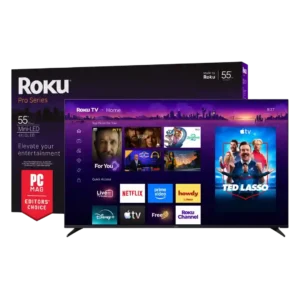
#2 Roku Pro Series (2025)
4.4

Best for bright Mini-LED picture, excellent built-in audio, easy Roku navigation, and responsive 4K/120 gaming. Skip it if you want ad-free menus, premium motion consistency, or stronger confidence in long-term...

Pros: overall satisfaction, picture quality

Cons: reliability, portability and versatility

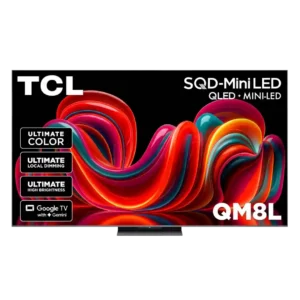
#3 TCL QM8L
4.4

Choose the QM8L for a big, brilliantly bright TV with vivid HDR, deep mini-LED blacks, low input lag, and four HDMI 2.1 ports. Skip it if you need OLED-clean motion,...

Pros: picture quality, value for money

Cons: stand quality, judder handling

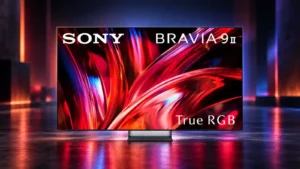
#5 Sony Bravia 9 II
4.3

Best for exceptional bright-room HDR, accurate color, strong processing and unusually capable built-in sound. Skip it if you prioritize OLED-perfect blacks, four HDMI 2.1 ports, high-refresh PC gaming or maximum...

Pros: overall satisfaction, overall image accuracy

Cons: value for money, bass performance