Compare LG G6 vs Sony BRAVIA 3 II

LG G6

LG G6

Overall score 4.4 / 5

Based on 26 scored reviews

vs
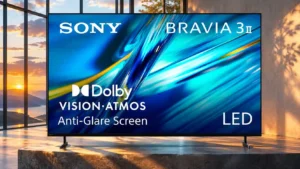
Sony BRAVIA 3 II

Sony BRAVIA 3 II

Overall score 3.8 / 5

Based on 14 scored reviews

How we score

Scorata scores summarize analyzed review evidence on a 1–5 scale; they are not laboratory measurements or a simple average of customer star ratings. Feature scores summarize the reviews covering that feature. The overall score averages feature scores within each review, then combines review averages. When both expert and customer evidence are available, those two groups receive equal weight. Products can have different review coverage, so small score gaps do not establish a winner.

Recommendations prioritize important features for the category, with a score of at least 3.5, a gap of at least 0.25 points and at least two supporting reviews per product. Features with widely varying scores or broad connectivity contexts are excluded from recommendations. These safeguards do not establish statistical significance.

Quick verdict

What each product is best for

The review evidence points to a tradeoff: motion handling and dark-room performance versus dialogue clarity. Choose according to which strengths matter more to you; the overall score alone does not settle that choice.

Choose LG G6 for motion handling and dark-room performance.

Choose Sony BRAVIA 3 II for dialogue clarity.

Why these recommendations?

LG G6

Where It Has the Edge

  • motion handling is 4.7 vs 4.4. Fast sports and movie movement is generally excellent. Default processing can look heavy-handed, but better-tuned modes restore natural...
  • dark-room performance is 5.0 vs 1.3. Inky blacks, precise highlights, and cinematic depth make the G6 superb for lights-off movie viewing.
  • local dimming performance is 5.0 vs 1.8. Per-pixel OLED dimming precisely separates stars and highlights from black backgrounds without blooming.

Sony BRAVIA 3 II

Where It Has the Edge

  • dialogue clarity is 4.5 vs 4.2. Voices remain intelligible through action sequences and at moderate TV volumes. This is a more consistent strength than...
LG G6 4.4 overall score
Sony BRAVIA 3 II 3.8 overall score

Compare features

Scores are out of 5. Missing scores mean missing review evidence, not a missing feature.

Scored on both products

Performance

Picture quality
LG G6
4.8

Across movies, sports, games, SDR, and HDR, the G6 delivers a brilliant, cinematic image with deep blacks, rich color, and strong detail. Most criticism centers on firmware-specific flaws rather than the core panel.

Sony BRAVIA 3 II
4.3

Natural color and fine-detail processing make ordinary shows and daytime films pleasing to watch. More critical assessments find washed-out blacks and insufficient highlight punch on the 65-inch IPS model.

Dark-room performance
LG G6
5.0

Inky blacks, precise highlights, and cinematic depth make the G6 superb for lights-off movie viewing.

Sony BRAVIA 3 II
1.3

The absence of local dimming makes black-heavy scenes much less immersive, especially on the 65-inch IPS model. Even enthusiastic owners often see a higher-tier backlight as preferable for nighttime films.

Local dimming performance
LG G6
5.0

Per-pixel OLED dimming precisely separates stars and highlights from black backgrounds without blooming.

Sony BRAVIA 3 II
1.8

Without independently controlled dimming zones, bright details and dark backgrounds cannot be optimized separately. This puts cinematic HDR and night viewing at a disadvantage against locally dimmed sets.

Contrast ratio
LG G6
4.9

Perfect OLED blacks beside intense highlights create exceptional depth and punch. This remains a standout advantage in both dark and bright rooms.

Sony BRAVIA 3 II
2.5

The lack of local dimming leaves dark scenes flatter than on many Mini LED rivals. Some users find the contrast acceptable with room lights on, especially on regional VA-panel versions.

HDR brightness
LG G6
4.5

Small highlights are intensely bright and full-screen HDR output is substantially stronger than before. Some firmware versions undertracked real scenes despite excellent test-pattern results.

Sony BRAVIA 3 II
2.6

Moderately lit HDR scenes can look lively, but the measured output lacks the headroom to make tiny specular highlights sparkle. Opinions are more positive when judging against basic LCD sets.

Sustained brightness
LG G6
4.7

Full-screen HDR brightness around the mid-400-nit range is a meaningful OLED upgrade, improving sports, bright scenes, and room-light performance.

Sony BRAVIA 3 II
3.0

The backlight maintains adequate output in ordinary and moderately bright scenes rather than delivering dramatic localized highlights.

Bass performance
LG G6
3.9

AI Sound Pro adds noticeably more bass punch and warmth than the G5. The low end can still turn soft, tubby, or underpowered in demanding movie soundtracks.

Sony BRAVIA 3 II
2.4

Deep bass is consistently the weak link, with limited rumble in explosions, film scores and bass-heavy music. Speech and lighter material fare better.

Peak brightness
LG G6
4.9

The G6 reaches exceptional OLED peaks, often around 2500–3100 nits and higher in tiny highlights. Measurements vary by mode and firmware, but brightness is a major strength.

Sony BRAVIA 3 II
3.5

SDR output handles ordinary room lighting adequately and improves on the earlier generation. It is not powerful enough to compete with brighter Mini LED sets.

HDR performance
LG G6
4.7

The combination of bright highlights, deep blacks, broad color, and fine detail creates spectacular HDR. Firmware and Dolby Vision inconsistencies prevent completely uniform results.

Sony BRAVIA 3 II
3.4

Some users enjoy the natural color and refined details in Dolby Vision films. Others find HDR underwhelming because poor native contrast and limited peak output flatten highlights.

Soundstage
LG G6
3.8

Audio can spread beyond the screen with decent directionality, yet it often remains contained and lacks the scale of stronger built-in systems.

Sony BRAVIA 3 II
4.5

The speakers can project a surprisingly broad and lively sound for their size, though the presentation remains limited by a two-channel TV layout.

Daytime viewing performance
LG G6
4.9

High full-screen brightness and excellent anti-reflection treatment make this one of the strongest OLEDs for bright living rooms without sacrificing deep blacks.

Sony BRAVIA 3 II
4.5

Ordinary programs look bright, clear and colorful with the lights on, especially on versions with a matte screen. It is less forgiving when a bright window reflects directly in a glossy model.

Overall image accuracy
LG G6
4.3

Filmmaker Mode can look natural and reference-like, especially after firmware fixes. Sample-to-sample tint and changing HDR tracking caused some inconsistent early results.

Sony BRAVIA 3 II
4.0

Factory SDR colors are particularly well tuned, and HDR color mapping is mostly good despite some midtone and luminance errors.

White balance accuracy
LG G6
3.8

Most modes are well balanced after proper setup, but some samples show green, pink, or warm magenta tint, especially off-axis or in selected scenes.

Sony BRAVIA 3 II
4.0

Factory white balance is good, if slightly warm with a touch of excess red in several shades. HDR color temperature is even closer to target.

Sound quality
LG G6
3.3

Built-in sound is fuller and bassier than the G5 and adequate for everyday TV, but it falls well short of the picture quality and usually deserves a soundbar.

Sony BRAVIA 3 II
3.6

The built-in speakers emphasize crisp voices and can sound fuller than expected. They still lack the deep bass and cinematic scale of an external sound system.

Gaming performance
LG G6
4.8

Fast response, extremely low input lag, four full-bandwidth HDMI ports, and rich HDR make the G6 an elite gaming TV across consoles and PCs.

Sony BRAVIA 3 II
5.0

Fast Game Mode response and four high-bandwidth ports are major strengths. Lab testing nevertheless finds more blur at 60Hz than the smooth 120Hz experience suggests.

Color accuracy
LG G6
4.5

Color is usually natural, vivid, and highly accurate out of the box, particularly in Filmmaker Mode. Some samples showed green tint, warm magenta, or firmware-related saturation errors.

Sony BRAVIA 3 II
4.6

Natural skin tones and restrained saturation are recurring strengths, with strong SDR accuracy even before calibration. Some settings deliberately trade precision for brighter, punchier colors.

Noise reduction
LG G6
4.6

Dithering and dark-scene noise are greatly reduced, and DVD grain is usually preserved. Compressed HDR can still reveal flicker or temporal noise.

Sony BRAVIA 3 II
4.6

Compression blocks and digital noise are cleaned up while preserving a surprisingly crisp image. Very fine source detail may occasionally soften in the process.

Other features

Motion handling
LG G6
4.7

Fast sports and movie movement is generally excellent. Default processing can look heavy-handed, but better-tuned modes restore natural motion.

Sony BRAVIA 3 II
4.4

The 120Hz panel and Sony’s processing earn strong praise for sports and smooth camera movement. Lab testing is more cautious about blur at 60Hz, where transitions can look smeary.

Input lag
LG G6
5.0

Measured latency is consistently extremely low, often below one frame and dropping further at 120Hz or 165Hz.

Sony BRAVIA 3 II
4.8

Game Mode is impressively responsive, even in timing-heavy PlayStation games. Lag rises substantially outside Game Mode, making external navigation feel sluggish.

Account requirements
LG G6
1.3

Streaming apps being locked behind an LG account is one of webOS 26’s most disliked changes, with added concern over required data consent.

Sony BRAVIA 3 II
4.0

Google sign-in is optional for basic TV use, which also removes home-screen advertising. Giving up the account means losing most of the smart features.

Stand width
LG G6
5.0

A skinny, flat base leaves room for a soundbar without dominating the furniture.

Sony BRAVIA 3 II
2.4

The two legs sit far apart and cannot be moved toward the center, so larger versions demand a wide media stand.

Black levels
LG G6
4.9

Blacks are consistently deep, rich, and precise, even with room lights on. A few tests found mild black crush in the darkest HDR scenes.

Sony BRAVIA 3 II
2.4

The 65-inch IPS set struggles to deliver convincing blacks in dark rooms, where shadowy scenes can appear gray. Some other sizes or reviewers report better results, but panel differences make generalizations risky.

Wall-mount compatibility
LG G6
4.9

The flat Gallery chassis and included zero-gap or slim mounts create an especially clean, picture-like wall installation.

Sony BRAVIA 3 II
2.5

VESA mounting is supported, but downward and rear-facing inputs are awkward to access after installation. Connect eARC and other essential cables first.

Distortion control
LG G6
2.5

Pushing the volume introduces slight distortion, and action scenes can sound sluggish rather than clean and forceful.

Sony BRAVIA 3 II
4.3

Moderate and fairly loud playback stays clean without much audible breakup. The low-end extension remains limited despite that clarity.

High-refresh-rate gaming
LG G6
4.8

PC gaming reaches up to 165Hz, while consoles are exceptionally well served at 120Hz. The maximum 165Hz mode can trade some gradation and chroma quality for speed.

Sony BRAVIA 3 II
3.0

The native 120Hz refresh delivers fluid play on current consoles. PC users seeking 144Hz, 165Hz or faster must look elsewhere.

Response time
LG G6
5.0

OLED pixel response is nearly instantaneous, producing crisp motion and exceptionally responsive gaming.

Sony BRAVIA 3 II
3.3

120Hz motion is usable but shows some pixel-transition overshoot; at 60Hz motion is substantially blurrier. Other evaluations of gaming response are more upbeat.

Remote control quality
LG G6
2.8

The Magic Remote’s pointer can be genuinely useful, but many versions feel light, plasticky, and unworthy of an expensive flagship.

Sony BRAVIA 3 II
4.2

The recycled-plastic remote is generally comfortable, tactile and useful. Some users would prefer a smaller body or larger setting buttons.

Gradient handling
LG G6
4.9

Complex color transitions are exceptionally smooth and among the best seen on OLED. Only heavily compressed or Dolby Vision material occasionally reveals residual issues.

Sony BRAVIA 3 II
3.5

Color transitions look generally smooth, with a little banding in difficult gradients rather than major posterization.

Banding control
LG G6
4.8

The new processing pipeline produces exceptionally smooth HDR10 gradients and greatly reduces the G5’s banding. Very dark compressed material and some Dolby Vision scenes can still expose artifacts.

Sony BRAVIA 3 II
3.5

Most gradients stay reasonably smooth, though mild visible banding prevents a truly spotless result.

Reflection handling
LG G6
4.8

Reflections are greatly reduced without using a matte finish, so the screen keeps glossy depth and strong black retention. A faint magenta tint can appear in reflected light.

Sony BRAVIA 3 II
3.7

The 65- and 75-inch matte screens control direct reflections well, making them appealing in bright spaces. Glossy sizes are more vulnerable to windows or lamps facing the screen.

Motion clarity
LG G6
4.9

Sports and games look smooth, responsive, and largely free of ghosting or obvious artifacts.

Sony BRAVIA 3 II
3.8

Many sports and gaming sequences look strikingly smooth, but instrumented tests describe pronounced 60Hz smearing and slower dark transitions.

Blooming control
LG G6
5.0

Per-pixel OLED lighting eliminates the halos and bloom associated with backlit TVs, preserving clean high-contrast edges.

Sony BRAVIA 3 II
4.0

The absence of local dimming avoids the usual isolated halos around subtitles and highlights. The compromise is an elevated glow across larger dark areas rather than genuinely deep blacks.

Search quality
LG G6
3.0

AI Search can be convenient for simple requests, but broader queries may return slow, inaccurate, or irrelevant results.

Sony BRAVIA 3 II
4.0

Gemini voice search can help locate content in conversational language without digging through several app menus.

Screen uniformity
LG G6
4.8

Uniformity is very good overall, with clean gray fields and strong sports performance. One sample showed minor edge tint and faint dark vertical streaks.

Sony BRAVIA 3 II
3.8

The center stays relatively clean with minimal dirty-screen patches and no obvious near-black banding. Some edge darkening and clouding remain.

Image processing
LG G6
3.9

The Alpha 11 Gen 3 processor improves gradation, clarity, and detail, but low-quality sources can trigger ringing or aggressive smoothing that erases fine texture.

Sony BRAVIA 3 II
4.8

Sony’s XR processing is a consistent highlight, making mixed-quality content look more refined without obvious artificial sharpening. Its improvements cannot fully overcome the native backlight limitations.

Calibration options
LG G6
4.2

Filmmaker Mode and Calman support can deliver reference-grade accuracy with extensive adjustment. One firmware version’s broken HDR color controls created a notable exception.

Sony BRAVIA 3 II
3.4

Color is already accurate in the preferred presets and can be refined further, with Calman support available. Missing granular color-management controls limit a full professional adjustment.

Low-resolution content handling
LG G6
3.9

Good DVDs and HD sources can look crisp and detailed, but heavily compressed broadcasts expose ringing, artifacts, and inconsistent processing.

Sony BRAVIA 3 II
4.6

DVDs, 720p video and compressed streams are cleaned up well without heavy sharpening halos. Very low-resolution 480p images still have unavoidable softness.

Variable refresh rate
LG G6
5.0

FreeSync, G-Sync, and HDMI VRR work smoothly up to very high frame rates, with only the usual OLED flicker possible in some static game scenes.

Sony BRAVIA 3 II
4.3

VRR helps match the screen to changing console and PC frame rates, reducing tears without sacrificing 120Hz input support.

Gaming mode quality
LG G6
3.8

Game Optimizer is feature-rich and responsive, but firmware-dependent HGiG, color, and high-refresh accuracy issues keep it from being flawless.

Sony BRAVIA 3 II
4.5

PlayStation-oriented tuning produces a polished image and automatically selects low-latency settings. Custom picture controls are more limited than on higher-end Sony sets.

Content recommendations
LG G6
3.3

AI Concierge can surface useful suggestions, but several tests found the recommendations too limited or unremarkable to become a regular feature.

Sony BRAVIA 3 II
4.0

The Google TV home screen offers reasonably useful suggestions alongside its familiar app and show navigation.

Auto low-latency mode
LG G6
5.0

ALLM is part of the G6’s complete gaming toolkit and helps consoles switch into responsive play automatically.

Sony BRAVIA 3 II
4.4

The TV can switch into low-latency play automatically when a compatible console starts. That removes the need to hunt through menus before gaming.

Remote layout
LG G6
3.2

The revised layout is cleaner for some users, yet missing backlighting, charging, and a straightforward source button keeps it from feeling fully premium.

Sony BRAVIA 3 II
3.8

Useful app shortcuts and a customizable button speed common tasks. A few important controls could be larger and easier to distinguish.

Glare resistance
LG G6
4.8

The glossy anti-reflection coating suppresses glare extremely well while preserving image depth, contrast, and saturated color.

Sony BRAVIA 3 II
4.3

Direct reflections are well controlled on the matte 65- and 75-inch versions. Glossy sizes show brighter mirror-like reflections, so placement matters.

Color volume
LG G6
4.9

Rich, bright color is one of the G6’s defining strengths, with bold highlights retaining impressive saturation and realism.

Sony BRAVIA 3 II
4.4

Bright animated scenes and vivid daylight colors look lively, but dark saturated colors and extreme HDR highlights are harder for this panel to reproduce.

Gaming dashboard
LG G6
4.8

Game Optimizer provides quick, customizable access to frame rate, VRR status, genre presets, black level, HGiG, and latency controls.

Sony BRAVIA 3 II
4.3

A dedicated on-screen game menu groups VRR, black equalizer, crosshair and motion controls in one convenient place.

Accessibility features
LG G6
5.0

Accessibility options are extensive and easy to reach, while eye-care features can reduce fatigue during long viewing sessions.

Sony BRAVIA 3 II
4.5

The remote’s raised, tactile buttons can be located without looking, helping make the TV easier to navigate for people with limited vision.

Color gamut
LG G6
4.7

The panel covers virtually all DCI-P3 and a strong portion of Rec.2020, producing broad HDR color. A few comparisons found slightly less high-brightness coverage than rival QD-OLEDs.

Sony BRAVIA 3 II
4.2

The DCI-P3 and SDR coverage are impressive for a direct-lit set, giving images pleasing variety. More demanding BT.2020 colors, especially rich blues and greens, are less complete.

Dirty screen effect
LG G6
5.0

The tested panel showed no visible dirty-screen effect on full-field gray slides.

Sony BRAVIA 3 II
4.5

Uniform areas are relatively clean, with little obvious blotching or vertical banding in the screen tests. Slight edge darkening remains visible on some patterns.

Energy efficiency
LG G6
4.5

The second-generation tandem panel improves efficiency while also increasing brightness and color performance.

Sony BRAVIA 3 II
4.0

The Eco Dashboard offers easy access to consumption controls, though higher-performance settings trade reduced automatic dimming for greater electricity use.

G-SYNC compatibility
LG G6
5.0

Nvidia G-Sync compatibility combines with high refresh rates and low latency for excellent PC gaming.

Sony BRAVIA 3 II
4.5

G-SYNC Compatible operation is a useful addition for gaming PCs, complementing the set’s native 120Hz panel and low Game Mode input lag.

PC text clarity
LG G6
5.0

The RGWB subpixel arrangement makes desktop text noticeably clearer, with less fringing and blur than the G5.

Sony BRAVIA 3 II
4.5

Proper RGB and chroma 4:4:4 rendering keep Windows or PC interface text readable at both 1080p and 4K.

Screen mirroring
LG G6
5.0

Classic screen mirroring joins AirPlay and Chromecast for flexible wireless display sharing.

Sony BRAVIA 3 II
4.5

Sharing photos or videos to the TV is convenient once connected, though responsiveness can differ between static images and moving footage.

Stand stability
LG G6
5.0

The heavy metal pedestal is consistently described as reassuringly sturdy.

Sony BRAVIA 3 II
4.5

Metal-topped feet generally hold the panel securely and sit confidently on a wide cabinet.

Viewing angles
LG G6
4.4

Off-axis viewing is generally excellent, though extreme seats can reveal a green or pink shift on white objects.

Sony BRAVIA 3 II
4.0

The tested 65-inch IPS panel holds colors reasonably well for people sitting off-center, making group viewing practical. VA-panel sizes can shift more when watched from the side.

Stand quality
LG G6
3.7

The sturdy, height-adjustable pedestal works well with soundbars where included. Several wall-mount variants omit a stand entirely, creating extra cost for tabletop users.

Sony BRAVIA 3 II
3.3

Slim feet and a clean metallic look appeal to some reviewers, but the support positions are fixed and can be inconvenient.

Dialogue clarity
LG G6
4.2

Speech is generally clear, natural, and separated from background effects, though the warmer tuning can make some male voices sound slightly bass-heavy.

Sony BRAVIA 3 II
4.5

Voices remain intelligible through action sequences and at moderate TV volumes. This is a more consistent strength than music weight or bass impact.

Shadow detail
LG G6
4.3

Dark-scene texture is often excellent and preserved without raising blacks. A few firmware versions and challenging scenes showed mild crush or required a small Near Black adjustment.

Sony BRAVIA 3 II
4.0

Picture processing can preserve attractive texture in dark scenes, but the tested panel’s raised blacks make some subtle shadow gradations inaccurate.

Refresh rate
LG G6
5.0

The native 120Hz panel extends to 165Hz with compatible PCs, providing excellent flexibility for gaming.

Sony BRAVIA 3 II
4.8

The move to a native 120Hz panel is a substantial leap over the previous 60Hz model, especially for sports and consoles.

Judder handling
LG G6
4.5

Cinematic Movement controls panning judder effectively without strongly exaggerating the soap-opera effect, though some smoothing is needed.

Sony BRAVIA 3 II
4.3

Film cadence is handled cleanly without extra setup for most 24p sources. Some 25p material and selected 60p inputs need extra care or settings.

Upscaling quality
LG G6
4.6

DVD and HD material often gains crisp texture and careful detail, especially from cleaner sources. The weakest compressed broadcasts can still expose overprocessing.

Sony BRAVIA 3 II
4.5

Low-resolution broadcasts, older videos and DVDs come out surprisingly sharp and well controlled. This is one of the strongest reasons to choose the Sony over less expensive alternatives.

Motion interpolation
LG G6
3.8

Cinematic Movement can add useful smoothness without obvious artifacts, while stronger settings may hesitate or create an artificial look.

Sony BRAVIA 3 II
3.8

Sony’s motion smoothing can reduce cinematic stutter effectively at conservative settings. Pushing it harder may add artificial trails or compromise other frame rates.

Advertising intrusiveness
LG G6
2.1

Large banner ads occupy a substantial portion of the webOS home screen. Some promotions can be disabled, but the space cannot be removed entirely.

Sony BRAVIA 3 II
2.0

Google TV includes on-screen ads even when personalized advertising is disabled. Basic offline setup removes them at the cost of smart functions.

HDMI 2.1 port count
LG G6
5.0

All four HDMI ports support modern high-bandwidth gaming, avoiding the two-port limitation found on many rivals.

Sony BRAVIA 3 II
5.0

Four full-bandwidth HDMI 2.1 inputs stand out even against pricier Sony models. They make multiple modern consoles and a gaming PC much easier to keep connected.

Maximum volume
LG G6
3.5

AI Sound Pro can produce sufficient or improved loudness, yet other tests found the speakers too quiet until pushed near their upper range.

Sony BRAVIA 3 II
3.5

Some speakers are clear and ample for regular room listening, while lab testing found the maximum output unimpressive. Loudness depends on the volume and expectations involved.

Stutter handling
LG G6
3.5

Near-instant OLED response makes 24p stutter visible, especially on larger screens; light TruMotion can smooth it at the risk of some soap-opera effect.

Sony BRAVIA 3 II
3.5

Slow camera pans can show mild stutter; conservative interpolation reduces it without completely removing it.

Ownership and support

Reliability
LG G6
3.4

The hardware is widely regarded as excellent, but launch firmware varied across units and introduced inconsistent HDR, Dolby Vision, and processing behavior. Later updates fixed many of those problems.

Sony BRAVIA 3 II
3.5

Direct-lit LCD hardware carries a low projected burn-in risk and resists some aging-related panel problems. A single backlight failure could affect a large screen area.

DTS support
LG G6
1.4

DTS decoding and passthrough are completely absent, a recurring drawback for Blu-ray collections and external audio setups.

Sony BRAVIA 3 II
4.0

Broad DTS compatibility is useful for disc-based films and external audio gear, especially when paired with the full eARC passthrough.

Chromecast support
LG G6
5.0

Google Cast is built in and works as part of a versatile wireless streaming setup.

Sony BRAVIA 3 II
2.5

Chromecast functionality can work well once the TV is discoverable. One owner had to switch networks before Android or Mac devices could find it.

AirPlay support
LG G6
5.0

Apple AirPlay 2 works alongside Google Cast to make wireless sharing flexible across device ecosystems.

Sony BRAVIA 3 II
3.3

Apple mirroring can be seamless on a suitable connection, but another setup failed to discover the TV on the home network. Results can depend on network configuration.

Casting support
LG G6
5.0

Built-in Google Cast and AirPlay provide broad, convenient wireless sharing.

Sony BRAVIA 3 II
3.3

Chromecast and AirPlay make wireless sharing practical, but discovery failed on one home network even when ordinary Wi-Fi connectivity remained stable. A phone hotspot restored casting.

Tuner support
LG G6
3.8

Traditional TV functions include useful recording and time-shifting, but the US tuner remains ATSC 1.0 rather than the newer ATSC 3.0 standard.

Sony BRAVIA 3 II
2.0

The ATSC 1.0 tuner receives ordinary broadcasts but cannot handle the newer ATSC 3.0 4K over-the-air format.

Dolby Atmos support
LG G6
4.5

Dolby Atmos FlexConnect is a promising way to add wireless surround speakers and use the TV within a larger audio system.

Sony BRAVIA 3 II
4.0

Format compatibility helps the TV work with Atmos content and compatible external sound systems. The internal two-speaker setup does not deliver true room-filling surround on its own.

EARC support
LG G6
5.0

eARC is available for connecting a soundbar or receiver, though it cannot pass DTS.

Sony BRAVIA 3 II
4.5

The audio return channel passes high-quality formats to a soundbar or receiver, including lossless movie soundtracks. Its downward-facing port can be fiddly after wall mounting.

FreeSync support
LG G6
5.0

AMD FreeSync support is consistently praised as part of the G6’s complete adaptive-sync package.

Sony BRAVIA 3 II
4.5

FreeSync support joins HDMI Forum VRR to help keep fluctuating game frame rates free of visible tearing.

HDMI 2.1 support
LG G6
5.0

Full-bandwidth HDMI 2.1 across every input supports the G6’s comprehensive gaming feature set.

Sony BRAVIA 3 II
4.5

Every HDMI input carries the higher-bandwidth format needed for modern 4K/120Hz devices, a rare convenience in Sony’s lineup.

HDR10+ support
LG G6
2.2

HDR10+ remains unsupported, leaving Dolby Vision, HDR10, and HLG as the main formats.

Sony BRAVIA 3 II
1.8

There is no HDR10+ decoding, so compatible services fall back to standard HDR10. That omission matters more because the display has limited brightness headroom.

Value for money
LG G6
2.9

Performance is genuinely flagship-level, but launch pricing is difficult to justify while the discounted G5 and cheaper C6/C6H deliver much of the experience.

Sony BRAVIA 3 II
3.3

Plenty of reviewers like the Sony processing and four gaming-ready ports for the money, especially on sale. Others argue that cheaper Mini LED TVs or a closely priced BRAVIA 5 deliver better contrast.

Dolby Vision support
LG G6
3.9

Dolby Vision can look excellent and improved substantially after firmware updates, but early units showed serious near-black artifacts. Dolby Vision 2 is also absent.

Sony BRAVIA 3 II
4.3

Dolby Vision improves the balance of tone and detail for streaming movies and games, with bright and dark picture modes available. Physical brightness limits still hold back the most demanding highlights.

Setup ease
LG G6
4.3

Stand or wall-mount installation is generally straightforward, although one 5GHz Wi-Fi issue made initial software setup painfully slow.

Sony BRAVIA 3 II
4.5

Assembly and initial configuration are uncomplicated, with stands that slot into place and secure with screws. Large sizes still need assistance with lifting and positioning.

4K at 120 Hz support
LG G6
4.7

Console gaming is exceptionally well covered at 4K/120Hz, including Dolby Vision on compatible systems. Image fidelity is generally strongest at 120Hz rather than pushing the optional 165Hz mode.

Sony BRAVIA 3 II
4.9

Native 4K/120Hz support gives modern consoles smooth, responsive play on any of the four HDMI inputs. There is no higher-than-120Hz option for demanding PC players.

4K gaming support
LG G6
5.0

Four capable HDMI inputs and a broad gaming feature set make the G6 a first-rate 4K gaming display.

Sony BRAVIA 3 II
5.0

Modern consoles can deliver 4K gameplay at 120Hz with VRR and automatic low-latency switching. Smooth responsiveness is the standout benefit.

Controls and connectivity

Privacy controls
LG G6
1.5

Opening streaming apps can require consent to transmit data outside the European Economic Area, which privacy-conscious users may dislike.

Sony BRAVIA 3 II
4.0

A physical microphone switch allows hands-free listening to be disabled. Google setup can also avoid a sign-in, though most connected services are then unavailable.

Menu responsiveness
LG G6
4.8

webOS is usually intuitive and quick, especially with the pointer remote, though occasional settings-menu sluggishness remains.

Sony BRAVIA 3 II
4.0

Navigation is generally quick, and several users report smooth animation. A few occasional stutters and slower source changes keep it from being flawless.

Tone mapping
LG G6
2.8

Dynamic tone mapping can reveal shadows and add punch, but several tests found it overbrightened, washed out, or reduced highlight and color nuance. Accuracy is usually best with it disabled.

Sony BRAVIA 3 II
2.0

Bright HDR scenes can abruptly clip instead of preserving subtle gradations, while midtones remain more consistent.

App selection
LG G6
5.0

webOS offers an excellent app catalog covering major streaming services plus niche platforms such as Crunchyroll and Hidive.

Sony BRAVIA 3 II
4.3

Google TV supplies a wide app catalogue, including major streaming services. Access and navigation are uncomplicated, making it well suited to routine streaming.

Voice assistant support
LG G6
4.8

Voice control and AI search offer broad device and content commands, and some consider LG’s assistant among the best for TV control.

Sony BRAVIA 3 II
4.3

Hands-free commands and Google/Gemini tools make playback and search convenient, with a hardware microphone switch for opting out.

Smart TV platform
LG G6
4.8

webOS 26 remains a fast, customizable, app-rich platform with useful Quick Cards and settings. Ads, account requirements, and uneven AI features are its main drawbacks.

Sony BRAVIA 3 II
4.3

Google TV is generally organized, fast and stocked with popular apps and voice features. Home-screen advertising and occasional software hiccups are the main downsides.

Smart home integration
LG G6
4.8

Matter support and compatibility with Thread, Zigbee, Homey, and connected devices make the G6 a capable smart-home hub.

Sony BRAVIA 3 II
4.5

AirPlay, HomeKit and voice commands add convenient control from phones and compatible home devices, including power and volume.

Operating system speed
LG G6
4.3

webOS feels swift and snappy in most use, with only occasional hesitation in deeper settings.

Sony BRAVIA 3 II
4.5

The MediaTek-powered Google TV interface feels quick and responsive in normal use. Startup and occasional heavy-use stutters are less polished.

Wi-Fi performance
LG G6
2.8

Wireless results vary by region and unit: Wi-Fi 6E is welcome where included, while Wi-Fi 5 and a reported 5GHz setup failure feel like regressions.

Sony BRAVIA 3 II
3.0

Normal network speeds can remain solid even if casting devices cannot discover the TV. Switching to a mobile hotspot resolved the one reported problem.

Comfort and build

Bezel size
LG G6
5.0

The almost borderless screen creates a clean, floating-picture effect that suits the Gallery design.

Sony BRAVIA 3 II
4.1

Some sizes and reviewers find the bezels pleasingly thin and unobtrusive, while the tested 65-inch unit has a thicker, dated-looking bottom edge.

Design and appearance
LG G6
4.9

The slim, understated Gallery design looks premium and especially elegant when flush-mounted. Its familiar appearance has changed little, which some consider overdue for a refresh.

Sony BRAVIA 3 II
4.1

The clean front and slim trim win admirers, though the heavy plastic rear and fixed wide feet strike others as old-fashioned. Appearance varies somewhat by size and region.

Build quality
LG G6
5.0

The metal frame and substantial construction feel reassuringly sturdy and appropriately premium.

Sony BRAVIA 3 II
4.3

The chassis and stand feel sturdy in some size variants, and several owners describe a premium finish. Others think the plastic back and construction are merely adequate.

Size options
LG G6
4.5

The tandem panel reaches up to 83 inches, giving big-screen buyers access to the flagship picture technology.

Sony BRAVIA 3 II
4.5

Screen sizes from 43 to 100 inches cover small rooms through giant living-room installations. Coating and panel variations make size selection more consequential than usual.

Evidence available for one product

Other features

Ease of use
LG G6No score yet
Sony BRAVIA 3 II
4.8

Simple Google TV navigation and accessible quick settings keep daily operation straightforward. Advanced HDMI input formats may still require manual configuration.

1440p input compatibility
LG G6No score yet
Sony BRAVIA 3 II
2.0

PlayStation checks found 1440p unsupported despite excellent 4K/120Hz operation. Players who specifically need that resolution should check their setup.

AI scene optimization
LG G6No score yet
Sony BRAVIA 3 II
4.0

The XR processor adjusts images based on the objects in a scene, and the resulting color enhancement is regarded as impressive rather than gimmicky.

Backlight strobing
LG G6No score yet
Sony BRAVIA 3 II
2.5

Optional strobing can reduce persistence blur, but its 120Hz flicker produces distracting duplicated images with 60fps footage.

Black uniformity
LG G6No score yet
Sony BRAVIA 3 II
3.0

The tested matte 65-inch IPS panel shows substantial clouding and uneven blacks. A separate VA variant was described much more favorably, emphasizing the importance of screen size.

Burn-in resistance
LG G6No score yet
Sony BRAVIA 3 II
5.0

The direct-lit LCD construction carries very low risk of permanent image retention, reassuring viewers who leave static graphics on-screen.

Cable management
LG G6
3.7

Rear channels and clips can keep wiring tidy, but the permanently attached power cord and cable-length requirements complicate concealed installations.

Sony BRAVIA 3 IINo score yet
Flicker control
LG G6No score yet
Sony BRAVIA 3 II
5.0

The standard DC-dimmed backlight is flicker-free, a welcome trait for viewers sensitive to ordinary PWM flicker.

Free streaming channels
LG G6No score yet
Sony BRAVIA 3 II
4.0

Google TV Freeplay adds readily accessible channels without a separate antenna, a useful bonus when the TV is online.

Game Mode interpolation
LG G6No score yet
Sony BRAVIA 3 II
2.0

There is no low-latency motion interpolation option, which is disappointing for players who want smoother retro games without added lag.

HDMI enhanced signal configuration
LG G6No score yet
Sony BRAVIA 3 II
2.3

Four advanced-capable HDMI ports are useful, but enhanced input formats may need to be selected individually before a console can display 4K at 120Hz.

HDMI port accessibility
LG G6No score yet
Sony BRAVIA 3 II
2.0

Some rear inputs face downward and are awkward to reach after mounting, especially the eARC connection. Plugging in essential cables before hanging the set saves frustration.

HDMI port count
LG G6
5.0

Four capable HDMI inputs provide ample room for consoles, PCs, and external media devices.

Sony BRAVIA 3 IINo score yet
HDR highlight detail
LG G6No score yet
Sony BRAVIA 3 II
3.0

Sony’s processing can make bright objects appear clear, but genuinely small HDR highlights are too dim on the tested 65-inch panel.

Image realism and naturalness
LG G6No score yet
Sony BRAVIA 3 II
5.0

Skin tones, greens and blues retain a believable balance without the artificial saturation common to more aggressive picture presets.

Included accessories
LG G6No score yet
Sony BRAVIA 3 II
3.5

Accessory policies differ by market: some installations provide a stand or mount during setup without extra charge, while another unit did not include either in the box.

Large-screen immersion
LG G6No score yet
Sony BRAVIA 3 II
4.5

The 100-inch option creates a particularly impressive, enveloping image at an unusually accessible price for a Sony with XR processing.

Local dimming zone transitions
LG G6No score yet
Sony BRAVIA 3 II
4.0

Without individually driven zones, the picture does not show zone pumping or flashing around moving highlights. The entire frame brightens together instead.

Motion artifacts
LG G6No score yet
Sony BRAVIA 3 II
2.5

Fast transitions can show inverse ghosting and minor overshoot, even when most 120Hz motion looks clear. These issues are more apparent at 60Hz.

Off-axis color shift
LG G6No score yet
Sony BRAVIA 3 II
2.5

One regional screen showed a slight pink shift in a warm-toned game scene when viewed from the side, so important color work is better done head-on.

Overall satisfaction
LG G6No score yet
Sony BRAVIA 3 II
4.0

The BRAVIA 3 II wins praise for polished everyday viewing and full-featured gaming, but opinions diverge sharply on whether its plain backlight justifies Sony’s price. Dark-room performance is the recurring sticking point.

Panel type
LG G6
5.0

The four-stack tandem OLED panel combines premium blacks, high brightness, and richly realistic color.

Sony BRAVIA 3 IINo score yet
PlayStation Remote Play functionality
LG G6No score yet
Sony BRAVIA 3 II
4.5

The built-in app lets owners stream gameplay from a PS5 located in another room or another home. It is a convenient addition for households that share a console.

Power-on readiness
LG G6No score yet
Sony BRAVIA 3 II
2.0

A cold start can take a couple of minutes before full functionality returns, despite reasonably responsive operation afterward.

Remote control usability
LG G6No score yet
Sony BRAVIA 3 II
4.8

Raised controls help with eyes-free operation, and the familiar layout is easy to learn. Small or closely spaced buttons can cause accidental presses.

Remote finder
LG G6No score yet
Sony BRAVIA 3 II
4.7

The remote can emit a sound after a command from the TV, turning a misplaced remote into a quick search rather than an inconvenience. It is especially welcome as a small everyday convenience.

Remote responsiveness
LG G6
4.2

Pointer controls, the scroll wheel, and navigation pad make webOS fast to operate, although some buttons require excessive pressure.

Sony BRAVIA 3 IINo score yet
Retail availability
LG G6No score yet
Sony BRAVIA 3 II
1.5

The TV launched in several markets, but UK shoppers were specifically warned that there was no confirmed local release.

Storage capacity
LG G6No score yet
Sony BRAVIA 3 II
3.0

There is enough room for mainstream streaming apps, but estimates around 15–18GB usable space can feel restrictive for large app collections.

USB port count
LG G6
2.0

There are three USB ports, but limiting all of them to slow USB 2.0 is disappointing on a flagship.

Sony BRAVIA 3 IINo score yet
VRR range
LG G6
4.5

VRR remains smooth and tear-free up to 4K HDR 165Hz, giving PCs a very wide operating range.

Sony BRAVIA 3 IINo score yet

Ownership and support

4K at 144 Hz support
LG G6
5.0

HDR gaming can run at 4K/144Hz on compatible hardware, giving high-end PC players plenty of headroom.

Sony BRAVIA 3 IINo score yet
Cloud gaming support
LG G6
4.8

GeForce Now can reach 4K/120Hz, and the portal includes several major cloud services. Low-latency controller support makes the feature unusually capable for a TV.

Sony BRAVIA 3 IINo score yet
HDR format support
LG G6No score yet
Sony BRAVIA 3 II
4.5

Dolby Vision, HDR10 and HLG give good access to mainstream streaming formats. HDR10+ remains absent, even for services that offer it.

Large-screen value
LG G6No score yet
Sony BRAVIA 3 II
5.0

The 100-inch version offers a huge 120Hz Sony screen with XR processing for unusually accessible money, even though its black levels trail premium alternatives.

Warranty
LG G6
4.8

A five-year panel warranty on G6 models adds valuable protection beyond LG’s standard one-year coverage.

Sony BRAVIA 3 IINo score yet

Controls and connectivity

App performance
LG G6
4.5

The ThinQ app works well as a quick remote, and external streaming devices perform smoothly with the TV.

Sony BRAVIA 3 IINo score yet
Bluetooth audio support
LG G6No score yet
Sony BRAVIA 3 II
4.5

Wireless headphone listening is available, including a reported simultaneous speaker-and-headphone mode with separate volume adjustment.

Bluetooth connectivity
LG G6
4.5

Ultra-low-latency Bluetooth controller support strengthens the G6’s cloud-gaming credentials.

Sony BRAVIA 3 IINo score yet

Review contexts may differ, so use caution when interpreting the score gap.

HDR tone mapping accuracy
LG G6No score yet
Sony BRAVIA 3 II
2.0

Near-black details appear raised and bright scenes can clip sharply at the panel’s peak output, reducing the intended HDR gradation.

Picture settings menu flexibility
LG G6No score yet
Sony BRAVIA 3 II
3.0

Core adjustments remain useful, but higher-end Sony models offer more complete picture controls, including local-dimming and tone-mapping options.

Software updates
LG G6
4.0

Firmware has already corrected major HDR and Dolby Vision problems, and LG promises years of webOS updates. The messy launch showed how dependent performance can be on software version.

Sony BRAVIA 3 IINo score yet
Streaming app support
LG G6
5.0

Major and niche streaming services are widely available and work correctly once the required LG account is active.

Sony BRAVIA 3 IINo score yet
Voice control accuracy
LG G6
2.3

Voice ID and queries have potential, but slow responses, limited language support, and inconsistent usefulness weaken the experience.

Sony BRAVIA 3 IINo score yet

Performance

Audio/video sync
LG G6No score yet
Sony BRAVIA 3 II
1.5

Gaming audio delay has been reported through both internal speakers and a soundbar, while controller-connected headphones avoided it. This is an isolated but potentially important complaint.

Audio passthrough
LG G6
1.5

DTS passthrough over eARC is missing, forcing disc users to route compatible players directly through an external audio system.

Sony BRAVIA 3 IINo score yet
Audio settings
LG G6No score yet
Sony BRAVIA 3 II
2.5

An equalizer provides room for customization, but one assessment found the default tuning unpleasant enough to require several adjustments.

Automatic brightness adjustment
LG G6No score yet
Sony BRAVIA 3 II
4.0

Ambient-light sensing can keep the image comfortable when room lighting changes. Manual brightness control is available by choosing a different energy setting.

Display technology
LG G6
5.0

The tandem OLED implementation delivers the cinematic blacks, depth, and color that make OLED especially compelling for movies.

Sony BRAVIA 3 IINo score yet
On-screen game visibility tools
LG G6No score yet
Sony BRAVIA 3 II
4.4

Black Equalizer, crosshair overlays and related controls are practical additions for fast gameplay and shadow-heavy games.

Picture detail
LG G6No score yet
Sony BRAVIA 3 II
4.4

The XR processor makes textures, faces and object edges impressively distinct. Compressed material can lose a little fine detail during cleanup.

Picture mode tuning
LG G6No score yet
Sony BRAVIA 3 II
4.2

Cinema and Professional favor natural images, while Standard and Vivid add punch for animation or sports. Selecting a preset is worthwhile because brightness and color differ noticeably.

SDR picture performance
LG G6No score yet
Sony BRAVIA 3 II
4.7

News, broadcast sports and brightly colored animation look lively yet largely natural. Good out-of-box tuning and image cleanup make routine viewing a standout.

Sony Pictures Core streaming
LG G6No score yet
Sony BRAVIA 3 II
4.5

Sony’s dedicated app offers high-bitrate streams and IMAX-enhanced titles; free credits add appeal, while some content needs rentals or purchases.

Surround sound virtualization
LG G6No score yet
Sony BRAVIA 3 II
4.0

Virtual surround gives the built-in speakers a greater sense of spread than basic stereo, but it is not a substitute for separate surrounds.

Comfort and build

Inconsistent panel and coating by size
LG G6No score yet
Sony BRAVIA 3 II
2.5

The 65-inch version uses a matte IPS panel, while the confirmed 50-inch VA version is glossy. These changes alter contrast, off-axis performance and glare, so conclusions from one size may not transfer perfectly.

Other Top TVs to Consider

#1 Samsung S90H
4.5

Choose the S90H for bright-room OLED viewing, deep blacks and top-tier gaming without flagship pricing. Skip it if you want Dolby Vision, a glossy screen or the simplest smart-TV software.

Pros: glare resistance, black levels

Cons: Dolby Vision support, color gamut

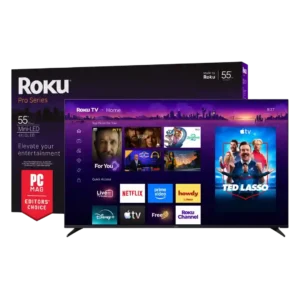
#2 Roku Pro Series (2025)
4.4

Best for bright Mini-LED picture, excellent built-in audio, easy Roku navigation, and responsive 4K/120 gaming. Skip it if you want ad-free menus, premium motion consistency, or stronger confidence in long-term...

Pros: overall satisfaction, picture quality

Cons: reliability, portability and versatility

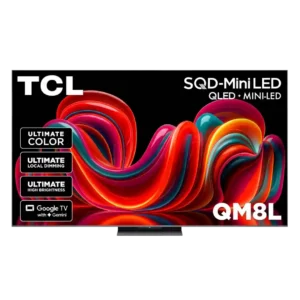
#3 TCL QM8L
4.4

Choose the QM8L for a big, brilliantly bright TV with vivid HDR, deep mini-LED blacks, low input lag, and four HDMI 2.1 ports. Skip it if you need OLED-clean motion,...

Pros: picture quality, value for money

Cons: stand quality, judder handling

#5 Sony Bravia 9 II
4.3

Best for exceptional bright-room HDR, accurate color, strong processing and unusually capable built-in sound. Skip it if you prioritize OLED-perfect blacks, four HDMI 2.1 ports, high-refresh PC gaming or maximum...

Pros: overall satisfaction, overall image accuracy

Cons: value for money, bass performance