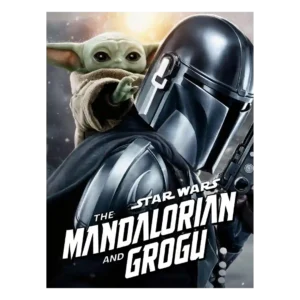
Star Wars: The Mandalorian and Grogu
Where It Has the Edge
No clear scored advantage over the other product.

Scorata scores summarize analyzed review evidence on a 1–5 scale; they are not laboratory measurements or a simple average of customer star ratings. Feature scores summarize the reviews covering that feature. The overall score averages feature scores within each review, then combines review averages. When both expert and customer evidence are available, those two groups receive equal weight. Products can have different review coverage, so small score gaps do not establish a winner.
Recommendations prioritize important features for the category, with a score of at least 3.5, a gap of at least 0.25 points and at least two supporting reviews per product. Features with widely varying scores or broad connectivity contexts are excluded from recommendations. These safeguards do not establish statistical significance.
Quick verdict
The available evidence supports the recommendation below, but does not establish an overall winner. Check the remaining features against your priorities.
There is not enough comparable review evidence to recommend Star Wars: The Mandalorian and Grogu over the other product.
Choose Heart of the Beast for runtime and cinematography.
No clear scored advantage over the other product.
Scores are out of 5. Missing scores mean missing review evidence, not a missing feature.
The drama rarely develops meaningful jeopardy, conflict, or consequence. Even potentially powerful ideas about mortality, family, and inherited identity are usually kept on the surface.
The shared trauma and survival ordeal give the drama emotional force beyond its simple premise.
At roughly two hours and twelve minutes, the movie is widely considered too long for its simple mission plot. Repeated action and a slow middle make the length more noticeable.
The compact length keeps the journey moving for viewers who value a focused story.
The IMAX framing gives several environments and battles scale, but many images are criticized as flat, dim, or murky. The movie looks grandest in isolated sequences rather than consistently.
Wide wilderness views show both the beauty and danger of the journey. The locations and camera work are among the most consistently praised elements.
Found family, generational responsibility, and breaking from a parent's legacy provide a workable thematic base. The movie usually states these ideas simply rather than exploring them in depth.
Shared combat trauma gives the companionship a deeper purpose, with survival reflecting the characters’ search for peace.
Jon Favreau handles several action beats and creature moments with energy, but the feature often lacks cinematic shape and escalation. The direction feels more comfortable delivering television-style missions than a major theatrical event.
David Ayer handles the stripped down survival story with skill, though the ending and familiar plot leave a few viewers wanting more restraint.
Cute creatures, broad humor, a clear plot, and a caring parent-child relationship make this a strong family outing. The frequent combat and monster violence keep it from feeling completely gentle.
The dog’s survival is reassuring, but graphic injury and sustained animal peril can be difficult for younger or sensitive viewers.
Low stakes, predictable rescues, and limited consequences keep tension modest. A few monster encounters and the Grogu rescue sequence create temporary urgency, but the film rarely feels dangerous.
River crossings, predators, and worsening injuries keep many viewers tense despite the opening reassurance about Odin. Predictability reduces tension for some.
The screenplay is frequently described as bare-bones, expository, and shaped like compressed television episodes. It provides a clear mission but too little character conflict, thematic development, or memorable dialogue.
The simple script focuses on shared survival and affection. Praise for its emotional clarity sits beside criticism of convenient devices and repeated calamities.
Din and Grogu's warm father-son bond remains the film's emotional anchor, particularly in quieter scenes. Some find the familiar dynamic repetitive and insufficiently developed for a feature-length story.
James and Odin’s mutual care is the film’s clearest strength. Their quiet exchanges and repeated rescues make the relationship feel lived in.
Grogu's practical puppet is unusually believable and emotionally readable within the fantasy setting. The contrast makes several digital characters look noticeably less convincing.
Preparedness and practical locations ground much of the trek. Stacked injuries and certain predator encounters strain belief for others.
The combination of cute family comedy, heavy killing, and prolonged creature combat can feel contradictory. The lighter Grogu material and harsher action do not always blend smoothly.
A few find the mix of scenic calm, harsh peril, and sentiment uneven; others admire its controlled treatment of standard material.
The clearest message is that family is built through care, responsibility, and mutual protection rather than bloodline. Grogu's role reversal with Din gives that simple idea genuine warmth.
The tribute to veterans and military dogs resonates with many. Others find the patriotic voiceover and text coda too explicit or wish the spiritual message went further.
The cold open moves quickly and several early missions have strong momentum. The middle and third act often slow down, repeat beats, or stretch thin material beyond its natural length.
Many praise the steady 101 minute pace, while others find the opening or quiet walking scenes slow and the obstacle rhythm repetitive.
As a pulpy space Western and Saturday-matinee adventure, the film supplies chases, monsters, dogfights, and heroic rescues. It is less satisfying as an epic Star Wars chapter with mythic stakes.
It gives dog lovers and survival fans the familiar thrills and emotional payoff they came for without substantially changing the genre.
The central rescue-and-betrayal adventure is clear and occasionally charming, but it is widely viewed as thin, episodic, and inconsequential. The story rarely justifies the scale of a major theatrical comeback.
The direct survival plot makes room for the bond at its center. Familiar beats and a relentless series of setbacks are its main limits.
The mission is simple, self-contained, and understandable without watching every season of the series. That accessibility is a strength, though the straightforward plotting can also feel overly basic.
The clear goal of reaching the road makes the journey easy to follow.
The opening assault, dogfights, chases, and close-quarters battles deliver frequent excitement and strong theatrical scale. Later set pieces can become repetitive, overextended, or visually muddy.
The crash, river crossing, and wildlife encounters give the trek visceral stakes. A few viewers wanted less peril or found the largest set pieces overdone.
The film repeatedly feels like two to four television episodes joined together, with visible act breaks and uneven momentum. Strong individual sequences do not always build into a cohesive feature.
The man-and-dog reactions and brisk passages work well for some. Combat flashbacks, a revealing opening, and a minor continuity slip draw recurring criticism.
Grogu caring for an injured Din provides the most consistently moving material, combining tenderness, resilience, and role reversal. The broader film has heart, though its thin story limits the emotional payoff.
The loyal bond and final stretch leave many viewers in tears. A few find the sentiment pushed too hard or do not share the same catharsis.
The film contains frequent shootings, fights, explosions, monster attacks, and a surprisingly high body count. Several reactions find the violence excessive beside the child-friendly humor and merchandising appeal.
The bone injuries and bloody survival scenes are painful viewing, though their brutality reinforces the danger.
Ludwig Göransson's music is a major strength, mixing the familiar Mandalorian theme with techno, Western, orchestral, and electronic textures. Even negative reactions often praise the score's energy and personality.
The score can heighten the scale and tenderness with restraint, but a few hear it as syrupy or emotionally insistent.
The finale delivers a cool burst of large-scale action and visual spectacle. It resolves the immediate mission cleanly, but does little to make the story feel more consequential.
The finale often lands as moving and bittersweet, though its predictability and explanatory coda blunt the effect for some.
Dialogue is one of the clearest weaknesses, with repetitive motivations, blunt exposition, and stiff exchanges. The near-wordless Grogu material often works better precisely because it avoids talking.
Sparse dialogue suits the isolated trek for some, while awkward one-sided lines or long silences leave others detached.
Grogu, the Anzellans, and Martin Scorsese's nervous food vendor generate the biggest laughs. The comedy is charming in spots but too sparse or repetitive for some viewers.
Simmons supplies a brief, welcome bit of levity before the trek turns grim.
The film delivers expensive spectacle, large creatures, ships, and explosive battles, but the quality is inconsistent. Practical work impresses far more reliably than the busiest digital sequences.
The digital wildlife creates danger but can also make the encounters feel less immediate than the practical action.
The digital Hutts and several creature battles are frequently criticized as flat, weightless, or visibly artificial. A few large-scale effects impress, but the CGI rarely matches the tactile charm of the puppets.
Digital bears and wolves are the most common visual complaint: several find them conspicuous beside the natural locations and real dog. A minority find the effects convincing enough.
Grogu's puppetry, the Anzellans, stop-motion robots, and other tactile creatures are among the movie's most celebrated elements. Their expressiveness and physical presence often outshine the CGI characters.
The bloody practical injury work gives the wilderness dangers tangible weight.
The plot follows a familiar chain of mission briefings, rescues, betrayals, and battles while echoing several earlier genre films. It rarely surprises or develops a distinctive dramatic direction.
The succession of survival hazards rarely surprises, yet several viewers still find its conventional structure satisfying.
Grogu gains welcome independence and Rotta receives a modest arc, but Din Djarin remains largely static. The movie often preserves the status quo instead of meaningfully advancing its leads.
James earns empathy through stoicism and devotion to Odin, but some find his life outside the military thinly drawn.
The human performances are often described as stiff or awkward, especially when exposition takes over. The expressive puppet work and a few voice turns fare much better.
The real dog performers draw repeated praise for expressive reactions and convincing training. Some scenes also depend on editing to make Odin feel fully aware of the story.
Pedro Pascal's distinctive voice and underlying charisma keep Din Djarin watchable, even behind the helmet. The static characterization and flat dialogue sometimes make the performance feel wooden or emotionally distant.
Pitt’s vulnerable, physically demanding lead turn is a major reason the simple story holds attention.
Shakari's dark techno music feels fresh for Star Wars while still fitting the setting naturally. The soundtrack gives the neon city a distinct identity.
Soft folk music helps the scenic third act land gently after the harsher survival scenes.
Martin Scorsese's cameo is a comic highlight, while Rotta brings more personality than expected. Sigourney Weaver is underused, and Jeremy Allen White's heavily processed voice draws mixed reactions.
Anna Lambe’s brief appearance brings welcome tenderness to a story carried mostly by a man and his dog.
IMAX scale, strong sound, and practical creature work can justify a theater ticket for devoted fans and families. Many others see the story as streaming-sized and recommend waiting for home viewing.
One critic considers the modestly scaled wilderness adventure money well spent.
Most reactions describe the film as pleasant but disposable, with little story consequence to reward repeat viewing. A smaller group enjoyed the action and puppetry enough to plan another watch.
One viewer expects to revisit the film; another appreciates its craft but has no wish to experience the ordeal again.
The movie offers easy fun through Grogu's charm, plentiful action, strange creatures, and a lively score. Reactions range from delighted to deeply bored because the simple adventure lacks urgency and depth.
Most find an engaging, accessible survival film with a strong canine lead. A smaller group finds the repeated hardships and walking stretches dull.
The light adventure, cute creatures, and straightforward story are aimed squarely at children and family audiences. The heavy combat and darker monster encounters may still be intense for sensitive younger viewers.
Broken bones, bloody injuries, combat memories, and danger to the dog make this more suitable for teens than young children.
Critical response is sharply divided between praise for accessible fun and frustration with the thin, television-sized story. The craft highlights are widely recognized even when the overall verdict is negative.
Early critical coverage is strongly favorable, with praise clustering around the emotional bond and tense survival scenes.
Families, casual viewers, and fans primarily seeking more Mando and Grogu are the most likely to have fun. Longtime fans hoping for a major, consequential Star Wars event are far more divided.
The soldier and dog premise connects strongly with pet owners and viewers drawn to straightforward survival stories, even when the plot follows familiar beats.
The neon city, swamp worlds, creature designs, and IMAX action provide striking moments. Flat lighting, murky colors, and uneven CGI prevent the movie from looking consistently cinematic.
Natural looking color and restrained framing help the film balance scenic beauty with isolation.
Shakari and Nal Hutta expand the franchise with distinctive urban and swamp environments, unusual creatures, and fresh musical textures. These locations are often more memorable than the plot unfolding within them.
A vivid sense of the wilderness draws viewers into the trip and makes the environment feel central to the story.
Mando's armor, trooper gear, and the broader franchise wardrobe retain a polished, recognizable Star Wars look. The practical costumes help ground action that is otherwise heavily digital.
Worn outdoor clothing helps sell James’s competence and the rough conditions of the trek.
Blaster fire, ship battles, armor movement, and the large-format mix give the film strong sonic presence. The sound helps sell the action even when the images or story feel less convincing.
Woodland ambience and sharp injury sounds draw viewers into the setting and make the physical danger felt.
One critic feels the Inuit music functions as atmosphere without enough substance.
The music, Western tone, episodic mission structure, and Din-Grogu dynamic closely preserve the television series. That familiarity pleases existing fans but makes the movie feel less like a full-scale Star Wars event.
Visible wounds and practical makeup give James’s injuries a painful physical presence.
The dangerous encounters and visible injuries make audiences squirm, giving the ordeal a frightening edge.
One reviewer finds that the film delivers exactly the straightforward dog-and-survival story it promises.
Shakari's neon streets, Nal Hutta's swamps, varied creatures, and large-scale environments give the adventure attractive new spaces. The strongest designs feel fresh while remaining recognizably Star Wars.

Choose this inventive, unsettling documentary for fearless questioning, dark humor, and unpredictable storytelling. Skip it if you want a short, straightforward exposé with definitive answers.
Pros: originality, humor

Best for a hypnotic, bookish mystery with tactile visuals and cerebral chills. Skip it if reading-heavy, attention-demanding storytelling sounds more exhausting than exciting.
Pros: Atmosphere, cinematography
Cons: audience appeal

Best for an intimate, searching documentary that rewards focused attention and invites discussion. Skip it when devastating grief, addiction footage, and unresolved family tensions would be too much.
Pros: emotional impact, theme depth

Best for patient suspense, an unforgettable score, and an unsettling masked killer. Skip it for very young children or if you want to avoid intense scares; its restrained kills also...
Pros: directing quality, score quality
Cons: message quality