Scorata scores summarize analyzed review evidence on a 1–5 scale; they are not laboratory measurements or a simple average of customer star ratings. Feature scores summarize the reviews covering that feature. The overall score averages feature scores within each review, then combines review averages. When both expert and customer evidence are available, those two groups receive equal weight. Products can have different review coverage, so small score gaps do not establish a winner.
Recommendations prioritize important features for the category, with a score of at least 3.5, a gap of at least 0.25 points and at least two supporting reviews per product. Features with widely varying scores or broad connectivity contexts are excluded from recommendations. These safeguards do not establish statistical significance.
Quick verdict
What each product is best for
The available evidence supports the recommendation below, but does not establish an overall winner. Check the remaining features against your priorities.
Choose Backrooms for tonal consistency and world-building.
There is not enough comparable review evidence to recommend Other Mommy over the other product.
Why these recommendations?
Backrooms
Where It Has the Edge
tonal consistency is 4.5 vs 1.0. The oppressive, horrific tone is highly effective for most of the runtime. A few later explanations, jokes, or...
world-building is 4.4 vs 1.2. The feature expands the web-series mythology without fully closing off its mysteries, giving established fans many connections and...
cinematography is 4.6 vs 4.2. Wide compositions, oppressive framing, found-footage perspectives, and carefully destabilizing camera movement make the endless rooms feel both enormous...
Other Mommy
Where It Has the Edge
No clear scored advantage over the other product.
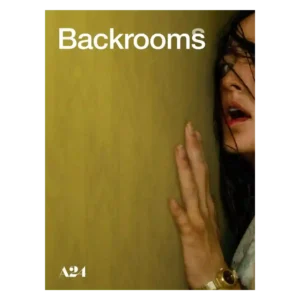
Backrooms4.2 overall score
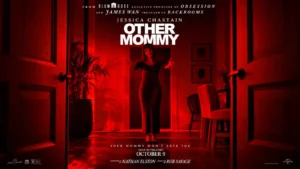
Other Mommy2.5 overall score
Compare features
Scores are out of 5. Missing scores mean missing review evidence, not a missing feature.
Scored on both products
Other features
Score quality
Backrooms
4.6
The eerie ambient score blends into the fluorescent hum and feels as though it emerges from the Backrooms itself. Its restrained, insidious textures support dread without overpowering the imagery.
Other Mommy
1.0
The musical score is criticized as unremarkable rather than an effective driver of the film’s scares.
Tonal consistency
Backrooms
4.5
The oppressive, horrific tone is highly effective for most of the runtime. A few later explanations, jokes, or monster images disrupt the trance and make the final stretch feel sillier or more conventional.
Other Mommy
1.0
The film moves uncertainly between sinister family drama, camp and spectacle, with many attempts at terror provoking unintended laughter.
CGI quality
Backrooms
5.0
The computer-generated passages preserve the uncanny texture of the original web series and deliver strong visual impact. They blend with the physical sets while retaining a deliberately unreal quality.
Other Mommy
1.6
Digital body warping and melted faces divide opinion sharply. Most criticism finds the bigger transformations conspicuously artificial and less scary than Chastain’s unaltered expressions.
Message quality
Backrooms
4.5
The film turns abandoned retail and office spaces into an anxiety about isolation, lost communal life, and a world becoming increasingly artificial. That cultural reading gives the liminal imagery relevance beyond simple creepiness.
Other Mommy
1.3
Ideas about parenthood, secrets and emotional honesty interest some viewers, but others dislike the implication that maternal ambivalence invites supernatural punishment.
Suspense
Backrooms
4.7
Long corridors, distant noises, hidden figures, and unstable camera movement sustain a persistent sense of danger. Reviewers repeatedly praised the film for making anticipation and uncertainty more frightening than overt attacks.
Other Mommy
1.5
Rather than steadily build dread, the film often begins at maximum intensity and stays there. Short flashes of unease get buried under repeated jolts.
Editing quality
Backrooms
4.5
The editing helps move between polished cinematic framing and unstable found-footage passages while preserving disorientation. It is credited as part of the film’s distinctive overall craft.
Other Mommy
1.4
Dreamlike scene transitions occasionally impress, but rapid cutting and abrupt shifts make the movie feel compressed and disjointed.
Humor
Backrooms
4.0
Small moments of knowing humor and absurd dialogue keep the film from becoming overly solemn. The comedy is generally restrained, though some viewers felt it occasionally reduced the scares.
Other Mommy
1.0
An occasional funny exchange or campy moment succeeds, but much of the laughter comes from scares and dialogue that were apparently meant to be taken seriously.
Runtime
Backrooms
4.5
At roughly 110 minutes, the film was described as brisk by one reviewer despite its deliberate internal pace. Its length gives the spaces room to breathe without making the feature feel oversized.
Other Mommy
1.8
The roughly 90-minute format sounds appealing, but several viewers find even that short span exhausting or strangely underdeveloped because of the compressed structure.
Genre satisfaction
Backrooms
4.5
As liminal and experimental horror, the film delivers an intense, disturbing, and unusually cerebral experience. It is less satisfying for viewers expecting a conventional monster movie or a steady stream of crowd-pleasing scares.
Other Mommy
1.8
The movie delivers plentiful supernatural set pieces, but the dominant complaint is that quantity replaces sustained horror. A smaller group enjoys its knowingly extravagant haunted-house energy.
Theme depth
Backrooms
4.1
The strongest interpretations connect the Backrooms to memory, grief, loneliness, self-deception, and destructive emotional loops. Most found meaningful psychological substance, though some thought the metaphors were underdeveloped or overwhelmed by atmosphere.
Other Mommy
1.8
Maternal love, fractured trust and the unease of family secrets provide meaningful material, yet the symbolism often remains thinner than the elaborate visuals.
Originality
Backrooms
4.4
Reviewers consistently describe the film as visually distinctive, culturally timely, and unlike most mainstream horror. Even detractors recognize the freshness of turning internet-born liminal imagery into a large-scale cinematic world.
Other Mommy
2.2
The parents’ early acknowledgement of the creature and some warped play-space sequences feel fresh, but many see familiar possession and doppelgänger ideas repackaged without a distinctive payoff.
Writing quality
Backrooms
3.4
The screenplay earns praise for economical exposition, psychological ideas, and character interiority in its best passages. Its weaker sections rely on clunky explanations, uneven dialogue, and late lore that can flatten the mystery.
Other Mommy
1.3
Nathan Elston’s script has intriguing domestic-horror ideas but often neglects character motivation, consistent supernatural rules and sufficient buildup.
Character development
Backrooms
3.5
Clark and Mary have clear psychological wounds, but reviewers split on how fully the script develops them. Strong performances communicate more than the page, while motivations, supporting characters, and some late turns can feel thin.
Other Mommy
1.4
Bela registers as a believable child, but her parents frequently feel sketchily defined, with crucial emotional histories reduced to hints or late confessions.
Scares
Backrooms
4.1
The film favors sustained unease, hidden threats, and carefully placed shocks over constant jump scares. Many found it deeply creepy or terrifying, though several felt the later monster reveals and action made it less frightening.
Other Mommy
2.0
The early kitchen reveal is repeatedly singled out as effective. Later jump scares become too frequent, repetitive and digitally inflated for many to remain frightening.
Pacing
Backrooms
3.5
The deliberate slow burn gives the eerie spaces room to work and builds heavy dread for patient viewers. Others felt the sparse middle stretches, long explorations, or lack of narrative drive became simply slow.
Other Mommy
1.5
The opening moves straight into danger and rarely lets up. That speed excites some viewers but leaves many longing for quieter setup, escalation and character time.
Plot clarity
Backrooms
2.9
The film intentionally withholds answers, and that ambiguity can be intriguing and discussion-provoking. It also frustrates viewers when lore becomes either too opaque or too heavily explained, especially late in the story.
Other Mommy
1.1
The monster’s shifting powers, abrupt transitions and conveniently timed events can make the plot hard to follow or invest in.
Story quality
Backrooms
3.3
The premise and atmosphere are stronger than the conventional narrative holding them together. Some reviewers found the story emotionally coherent and compelling, while others saw an underbaked framework stretched around a powerful visual concept.
Other Mommy
1.5
A manipulative mother-double offers a promising foundation, but most reactions say the movie trades emotional depth and narrative cohesion for a chain of attacks.
Emotional impact
Backrooms
5.0
The film’s strongest passages turn the nightmare architecture into an emotionally coherent story about grief, isolation, and damaged memory. The sadness carried by the performances gives the abstract horror lasting weight.
Other Mommy
3.6
A few intimate moments between Bela and her parents can be surprisingly moving. Much of that potential is diluted when the film rushes back to supernatural spectacle.
Directing quality
Backrooms
4.6
Kane Parsons is widely praised for remarkably assured control of mood, spatial tension, and visual horror in his feature debut. Criticism centers on later over-explanation and a few overreaching narrative choices rather than his filmmaking instincts.
Other Mommy
3.2
Rob Savage shows visual ingenuity and can stage effective individual sequences, though his preference for nonstop jolts often works against buildup and storytelling.
Ending satisfaction
Backrooms
3.0
The ending is the most divisive element. Some found the final image haunting, open-ended, or cathartic, while many called the climax anticlimactic, overly conventional, confusing, or obvious sequel bait.
Other Mommy
1.7
The finale is divisive: a few appreciate the more emotionally focused resolution, but many find its confessions rushed, unearned or less haunting than the setup promises.
Special effects quality
Backrooms
4.0
The creatures and distorted figures are designed to look unnerving rather than conventionally polished. Their impact is strongest when partially hidden; clearer views sometimes make them feel less scary.
Other Mommy
2.8
Body contortions and reality-warping sights can be inventive, but the more extravagant imagery often draws complaints of unconvincing digital excess.
Practical effects quality
Backrooms
5.0
Large physical sets and practical distortions give the Backrooms convincing texture and scale. The handcrafted elements were praised as visually precise and central to the film’s uncanny realism.
Other Mommy
4.5
When tangible body-horror work is visible, it can be pleasingly gooey and disturbing, especially compared with less convincing digital distortion.
Cinematography
Backrooms
4.6
Wide compositions, oppressive framing, found-footage perspectives, and carefully destabilizing camera movement make the endless rooms feel both enormous and claustrophobic. The camera often creates fear by making viewers question what they briefly saw.
Other Mommy
4.2
Invasive close-ups, gliding cameras and imaginative staging draw praise even from many detractors. Some frantic movements and cluttered compositions sacrifice clarity.
Faithfulness to source material
Backrooms
4.5
The adaptation preserves the web series’ analog textures, liminal unease, found-footage language, and open mystery while expanding the concept into a feature. One reviewer wished the entire movie had stayed in found-footage form.
Other Mommy
4.5
The adaptation changes significant scenes and softens the novel’s ending. One more sympathetic take finds its new conclusion a richer character choice; other reactions miss the book’s unsettling depth.
Comfort and build
World-building
Backrooms
4.4
The feature expands the web-series mythology without fully closing off its mysteries, giving established fans many connections and newcomers a workable entry point. Some reviewers felt the late lore and Easter eggs became overbuilt.
Other Mommy
1.2
The entity’s abilities expand from scene to scene with few convincing limits, leaving its mythology hard to understand and reducing the threat’s credibility.
Production design
Backrooms
4.9
The vast yellow labyrinth is the clearest consensus standout, praised as tactile, uncanny, claustrophobic, and often the film’s real star. Physical sets, warped furniture, and impossible architecture turn bland commercial spaces into nightmare imagery.
Other Mommy
4.0
Nightmarish ball pits, warped rooms and unusual physical spaces produce some memorable set pieces, although these showcase moments do not always connect into a compelling story.
Visual style
Backrooms
4.6
The mix of harsh yellow lighting, analog textures, found footage, forced perspective, and surreal spatial design gives the film a distinctive identity. Reviewers admired how ordinary rooms become both familiar and deeply wrong.
Other Mommy
3.9
Distorted bodies, impossible spaces and expressive camera movement create memorable images. Their impact is uneven when the film substitutes synthetic spectacle for atmosphere.
Sound design
Backrooms
4.8
Fluorescent hums, metallic groans, distant impacts, and muted ambient noise make the environment physically oppressive. The soundscape is repeatedly cited as essential to the film’s tension and spatial dread.
Other Mommy
5.0
Purposeful silence, small domestic noises and abrupt shocks can add impact, though loud stings are sometimes criticized as a substitute for fear.
Controls and connectivity
Critic appeal
Backrooms
3.5
Critical response is broadly enthusiastic about the craft and ambition but not unanimous. The movie’s opacity, slow pace, and narrative imbalance create a clear divide between admirers and skeptics.
Other Mommy
1.0
Early critical reactions are overwhelmingly negative, especially toward repeated shocks and weak storytelling, with a smaller number of favorable responses.
Audience appeal
Backrooms
3.8
The movie should resonate most with liminal-horror fans, younger viewers, and audiences comfortable with ambiguity and slow-burn art horror. Conventional horror viewers may find it too opaque, quiet, or narratively unusual.
Other Mommy
4.0
Some see a crowd-pleasing haunted-house ride, while others expect the repetitive shocks and thin plot to frustrate seasoned horror viewers.
Ownership and support
Entertainment value
Backrooms
4.3
Supporters found the film engrossing, compulsively watchable, and memorable despite its austere style. More skeptical viewers still considered it solid, but its vibe-driven structure limits broad entertainment appeal.
Other Mommy
2.6
Viewers seeking a fast, weird monster showcase may enjoy the ride, but others find it tedious, disposable or unintentionally funny.
Performance
Supporting cast performance
Backrooms
4.3
The supporting cast adds mystery and credibility, with Mark Duplass repeatedly singled out for a memorable cryptic presence. Smaller roles generally strengthen the world without distracting from the central pair.
Other Mommy
2.8
Jay Duplass is sometimes charming as Bela’s father, but other supporting players have too little to work with or feel stranded in thin roles.
Acting performance
Backrooms
4.5
The performances are a major strength, with Chiwetel Ejiofor and Renate Reinsve repeatedly praised for grounding the surreal material in sadness, fear, and human vulnerability. A few critics noted accent or script limitations, but the acting consistently elevates thin passages.
Other Mommy
4.3
The cast often earns more goodwill than the film itself, particularly the two central performances. Several find the exaggerated secondary roles and uneven tone less persuasive.
Lead performance
Backrooms
4.8
Chiwetel Ejiofor gives Clark wounded anger, obsession, and maniacal intensity while remaining emotionally legible. Reviewers widely praised his commitment, even when the character’s motivations or dialogue were less convincing.
Other Mommy
4.8
Jessica Chastain’s dual role and Arabella Olivia Clark’s grounded reactions are frequent highlights, even among otherwise negative assessments.
Evidence available for one product
Other features
Action sequence quality
Backrooms
2.3
The film is strongest during restrained exploration rather than overt action. Several reviewers criticized the third-act chase and explicit climax as overblown, generic, or less frightening than the slow build.
Other MommyNo score yet
Atmosphere
BackroomsNo score yet
Other Mommy
4.5
Creepy domestic spaces and surreal imagery give the opening a sinister mood, but the relentless barrage of effects often overwhelms the unease before it can deepen.
Dialogue quality
Backrooms
2.8
Dialogue is uneven: psychological exchanges can clarify the themes, but several reviewers found scenes mandatory, awkward, or unintentionally strange. The actors often make the lines work better than the script does.
Other MommyNo score yet
Family dynamics
BackroomsNo score yet
Other Mommy
2.3
Bela’s awareness of marital strain provides an intriguing emotional foundation. Some appreciate the silences and glances, while others find her parents’ motivations severely underwritten.
Family friendliness
BackroomsNo score yet
Other Mommy
1.0
Graphic body horror and sustained threats to a child make it unsuitable for younger children or casual family movie nights.
Makeup quality
BackroomsNo score yet
Other Mommy
4.5
More restrained monster makeup can make Chastain look convincingly uncanny, especially before the heavier digital distortions arrive.
Mystery quality
BackroomsNo score yet
Other Mommy
1.0
The entity’s nature and rules remain sketchy, and some critics feel the film reveals too much too soon while withholding answers that would give later surprises weight.
Portrayal of women
BackroomsNo score yet
Other Mommy
1.0
The storyline links a working mother’s distance from her child to supernatural distress, raising concerns about its simplistic or judgmental treatment of maternal ambivalence.
Realism
Backrooms
4.5
Committed performances and tactile sets make the impossible setting feel emotionally and physically believable. The characters’ reactions help anchor the increasingly abstract nightmare.
Other MommyNo score yet
Violence level
Backrooms
4.0
The movie relies more on dread than gore, but its limited grim and gruesome shocks provide enough intensity for viewers who want some bloody payoff without constant graphic violence.
Other MommyNo score yet
Comfort and build
Costume design
Backrooms
4.5
The early-1990s costuming helps the cast feel naturally embedded in the period and supports the film’s analog atmosphere without drawing attention away from the setting.
Other MommyNo score yet
Performance
Marketing accuracy
BackroomsNo score yet
Other Mommy
1.4
The much-discussed kitchen reveal is widely considered one of the movie’s best scares, leaving many feeling that the trailer gave away its strongest moment.
Monster visibility
BackroomsNo score yet
Other Mommy
1.8
The imitation mother is often creepiest as a partly concealed human figure. Prolonged, fully visible digital transformations reduce mystery and menace for many.
Ownership and support
Rewatch value
Backrooms
5.0
The layered imagery, unresolved lore, and thematic details give the film strong repeat-viewing potential for viewers on its wavelength. Its mysteries invite reconsideration after the first viewing.
Other MommyNo score yet
Controls and connectivity
Title appeal
BackroomsNo score yet
Other Mommy
5.0
The simpler theatrical title is praised as a catchy improvement over the novel’s title.
Choose this inventive, unsettling documentary for fearless questioning, dark humor, and unpredictable storytelling. Skip it if you want a short, straightforward exposé with definitive answers.
Best for a hypnotic, bookish mystery with tactile visuals and cerebral chills. Skip it if reading-heavy, attention-demanding storytelling sounds more exhausting than exciting.
Best for an intimate, searching documentary that rewards focused attention and invites discussion. Skip it when devastating grief, addiction footage, and unresolved family tensions would be too much.
Best for patient suspense, an unforgettable score, and an unsettling masked killer. Skip it for very young children or if you want to avoid intense scares; its restrained kills also...