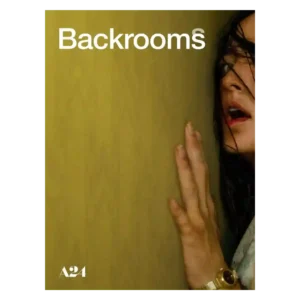
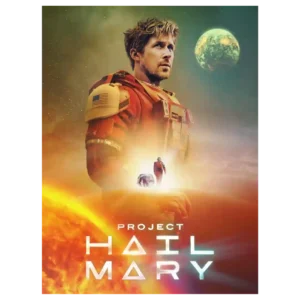
Backrooms
Where It Has the Edge
No clear scored advantage over the other product.

Scorata scores summarize analyzed review evidence on a 1–5 scale; they are not laboratory measurements or a simple average of customer star ratings. Feature scores summarize the reviews covering that feature. The overall score averages feature scores within each review, then combines review averages. When both expert and customer evidence are available, those two groups receive equal weight. Products can have different review coverage, so small score gaps do not establish a winner.
Recommendations prioritize important features for the category, with a score of at least 3.5, a gap of at least 0.25 points and at least two supporting reviews per product. Features with widely varying scores or broad connectivity contexts are excluded from recommendations. These safeguards do not establish statistical significance.
Quick verdict
The available evidence supports the recommendation below, but does not establish an overall winner. Check the remaining features against your priorities.
There is not enough comparable review evidence to recommend Backrooms over the other product.
Choose Project Hail Mary for action sequence quality and supporting cast performance.
No clear scored advantage over the other product.
Scores are out of 5. Missing scores mean missing review evidence, not a missing feature.
The film is strongest during restrained exploration rather than overt action. Several reviewers criticized the third-act chase and explicit climax as overblown, generic, or less frightening than the slow build.
Action is used selectively but lands hard when it arrives, especially the late space set pieces; reviewers call them grounded, tense and visually impressive rather than nonstop spectacle.
At roughly 110 minutes, the film was described as brisk by one reviewer despite its deliberate internal pace. Its length gives the spaces room to breathe without making the feature feel oversized.
At roughly two and a half hours, length is the most repeated complaint; many reviewers feel the second half or ending runs long. A few counter that the problem-solving keeps the runtime lively.
The premise and atmosphere are stronger than the conventional narrative holding them together. Some reviewers found the story emotionally coherent and compelling, while others saw an underbaked framework stretched around a powerful visual concept.
Most reviewers see a smart, heartfelt survival-and-friendship story with strong problem-solving momentum. Negative outliers criticize formula, shallow characterization and convenient plotting.
The film intentionally withholds answers, and that ambiguity can be intriguing and discussion-provoking. It also frustrates viewers when lore becomes either too opaque or too heavily explained, especially late in the story.
Dense science is generally presented clearly, with multiple reviewers praising how digestible the technical problem solving remains. A few say some concepts are difficult, overly explained or too convenient.
The oppressive, horrific tone is highly effective for most of the runtime. A few later explanations, jokes, or monster images disrupt the trance and make the final stretch feel sillier or more conventional.
Tone is the most divisive creative choice: many like the balance of humor, tension and sincerity, while detractors say the comedy undercuts danger and the optimism can feel overly insistent.
The creatures and distorted figures are designed to look unnerving rather than conventionally polished. Their impact is strongest when partially hidden; clearer views sometimes make them feel less scary.
Visual effects work is consistently praised, especially where digital enhancement blends with practical sets and puppetry rather than replacing them.
Dialogue is uneven: psychological exchanges can clarify the themes, but several reviewers found scenes mandatory, awkward, or unintentionally strange. The actors often make the lines work better than the script does.
Dialogue reactions are mixed: some praise crisp delivery and clear exchanges, while a harsh dissent calls the jokes and feel-good dialogue dated and shallow.
Reviewers consistently describe the film as visually distinctive, culturally timely, and unlike most mainstream horror. Even detractors recognize the freshness of turning internet-born liminal imagery into a large-scale cinematic world.
The core concept is often praised as fresh, but predictability and familiar genre DNA keep this from being a universal win.
The screenplay earns praise for economical exposition, psychological ideas, and character interiority in its best passages. Its weaker sections rely on clunky explanations, uneven dialogue, and late lore that can flatten the mystery.
The script is mostly praised for making dense science approachable and organizing the nonlinear mystery cleanly, though negative reviews call parts shallow, contrived or over-explanatory.
The ending is the most divisive element. Some found the final image haunting, open-ended, or cathartic, while many called the climax anticlimactic, overly conventional, confusing, or obvious sequel bait.
The ending is the clearest recurring weakness: multiple reviewers say the final act keeps finding new conclusions, feels rushed or structurally overextended after an earlier emotional peak.
The film’s strongest passages turn the nightmare architecture into an emotionally coherent story about grief, isolation, and damaged memory. The sadness carried by the performances gives the abstract horror lasting weight.
Many reviewers report tearing up or crying, especially around Grace and Rocky’s bond and the closing stretch. Even some mixed reviews admit the film lands a few powerful emotional moments.
Long corridors, distant noises, hidden figures, and unstable camera movement sustain a persistent sense of danger. Reviewers repeatedly praised the film for making anticipation and uncertainty more frightening than overt attacks.
Problem-solving and late space hazards generate strong tension for most reviewers, but a few feel the optimistic tone telegraphs success and drains danger.
The strongest interpretations connect the Backrooms to memory, grief, loneliness, self-deception, and destructive emotional loops. Most found meaningful psychological substance, though some thought the metaphors were underdeveloped or overwhelmed by atmosphere.
Friendship, sacrifice, optimism, science and cooperation give the film more thematic weight than a simple adventure for many reviewers. Critics of the adaptation argue those ideas are softened or over-sentimentalized.
Committed performances and tactile sets make the impossible setting feel emotionally and physically believable. The characters’ reactions help anchor the increasingly abstract nightmare.
The grounded science, practical engineering and tangible sets make much of the film feel believable. Dissenters question character reactions and a handful of convenient scientific or mechanical solutions.
The editing helps move between polished cinematic framing and unstable found-footage passages while preserving disorientation. It is credited as part of the film’s distinctive overall craft.
Timeline shifts and aspect-ratio transitions are often praised for clarity and momentum; one negative review finds the flashback cutting disorienting and over-explanatory.
The computer-generated passages preserve the uncanny texture of the original web series and deliver strong visual impact. They blend with the physical sets while retaining a deliberately unreal quality.
CGI is usually praised for disappearing into the practical sets and Rocky puppetry, adding polish without making the world feel synthetic.
As liminal and experimental horror, the film delivers an intense, disturbing, and unusually cerebral experience. It is less satisfying for viewers expecting a conventional monster movie or a steady stream of crowd-pleasing scares.
Science-fiction fans are the clearest target: reviewers praise the hard-science problem solving, big-screen wonder and optimistic space-adventure tone, with one major dissent calling it flat and derivative.
Wide compositions, oppressive framing, found-footage perspectives, and carefully destabilizing camera movement make the endless rooms feel both enormous and claustrophobic. The camera often creates fear by making viewers question what they briefly saw.
Space imagery, IMAX scale, framing and texture earn near-universal praise, with Greig Fraser’s work repeatedly called stunning, sublime or top-tier.
Kane Parsons is widely praised for remarkably assured control of mood, spatial tension, and visual horror in his feature debut. Criticism centers on later over-explanation and a few overreaching narrative choices rather than his filmmaking instincts.
Lord and Miller are mostly praised for turning dense science into lively blockbuster filmmaking, though critics who resist the goofy tone find the direction over-insistent or too silly.
Clark and Mary have clear psychological wounds, but reviewers split on how fully the script develops them. Strong performances communicate more than the page, while motivations, supporting characters, and some late turns can feel thin.
Grace’s growth and Rocky’s characterization work for many reviewers, but this is notably mixed: critics of the adaptation say Grace’s arc is thinner, underexplored, or too unchanged from start to finish.
Large physical sets and practical distortions give the Backrooms convincing texture and scale. The handcrafted elements were praised as visually precise and central to the film’s uncanny realism.
Rocky’s puppetry and the physical sets are among the highest-consensus technical strengths, repeatedly praised for giving the alien and spacecraft convincing weight and presence.
The adaptation preserves the web series’ analog textures, liminal unease, found-footage language, and open mystery while expanding the concept into a feature. One reviewer wished the entire movie had stayed in found-footage form.
Book readers largely see this as a strong, faithful adaptation that preserves the novel’s heart and major beats. The strongest dissent argues that departures from the book flatten its moral and philosophical complexity.
The film favors sustained unease, hidden threats, and carefully placed shocks over constant jump scares. Many found it deeply creepy or terrifying, though several felt the later monster reveals and action made it less frightening.
The movie includes some existentially frightening moments, but one family-oriented review still considers them manageable within an overwhelmingly hopeful adventure.
The eerie ambient score blends into the fluorescent hum and feels as though it emerges from the Backrooms itself. Its restrained, insidious textures support dread without overpowering the imagery.
Daniel Pemberton’s score is a major strength, frequently described as sweeping, unusual, emotional and integral to the film. One dissent finds the constant grandeur overbearing and tension-flattening.
The film turns abandoned retail and office spaces into an anxiety about isolation, lost communal life, and a world becoming increasingly artificial. That cultural reading gives the liminal imagery relevance beyond simple creepiness.
The film’s optimism, pro-science cooperation, friendship and sacrifice resonate strongly with most reviewers. A dissenting critic finds that hope too frictionless and another objects to how the film handles Stratt’s coercion.
The deliberate slow burn gives the eerie spaces room to work and builds heavy dread for patient viewers. Others felt the sparse middle stretches, long explorations, or lack of narrative drive became simply slow.
Pacing is mixed: some say the long runtime flies by or benefits from deliberate science detail, while others flag a slow opening, second-act drag, flashback friction and late-act sputter.
Small moments of knowing humor and absurd dialogue keep the film from becoming overly solemn. The comedy is generally restrained, though some viewers felt it occasionally reduced the scares.
Comedy is a genuine strength for many, particularly Gosling’s physical timing and Grace-Rocky misunderstandings. But the jokes are also polarizing, with some reviewers calling them repetitive, cheesy or tonally disruptive.
The movie relies more on dread than gore, but its limited grim and gruesome shocks provide enough intensity for viewers who want some bloody payoff without constant graphic violence.
A family-focused review describes the movie as comparatively tame, with a couple of corpses but less harsh content than the earlier Weir adaptation.
Critical response is broadly enthusiastic about the craft and ambition but not unanimous. The movie’s opacity, slow pace, and narrative imbalance create a clear divide between admirers and skeptics.
The broader critical response cited in the reviews is described as about as positive as a major studio release gets.
The movie should resonate most with liminal-horror fans, younger viewers, and audiences comfortable with ambiguity and slow-burn art horror. Conventional horror viewers may find it too opaque, quiet, or narratively unusual.
The film is repeatedly described as a crowd-pleaser, with reports of applause and strong theatergoing enthusiasm. A dissenting review sees that accessibility as calculated and artificial.
The feature expands the web-series mythology without fully closing off its mysteries, giving established fans many connections and newcomers a workable entry point. Some reviewers felt the late lore and Easter eggs became overbuilt.
The Tau Ceti material and alien design give the adventure convincing scale, with space sequences praised as stunning and the science-world detail easy to buy into.
Fluorescent hums, metallic groans, distant impacts, and muted ambient noise make the environment physically oppressive. The soundscape is repeatedly cited as essential to the film’s tension and spatial dread.
Atmos and sound design receive unanimous praise in the scored sources, from precise spatial cues to Rocky’s sonic language and high-impact action.
The mix of harsh yellow lighting, analog textures, found footage, forced perspective, and surreal spatial design gives the film a distinctive identity. Reviewers admired how ordinary rooms become both familiar and deeply wrong.
The film’s look is one of its strongest consensus wins: colorful space vistas, tactile sets, aspect-ratio shifts and adventurous camera choices make it feel built for a large screen.
The vast yellow labyrinth is the clearest consensus standout, praised as tactile, uncanny, claustrophobic, and often the film’s real star. Physical sets, warped furniture, and impossible architecture turn bland commercial spaces into nightmare imagery.
The Hail Mary ship and practical environments draw exceptional praise for functional hard-sci-fi detail, tactile construction and large-screen immersion.
The early-1990s costuming helps the cast feel naturally embedded in the period and supports the film’s analog atmosphere without drawing attention away from the setting.
Grace’s nerdy T-shirt choices are praised as character-driven wardrobe that feels natural for his personality rather than planted references.
The supporting cast adds mystery and credibility, with Mark Duplass repeatedly singled out for a memorable cryptic presence. Smaller roles generally strengthen the world without distracting from the central pair.
Sandra Hüller is the standout supporting performer, with Lionel Boyce also drawing consistent praise for dry humor and grounded rapport. The Earth scenes benefit from their contrast with Gosling.
The performances are a major strength, with Chiwetel Ejiofor and Renate Reinsve repeatedly praised for grounding the surreal material in sadness, fear, and human vulnerability. A few critics noted accent or script limitations, but the acting consistently elevates thin passages.
The ensemble is widely praised, with Gosling carrying long solo stretches and supporting players giving the Earth scenes personality. One strongly negative take finds the lead’s familiar comic mannerisms tiring.
Chiwetel Ejiofor gives Clark wounded anger, obsession, and maniacal intensity while remaining emotionally legible. Reviewers widely praised his commitment, even when the character’s motivations or dialogue were less convincing.
Gosling is one of the strongest consensus positives, repeatedly praised for carrying solo stretches with charm, physical comedy and vulnerability. A small minority find the familiar goofy persona strained or tiring.
The layered imagery, unresolved lore, and thematic details give the film strong repeat-viewing potential for viewers on its wavelength. Its mysteries invite reconsideration after the first viewing.
Several reviewers expect repeat viewings to hold up well, whether for small production details, emotional impact or the sheer pleasure of revisiting Grace and Rocky.
Supporters found the film engrossing, compulsively watchable, and memorable despite its austere style. More skeptical viewers still considered it solid, but its vibe-driven structure limits broad entertainment appeal.
Most reviewers find the film extremely watchable and crowd-friendly despite its length, mixing science puzzles, humor and spectacle into an easy theatrical ride.
Several reviewers see this as unusually accessible sci-fi for families and older kids, with most-ages appeal and mild content by PG-13 standards.
Grace and Rocky are the movie’s emotional engine; most reviewers call their odd-couple friendship warm, funny and genuinely moving. A few find later interactions repetitive or overly sweet.
The cross-species friendship is praised for taking language, biology and cultural assumptions seriously enough to make cooperation feel meaningful.
The film usually earns its high stakes through character and problem-solving, but several critics think the bright tone softens danger and emotional weight.
The movie is repeatedly described as clean, wholesome and family-friendly, with restrained profanity and only limited sexual or frightening material.
Language is considered restrained for a PG-13 blockbuster: reviewers note little or no conventional profanity, though substitute swears and uses of God’s name remain.
The long-hair-and-beard look sells Grace’s extended sleep, though one reviewer jokingly calls out his suspiciously maintained highlights.
One reviewer notes that Grace’s lack of romantic or family attachments reduces the sense of personal sacrifice compared with more emotionally anchored space dramas.
Sexual material is limited to light verbal references and a few suggestive jokes; family-focused reviewers describe it as comparatively tame.
The song selections are praised for warmth, nostalgia and tonal contrast, complementing the orchestral score without overwhelming scenes.
The 4K review finds the collector’s SteelBook worth seeking out for buyers who want a more complete edition.

A deeply human coming-of-age drama carried by remarkable performances and an honest portrayal of grief. Its gentle optimism moves most viewers, though some find the final stretch hurried or overly...
Pros: Grief portrayal, acting performance
Cons: pacing

Billie Jean King’s magnetic first-person storytelling makes this an exhilarating portrait of athletic courage and social change. The filmmaking follows a familiar documentary structure, and her full tennis résumé gets...
Pros: entertainment value, Biographical coverage
Cons: Narrative structure

Choose this inventive, unsettling documentary for fearless questioning, dark humor, and unpredictable storytelling. Skip it if you want a short, straightforward exposé with definitive answers.
Pros: originality, humor

A singular voice, powerful piano playing and intimate film photography make this concert absorbing for receptive listeners. Its uninterrupted, often similar-sounding songs and lack of background context are an acquired...
Pros: directing quality, cinematography
Cons: pacing, Song variety