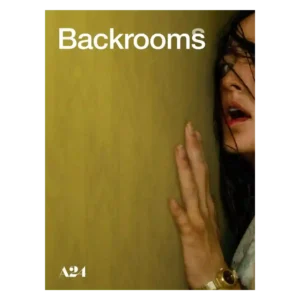
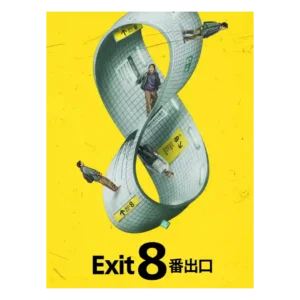
Backrooms
Where It Has the Edge
- tonal consistency is 4.5 vs 4.3. The oppressive, horrific tone is highly effective for most of the runtime. A few later explanations, jokes, or...

Scorata scores summarize analyzed review evidence on a 1–5 scale; they are not laboratory measurements or a simple average of customer star ratings. Feature scores summarize the reviews covering that feature. The overall score averages feature scores within each review, then combines review averages. When both expert and customer evidence are available, those two groups receive equal weight. Products can have different review coverage, so small score gaps do not establish a winner.
Recommendations prioritize important features for the category, with a score of at least 3.5, a gap of at least 0.25 points and at least two supporting reviews per product. Features with widely varying scores or broad connectivity contexts are excluded from recommendations. These safeguards do not establish statistical significance.
Quick verdict
The review evidence points to a tradeoff: tonal consistency versus dialogue quality and faithfulness to source material. Choose according to which strengths matter more to you; the overall score alone does not settle that choice.
Choose Backrooms for tonal consistency.
Choose Exit 8 for dialogue quality and faithfulness to source material.
Scores are out of 5. Missing scores mean missing review evidence, not a missing feature.
The computer-generated passages preserve the uncanny texture of the original web series and deliver strong visual impact. They blend with the physical sets while retaining a deliberately unreal quality.
The practical corridor work is far stronger than the digital imagery; one critic singled out the human-featured rats as poorly rendered.
Dialogue is uneven: psychological exchanges can clarify the themes, but several reviewers found scenes mandatory, awkward, or unintentionally strange. The actors often make the lines work better than the script does.
The sparse dialogue is treated as a strength, allowing the film to stay clear and engaging through movement, sound, and visual storytelling.
The screenplay earns praise for economical exposition, psychological ideas, and character interiority in its best passages. Its weaker sections rely on clunky explanations, uneven dialogue, and late lore that can flatten the mystery.
The screenplay earns strong praise for building character, theme, and structure around a nearly plotless game. Its more literal or moralizing choices are the main source of criticism.
At roughly 110 minutes, the film was described as brisk by one reviewer despite its deliberate internal pace. Its length gives the spaces room to breathe without making the feature feel oversized.
At roughly feature length, the premise feels perfectly sustained to some viewers and noticeably stretched to others. Several critics specifically argued that a shorter version could have been stronger.
The film intentionally withholds answers, and that ambiguity can be intriguing and discussion-provoking. It also frustrates viewers when lore becomes either too opaque or too heavily explained, especially late in the story.
The rules of the corridor are generally easy to learn, but the origin and logic of the loop remain unexplained. That ambiguity enriches the mystery for some viewers and breaks immersion for others.
The premise and atmosphere are stronger than the conventional narrative holding them together. Some reviewers found the story emotionally coherent and compelling, while others saw an underbaked framework stretched around a powerful visual concept.
Most reviewers think the film finds a surprisingly effective human story inside a nearly storyless game. The central disagreement is whether that added narrative is resonant and focused or thin, forced, and overextended.
Small moments of knowing humor and absurd dialogue keep the film from becoming overly solemn. The comedy is generally restrained, though some viewers felt it occasionally reduced the scares.
Dark humor and precise comic timing provide welcome release without undercutting the horror, and several viewers were surprised by how funny the film could be.
The film’s strongest passages turn the nightmare architecture into an emotionally coherent story about grief, isolation, and damaged memory. The sadness carried by the performances gives the abstract horror lasting weight.
Many reviewers were surprised by the pathos beneath the horror, especially the father-and-child material. Others felt the third act did not fully earn the emotional payoff.
The ending is the most divisive element. Some found the final image haunting, open-ended, or cathartic, while many called the climax anticlimactic, overly conventional, confusing, or obvious sequel bait.
The ending is one of the most divisive elements: some found it resonant, satisfying, or beautifully thematic, while others called it didactic, underpowered, or overly obvious.
Long corridors, distant noises, hidden figures, and unstable camera movement sustain a persistent sense of danger. Reviewers repeatedly praised the film for making anticipation and uncertainty more frightening than overt attacks.
The film builds tension by making viewers inspect every corner and fear a missed detail. That slow-burn uncertainty works strongly for most, but a few viewers never felt the intended unease.
Clark and Mary have clear psychological wounds, but reviewers split on how fully the script develops them. Strong performances communicate more than the page, while motivations, supporting characters, and some late turns can feel thin.
The added fatherhood arc and shifting viewpoints give the game’s anonymous figures more humanity, especially the Lost Man and the boy. Some critics still found the protagonist thin or the growth overly obvious.
The deliberate slow burn gives the eerie spaces room to work and builds heavy dread for patient viewers. Others felt the sparse middle stretches, long explorations, or lack of narrative drive became simply slow.
Repetition is the central tradeoff. Some found the loops hypnotic, brisk, or carefully varied, while many others felt the movie dragged, lost steam, or would have worked better at a shorter length.
The adaptation preserves the web series’ analog textures, liminal unease, found-footage language, and open mystery while expanding the concept into a feature. One reviewer wished the entire movie had stayed in found-footage form.
The corridor, rules, game rhythm, and interactive feeling are recreated with exceptional fidelity. Reviewers repeatedly praise the film for expanding the game without losing its identity.
The creatures and distorted figures are designed to look unnerving rather than conventionally polished. Their impact is strongest when partially hidden; clearer views sometimes make them feel less scary.
Set transformations, blood, water, lighting, and restrained effects usually support the anomalies well. The more overt creature imagery drew a more mixed response.
The oppressive, horrific tone is highly effective for most of the runtime. A few later explanations, jokes, or monster images disrupt the trance and make the final stretch feel sillier or more conventional.
The film often balances calm repetition, dark comedy, dread, and emotion with impressive control. Some viewers felt the later tonal shifts interrupted the horror or became disorienting.
The film turns abandoned retail and office spaces into an anxiety about isolation, lost communal life, and a world becoming increasingly artificial. That cultural reading gives the liminal imagery relevance beyond simple creepiness.
The film’s ideas about empathy, responsibility, parenthood, and breaking passive routines connected strongly with many viewers. Others considered the lesson heavy-handed, moralistic, or restrictive.
Kane Parsons is widely praised for remarkably assured control of mood, spatial tension, and visual horror in his feature debut. Criticism centers on later over-explanation and a few overreaching narrative choices rather than his filmmaking instincts.
Genki Kawamura is repeatedly praised for controlling tension, perspective, and repetition with unusual precision. The direction makes a minimal premise feel cinematic rather than merely copied from a game.
The strongest interpretations connect the Backrooms to memory, grief, loneliness, self-deception, and destructive emotional loops. Most found meaningful psychological substance, though some thought the metaphors were underdeveloped or overwhelmed by atmosphere.
Fatherhood, responsibility, passivity, empathy, routine, and modern isolation give the loop more meaning than the game provides. Reactions split over whether those themes feel profound, elegantly integrated, or too literal.
Wide compositions, oppressive framing, found-footage perspectives, and carefully destabilizing camera movement make the endless rooms feel both enormous and claustrophobic. The camera often creates fear by making viewers question what they briefly saw.
Long takes, first-person framing, precise camera moves, and bright corridor compositions repeatedly earn standout praise. The photography turns a single hallway into an interactive, claustrophobic visual puzzle.
The editing helps move between polished cinematic framing and unstable found-footage passages while preserving disorientation. It is credited as part of the film’s distinctive overall craft.
Seamless loops, hidden cuts, brisk transitions, and perspective changes make the corridor feel physically continuous while preventing the structure from becoming completely static.
The eerie ambient score blends into the fluorescent hum and feels as though it emerges from the Backrooms itself. Its restrained, insidious textures support dread without overpowering the imagery.
The restrained score and recurring motifs are praised for supporting the atmosphere, with several reviewers highlighting forceful musical cues. One review found the score less memorable than the sound design.
The film favors sustained unease, hidden threats, and carefully placed shocks over constant jump scares. Many found it deeply creepy or terrifying, though several felt the later monster reveals and action made it less frightening.
The film relies more on claustrophobia, uncertainty, and accumulating dread than constant jump scares. Most found it effectively creepy, though a few said it was barely scary at all.
Reviewers consistently describe the film as visually distinctive, culturally timely, and unlike most mainstream horror. Even detractors recognize the freshness of turning internet-born liminal imagery into a large-scale cinematic world.
The spot-the-difference premise feels fresh on film, and several critics admired how it becomes a narrative engine. More negative reactions found the added fatherhood plot predictable or limiting.
As liminal and experimental horror, the film delivers an intense, disturbing, and unusually cerebral experience. It is less satisfying for viewers expecting a conventional monster movie or a steady stream of crowd-pleasing scares.
The film is widely seen as a strong piece of liminal and psychological horror, favoring dread, uncertainty, and participation over conventional shocks. Its deliberately repetitive style remains an acquired taste.
Large physical sets and practical distortions give the Backrooms convincing texture and scale. The handcrafted elements were praised as visually precise and central to the film’s uncanny realism.
The long corridor takes and repeating Walking Man movements are praised for being achieved practically, with hidden cuts and in-camera work that feel seamless.
Committed performances and tactile sets make the impossible setting feel emotionally and physically believable. The characters’ reactions help anchor the increasingly abstract nightmare.
Even within a supernatural loop, the characters’ emotions and everyday anxieties remain grounded and relatable.
The movie relies more on dread than gore, but its limited grim and gruesome shocks provide enough intensity for viewers who want some bloody payoff without constant graphic violence.
The film is not especially gory, and one reviewer viewed that restraint as fitting its atmospheric approach.
The layered imagery, unresolved lore, and thematic details give the film strong repeat-viewing potential for viewers on its wavelength. Its mysteries invite reconsideration after the first viewing.
Some reviewers want to revisit the film with friends to search for details, while others see the solved puzzle as a one-time experience and have no desire to endure the repetition again.
Supporters found the film engrossing, compulsively watchable, and memorable despite its austere style. More skeptical viewers still considered it solid, but its vibe-driven structure limits broad entertainment appeal.
For viewers who enjoy contained puzzle films, the anomaly hunt is absorbing and often fun. The same repetition can turn the experience into a chore for less receptive audiences.
The feature expands the web-series mythology without fully closing off its mysteries, giving established fans many connections and newcomers a workable entry point. Some reviewers felt the late lore and Easter eggs became overbuilt.
The corridor’s rules are understandable, but the larger reality behind the loop remains deliberately vague. That restraint supports the metaphor while leaving some viewers wanting firmer answers.
The mix of harsh yellow lighting, analog textures, found footage, forced perspective, and surreal spatial design gives the film a distinctive identity. Reviewers admired how ordinary rooms become both familiar and deeply wrong.
The overlit, sterile, game-like imagery is widely admired as elegant, hypnotic, and claustrophobic. A few critics felt the sterility eventually became limiting or some homages too obvious.
Fluorescent hums, metallic groans, distant impacts, and muted ambient noise make the environment physically oppressive. The soundscape is repeatedly cited as essential to the film’s tension and spatial dread.
Footsteps, fluorescent hum, silence, cries, and recurring audio cues are treated as major weapons of suspense. The sound work is among the most consistently praised elements.
The vast yellow labyrinth is the clearest consensus standout, praised as tactile, uncanny, claustrophobic, and often the film’s real star. Physical sets, warped furniture, and impossible architecture turn bland commercial spaces into nightmare imagery.
The immaculate white-tiled corridor is one of the film’s clearest triumphs. Its exact details, changing anomalies, harsh lighting, and game-accurate layout make the limited setting immersive and oppressive.
Critical response is broadly enthusiastic about the craft and ambition but not unanimous. The movie’s opacity, slow pace, and narrative imbalance create a clear divide between admirers and skeptics.
Most critics and video reviewers strongly recommend the film, often calling it one of the better game adaptations or horror releases of the year. A smaller group found it disappointing or easier to admire than enjoy.
The movie should resonate most with liminal-horror fans, younger viewers, and audiences comfortable with ambiguity and slow-burn art horror. Conventional horror viewers may find it too opaque, quiet, or narratively unusual.
Puzzle-horror fans and players of the game are the clearest match, though several reviewers say newcomers can enjoy it too. Viewers with little patience for repetition or ambiguity may find it frustrating.
Chiwetel Ejiofor gives Clark wounded anger, obsession, and maniacal intensity while remaining emotionally legible. Reviewers widely praised his commitment, even when the character’s motivations or dialogue were less convincing.
Kazunari Ninomiya’s physical, anxious everyman performance is frequently credited with holding the film together. A few critics blamed the thin writing or slow decisions rather than the acting itself.
The performances are a major strength, with Chiwetel Ejiofor and Renate Reinsve repeatedly praised for grounding the surreal material in sadness, fear, and human vulnerability. A few critics noted accent or script limitations, but the acting consistently elevates thin passages.
The ensemble is widely praised for making a sparse, repetitive concept feel human and immediate. Even more critical takes generally found the performances solid.
The supporting cast adds mystery and credibility, with Mark Duplass repeatedly singled out for a memorable cryptic presence. Smaller roles generally strengthen the world without distracting from the central pair.
Yamato Kochi’s Walking Man is the standout, repeatedly described as unnerving and memorable. The boy and other figures add useful perspective, though some critics found the secondary roles underdeveloped.
The film is strongest during restrained exploration rather than overt action. Several reviewers criticized the third-act chase and explicit climax as overblown, generic, or less frightening than the slow build.
The strangers gradually develop believable camaraderie and concern for one another, helping the contained story feel warmer and more layered.
One review strongly objects to the film’s traditional framing of masculinity and underwritten women, arguing that its message narrows the roles available to its characters.
The fatherhood story adds an emotionally charged human drama beneath the puzzle mechanics.
Because the film uses little dialogue and communicates heavily through action and framing, reviewers found the subtitles unusually easy to follow.
The early-1990s costuming helps the cast feel naturally embedded in the period and supports the film’s analog atmosphere without drawing attention away from the setting.
The classical selections and recurring motifs fit the looping transit setting, with the Boléro use and other needle drops receiving particularly enthusiastic praise.
Reviewers who connected with the film considered it worth a theatrical ticket, often emphasizing the large screen and sound system as part of the experience.

Choose this inventive, unsettling documentary for fearless questioning, dark humor, and unpredictable storytelling. Skip it if you want a short, straightforward exposé with definitive answers.
Pros: originality, humor

Best for a hypnotic, bookish mystery with tactile visuals and cerebral chills. Skip it if reading-heavy, attention-demanding storytelling sounds more exhausting than exciting.
Pros: Atmosphere, cinematography
Cons: audience appeal

Best for an intimate, searching documentary that rewards focused attention and invites discussion. Skip it when devastating grief, addiction footage, and unresolved family tensions would be too much.
Pros: emotional impact, theme depth

Best for patient suspense, an unforgettable score, and an unsettling masked killer. Skip it for very young children or if you want to avoid intense scares; its restrained kills also...
Pros: directing quality, score quality
Cons: message quality