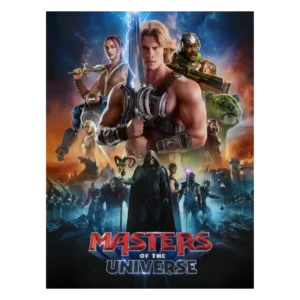
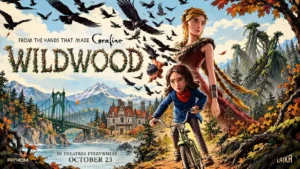
Masters of the Universe
Where It Has the Edge
- family friendliness is 4.0 vs 3.7. Families with older children can have a lively time, but the PG-13 violence, scary deaths, and adult jokes...

Scorata scores summarize analyzed review evidence on a 1–5 scale; they are not laboratory measurements or a simple average of customer star ratings. Feature scores summarize the reviews covering that feature. The overall score averages feature scores within each review, then combines review averages. When both expert and customer evidence are available, those two groups receive equal weight. Products can have different review coverage, so small score gaps do not establish a winner.
Recommendations prioritize important features for the category, with a score of at least 3.5, a gap of at least 0.25 points and at least two supporting reviews per product. Features with widely varying scores or broad connectivity contexts are excluded from recommendations. These safeguards do not establish statistical significance.
Quick verdict
The review evidence points to a tradeoff: family friendliness versus violence level and visual style. Choose according to which strengths matter more to you; the overall score alone does not settle that choice.
Choose Masters of the Universe for family friendliness.
Choose Wildwood for violence level and visual style.
Scores are out of 5. Missing scores mean missing review evidence, not a missing feature.
Critical enthusiasm is sharply divided, with some embracing the campy throwback and others rejecting it as creatively unsuccessful nostalgia packaging.
The supplied reception reports and reaction videos describe emphatically positive early critical notices. These reports chiefly reflect enthusiasm for the animation's ambition and scale.
Longtime He-Man fans and nostalgic adults are the clearest audience, though several newcomers also found it accessible and fun. Some critics doubt the property has enough relevance for a broad modern audience.
The film can cross generations through its wonder and emotional stakes. Its eccentric look and unexpectedly dark material may still narrow its mainstream reach.
The adventure can work for older children and teens, but reviewers repeatedly warn that some deaths, grotesque imagery, and violence may be too intense for younger kids.
Responses distinguish purposeful darkness from broad young-child suitability. Some approve of the violence in context, while others find it excessive or caution that the film needs older viewers.
The movie has sincere ideas about empathy and failure, yet some emotional beats land flat because jokes or familiar clichés interrupt them.
Many viewers describe tears, stunned silence, and a lasting feeling of wonder. Others admire the imagery without feeling that the characters' emotional stakes rise to the same height.
The basic quest is easy enough for fans, but compressed lore, unexplained gaps, and dropped threads can make the story confusing for newcomers.
Some viewers appreciate economical exposition and clearly established stakes. Others struggle with the antagonist's plan or find the mythology compressed and unevenly explained.
The action stays busy, but a predictable path and obvious outcomes limit tension, especially through the middle of the movie.
High stakes, sudden losses, and credible danger make the outcome feel uncertain. The strongest responses stay tense because even appealing characters seem vulnerable.
The script contains a promising empathy-centered idea, but many critics felt overused jokes, contradictory themes, and underdeveloped story logic kept it from cohering.
The screenplay earns praise for genuine feeling, lively dialogue, and accessible mythology. Critics of it find conventional plotting, underwritten characters, and structural roughness beneath the remarkable visuals.
The simple good-versus-evil framework works as uncomplicated adventure for some viewers, but others found the plot sloppy, derivative, or emotionally empty.
The rescue quest is absorbing and emotionally rich for many, but less satisfying than the imagery for others. Familiar plotting and underdeveloped motivations keep the narrative from matching the craft in the most critical responses.
The digital work is uneven. Skeletor and many fantasy elements impress, but several reviewers noticed rough compositing, weightless environments, and poorly integrated creatures.
Many viewers find the digital additions nearly indistinguishable from the practical animation. Others feel the largest effects weaken the tactile illusion, even when the blending is technically polished.
The editing keeps many action scenes moving, but transitions and later battle sequences can feel repetitive, spotty, or visually muddled.
Several responses admire the ambitious assembly and clear action, while others notice choppy transitions or occasional roughness. The complex interwoven journey does not flow equally well for everyone.
The dialogue earns laughs when it embraces the absurdity, but some reviewers wanted sharper lines and fewer repetitive innuendos.
The dialogue is appreciated for lively exchanges and welcome restraint. Characters have room to breathe rather than constantly rushing through jokes.
The largely bloodless action is still heavier and more frequent than several reviewers expected from a family-oriented toy franchise.
Many approve of the brutality for giving war and loss consequences. Others find it excessive or object to abrupt graphic moments, making this one of the film's clearest viewing caveats.
The film attempts a thoughtful contrast between brute strength and empathy, but critics disagree on whether it develops that idea or merely gestures toward it.
Grief, growing up, and accepting a changed world give the fantasy substantial meaning for many viewers. Others find too many ideas competing for attention or too little lasting insight beneath the spectacle.
The opening and Earth material often take too long to reach the main adventure, and the lengthy final stretch can feel repetitive even when the action remains lively.
Opinions range from effortless chapter-to-chapter flow to a dragging middle or rushed exposition. The large cast and many factions give the film much to juggle before its powerful final act.
The movie constantly balances sincere heroism with parody and self-aware camp. Some found that blend charming, while many thought the jokes repeatedly undercut stakes and emotion.
Most positive responses value the balance of darkness, wonder, and restrained comedy. Abrupt musical or comic shifts weaken that balance for some viewers.
The 140-minute-plus length is the most consistent complaint. Even positive reviewers felt the origin story, repeated jokes, and stacked battles needed substantial trimming.
Some viewers find the long journey fully absorbing and would cut nothing. Others feel the middle, detours, or extended set pieces need trimming.
The knowingly campy humor is the movie’s biggest dividing line. Supporters found it much funnier than expected, while detractors felt relentless quips and self-mockery weakened the adventure.
Character-based jokes and restrained comic relief usually land without deflating the drama. Some animal gags feel familiar, and individual jokes work better for parts of the audience than others.
The fights are usually energetic, clearly staged, and colorful, with several standout set pieces. A minority found later battles repetitive or too dependent on weightless digital spectacle.
The final battle is the most consistent showpiece, admired for its scale, clear staging, and consequential danger. Inventive chases and escapes add excitement well before the climax.
The film’s emphasis on empathy, kindness, and a healthier model of masculinity is often praised. Critics argue that the message becomes muddled when every conflict is ultimately solved through violence.
Hope, compassion, and the difficult balance between holding on and letting go resonate strongly with many viewers. Others find the coming-of-age message weak or insufficiently memorable.
The climax and multiple post-credit teases generally leave enthusiastic viewers wanting a sequel, though the franchise setup will matter less to skeptical viewers.
The final act often brings the character journeys and spectacle together with a strongly satisfying payoff. Even responses uncertain about the earlier sections frequently admire the landing.
The hero’s journey is familiar and frequently compared with other major fantasy franchises. Its self-aware treatment of He-Man gives the formula some personality but not much novelty.
Familiar quest structures, fairy-tale characters, and genre touchstones are a recurring concern. Some find the execution fresh enough to renew those patterns, while others see an overly derivative story.
Real sets, physical costumes, and practical creature work give many scenes a welcome sense of texture and help ground the more fantastical imagery.
The physical puppets and miniature environments achieve remarkable fluidity and tactile detail. The scale of the handmade coordination is repeatedly as astonishing as the finished illusion.
Duncan’s redemption and Adam’s gentler approach to heroism give the story some satisfying growth. Other supporting characters and relationships receive less development than reviewers wanted.
The leads' growth and Alexandra's complexity earn considerable praise, but this is also a major point of disagreement. Skeptical responses find Prue passive, Curtis underwritten, or the supporting cast too dependent on archetypes.
Families with older children can have a lively time, but the PG-13 violence, scary deaths, and adult jokes make it a poor fit for the youngest viewers.
The film offers broad fantasy appeal but combines it with unusually dark material. Its family-friendly reputation needs to be weighed against the violence and older-skewing themes.
The strongest consensus is that the movie understands and recreates the cartoon’s costumes, characters, silliness, and toy-box spirit with obvious affection.
The adaptation preserves the novel's world and local spirit while making changes to character emphasis and structure. Readers who favor those changes find a stronger, more self-contained film.
The glam-rock score is one of the most consistently praised elements, giving the action scale, momentum, and an unmistakable 1980s identity.
The sweeping music is widely praised for matching environments, lifting action, and deepening quieter emotion. An isolated upbeat cue during a terrifying moment strikes one viewer as misplaced.
The lead pairing has appealing chemistry, and the Teela-Duncan family dynamic adds warmth and friction to the adventure.
The large voice cast works as a cohesive ensemble, making the unusual inhabitants feel part of the same world.
Many reviewers found it colorful, energetic, and unexpectedly fun, especially as a popcorn movie. Others found the same approach exhausting, shallow, or too dependent on nostalgia.
The strongest responses find the adventure magical, absorbing, and worth savoring despite its imperfections. The overall experience can exceed already high expectations.
Fans and viewers who enjoy campy fantasy may revisit it for the characters, music, and Easter eggs, while others see limited novelty after the first viewing.
The richest responses want another viewing to absorb more visual detail and revisit the emotion. A less engaged viewer doubts the story would draw them back often.
Bold colors, retro fantasy design, and comic-book energy give the film a distinctive surface. Heavy digital environments sometimes make that world feel glossy and weightless.
Rich textures, vibrant colors, and an organic handmade look distinguish the film. Its images repeatedly inspire admiration beyond the expectations of stop-motion.
The bright pulp-fantasy sets and analog sci-fi details bring Eternia to life and closely resemble an elaborate live-action toy world.
Portland streets, elaborate forest societies, and tiny material details create a vast world with distinct spaces. The design is consistently admired even by viewers disappointed in the story.
The ensemble is widely considered better than expected for a toy-based blockbuster, with several performers bringing charm, comic timing, and emotional weight.
The vocal ensemble is generally praised for naturalism, emotional range, and commitment. Familiar celebrity delivery distracts a few viewers, but most find the characters convincingly inhabited.
The synths, rock songs, Queen references, and guitar-heavy soundtrack give the movie a lively retro personality that complements its colorful camp.
The songs add warmth, grandeur, and local flavor alongside the orchestral score. The closing music is especially appreciated for reinforcing the themes.
The handmade production is celebrated as a forceful alternative to generative shortcuts. Its appeal comes from visible care and human invention.
The colorful animal allies and enemies add personality to the adventure rather than serving as mere background decoration.
Fluid puppet movement, expressive faces, and enormous coordinated sequences make the stop-motion work a near-universal highlight. Many responses describe it as a new benchmark for the medium.
The forest combines awe, unease, and inviting handmade warmth. Its gothic shadows retain a sense of magic even when the story grows brutal.
The actors are repeatedly described as exceptionally well matched to their roles. The supporting creatures are a particular casting strength.
The ensemble's size creates uneven opportunities: Curtis can occupy substantial time without enough independent purpose, while the eagle can feel underused.
Lush light, purposeful compositions, and sweeping camera movement make the miniature world feel cinematic. The action remains remarkably clear even at its largest scale.
Curtis's comic timing is handled well, giving his awkwardness an enjoyable rhythm.
The direction usually earns strong praise for balancing intimate moments with enormous action. A dissenting response sees visual mastery without an equally convincing authorial perspective.
The heavy scenes work because the film has solid heart and treats its emotional stakes seriously.
The glimpse of the stop-motion process adds appreciation for the enormous physical undertaking. It can reinforce the film's tangible magic without breaking immersion.
Some viewers find the large cast impressively well managed. Others want more emotional development from supporting groups that occupy substantial time.
The family's loving bonds provide affecting stakes, but the parents' behavior and development divide opinion. Some find them complicated and sympathetic; others find a key reaction implausible or their roles underwritten.
Tender bonds between Prue, her parents, and her brother give the adventure some of its most affecting moments.
Changes to the novel help this adaptation feel complete as a standalone feature. It does not depend on another film to make its journey feel finished.
Prue's growing respect for Curtis can be touching. Less enthusiastic responses want more shared scenes and a better-developed bond between them.
The elaborate setting and serious stakes revive the pleasures of a grand dark-fantasy adventure. Even a viewer usually resistant to fantasy finds the film effective.
Alexandra's loss is often praised for giving the fantasy tragic weight and human complexity. A smaller group finds the broader treatment of grief less convincing or less fully developed.
Some anthropomorphic-animal gags feel overfamiliar, particularly when articulate creatures briefly revert to ordinary animal behavior for a punch line.
Golden daylight and moody nighttime colors give the environments depth and atmosphere. The lighting repeatedly earns praise as a major visual pleasure.
Portland's landmarks, eccentric street life, seasonal colors, and surrounding wilderness give the film a strong sense of place. The setting is repeatedly enjoyed as an affectionate local love letter.
Most creature and costume work supports the colorful fantasy, but one reviewer noticed an unconvincing wig that broke the illusion.
The unfolding mystery helps sustain curiosity as the adventure develops.
Revelations about the villain and family can add surprising emotional layers. One response finds the major family bombshell disappointingly inert.
The villain and uncanny opening create effective menace. Compared with Coraline, one response finds the overall story less frightening.
The effects contribute to a strongly praised overall technical package, supporting the film's ambitious fantasy spectacle.
Alexandra's grief often makes her a tragic, frightening antagonist with understandable pain. Reservations focus on unclear plans or one-note motives that the performance must overcome.
Prue inspires strong affection in some responses but feels less memorable than the world around her in others. The colorful animal companions help sustain interest.
The trailers generate exceptional anticipation through striking imagery, emotional hints, and preserved mysteries. The studio-themed promotional artwork also earns appreciation.
The dark handmade fantasy can restore the sense of wonder associated with childhood Laika films. Its unsettling moments are part of that nostalgic connection.
Expressive faces, distinctive creatures, and carefully chosen silhouettes give the characters personality. The designs retain a handmade edge instead of aiming only for cuteness.
The tiny clothes are admired for both craftsmanship and storytelling. Distinct outfits clarify the forest's factions and communicate something about the people wearing them.
The animals combine expressive detail with an occasionally uncanny edge. Their physical character helps the woodland society feel distinctive and alive.
The carefully constructed soundscape makes the miniature world feel immersive. Its detail complements both intimate movement and the enormous action.
The forest's many societies and meticulously realized spaces are a major attraction. A minority find the lore generic, compressed, or less convincing than the environments look.
The two young leads are praised for vivid emotion and an unusually convincing sense of humanity. Their performances help anchor the oversized adventure.
The trailers can make the story seem more fragmented than it is, while another response feels they undersell the finished film. The eventual experience does not always match the preview's emphasis.
The supporting inhabitants add distinctive color and personality. Their individual qualities help the world feel populated beyond the central quest.
The visuals alone are judged worth a cinema ticket, with the scale and artistry providing a strong reason to see the film on a large screen.

Choose this inventive, unsettling documentary for fearless questioning, dark humor, and unpredictable storytelling. Skip it if you want a short, straightforward exposé with definitive answers.
Pros: originality, humor

Best for a hypnotic, bookish mystery with tactile visuals and cerebral chills. Skip it if reading-heavy, attention-demanding storytelling sounds more exhausting than exciting.
Pros: Atmosphere, cinematography
Cons: audience appeal

Best for an intimate, searching documentary that rewards focused attention and invites discussion. Skip it when devastating grief, addiction footage, and unresolved family tensions would be too much.
Pros: emotional impact, theme depth
Best for patient suspense, an unforgettable score, and an unsettling masked killer. Skip it for very young children or if you want to avoid intense scares; its restrained kills also...
Pros: directing quality, score quality
Cons: message quality