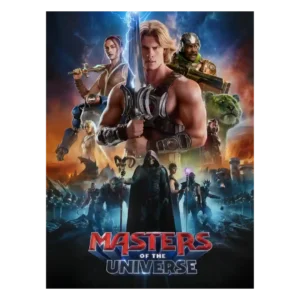
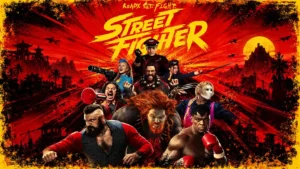
Masters of the Universe
Where It Has the Edge
- ending satisfaction is 4.4 vs 1.6. The climax and multiple post-credit teases generally leave enthusiastic viewers wanting a sequel, though the franchise setup will...

Scorata scores summarize analyzed review evidence on a 1–5 scale; they are not laboratory measurements or a simple average of customer star ratings. Feature scores summarize the reviews covering that feature. The overall score averages feature scores within each review, then combines review averages. When both expert and customer evidence are available, those two groups receive equal weight. Products can have different review coverage, so small score gaps do not establish a winner.
Recommendations prioritize important features for the category, with a score of at least 3.5, a gap of at least 0.25 points and at least two supporting reviews per product. Features with widely varying scores or broad connectivity contexts are excluded from recommendations. These safeguards do not establish statistical significance.
Quick verdict
The review evidence points to a tradeoff: ending satisfaction versus visual style. Choose according to which strengths matter more to you; the overall score alone does not settle that choice.
Choose Masters of the Universe for ending satisfaction.
Choose Street Fighter for visual style.
Scores are out of 5. Missing scores mean missing review evidence, not a missing feature.
The climax and multiple post-credit teases generally leave enthusiastic viewers wanting a sequel, though the franchise setup will matter less to skeptical viewers.
An abrupt stop and unresolved villain business are the most persistent frustrations. A minority accept the sequel tease, but many feel denied a complete climax.
The largely bloodless action is still heavier and more frequent than several reviewers expected from a family-oriented toy franchise.
One assessment enjoys the exaggerated action’s willingness to use the full range of its PG-13 allowance.
The digital work is uneven. Skeletor and many fantasy elements impress, but several reviewers noticed rough compositing, weightless environments, and poorly integrated creatures.
Blanka and the enhanced combat look convincing and entertaining to some. Others find the creature effect or added visual embellishments fail to land.
Duncan’s redemption and Adam’s gentler approach to heroism give the story some satisfying growth. Other supporting characters and relationships receive less development than reviewers wanted.
Ken and Ryu receive the most developed arcs, with some finding real emotional rewards. Chun-Li and much of the wider roster are often left with thin motivations and unfinished personal stories.
The dialogue earns laughs when it embraces the absurdity, but some reviewers wanted sharper lines and fewer repetitive innuendos.
Clumsy exposition, obvious declarations of motivation, and weak one-liners are recurring complaints. A few quotable moments do little to erase the sense of rough dialogue.
The film attempts a thoughtful contrast between brute strength and empathy, but critics disagree on whether it develops that idea or merely gestures toward it.
Themes of insecurity and reconciliation suggest more substance than the film consistently delivers. Unfinished emotional threads and cautious satire limit the payoff.
The strongest consensus is that the movie understands and recreates the cartoon’s costumes, characters, silliness, and toy-box spirit with obvious affection.
Costumes, signature moves, game themes, and deep references often capture the arcade spirit. Some devoted fans object to altered personalities or feel the movie misses the games’ more serious appeal.
The hero’s journey is familiar and frequently compared with other major fantasy franchises. Its self-aware treatment of He-Man gives the formula some personality but not much novelty.
The film’s visual personality and refusal to follow a standard blockbuster look appeal to some. Familiar dramatic tropes and borrowed cultural references leave others wanting more invention.
The action stays busy, but a predictable path and obvious outcomes limit tension, especially through the middle of the movie.
Investment in who wins is sharply split. Character-driven fights create suspense for some, while weak stakes and an unimportant tournament leave others indifferent.
The 140-minute-plus length is the most consistent complaint. Even positive reviewers felt the origin story, repeated jokes, and stacked battles needed substantial trimming.
Many find two hours excessive given the thin story and uneven focus. Some enthusiastic fans instead want more time with the characters and a fuller payoff.
The movie has sincere ideas about empathy and failure, yet some emotional beats land flat because jokes or familiar clichés interrupt them.
The central bond can feel sincere and moving when the leads have room to connect. Others find the emotional turns rushed, unearned, or undercut by jokes.
The knowingly campy humor is the movie’s biggest dividing line. Supporters found it much funnier than expected, while detractors felt relentless quips and self-mockery weakened the adventure.
The humor is highly divisive, with Guile and Ken often earning the strongest laughs. Juvenile sexual gags, strained delivery, and jokes that interrupt drama are frequent drawbacks.
The editing keeps many action scenes moving, but transitions and later battle sequences can feel repetitive, spotty, or visually muddled.
Abrupt transitions and constant cuts repeatedly interrupt scenes, fights, and character beats. Several describe a film that feels heavily compressed or assembled from incompatible pieces.
The fights are usually energetic, clearly staged, and colorful, with several standout set pieces. A minority found later battles repetitive or too dependent on weightless digital spectacle.
Inventive hotel, sauna, and club brawls provide some of the biggest pleasures. Frantic coverage, missed tournament bouts, and a less satisfying second half prevent universal enthusiasm.
The script contains a promising empathy-centered idea, but many critics felt overused jokes, contradictory themes, and underdeveloped story logic kept it from cohering.
The screenplay’s structure, exposition, and comedy attract frequent criticism. Its flashes of fun and occasional emotional successes rarely silence concerns about focus.
The glam-rock score is one of the most consistently praised elements, giving the action scale, momentum, and an unmistakable 1980s identity.
Recognizable character themes are a major delight, giving introductions and fights an extra charge. Their arrangements are singled out as a reason to hear the film on a big screen.
The opening and Earth material often take too long to reach the main adventure, and the lengthy final stretch can feel repetitive even when the action remains lively.
The energy can feel exhilarating, but rushed scenes and an uneven second half are common complaints. Some also find the early live-action setup slow to reach the promised fights.
The lead pairing has appealing chemistry, and the Teela-Duncan family dynamic adds warmth and friction to the adventure.
Ken and Ryu’s contrasting temperaments create lively sparring and, for many, believable brotherly feeling. Their scenes together are frequently singled out as stronger than the surrounding story.
The simple good-versus-evil framework works as uncomplicated adventure for some viewers, but others found the plot sloppy, derivative, or emotionally empty.
The Ken–Ryu thread has defenders, but an overstuffed plot and a sidelined tournament repeatedly weaken the story. Missing fights and unresolved threads are central complaints.
The basic quest is easy enough for fans, but compressed lore, unexplained gaps, and dropped threads can make the story confusing for newcomers.
A simple tournament premise becomes difficult to follow as side plots, flashbacks, and character introductions collide. Several viewers struggle to understand the priorities or connect one scene to the next.
The movie constantly balances sincere heroism with parody and self-aware camp. Some found that blend charming, while many thought the jokes repeatedly undercut stakes and emotion.
The collision of sincere rivalry, cartoon action, and crude comedy is the film’s defining tradeoff. Some find the mixture exuberant; many feel the pieces clash or that jokes spoil earned emotion.
Real sets, physical costumes, and practical creature work give many scenes a welcome sense of texture and help ground the more fantastical imagery.
Practical physicality and wire work give the fights a tangible sense of impact. That hands-on approach helps make character-driven confrontations engaging.
The bright pulp-fantasy sets and analog sci-fi details bring Eternia to life and closely resemble an elaborate live-action toy world.
Neon environments and a vivid game-like world appeal to some. Others find the arena artificial or the period setting insufficiently realized.
Bold colors, retro fantasy design, and comic-book energy give the film a distinctive surface. Heavy digital environments sometimes make that world feel glossy and weightless.
Bright colors, neon, exaggerated designs, and anime-inspired energy give the film a striking identity. A smaller set of reactions finds the flashiness hollow or overwhelming.
The adventure can work for older children and teens, but reviewers repeatedly warn that some deaths, grotesque imagery, and violence may be too intense for younger kids.
One favorable response describes the language and violence as relatively mild for this kind of film. Other supplied content descriptions include harsher images and sexual material, so that approval is not universal guidance.
The synths, rock songs, Queen references, and guitar-heavy soundtrack give the movie a lively retro personality that complements its colorful camp.
Retro songs and game music can deliver a powerful nostalgic rush. Others find the constant needle drops intrusive, overused, or careless about the stated period.
The ensemble is widely considered better than expected for a toy-based blockbuster, with several performers bringing charm, comic timing, and emotional weight.
The cast’s commitment often makes the exaggerated world enjoyable, even for viewers who dislike the film. Others find performances stiff, amateurish, or mismatched in tone.
Many reviewers found it colorful, energetic, and unexpectedly fun, especially as a popcorn movie. Others found the same approach exhausting, shallow, or too dependent on nostalgia.
Enjoyment varies dramatically: some have a colorful, anarchic blast, while others find the experience tedious or exhausting. Appreciation for camp and tolerance for loose storytelling make a substantial difference.
Fans and viewers who enjoy campy fantasy may revisit it for the characters, music, and Easter eggs, while others see limited novelty after the first viewing.
Fans point to dense Easter eggs, favorite fights, and colorful spectacle as reasons to return. At least one disappointed viewer finds the messy whole too frustrating to revisit.
The hand-drawn flashbacks are the standout achievement, repeatedly praised for vivid design, fluid action, and emotional force. A few find the repeated returns disruptive, but many would gladly watch an entire film in this style.
The vibrant, punchy aesthetic helps the action feel unrestrained and playful.
Unexpected choices often make the roster feel pulled straight from the games. The enthusiasm is widespread, though some performers and character interpretations sharply divide opinion.
Fighting-community cameos add an enjoyable layer of recognition for fans and contribute to the celebratory atmosphere.
Guile and other promoted fighters often have far less to do than expected. Brief appearances and missing matches leave viewers wanting more time with favorites.
The camera can make punches feel forceful and physical comedy precise. Its restless movement and tight coverage also draw complaints that the choreography becomes harder to appreciate.
Weak timing and delivery make an already inconsistent comedy feel more awkward in one sharply negative reaction.
Dialogue sometimes becomes difficult to hear beneath the mix, weakening basic clarity.
Sakurai’s enthusiasm and visual boldness earn real admiration. His control of the sprawling story and conflicting tones is much more contentious.
The serious rivalry initially interests some viewers, but the crowded plotting and sudden comedy often weaken its dramatic pull.
The extra scene offers some exciting imagery but also reinforces the reliance on a possible sequel. Its effect depends on tolerance for unfinished setup.
The crowded roster supplies plenty of recognizable faces but strains the narrative. Supporting fighters frequently become introductions or cameos rather than fully integrated characters.
Families with older children can have a lively time, but the PG-13 violence, scary deaths, and adult jokes make it a poor fit for the youngest viewers.
The animated passages’ expanded IMAX framing adds another reason to appreciate them on a premium screen.
The fractured friendship between Ken and Ryu gives the film its strongest emotional thread for several viewers. Dan’s bond with Ken is more divisive, ranging from touching loyalty to awkward, unconvincing companionship.
The deliberately unserious action-comedy approach works for viewers who embrace its energy. Its appeal depends on accepting broad camp rather than expecting a solemn fighting drama.
Some jokes feel uncreative or too densely packed to have an impact. The volume of gags does not consistently produce freshness.
The queer-coded jokes receive criticism for feeling homophobic or reducing queerness to a punchline.
Dark chambers and later fights can obscure the action. The lack of visibility is especially disappointing in a world expected to be colorful.
Most creature and costume work supports the colorful fantasy, but one reviewer noticed an unconvincing wig that broke the illusion.
The film’s emphasis on empathy, kindness, and a healthier model of masculinity is often praised. Critics argue that the message becomes muddled when every conflict is ultimately solved through violence.
The leads’ combat can convey personality and comedy at once, making their physical interplay a particular strength.
The treatment of Chun-Li and other women draws criticism for objectifying shots and thin characterization. The athletic work is often admired even when the writing disappoints.
A recognizable Jolt Cola appearance provides a small but effective nostalgic pleasure.
Knowing jokes about the material’s absurdity can feel defensive rather than clever. Several critics want the film to rise above the silliness it acknowledges.
The sexual material divides opinion, from playful excess to distasteful juvenile humor. Its presence is not itself a quality strength; the execution and fit are what split viewers.
Many enjoy how effects realize the games’ impossible action. Others feel the embellishments add little impact or fail to convince.
The choreography frequently earns strong praise for distinct styles, inventive surroundings, and recognizable moves. A few find too much generic punching or too little sustained combat.
The impossible special moves are part of the fun, bringing the games’ exaggerated combat into live action.
Bison’s strange, theatrical menace delights some and leaves others unconvinced or irritated. Akuma is often more effectively imposing, but the split antagonists complicate the payoff.
Longtime He-Man fans and nostalgic adults are the clearest audience, though several newcomers also found it accessible and fun. Some critics doubt the property has enough relevance for a broad modern audience.
The eccentric fighters offer memorable personalities and bursts of charm. Ken’s clowning, underwritten supporting roles, and caricatured behavior can also make them difficult to care about.
Critical enthusiasm is sharply divided, with some embracing the campy throwback and others rejecting it as creatively unsuccessful nostalgia packaging.
The neon styling, familiar moves, and retro music bring back arcade-era excitement for many. Others feel the nostalgia becomes disposable decoration or wears thin before the end.
Akuma’s voice work earns praise for strengthening the character’s presence.
Faithful costumes and exaggerated hair help the fighters look instantly recognizable. They are often part of the visual fun, though one reaction finds the styling more like poor cosplay.
Loud mixing and constant shouting can exhaust viewers and bury dialogue. The problem sometimes makes basic exchanges difficult to understand.
The game’s unusual characters and powers can feel naturally at home in the movie’s heightened world. Others find its mythology too briefly explained to support a deeper story.
Songs and references repeatedly clash with the stated 1993 setting. Some accept the broader nostalgic feel, while others find the carelessness distracting.
Koji and Centineo often provide the film’s most convincing acting and physicality. Their work can hold attention despite thin writing, though not everyone warms to their contrasting styles.
One favorable assessment finds the finished film more colorful and strange than the trailers suggested.
Guile, Bison, and several eccentric fighters regularly steal scenes. Other supporting turns feel strained, wasted, or unevenly matched to the material.
For an enthusiastic fan, hearing familiar themes in the theater can justify the admission price on its own.

Choose this inventive, unsettling documentary for fearless questioning, dark humor, and unpredictable storytelling. Skip it if you want a short, straightforward exposé with definitive answers.
Pros: originality, humor

Best for a hypnotic, bookish mystery with tactile visuals and cerebral chills. Skip it if reading-heavy, attention-demanding storytelling sounds more exhausting than exciting.
Pros: Atmosphere, cinematography
Cons: audience appeal

Best for an intimate, searching documentary that rewards focused attention and invites discussion. Skip it when devastating grief, addiction footage, and unresolved family tensions would be too much.
Pros: emotional impact, theme depth

Best for patient suspense, an unforgettable score, and an unsettling masked killer. Skip it for very young children or if you want to avoid intense scares; its restrained kills also...
Pros: directing quality, score quality
Cons: message quality