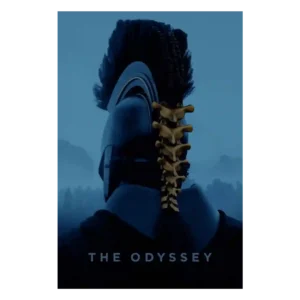
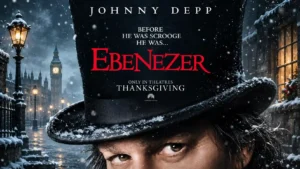
The Odyssey
Where It Has the Edge
No clear scored advantage over the other product.

Scorata scores summarize analyzed review evidence on a 1–5 scale; they are not laboratory measurements or a simple average of customer star ratings. Feature scores summarize the reviews covering that feature. The overall score averages feature scores within each review, then combines review averages. When both expert and customer evidence are available, those two groups receive equal weight. Products can have different review coverage, so small score gaps do not establish a winner.
Recommendations prioritize important features for the category, with a score of at least 3.5, a gap of at least 0.25 points and at least two supporting reviews per product. Features with widely varying scores or broad connectivity contexts are excluded from recommendations. These safeguards do not establish statistical significance.
Quick verdict
The available evidence supports the recommendation below, but does not establish an overall winner. Check the remaining features against your priorities.
There is not enough comparable review evidence to recommend The Odyssey over the other product.
Choose Ebenezer for supporting cast performance and audience appeal.
No clear scored advantage over the other product.
Scores are out of 5. Missing scores mean missing review evidence, not a missing feature.
Several monster encounters and sea sequences create strong, sustained tension, especially the Cyclops and Circe passages.
The inevitable turns of the well-known plot leave little uncertainty, and one especially critical account finds almost no suspense.
The editing handles nested timelines with impressive fluidity for many reviewers, while others find the opening and transitions too aggressive.
Quick cutting in conversation is said to work against an otherwise carefully recreated period atmosphere.
The plainspoken modern dialogue makes the ancient story immediate for some, while words such as “dad” and contemporary profanity feel jarring to others.
The dialogue quality is criticized, with a particular emphasis on second-screen dialogue that has zero faith that its audience.
The fractured chronology and nested storytelling make the familiar myth feel newly constructed, but the approach can initially disorient viewers.
The horror dressing and a handful of new scenes provide variation, but the story remains very familiar and often falls short of its reinvented-Scrooge marketing.
The film’s plea for hospitality, accountability, peace, and basic human decency resonates strongly, though a few reviewers find the message overstated.
Compassion, generosity and second chances remain central. Viewers most receptive to these themes often find the film heartfelt despite its macabre surface.
Humor appears sparingly, often through modern phrasing or character behavior; reactions range from welcome relief to tonal distraction.
There are flashes of comic energy and a few good lines, but numerous critics find the humor too sparse, too broad or poorly timed.
Most reviewers find the story sweeping, thoughtful, and emotionally resonant, though detractors call its nonlinear telling cluttered or dull.
The classic moral journey is readable and occasionally stirring, but the familiar plot gives some viewers little reason to prefer this telling.
The screenplay gives the myth modern themes and structure, though some reviewers object to exposition, contemporary phrasing, or over-explained ideas.
Nathaniel Halpern maintains Dickens’ recognizable structure and adds moments of backstory, but the dialogue and limited reinvention frustrate several critics.
The film moves between horror, war drama, family tragedy, fantasy, and spectacle; some praise the range while others find the shifts uneven.
The tonal consistency is treated as a tradeoff, with a particular emphasis on compounding this is the tonal confusion, as the film.
Ludwig Göransson’s score is widely praised as propulsive, ritualistic, and intense, though its volume and electronic textures divide some listeners.
Gothic strings and Christmas-carol motifs fit the mood for some, but others find the music forgettable or too insistent during emotional scenes.
The blend of visual and physical effects is generally seamless, with a few creatures or large-scale attacks drawing criticism.
The blend of physical and digital ghost effects is treated as a polished strength of the production.
Odysseus is presented as a deeply conflicted leader whose pride, guilt, and growing accountability give the journey meaningful personal development.
Extra attention to Scrooge’s sister, Belle and his earlier regrets can make him more human; others consider the transformation too abrupt or overly explained.
The homecoming climax is widely described as rousing and satisfying, even by some reviewers who disliked earlier sections.
The extended Christmas-morning redemption charms several viewers, but others find its sweetness, speed or altered Cratchit resolution unconvincing.
Christopher Nolan’s direction is admired for its ambition, control, and physical scale, but critics of the film see self-seriousness and emotional distance.
Ti West’s control of Gothic imagery impresses some, while others fault the direction for excessive caution, slow stretches or lack of personality.
Practical effects give the danger weight and authenticity, especially in storms, creatures, collapsing structures, and the Trojan Horse.
The movie’s combination of makeup and physical ghost details makes the supernatural elements convincing and tactile.
The IMAX cinematography is one of the strongest points of agreement, praised for vast landscapes, tactile close-ups, and overwhelming scale.
The smoky, coal-dark photography and retro visual flourishes draw praise, although some find the muted palette and close-ups unpleasantly monotonous.
As a mythic epic, war film, adventure, and horror-tinged blockbuster, it satisfies many genre expectations while deliberately resisting light fantasy escapism.
The Hammer-inspired ghost story is enjoyable for those seeking Gothic touches, but its relatively restrained PG-13 approach may disappoint hard-horror devotees.
The patient pace builds scale and anticipation for some viewers, but others find stretches slow, clunky, or exhausting.
Some appreciate the steady unfolding of the familiar tale, whereas others complain that the chapters drag and the runtime feels longer than it is.
The themes of homecoming, guilt, family, and war land powerfully for many viewers, while others feel the characters remain emotionally remote.
Some viewers are moved to tears by Scrooge’s remorse, reunions and carols. Others find Depp’s eccentricity or the bleak presentation leaves the ending cold.
Reviewers frequently praise the film’s treatment of war trauma, guilt, hospitality, leadership, and civilization, even when they question its subtlety.
The theme depth is treated as a tradeoff, with a particular emphasis on on solid footing, psychologically and theologically. between the dreamy.
The adaptation preserves the poem’s core journey and themes while combining, omitting, and reshaping episodes; purists are more divided than general viewers.
The five-stave structure and central moral survive largely intact, with a new Marley prologue and expanded personal history. Some welcome the fidelity while others find it overly cautious.
The Cyclops, Circe, Hades, and body-horror imagery deliver unexpectedly effective scares, though not every fantastical threat is equally convincing.
Rotting spirits, zombie-like crowds, body-horror imagery and jump scares distinguish the ghost sequences. Opinions split on whether the frightening material is effective or too restrained.
Costumes and armor are frequently admired for their bold, symbolic look, although a few reviewers find specific designs historically awkward or unattractive.
Period clothing strengthens the shadowy Victorian look and helps distinguish the haunted characters; the craftsmanship receives favorable notices.
The film’s dark, elemental imagery is often called breathtaking, though some critics find the muted palette relentlessly bleak.
The icy Gothic presentation and analog filmmaking touches are a major draw, even though some viewers tire of the gloom.
Palaces, ships, battlefields, and ancient settlements feel substantial and handcrafted, giving the production unusual physical presence.
Detailed Victorian interiors, filthy streets and Gothic architecture are consistently among the most admired elements, even in otherwise unfavorable assessments.
The supporting cast supplies many memorable turns, with Samantha Morton, Robert Pattinson, John Leguizamo, and others frequently singled out.
The ghosts and Marley are frequent highlights, with Tillman and McKellen especially praised; several critics wish the smaller roles had more room to breathe.
Matt Damon’s weathered, vulnerable Odysseus anchors the film for most reviewers, though a minority find his performance overly subdued.
Johnny Depp divides opinion as Scrooge: some find real vulnerability and a convincing change of heart, while others see broad mugging and familiar mannerisms that blunt the redemption.
The ensemble is broadly praised for grounding the spectacle, although a few critics find certain performances muted, overplayed, or underused.
The ensemble is often judged more persuasive than the lead, with particularly divided reactions to the theatrical style of Scrooge himself.
The scale, recognizable cast, and accessible core story give the film broad event-movie appeal, though its intensity and length narrow the audience.
Audience reactions vary widely: some screenings respond warmly to the humor and redemption, while critics split over the lead performance.
Most reviewers describe the film as transporting event cinema, while a vocal minority find the scale more punishing than entertaining.
A solid spooky holiday outing for some, a repetitive and even punishing experience for others; enjoyment tracks strongly with the appetite for another Scrooge adaptation.
The accent authenticity is praised, with a particular emphasis on timing and sonorous british accent might have been.
The battles, sea disasters, and final confrontation are often thrilling and immense, but some reviewers find individual melee scenes messy or overbearing.
Fog, blackened interiors, decaying ghosts and frosty streets create a heavily Gothic Christmas world. It is memorable to many, oppressive to others.
The supporting players fit the ghosts and Marley well; objections focus chiefly on whether Depp is right for this Scrooge.
CGI is used sparingly and often integrates well with practical work, though isolated effects are described as unconvincing.
Wealth inequality and Scrooge’s disdain for the poor still feel timely, although some find the new excuses for his cynicism muddy Dickens’ social critique.
Depp’s gruff mannerisms and Ridley’s sharp reactions produce some laughs, though the comedy rarely satisfies everyone.
The inclusive casting and American accents are praised as purposeful modernization by some reviewers and criticized as distracting or inauthentic by others.
The intimate family and political drama gives the spectacle human stakes, though some viewers wanted a stronger emotional center.
Its familiar holiday message does not make it gentle viewing: unusually unsettling apparitions and frightening moments trouble the family-film balance.
The apparent parallel between Scrooge’s redemption and Depp’s return is distracting or cynical to some, while others set it aside to enjoy the film.
The genre blending is praised, with a particular emphasis on ‘ebenezer’ much of its distinctive personality. meanwhile, the costume.
The gore-sensitive viewing is criticized, with a particular emphasis on the ghost of christmas present’s ribcage—will make them want.
Modern vocabulary and profanity make the dialogue accessible for some audiences but undermine the ancient setting for others.
Corpse-like ghost makeup and Depp’s aging prosthetics create tactile transformations, with practical work singled out for praise.
The extended setup and repeated miserly behavior feel redundant when the story is already familiar.
The narrative stakes is criticized, with a particular emphasis on lack of faith in its audience make a would-be.
The Marley prologue gives their friendship context, while the credits immediately establish the analog-horror aesthetic.
Many reviewers say the film remains surprisingly accessible despite its density, while others struggle with the rapid setup and shifting timelines.
Real locations, physical sets, practical craft, and rough textures make the myth feel unusually tangible, though historical literalism is not the goal.
The Christian themes of grace, forgiveness and kindness resonate strongly for some, while another critic finds certain religious additions overly solemn.
Expanded material about Belle attracts mixed-to-negative reactions, especially when the reconciliation feels modernized or sentimental.
The nearly three-hour runtime feels purposeful and absorbing to supporters, but detractors experience it as ponderous or exhausting.
The violence is brutal and morally troubling rather than carefree; some appreciate that severity, while others find it excessive or emotionally hollow.
Scrooge’s familiar eccentricity is lively enough to entertain some, but others struggle to sympathize with his abrasive behavior.
Critical reaction is largely enthusiastic about the achievement, with substantial disagreement over whether the spectacle reaches emotional greatness.
The focus on Depp’s comeback can distract from the filmmaking strengths that some critics value more.
The title appeal is criticized, with a particular emphasis on a bit of a desperate lie. the character of.
Ghostly transformations, especially the corpse-bride Past and decaying Present, are visually memorable; not everyone likes how the characterizations depart from warmer versions.
Christmas Past’s blank eyes, Present’s cracking skin and his hidden ghastly creatures are striking, though some designs strike critics as familiar.
The sound design is thunderous and immersive for many viewers, but some complain that the mix overwhelms dialogue or becomes fatiguing.
The tactile islands, palaces, seas, and mythic creatures create a convincing ancient world that feels grounded rather than decorative.
The stylized Bronze Age setting and deliberate anachronisms divide viewers who prioritize atmosphere from those seeking stricter historical authenticity.
Advertising suggests a radical origin story or new twist, while the movie mostly follows Dickens. This gap between promise and delivery draws repeated criticism.
Costumes, sets, makeup and retro photography give the studio production a tangible richness, even when critics dislike the storytelling.
Even those who find parts enjoyable often hesitate to make it an annual Christmas tradition, preferring older adaptations.

Choose this inventive, unsettling documentary for fearless questioning, dark humor, and unpredictable storytelling. Skip it if you want a short, straightforward exposé with definitive answers.
Pros: originality, humor

Extraordinary performances and richly observed relationships make this a rewarding, emotionally forceful drama. Its nearly three-hour length and slow opening demand patience and undivided attention.
Pros: class commentary, character development

Best for a hypnotic, bookish mystery with tactile visuals and cerebral chills. Skip it if reading-heavy, attention-demanding storytelling sounds more exhausting than exciting.
Pros: Atmosphere, cinematography
Cons: audience appeal

Best for an intimate, searching documentary that rewards focused attention and invites discussion. Skip it when devastating grief, addiction footage, and unresolved family tensions would be too much.
Pros: emotional impact, theme depth