Scorata scores summarize analyzed review evidence on a 1–5 scale; they are not laboratory measurements or a simple average of customer star ratings. Feature scores summarize the reviews covering that feature. The overall score averages feature scores within each review, then combines review averages. When both expert and customer evidence are available, those two groups receive equal weight. Products can have different review coverage, so small score gaps do not establish a winner.
Recommendations prioritize important features for the category, with a score of at least 3.5, a gap of at least 0.25 points and at least two supporting reviews per product. Features with widely varying scores or broad connectivity contexts are excluded from recommendations. These safeguards do not establish statistical significance.
Quick verdict
What each product is best for
The review evidence points to a tradeoff: action sequence quality and pacing versus world-building. Choose according to which strengths matter more to you; the overall score alone does not settle that choice.
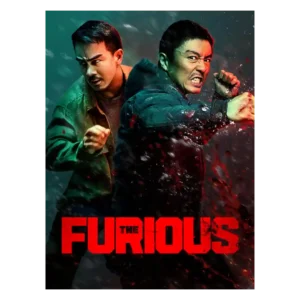
Choose The Furious for action sequence quality and pacing.
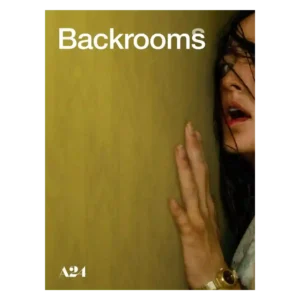
Choose Backrooms for world-building.
Why these recommendations?
The Furious
Where It Has the Edge
action sequence quality is 4.9 vs 2.3. The fight sequences are exceptional: inventive, punishing, clearly staged, and constantly escalating. Prop-based combat, layered group choreography, and...
pacing is 4.7 vs 3.5. The movie moves with relentless, high-energy momentum and rarely allows the action to cool down. A few viewers...
audience appeal is 4.9 vs 3.8. The movie is built for a loud communal experience, with applause, laughter, gasps, and cheering enhancing its impact....
Backrooms
Where It Has the Edge
world-building is 4.4 vs 2.3. The feature expands the web-series mythology without fully closing off its mysteries, giving established fans many connections and...
The Furious4.0 overall score
Backrooms4.2 overall score
Compare features
Scores are out of 5. Missing scores mean missing review evidence, not a missing feature.
Scored on both products
Other features
Runtime
The Furious
1.5
The nearly two-hour length can feel excessive, especially after the rescue plot reaches an earlier emotional peak. The extended final act may test anyone less invested in pure combat.
Backrooms
4.5
At roughly 110 minutes, the film was described as brisk by one reviewer despite its deliberate internal pace. Its length gives the spaces room to breathe without making the feature feel oversized.
CGI quality
The Furious
2.3
CGI quality is inconsistent: some blood effects look credible, while other blood, lip-sync work, and isolated digital shots appear obvious or crude. The physical stunt work remains strong enough to overshadow most of it.
Backrooms
5.0
The computer-generated passages preserve the uncanny texture of the original web series and deliver strong visual impact. They blend with the physical sets while retaining a deliberately unreal quality.
Action sequence quality
The Furious
4.9
The fight sequences are exceptional: inventive, punishing, clearly staged, and constantly escalating. Prop-based combat, layered group choreography, and the five-way finale make the action feel genre-leading.
Backrooms
2.3
The film is strongest during restrained exploration rather than overt action. Several reviewers criticized the third-act chase and explicit climax as overblown, generic, or less frightening than the slow build.
Special effects quality
The Furious
2.0
The practical action is impressive, but a few digital and low-budget effects look cheap, especially near the climax. These flaws are brief and rarely distract for long.
Backrooms
4.0
The creatures and distorted figures are designed to look unnerving rather than conventionally polished. Their impact is strongest when partially hidden; clearer views sometimes make them feel less scary.
Writing quality
The Furious
1.7
The screenplay is widely viewed as functional at best, with thin plotting, blunt dialogue, and obvious dramatic shortcuts. It succeeds mainly by creating reasons for the next elaborate confrontation.
Backrooms
3.4
The screenplay earns praise for economical exposition, psychological ideas, and character interiority in its best passages. Its weaker sections rely on clunky explanations, uneven dialogue, and late lore that can flatten the mystery.
Emotional impact
The Furious
3.8
The father-daughter bond and anger at the traffickers give the action real emotional force. Some dramatic beats land less effectively, especially when the dubbing or late-story structure gets in the way.
Backrooms
5.0
The film’s strongest passages turn the nightmare architecture into an emotionally coherent story about grief, isolation, and damaged memory. The sadness carried by the performances gives the abstract horror lasting weight.
Pacing
The Furious
4.7
The movie moves with relentless, high-energy momentum and rarely allows the action to cool down. A few viewers found the sustained intensity exhausting or thought the first two-thirds held back before the finale.
Backrooms
3.5
The deliberate slow burn gives the eerie spaces room to work and builds heavy dread for patient viewers. Others felt the sparse middle stretches, long explorations, or lack of narrative drive became simply slow.
Plot clarity
The Furious
3.9
The central rescue mission is straightforward and easy to follow. Its clarity keeps the movie moving, though the minimal plotting can feel underdeveloped.
Backrooms
2.9
The film intentionally withholds answers, and that ambiguity can be intriguing and discussion-provoking. It also frustrates viewers when lore becomes either too opaque or too heavily explained, especially late in the story.
Originality
The Furious
3.6
The kidnapping-and-revenge setup is familiar and predictable, with little novelty in the plot itself. The tradeoff is easier to accept because the combat presentation feels fresh.
Backrooms
4.4
Reviewers consistently describe the film as visually distinctive, culturally timely, and unlike most mainstream horror. Even detractors recognize the freshness of turning internet-born liminal imagery into a large-scale cinematic world.
Dialogue quality
The Furious
2.1
Awkward English dialogue, conspicuous ADR, and clunky dubbing are persistent distractions. The next fight usually arrives quickly enough to keep these flaws from sinking the movie.
Backrooms
2.8
Dialogue is uneven: psychological exchanges can clarify the themes, but several reviewers found scenes mandatory, awkward, or unintentionally strange. The actors often make the lines work better than the script does.
Character development
The Furious
2.7
Character work is one of the weaker areas, with the adults often feeling thin or barely developed. Distinct personalities and family relationships still provide enough investment for the action.
Backrooms
3.5
Clark and Mary have clear psychological wounds, but reviewers split on how fully the script develops them. Strong performances communicate more than the page, while motivations, supporting characters, and some late turns can feel thin.
Violence level
The Furious
3.3
The violence is extreme, graphic, and nearly constant. Genre fans often embrace its outrageous brutality, but sensitive or squeamish viewers are likely to find the level overwhelming.
Backrooms
4.0
The movie relies more on dread than gore, but its limited grim and gruesome shocks provide enough intensity for viewers who want some bloody payoff without constant graphic violence.
Genre satisfaction
The Furious
5.0
The movie delivers exactly what martial-arts fans want: escalating hand-to-hand combat, distinct fighting styles, and spectacular physical skill.
Backrooms
4.5
As liminal and experimental horror, the film delivers an intense, disturbing, and unusually cerebral experience. It is less satisfying for viewers expecting a conventional monster movie or a steady stream of crowd-pleasing scares.
Humor
The Furious
4.5
The movie finds grim humor inside its brutal fights, using absurd props, exaggerated durability, and sudden comic reversals. That dark playfulness helps keep the carnage from becoming monotonous.
Backrooms
4.0
Small moments of knowing humor and absurd dialogue keep the film from becoming overly solemn. The comedy is generally restrained, though some viewers felt it occasionally reduced the scares.
Directing quality
The Furious
5.0
Kenji Tanigaki’s direction is a major strength, presenting complicated movement with confidence and clarity. He turns a basic premise into a showcase for world-class physical filmmaking.
Backrooms
4.6
Kane Parsons is widely praised for remarkably assured control of mood, spatial tension, and visual horror in his feature debut. Criticism centers on later over-explanation and a few overreaching narrative choices rather than his filmmaking instincts.
Ending satisfaction
The Furious
3.4
The climactic combat is spectacular, but the surrounding resolution is uneven. The rushed wrap-up, extra epilogue, and fading dramatic stakes may leave the ending less satisfying than the final fight.
Backrooms
3.0
The ending is the most divisive element. Some found the final image haunting, open-ended, or cathartic, while many called the climax anticlimactic, overly conventional, confusing, or obvious sequel bait.
Message quality
The Furious
4.1
The anti-trafficking message is direct, emotionally accessible, and fueled by anger at corrupt institutions. Some find it simplistic, while others appreciate the cathartic call for protection and accountability.
Backrooms
4.5
The film turns abandoned retail and office spaces into an anxiety about isolation, lost communal life, and a world becoming increasingly artificial. That cultural reading gives the liminal imagery relevance beyond simple creepiness.
Suspense
The Furious
5.0
The rescue stakes, breathless chases, and dangerous close-quarters fights keep tension high even when the plot is predictable.
Backrooms
4.7
Long corridors, distant noises, hidden figures, and unstable camera movement sustain a persistent sense of danger. Reviewers repeatedly praised the film for making anticipation and uncertainty more frightening than overt attacks.
Editing quality
The Furious
4.2
Editing is generally clear and rhythmic, letting completed moves land instead of hiding them behind frantic cuts. The sped-up look of the final fight is a rare visual misstep.
Backrooms
4.5
The editing helps move between polished cinematic framing and unstable found-footage passages while preserving disorientation. It is credited as part of the film’s distinctive overall craft.
Realism
The Furious
4.8
Long takes and visible physical effort make the fights feel tactile and authentic despite wildly unrealistic durability. Scrappy movement and practical execution sell the impact even when the physics become cartoonish.
Backrooms
4.5
Committed performances and tactile sets make the impossible setting feel emotionally and physically believable. The characters’ reactions help anchor the increasingly abstract nightmare.
Story quality
The Furious
3.1
The story is intentionally simple and often effective as a launchpad for the fights, but it becomes thin, messy, or poorly organized whenever the action pauses.
Backrooms
3.3
The premise and atmosphere are stronger than the conventional narrative holding them together. Some reviewers found the story emotionally coherent and compelling, while others saw an underbaked framework stretched around a powerful visual concept.
Score quality
The Furious
4.5
The electronic score heightens the film’s already intense action and helps make major set pieces feel even more forceful.
Backrooms
4.6
The eerie ambient score blends into the fluorescent hum and feels as though it emerges from the Backrooms itself. Its restrained, insidious textures support dread without overpowering the imagery.
Theme depth
The Furious
4.0
Beneath the mayhem, the film shows sympathy for exploited children and anger at wealthy, protected criminals. The social perspective adds weight, even though the themes remain direct rather than deeply explored.
Backrooms
4.1
The strongest interpretations connect the Backrooms to memory, grief, loneliness, self-deception, and destructive emotional loops. Most found meaningful psychological substance, though some thought the metaphors were underdeveloped or overwhelmed by atmosphere.
Cinematography
The Furious
4.7
The camera moves with the fighters while preserving spatial clarity, often using wide shots and energetic long takes. A few moments feel slippery, but the visual coverage is overwhelmingly praised.
Backrooms
4.6
Wide compositions, oppressive framing, found-footage perspectives, and carefully destabilizing camera movement make the endless rooms feel both enormous and claustrophobic. The camera often creates fear by making viewers question what they briefly saw.
Practical effects quality
The Furious
5.0
The reliance on trained performers, long takes, and visible in-camera movement is one of the film’s biggest attractions. Very little of the action feels dependent on doubles or glossy digital fakery.
Backrooms
5.0
Large physical sets and practical distortions give the Backrooms convincing texture and scale. The handcrafted elements were praised as visually precise and central to the film’s uncanny realism.
Tonal consistency
The Furious
4.5
The film balances bleak subject matter with cartoonish physical excess and grim humor surprisingly well. The contrast can be jarring, but it usually feels energizing rather than careless.
Backrooms
4.5
The oppressive, horrific tone is highly effective for most of the runtime. A few later explanations, jokes, or monster images disrupt the trance and make the final stretch feel sillier or more conventional.
Comfort and build
World-building
The Furious
2.3
The unnamed Southeast Asian setting creates a broad Pan-Asian backdrop, but it can feel vague and frustrating. The world functions more as action scaffolding than a fully realized place.
Backrooms
4.4
The feature expands the web-series mythology without fully closing off its mysteries, giving established fans many connections and newcomers a workable entry point. Some reviewers felt the late lore and Easter eggs became overbuilt.
Production design
The Furious
4.5
Industrial freezers, crowded clubs, tenements, streets, and a battered police station give each fight a distinct physical playground. The environments actively shape the choreography.
Backrooms
4.9
The vast yellow labyrinth is the clearest consensus standout, praised as tactile, uncanny, claustrophobic, and often the film’s real star. Physical sets, warped furniture, and impossible architecture turn bland commercial spaces into nightmare imagery.
Sound design
The Furious
4.9
Every punch, break, and impact is reinforced by aggressive, detailed sound design. The crunches and thuds make the fights more immersive, frightening, and satisfying.
Backrooms
4.8
Fluorescent hums, metallic groans, distant impacts, and muted ambient noise make the environment physically oppressive. The soundscape is repeatedly cited as essential to the film’s tension and spatial dread.
Visual style
The Furious
4.8
The film has a gritty, kinetic look that favors full-body movement, industrial spaces, and oily urban textures. Its visual approach makes the action feel distinctive rather than polished into generic spectacle.
Backrooms
4.6
The mix of harsh yellow lighting, analog textures, found footage, forced perspective, and surreal spatial design gives the film a distinctive identity. Reviewers admired how ordinary rooms become both familiar and deeply wrong.
Controls and connectivity
Critic appeal
The Furious
5.0
Enthusiasm is exceptionally high, with the film widely positioned as the year’s best action release and one of the strongest martial-arts movies in years.
Backrooms
3.5
Critical response is broadly enthusiastic about the craft and ambition but not unanimous. The movie’s opacity, slow pace, and narrative imbalance create a clear divide between admirers and skeptics.
Audience appeal
The Furious
4.9
The movie is built for a loud communal experience, with applause, laughter, gasps, and cheering enhancing its impact. It plays like a raucous crowd-pleaser.
Backrooms
3.8
The movie should resonate most with liminal-horror fans, younger viewers, and audiences comfortable with ambiguity and slow-burn art horror. Conventional horror viewers may find it too opaque, quiet, or narratively unusual.
Ownership and support
Entertainment value
The Furious
4.9
For action fans, the film is an exhilarating, funny, and highly satisfying ride. Its weak writing rarely diminishes the sheer pleasure of the physical spectacle.
Backrooms
4.3
Supporters found the film engrossing, compulsively watchable, and memorable despite its austere style. More skeptical viewers still considered it solid, but its vibe-driven structure limits broad entertainment appeal.
Rewatch value
The Furious
5.0
The intricate choreography and dense physical detail give the movie strong repeat-viewing appeal. Favorite fights contain enough layered movement to reveal new details on another watch.
Backrooms
5.0
The layered imagery, unresolved lore, and thematic details give the film strong repeat-viewing potential for viewers on its wavelength. Its mysteries invite reconsideration after the first viewing.
Performance
Acting performance
The Furious
4.1
The cast earns strong marks for physical commitment, while traditional dramatic acting receives more mixed reactions. Performances are most convincing when emotion is expressed through movement rather than dialogue.
Backrooms
4.5
The performances are a major strength, with Chiwetel Ejiofor and Renate Reinsve repeatedly praised for grounding the surreal material in sadness, fear, and human vulnerability. A few critics noted accent or script limitations, but the acting consistently elevates thin passages.
Supporting cast performance
The Furious
4.8
The supporting performers add memorable personality and varied fighting styles. Brian Le and Yang Enyou receive particular praise for making their roles more vivid than the thin script requires.
Backrooms
4.3
The supporting cast adds mystery and credibility, with Mark Duplass repeatedly singled out for a memorable cryptic presence. Smaller roles generally strengthen the world without distracting from the central pair.
Lead performance
The Furious
4.8
Xie Miao’s wordless intensity and physical presence carry the film, while Joe Taslim provides charisma and a complementary style. Their control, athleticism, and expressive action work are exceptional.
Backrooms
4.8
Chiwetel Ejiofor gives Clark wounded anger, obsession, and maniacal intensity while remaining emotionally legible. Reviewers widely praised his commitment, even when the character’s motivations or dialogue were less convincing.
Evidence available for one product
Controls and connectivity
Age appropriateness
The Furious
1.0
The savage violence, profanity, and disturbing child-trafficking material make the film appropriate only for mature viewers.
BackroomsNo score yet
Other features
Cast chemistry
The Furious
4.6
The central pair works well because their contrasting styles and shared purpose make them feel complementary. The father-daughter relationship also gives the action a convincing emotional anchor.
BackroomsNo score yet
Cultural representation
The Furious
4.4
The international cast and mixture of Chinese, Indonesian, Japanese, Thai, and Hong Kong action traditions give the film a distinctive Pan-Asian identity. The blend remains compelling even when the vague setting feels artificial.
BackroomsNo score yet
Drama quality
The Furious
2.5
The family conflict and trafficking premise provide a workable dramatic base, but quieter emotional scenes are much less convincing than the action.
BackroomsNo score yet
Faithfulness to source material
The FuriousNo score yet
Backrooms
4.5
The adaptation preserves the web series’ analog textures, liminal unease, found-footage language, and open mystery while expanding the concept into a feature. One reviewer wished the entire movie had stayed in found-footage form.
Family friendliness
The Furious
1.0
This is not family-friendly viewing despite its focus on parents and children. Graphic beatings, child endangerment, gore, and relentless brutality make it unsuitable for younger audiences.
BackroomsNo score yet
Scares
The FuriousNo score yet
Backrooms
4.1
The film favors sustained unease, hidden threats, and carefully placed shocks over constant jump scares. Many found it deeply creepy or terrifying, though several felt the later monster reveals and action made it less frightening.
Comfort and build
Costume design
The FuriousNo score yet
Backrooms
4.5
The early-1990s costuming helps the cast feel naturally embedded in the period and supports the film’s analog atmosphere without drawing attention away from the setting.
Performance
Soundtrack quality
The Furious
4.5
The hard-driving music adds momentum and gives the fights a charged, theatrical pulse. The forceful soundtrack is a strong companion to the nonstop movement.
Choose this inventive, unsettling documentary for fearless questioning, dark humor, and unpredictable storytelling. Skip it if you want a short, straightforward exposé with definitive answers.
Best for a hypnotic, bookish mystery with tactile visuals and cerebral chills. Skip it if reading-heavy, attention-demanding storytelling sounds more exhausting than exciting.
Best for an intimate, searching documentary that rewards focused attention and invites discussion. Skip it when devastating grief, addiction footage, and unresolved family tensions would be too much.
Best for patient suspense, an unforgettable score, and an unsettling masked killer. Skip it for very young children or if you want to avoid intense scares; its restrained kills also...