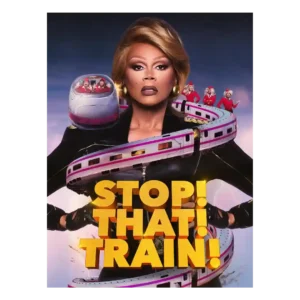

Stop! That! Train!
Where It Has the Edge
- sexual content level is 3.8 vs 2.3. The R-rated humor includes innuendo, sexual props, and raunchy jokes, though some viewers found it less explicit than...

Scorata scores summarize analyzed review evidence on a 1–5 scale; they are not laboratory measurements or a simple average of customer star ratings. Feature scores summarize the reviews covering that feature. The overall score averages feature scores within each review, then combines review averages. When both expert and customer evidence are available, those two groups receive equal weight. Products can have different review coverage, so small score gaps do not establish a winner.
Recommendations prioritize important features for the category, with a score of at least 3.5, a gap of at least 0.25 points and at least two supporting reviews per product. Features with widely varying scores or broad connectivity contexts are excluded from recommendations. These safeguards do not establish statistical significance.
Quick verdict
The review evidence points to a tradeoff: sexual content level versus cinematography and special effects quality. Choose according to which strengths matter more to you; the overall score alone does not settle that choice.
Choose Stop! That! Train! for sexual content level.
Choose The Social Network for cinematography and special effects quality.
Scores are out of 5. Missing scores mean missing review evidence, not a missing feature.
One strongly negative critic felt the disputed, cheap-looking effects made the theatrical ticket feel insulting, while most others focused less on price.
The two-disc Blu-ray earns a strong ownership recommendation through the combination of an admired film, good presentation, and extensive extras.
Fans may enjoy repeat communal screenings and quote-alongs, but inconsistent jokes, dated references, and rough effects limit broader replay value.
Repeat viewings often renew admiration or reveal greater emotional and thematic richness. One viewer finds it rewarding to revisit occasionally but unlikely to become frequent comfort viewing.
For viewers receptive to proudly stupid camp, the film is an energetic good time; others found the same nonstop approach exhausting or disposable.
The film makes rooms full of arguments as absorbing as more conventional spectacle. Enthusiasm is widespread, although its chilly personalities and disputed biographical claims can temper the experience.
The bright interiors occasionally pop, but flat digital photography, washed-out lighting, and uninspired framing make the movie look less cinematic than its premise deserves.
Fluid camerawork and carefully composed frames make the settings vivid without constant showmanship. Tracking shots and the textured campus imagery stand out as particular pleasures.
The storm, greenscreen, and exterior train shots are the most repeated complaint, ranging from knowingly campy to distractingly unfinished.
Invisible effects make the twin casting especially convincing. Admirers value this restrained use of technology for supporting performances and story.
Constant jokes and weak effects undercut the danger, making the disaster plot more of a comic framework than a genuinely tense ride.
Ownership disputes and competing ambitions generate the drive of a thriller. Tension comes from arguments and betrayals rather than conventional spectacle.
The digital train and landscape shots are the clearest technical weakness, often looking cheap enough to pull attention away from the comedy.
The digital twin illusion is widely admired as seamless and unobtrusive. Exceptions include one viewer who finds the doubling strange and another who dislikes visibly artificial winter breath.
The film is deliberately lightweight and offers little thematic complexity beyond friendship, cooperation, and queer celebration.
Ambition, status, isolation, and betrayal give the film depth well beyond the creation of a website. Many find that complexity timeless, while a few reject its account of technology and social relationships.
The train setting adds a playful variation, but the story remains an openly familiar patchwork of Airplane!, disaster-movie, and Mean Girls conventions.
The emphasis on a constructed, psychologically driven Zuckerberg distinguishes the story from a conventional biopic. Its originality lies in the character-focused approach rather than merely the subject’s recency.
A simple runaway-train setup gives the comedy useful structure, though some critics found the multiple subplots unnecessarily convoluted.
Programming, financing, and multiple lawsuits become surprisingly easy to follow for many viewers. The shifting timelines reward attention and can still challenge some audiences.
The friendship and runaway-train objective provide a functional spine, but the movie can still feel like loosely connected sketches and cameos.
A business origin story becomes a gripping drama of ambition, betrayal, and lawsuits. Most find it remarkably absorbing, though a few see a polished story whose inventions undermine its larger claims.
The comedy mixes bawdy dialogue with cleaner wordplay, and several critics appreciated that some of its biggest laughs do not depend on explicit language.
Harsh expletives are treated as part of the film’s viewing concerns. They can matter for viewers seeking gentler language.
The script delivers clever queer wordplay and a dense supply of gags, but repetition, weak runners, and thin character work keep it uneven.
The screenplay turns programming, ownership disputes, and depositions into engrossing drama with unusually sharp verbal exchanges. Its nonlinear framing is widely admired, with occasional complaints about functional characters, heavy-handed moments, and invented motivations.
Some cutaways and visual punchlines are sharply timed, while the competing subplots and repeated gags make other stretches feel jumbled.
Brisk cutting keeps several timelines and lawsuits moving with clarity and rhythm. One dissenting response finds the constant switches contribute to emotional detachment.
The R-rated humor includes innuendo, sexual props, and raunchy jokes, though some viewers found it less explicit than expected.
The sexualized college-party backdrop can be uncomfortable for viewers concerned about objectification or explicit situations. Some find that material distracting from the story’s other strengths.
The opening half usually moves at an effective joke-a-minute clip, while repeated bits, side plots, and the final stretch can make the movie feel longer than it is.
Most find the storytelling brisk, energetic, and free of dead stretches despite its talk-heavy subject. A dissenting assessment says momentum never fully returns after the boat race.
Tess and DeeDee receive a workable friendship arc, but most characters remain broad comic types and the emotional throughline can feel thin.
Zuckerberg emerges as an ambiguous mix of brilliance, insecurity, cruelty, and longing. Some admire the purposeful focus on him; others want more development for Eduardo and the surrounding characters.
At roughly 90 to 95 minutes, the film feels brisk to enthusiastic viewers but surprisingly long to critics who did not connect with the jokes.
The roughly two-hour runtime usually passes quickly, sustained by dialogue and precise editing. One enthusiast would welcome an even longer, more complex version.
The joke volume is enormous and the best bits are genuinely hilarious, but the hit rate ranges from strong to painfully low depending on the viewer.
Dry insults, sharp banter, and the Winklevoss brothers give the drama a lively comic edge. The Harvard-president scene is a frequently admired burst of humor.
The movie’s proud queer perspective is a major strength, centering drag performers as heroes and celebrating queer joy without making them the joke.
The film sharply captures campus privilege, status, and elite social codes for many viewers. Its treatment of women and the claim to represent an entire generation receive pointed criticism.
Parents should expect an adult comedy rather than family viewing because of sexual material, language, drug references, and brief nudity.
Sexual situations, lingerie, and harsh language make this a difficult choice for family viewing with younger children. The business drama is aimed chiefly at older audiences.
As a modern disaster spoof, it captures the throw-everything-at-the-wall spirit of Airplane!-style comedy without matching the classics’ consistency.
As a corporate drama and an unlikely thriller, the film makes business ethics and intellectual-property disputes exciting. Viewers interested in those genres find an especially strong fit.
The tested friendship adds a few sincere and touching beats, but the drama stays light and secondary to the spoof machinery.
Friendship and betrayal give corporate decisions the stakes of a vigorous personal drama. The unlikely combination of computers, money, and moral conflict often feels thrilling.
Adam Shankman generally keeps the sprawling cast and relentless gag flow under control, though the rushed production limits visual invention and polish.
Fincher makes computer work and legal arguments feel urgent through precise staging and careful visual control. The cool approach usually impresses, although some viewers find it emotionally distancing or dislike the rowing detour.
Its best quality is total commitment to heightened camp, though occasional sincere drama and attempted suspense do not always blend smoothly.
The cold atmosphere is often appreciated as fitting the protagonist’s world and the film’s dark perspective. For one dissatisfied viewer, that same chill makes the experience too clinical.
The disaster-movie musical cues and retro callbacks help establish the spoof tone, with the Poseidon Adventure-style opening music receiving particular praise.
The electronic score adds propulsion, unease, and lonely piano textures to the drama. Its distinctive sound is repeatedly praised as an unusually effective match for the subject.
The finale keeps enough laughs flowing to remain enjoyable for many viewers, but several critics found the third act rote, prolonged, or unable to stick the landing.
The lonely final gesture is praised for quiet pathos and a small suggestion of change. Others find the attempt to soften Zuckerberg late, unnecessary, or too explicit.
Ginger Minj and Jujubee’s affectionate, synchronized rapport is widely regarded as the movie’s heart and helps the absurdity feel warm.
The central friendship gains force from Eisenberg and Garfield’s convincing interplay. Hammer’s digitally doubled brothers also feel like distinct people with natural chemistry.
The movie wisely abandons realism and embraces cartoon logic, which suits the camp tone even when it weakens suspense.
The campus milieu and performances give the story persuasive dramatic reality. That convincing feeling remains distinct from whether every event happened as shown.
Beneath the silliness, the film champions friendship, cooperation, resilience, and queer joy during a politically difficult moment.
The film invites reflection on ambition, greed, and the harm that can accompany online communication. Some find that warning incisive; others reject its broader account of technology and human connection.
The strongest lines use queer wordplay, double meanings, and conversational rhythm rather than relying only on familiar references.
Fast, witty exchanges reveal power, insecurity, and character while keeping conversations unusually exciting. The speed can take a little adjustment, but the dialogue is one of the most consistently praised strengths.
The friendship between Tess and DeeDee creates unexpected warmth, especially when hurt, loyalty, and reconciliation briefly cut through the chaos.
The ruptured friendship and quiet signs of loneliness can be wrenching, with some finding greater emotional force on a rewatch. Others feel kept too far from the characters to care deeply.
The musical numbers are lively and fun for some viewers, while others found the disco songs forgettable or visually constrained.
The music works both as dramatic texture and as rewarding listening in its own right. The opening and closing songs earn special praise, and the Blu-ray preserves the music’s depth.
Latrice Royale, Rachel Bloom, Chris Parnell, Matt Rogers, and several cameo players repeatedly steal scenes, although a few guest bits fall flat.
Garfield supplies much of the human vulnerability, while Timberlake brings seductive energy and Hammer adds dry comedy. Brief turns also make an impression, though not every supporting role feels necessary.
Ginger Minj and Jujubee carry the picture with comic confidence, sincerity, and enough emotional grounding to hold the sketch-like material together.
Eisenberg gives Zuckerberg a sharp, guarded intensity, with tiny flashes of insecurity beneath the insults. His restraint makes a difficult protagonist compelling without asking for easy sympathy.
The ensemble’s commitment gives the movie most of its momentum, with performers treating even the silliest material seriously enough to make it work.
The ensemble makes rapid exchanges and unpleasant personalities compelling. Eisenberg, Garfield, and Timberlake attract especially consistent praise for precision, vulnerability, and charisma.
The costumes, saturated interiors, and retro camp attitude are appealing, but cheap exteriors and flat photography create a visibly uneven presentation.
The controlled, often dark visual style gives conversations and rooms unusual cinematic polish. Most admire its precision, while the stylized rowing sequence and an especially dark theatrical presentation draw reservations.
The colorful train interiors and class contrasts are appealing, although the rushed, low-budget production becomes obvious outside the main sets.
Campus rooms, offices, and legal spaces feel carefully chosen and convincing. Small set details reinforce the personalities and help anchor the changing environments.
The Glamazonian Express is a fun exaggerated setting, with luxury, coach, disco, and meditation spaces that support the movie’s cartoon logic.
Harvard, start-up spaces, and legal rooms feel like specific, lived-in environments. Their detail and atmosphere help make a fast-changing story immersive.
Colorful uniforms, polished drag looks, and theatrical styling are among the movie’s most consistently praised visual strengths.
Wardrobe details help define Zuckerberg’s personality and the surrounding social world. The attention to seemingly casual clothing is appreciated as part of the characterization.
Critical response leaned positive overall, but enthusiasm varies sharply depending on tolerance for camp, Drag Race references, and rapid-fire silliness.
Critical enthusiasm is unusually strong, with the roundups describing broad praise and considerable awards interest. Several individual critics still resist calling it an unquestioned masterpiece.
Drag Race fans and viewers who enjoy broad camp are the strongest match, though several nonfans still found the humor accessible and fun.
The film has broad appeal beyond Facebook users, with particular rewards for fans of business drama and technology culture. Its dense dialogue and abrasive characters can make that appeal more selective.
This is an adult-oriented spoof rather than a children’s comedy, with an R rating, sexual jokes, language, drug material, and brief nudity.
The adult partying and sexual situations limit suitability for younger teens. The more cautionary assessments favor older adolescents over younger viewers.
The runaway-train set pieces have goofy movement and spectacle, but the thin storm effects keep the danger from feeling exciting.
The exterior imagery and animated-looking environments were criticized as visually crude and lacking artistic polish.
Inventing motives and relationships for living people raises concerns about ownership, bias, and reputational harm. The film’s entertainment value does not resolve those ethical reservations for its critics.
The 1080p transfer looks natural, clear, and well contrasted, with strong blacks and preserved detail in dark scenes. Slight banding is a minor blemish in an otherwise excellent picture.
The two-disc Blu-ray offers worthwhile commentaries, a substantial making-of documentary, and informative breakdowns of editing, sound, and individual scenes. The breadth and depth of the extras are strongly praised, despite irritating bleeps in Fincher’s commentary.
The leads are judged exceptionally well cast, with their distinctive qualities serving difficult, morally complicated roles.
The combination of Sorkin’s verbal energy and Fincher’s visual precision is repeatedly celebrated. Editing, acting, and music complete a collaboration that many feel brings out each participant’s best work.
Many see a defining portrait of its era whose concerns about power and isolation remain relevant years later. A dissenting view rejects its claim to explain a whole generation.
The portrayal of college drinking and drug use is a particular concern for parents considering younger teen viewers.
The deterioration of Mark and Eduardo’s friendship supplies important human stakes. Its collapse is praised as a natural progression, with loyalty and money becoming increasingly difficult to separate.
The queens are presented with flattering lighting, polished hair, and spectacular makeup that gives the production a more glamorous finish.
The two-disc set’s layered sleeve and foldout case are praised as attractive. The presentation makes ownership feel thoughtfully packaged.
The film’s male-centered world draws criticism for marginalizing women and reducing some roles to caricatures or plot functions. Another reading sees it as a clear depiction of misogyny that does not itself endorse that behavior.
DeeDee and Cal’s romance is intentionally goofy and lightweight, with enough sweetness to complement the central friendship.
The 5.1 mix supplies lively ambience, deep bass, and clear musical detail well beyond expectations for a dialogue-driven drama. A few words remain difficult to catch, but the presentation is considered close to ideal.
Substantial fictionalization is a recurring caveat, especially around motivations and relationships. Some accept those liberties as part of a compelling drama; others believe they seriously weaken a film about living people.
Responses to the trailers differ sharply: one admirer calls the trailer exceptional, while another finds the promotion difficult to decipher. The Facebook-movie framing can obscure the character drama’s appeal.
Crowded bars, club bass, keyboard taps, and footsteps create lively sonic environments. The Blu-ray assessment praises the immersive atmosphere and distinct detail while noting that a few words remain hard to catch.

A deeply human coming-of-age drama carried by remarkable performances and an honest portrayal of grief. Its gentle optimism moves most viewers, though some find the final stretch hurried or overly...
Pros: Grief portrayal, acting performance
Cons: pacing

Billie Jean King’s magnetic first-person storytelling makes this an exhilarating portrait of athletic courage and social change. The filmmaking follows a familiar documentary structure, and her full tennis résumé gets...
Pros: entertainment value, Biographical coverage
Cons: Narrative structure

Choose this inventive, unsettling documentary for fearless questioning, dark humor, and unpredictable storytelling. Skip it if you want a short, straightforward exposé with definitive answers.
Pros: originality, humor

A singular voice, powerful piano playing and intimate film photography make this concert absorbing for receptive listeners. Its uninterrupted, often similar-sounding songs and lack of background context are an acquired...
Pros: directing quality, cinematography
Cons: pacing, Song variety