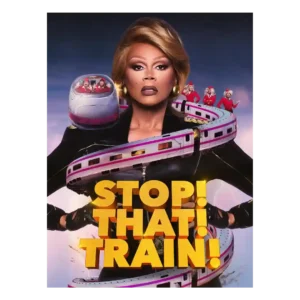
Stop! That! Train!
Where It Has the Edge
No clear scored advantage over the other product.

Scorata scores summarize analyzed review evidence on a 1–5 scale; they are not laboratory measurements or a simple average of customer star ratings. Feature scores summarize the reviews covering that feature. The overall score averages feature scores within each review, then combines review averages. When both expert and customer evidence are available, those two groups receive equal weight. Products can have different review coverage, so small score gaps do not establish a winner.
Recommendations prioritize important features for the category, with a score of at least 3.5, a gap of at least 0.25 points and at least two supporting reviews per product. Features with widely varying scores or broad connectivity contexts are excluded from recommendations. These safeguards do not establish statistical significance.
Quick verdict
The available evidence supports the recommendation below, but does not establish an overall winner. Check the remaining features against your priorities.
There is not enough comparable review evidence to recommend Stop! That! Train! over the other product.
Choose Best of the Best for family friendliness and cinematography.
No clear scored advantage over the other product.
Scores are out of 5. Missing scores mean missing review evidence, not a missing feature.
Parents should expect an adult comedy rather than family viewing because of sexual material, language, drug references, and brief nudity.
The film is described as wholesome and, despite a small amount of mature reference, suitable for a family movie night.
The bright interiors occasionally pop, but flat digital photography, washed-out lighting, and uninspired framing make the movie look less cinematic than its premise deserves.
The photography is praised for warm campus imagery and colorful staging that gives the dance numbers visual lift.
The film is deliberately lightweight and offers little thematic complexity beyond friendship, cooperation, and queer celebration.
The film gets strong marks for friendship, identity, and sisterhood, but one critic argues that deeper cultural pressures on South Asian women are raised without being fully explored.
A simple runaway-train setup gives the comedy useful structure, though some critics found the multiple subplots unnecessarily convoluted.
The story is generally easy to follow and its many threads come together cleanly, even when the structure is simple.
The friendship and runaway-train objective provide a functional spine, but the movie can still feel like loosely connected sketches and cameos.
The friendship-centered story is widely seen as warm, relatable, and effective even when simple. The biggest weakness is that several reviewers find the formula too familiar or the later conflict too simplified.
The strongest lines use queer wordplay, double meanings, and conversational rhythm rather than relying only on familiar references.
The dialogue draws both praise and criticism: one review finds it natural and current without trying too hard, while another says English-language exchanges can feel noticeably removed from real speech.
The R-rated humor includes innuendo, sexual props, and raunchy jokes, though some viewers found it less explicit than expected.
A reviewer notes some mention of sex but still considers the movie a comfortable family watch, indicating approval of the relatively restrained level.
Beneath the silliness, the film champions friendship, cooperation, resilience, and queer joy during a politically difficult moment.
Reviewers respond well to its messages about friendship, self-definition, living fully in the present, and choosing a life on your own terms.
The joke volume is enormous and the best bits are genuinely hilarious, but the hit rate ranges from strong to painfully low depending on the viewer.
The comedy is a major strength for most reviewers, with quick banter and culturally specific jokes landing often. A smaller number note that some jokes fall flat.
Tess and DeeDee receive a workable friendship arc, but most characters remain broad comic types and the emotional throughline can feel thin.
Maya and Anjali are generally viewed as rounded, relatable leads with believable inner conflicts. Several critics say the supporting characters and male arcs are thinner or less reflective.
The train setting adds a playful variation, but the story remains an openly familiar patchwork of Airplane!, disaster-movie, and Mean Girls conventions.
Predictability is the most consistent story complaint, with several reviewers saying the film follows familiar college and dance-movie beats almost exactly.
Some cutaways and visual punchlines are sharply timed, while the competing subplots and repeated gags make other stretches feel jumbled.
Editing gets sharply split reactions. Some praise clean, generous cutting, while another critic says frequent cuts prevent viewers from fully appreciating the choreography.
The script delivers clever queer wordplay and a dense supply of gags, but repetition, weak runners, and thin character work keep it uneven.
The screenplay earns frequent praise for structure, wit, cultural specificity, and ensemble balance, but critics also point to contrivances, thin supporting characters, and derivative plotting.
Adam Shankman generally keeps the sprawling cast and relentless gag flow under control, though the rushed production limits visual invention and polish.
Lena Khan is repeatedly praised for energetic, clear direction that lets performers and dance routines breathe while keeping the tone buoyant.
The finale keeps enough laughs flowing to remain enjoyable for many viewers, but several critics found the third act rote, prolonged, or unable to stick the landing.
Most reactions to the ending are positive, especially the final dance and reconciliation, though a few critics find the climax abrupt or the resolution too convenient.
DeeDee and Cal’s romance is intentionally goofy and lightweight, with enough sweetness to complement the central friendship.
The romance is secondary to the friendship. Some reviewers find the love interests useful to the leads’ growth, while others reject one pairing as formulaic or unappealing.
The opening half usually moves at an effective joke-a-minute clip, while repeated bits, side plots, and the final stretch can make the movie feel longer than it is.
Pacing ranges from top-notch and rhythmically satisfying to noticeably slower once repeated friendship conflict dominates the second half.
The friendship between Tess and DeeDee creates unexpected warmth, especially when hurt, loyalty, and reconciliation briefly cut through the chaos.
The friendship story frequently lands with real feeling, from painful arguments to a finale that several reviewers found genuinely moving or uplifting.
As a modern disaster spoof, it captures the throw-everything-at-the-wall spirit of Airplane!-style comedy without matching the classics’ consistency.
Dance-movie fans are the core audience: many reviewers see it as a welcome, highly enjoyable throwback, while a few feel its familiar formula keeps it from becoming memorable.
The tested friendship adds a few sincere and touching beats, but the drama stays light and secondary to the spoof machinery.
The central friendship conflict often lands emotionally, but one review finds the second-half escalation repetitive and lower-energy.
Its best quality is total commitment to heightened camp, though occasional sincere drama and attempted suspense do not always blend smoothly.
The movie is praised for keeping its satire, emotion, songs, and coming-of-age comedy cohesive rather than letting the music-heavy format overwhelm the story.
The movie’s proud queer perspective is a major strength, centering drag performers as heroes and celebrating queer joy without making them the joke.
Most reviewers celebrate the specific South Asian-American setting, dance traditions, and female friendship at the center. A minority argue that parts of the writing feel out of touch or would benefit from deeper female authorship.
Ginger Minj and Jujubee’s affectionate, synchronized rapport is widely regarded as the movie’s heart and helps the absurdity feel warm.
Maitreyi Ramakrishnan and Priyanka Kedia are consistently praised for making Maya and Anjali feel like longtime friends, with natural banter, warmth, irritation, and emotional history.
At roughly 90 to 95 minutes, the film feels brisk to enthusiastic viewers but surprisingly long to critics who did not connect with the jokes.
The near-two-hour length divides critics: some are entertained enough to want even more, while another says the second-half conflict noticeably bloats the runtime.
The disaster-movie musical cues and retro callbacks help establish the spoof tone, with the Poseidon Adventure-style opening music receiving particular praise.
The recurring friendship theme is designed to connect emotional scenes and, according to the composer, gives the score cohesion without competing with the many songs.
This is an adult-oriented spoof rather than a children’s comedy, with an R rating, sexual jokes, language, drug material, and brief nudity.
One reviewer calls it a fun family watch and sees little in the content that should worry families.
Drag Race fans and viewers who enjoy broad camp are the strongest match, though several nonfans still found the humor accessible and fun.
The cultural specificity is repeatedly described as a strength rather than a barrier, with reviewers expecting the film to connect beyond South Asian audiences and especially with younger dance fans.
Fans may enjoy repeat communal screenings and quote-alongs, but inconsistent jokes, dated references, and rough effects limit broader replay value.
Several reviewers see it as an easy comfort rewatch, helped by the friendship, music, dance routines, and upbeat spirit.
For viewers receptive to proudly stupid camp, the film is an energetic good time; others found the same nonstop approach exhausting or disposable.
Most reviewers find the movie funny, joyous, and easy to watch. Lower scores come from critics who feel the derivative story or slower second half drains too much energy.
The musical numbers are lively and fun for some viewers, while others found the disco songs forgettable or visually constrained.
The soundtrack is repeatedly praised for strong needle drops, varied Indian music, and crowd-pleasing songs that add momentum to the dance sequences.
Ginger Minj and Jujubee carry the picture with comic confidence, sincerity, and enough emotional grounding to hold the sketch-like material together.
The two leads are one of the strongest points of agreement, with Priyanka Kedia and Maitreyi Ramakrishnan repeatedly praised for charisma, energy, and emotional credibility.
Latrice Royale, Rachel Bloom, Chris Parnell, Matt Rogers, and several cameo players repeatedly steal scenes, although a few guest bits fall flat.
The ensemble is generally seen as lively and memorable, with several comic standouts. One negative review says many supporting players fade into the background because they are underdeveloped.
The ensemble’s commitment gives the movie most of its momentum, with performers treating even the silliest material seriously enough to make it work.
The cast is widely praised for lively, committed work, especially in the dance-heavy material. The main dissent says some exchanges can feel less natural than intended.
The colorful train interiors and class contrasts are appealing, although the rushed, low-budget production becomes obvious outside the main sets.
The UCLA setting is praised for feeling like a real social ecosystem rather than a generic campus backdrop.
The costumes, saturated interiors, and retro camp attitude are appealing, but cheap exteriors and flat photography create a visibly uneven presentation.
The best dance set pieces and cinematography are described as colorful, theatrical, and visually striking, though one reviewer says the overall direct-to-streaming look can feel cheap outside the showcase numbers.
The Glamazonian Express is a fun exaggerated setting, with luxury, coach, disco, and meditation spaces that support the movie’s cartoon logic.
The campus and South Asian dance community feel specific and lived-in, with tradition and experimentation presented as parts of the same evolving culture.
Colorful uniforms, polished drag looks, and theatrical styling are among the movie’s most consistently praised visual strengths.
Costumes are singled out as part of the film’s vibrant identity, helping both the campus world and performance sequences feel distinctive.
The runaway-train set pieces have goofy movement and spectacle, but the thin storm effects keep the danger from feeling exciting.
The exterior imagery and animated-looking environments were criticized as visually crude and lacking artistic polish.
The digital train and landscape shots are the clearest technical weakness, often looking cheap enough to pull attention away from the comedy.
Choreography is the clearest consensus strength: reviewers call the routines electric, inventive, culturally varied, and exciting enough to carry even the most familiar story beats.
The comedy mixes bawdy dialogue with cleaner wordplay, and several critics appreciated that some of its biggest laughs do not depend on explicit language.
The queens are presented with flattering lighting, polished hair, and spectacular makeup that gives the production a more glamorous finish.
The movie wisely abandons realism and embraces cartoon logic, which suits the camp tone even when it weakens suspense.
The storm, greenscreen, and exterior train shots are the most repeated complaint, ranging from knowingly campy to distractingly unfinished.
Constant jokes and weak effects undercut the danger, making the disaster plot more of a comic framework than a genuinely tense ride.
Critical response leaned positive overall, but enthusiasm varies sharply depending on tolerance for camp, Drag Race references, and rapid-fire silliness.
One critic says the movie is less of the raucous comedy promised by its synopsis, especially once the more dramatic second half takes over.
One strongly negative critic felt the disputed, cheap-looking effects made the theatrical ticket feel insulting, while most others focused less on price.

A deeply human coming-of-age drama carried by remarkable performances and an honest portrayal of grief. Its gentle optimism moves most viewers, though some find the final stretch hurried or overly...
Pros: Grief portrayal, acting performance
Cons: pacing

Billie Jean King’s magnetic first-person storytelling makes this an exhilarating portrait of athletic courage and social change. The filmmaking follows a familiar documentary structure, and her full tennis résumé gets...
Pros: entertainment value, Biographical coverage
Cons: Narrative structure

Choose this inventive, unsettling documentary for fearless questioning, dark humor, and unpredictable storytelling. Skip it if you want a short, straightforward exposé with definitive answers.
Pros: originality, humor

A singular voice, powerful piano playing and intimate film photography make this concert absorbing for receptive listeners. Its uninterrupted, often similar-sounding songs and lack of background context are an acquired...
Pros: directing quality, cinematography
Cons: pacing, Song variety