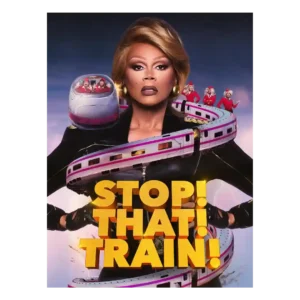
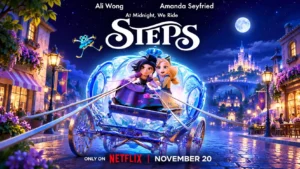
Stop! That! Train!
Where It Has the Edge
No clear scored advantage over the other product.

Scorata scores summarize analyzed review evidence on a 1–5 scale; they are not laboratory measurements or a simple average of customer star ratings. Feature scores summarize the reviews covering that feature. The overall score averages feature scores within each review, then combines review averages. When both expert and customer evidence are available, those two groups receive equal weight. Products can have different review coverage, so small score gaps do not establish a winner.
Recommendations prioritize important features for the category, with a score of at least 3.5, a gap of at least 0.25 points and at least two supporting reviews per product. Features with widely varying scores or broad connectivity contexts are excluded from recommendations. These safeguards do not establish statistical significance.
Quick verdict
The available evidence supports the recommendation below, but does not establish an overall winner. Check the remaining features against your priorities.
There is not enough comparable review evidence to recommend Stop! That! Train! over the other product.
Choose Steps for family friendliness and production design.
No clear scored advantage over the other product.
Scores are out of 5. Missing scores mean missing review evidence, not a missing feature.
Parents should expect an adult comedy rather than family viewing because of sexual material, language, drug references, and brief nudity.
The accessible humor, fantastical adventure and hopeful treatment of sibling conflict work well for school-age families. Some adults find the pace and jokes tiring, however.
Its best quality is total commitment to heightened camp, though occasional sincere drama and attempted suspense do not always blend smoothly.
Sharp satire and gentle family sentiment do not always blend smoothly. The frequent changes in mood make the adventure feel patched together.
The runaway-train set pieces have goofy movement and spectacle, but the thin storm effects keep the danger from feeling exciting.
The enchanted forest chases and magical confrontations supply lively spectacle for children. Repeated pursuit scenes can crowd out quieter story beats.
The exterior imagery and animated-looking environments were criticized as visually crude and lacking artistic polish.
Fluid movement, bright settings and occasional lovely flourishes keep the animation polished. The big-eyed, sometimes blocky character models strike others as stiff and overly glossy.
A simple runaway-train setup gives the comedy useful structure, though some critics found the multiple subplots unnecessarily convoluted.
The stolen wand, fairy godmother's plans and rules of the magic cause avoidable confusion. Several important logical questions linger after the ending.
The film is deliberately lightweight and offers little thematic complexity beyond friendship, cooperation, and queer celebration.
The film raises belonging, prejudice and forgiveness, but some viewers wish it examined them with greater rigor. Its simpler lesson-making can feel targeted mainly at younger children.
At roughly 90 to 95 minutes, the film feels brisk to enthusiastic viewers but surprisingly long to critics who did not connect with the jokes.
A lengthy setup and an overstuffed second half can make the running time feel more drawn out than the story warrants. The film could use fewer diversions.
Tess and DeeDee receive a workable friendship arc, but most characters remain broad comic types and the emotional throughline can feel thin.
Cinderella and Lilith are allowed to be kind, flawed, hurt and responsible for their own mistakes. Margot receives much less development, particularly after her transformation into a frog.
The finale keeps enough laughs flowing to remain enjoyable for many viewers, but several critics found the third act rote, prolonged, or unable to stick the landing.
The sisters' emotional resolution usually lands with real heart, and Cinderella's choice challenges the expected prince-centered ending. Some details of the magic and plot remain unconvincing.
The movie’s proud queer perspective is a major strength, centering drag performers as heroes and celebrating queer joy without making them the joke.
The sisters' East Asian background turns outsider status, prejudice and pressure to assimilate into meaningful fairy-tale conflicts. The portrayal is praised for its sensitivity but criticized for not exploring those issues more deeply.
The script delivers clever queer wordplay and a dense supply of gags, but repetition, weak runners, and thin character work keep it uneven.
Clever fairy-tale jokes and a sympathetic central relationship show flashes of inspired writing. Overexplaining, loose logic and an excess of competing ideas make the screenplay uneven.
The opening half usually moves at an effective joke-a-minute clip, while repeated bits, side plots, and the final stretch can make the movie feel longer than it is.
The beginning can take too long to establish its central conflict, while later pursuits pile up with little breathing room. The underlying emotional story is often more engaging than the hectic adventure.
The train setting adds a playful variation, but the story remains an openly familiar patchwork of Airplane!, disaster-movie, and Mean Girls conventions.
The stepsisters' point of view gives this Cinderella story some inventive moments, but the familiar villain-rehabilitation formula divides opinion. Its fresh emotional angle is stronger than its claim to be a truly new fairy tale.
The strongest lines use queer wordplay, double meanings, and conversational rhythm rather than relying only on familiar references.
Snappy, dry exchanges make the best lines sing. Other quips lean too heavily on contemporary references that may age quickly.
Beneath the silliness, the film champions friendship, cooperation, resilience, and queer joy during a politically difficult moment.
Empathy, accountability and the courage to repair relationships are conveyed with warmth. The film also asks children to consider the consequences of exclusion and going along with bullies.
The friendship and runaway-train objective provide a functional spine, but the movie can still feel like loosely connected sketches and cameos.
At its best, a colorful quest turns an old fairy tale into a lively story about repairing family bonds. At its worst, too many magical complications bury that appealing premise.
The disaster-movie musical cues and retro callbacks help establish the spoof tone, with the Poseidon Adventure-style opening music receiving particular praise.
Kris Bowers's sweeping orchestral treatment gives the fantasy a theatrical flourish. The music adds emotional scale without swallowing the playful story.
The joke volume is enormous and the best bits are genuinely hilarious, but the hit rate ranges from strong to painfully low depending on the viewer.
Dry sisterly banter, an oblivious prince and eccentric supporting characters can be genuinely funny. The pop-culture references and repeated winks at fairy-tale logic are less successful for some viewers.
The friendship between Tess and DeeDee creates unexpected warmth, especially when hurt, loyalty, and reconciliation briefly cut through the chaos.
The sting of exclusion and the sisters' efforts to mend their bond provide the most touching moments. An overcrowded script occasionally rushes past feelings before they can settle.
Ginger Minj and Jujubee’s affectionate, synchronized rapport is widely regarded as the movie’s heart and helps the absurdity feel warm.
The opposing energies of Wong and Seyfried enliven the sibling banter, while Wong and Hsu create a believable sisterly rhythm. Their rapport often makes the emotional scenes feel natural.
As a modern disaster spoof, it captures the throw-everything-at-the-wall spirit of Airplane!-style comedy without matching the classics’ consistency.
For a lighthearted fairy-tale reimagining, the film finds humor and affection in characters usually treated as villains. It works best when its whimsical tone supports their reconciliation.
Fans may enjoy repeat communal screenings and quote-alongs, but inconsistent jokes, dated references, and rough effects limit broader replay value.
Its warm personality may invite repeat family viewings, especially for fans of Lilith's humor. A safe, familiar adventure makes it less likely to become a perennial favorite for everyone.
For viewers receptive to proudly stupid camp, the film is an energetic good time; others found the same nonstop approach exhausting or disposable.
There are laughs, color and memorable family moments, but reactions range from delightful fun to disposable animation. The busy plotting determines whether the adventure feels spirited or exhausting.
The colorful train interiors and class contrasts are appealing, although the rushed, low-budget production becomes obvious outside the main sets.
Candy-colored architecture, gothic carriages and the clash of opposing aesthetics give Alouette texture. The environments are often more expressive than the human character models.
The costumes, saturated interiors, and retro camp attitude are appealing, but cheap exteriors and flat photography create a visibly uneven presentation.
The pastel rococo kingdom collides entertainingly with Lilith's skulls, dark clothes and steampunk touches. The sugary colors and glossy finish can also feel excessive or generic.
Colorful uniforms, polished drag looks, and theatrical styling are among the movie’s most consistently praised visual strengths.
Lilith's dark, embroidered clothes and chunky boots stand in delightful contrast to the kingdom's pastel finery. The looks express her outsider identity as clearly as the dialogue.
The Glamazonian Express is a fun exaggerated setting, with luxury, coach, disco, and meditation spaces that support the movie’s cartoon logic.
Alouette's rococo sweets-shop architecture and odd steampunk flourishes create an appealing playground. The rushed itinerary does not always make time to savor those inventions.
Latrice Royale, Rachel Bloom, Chris Parnell, Matt Rogers, and several cameo players repeatedly steal scenes, although a few guest bits fall flat.
Bette Midler, Daniel Radcliffe, Peter Dinklage and other supporting performers supply colorful comedy and personality. Even brief parts can be entertaining in this ensemble.
The musical numbers are lively and fun for some viewers, while others found the disco songs forgettable or visually constrained.
The lush score and a few catchy original songs add sparkle, but the trendy pop selections can feel disposable. Not every new song has much staying power.
Ginger Minj and Jujubee carry the picture with comic confidence, sincerity, and enough emotional grounding to hold the sketch-like material together.
Ali Wong's lively sarcasm and Amanda Seyfried's sweetness give the sisters believable emotional range. Their central performances frequently outshine the screenplay and character models.
The ensemble’s commitment gives the movie most of its momentum, with performers treating even the silliest material seriously enough to make it work.
Ali Wong and Amanda Seyfried bring distinctive voices and strong emotion to the sisters. An energetic ensemble includes playful turns from Stephanie Hsu, Bette Midler and the comic villains, even when the animation fails to match their expression.
The three-dimensional character style does not always sit comfortably with Cinderella's fairy-tale setting. The glossy look may distract viewers accustomed to more storybook-like artwork.
The early humiliation and ostracism of Lilith and Margot gives their resentment an understandable foundation. Its picture of social pressure can resonate well beyond the fairy-tale setting.
The blend of accomplished actors and sharp comics suits the irreverent fairy-tale premise. Strong performers often do more with the material than the writing itself does.
The digital train and landscape shots are the clearest technical weakness, often looking cheap enough to pull attention away from the comedy.
Margot's transformation leaves her sidelined for too much of the movie. Roderick and other promising side characters can also feel underused.
The bright interiors occasionally pop, but flat digital photography, washed-out lighting, and uninspired framing make the movie look less cinematic than its premise deserves.
Cinderella's easy access to magical help contrasts with the treatment of her immigrant stepsisters. The resulting commentary on privilege is accessible without overwhelming the comedy.
The prince's absurd shoe-based identification, quick exchanges and frog slapstick produce some of the biggest laughs. The best gags are delivered with an effortless rhythm.
Adam Shankman generally keeps the sprawling cast and relentless gag flow under control, though the rushed production limits visual invention and polish.
The tested friendship adds a few sincere and touching beats, but the drama stays light and secondary to the spoof machinery.
Some cutaways and visual punchlines are sharply timed, while the competing subplots and repeated gags make other stretches feel jumbled.
Lilith and Cinderella's estrangement and reconciliation are the film's greatest strengths. Their mistakes, jealousy and lingering affection make the family conflict surprisingly moving, even when the adventure gets distracting.
Lilith and Cinderella's painful estrangement gives the movie a compelling emotional center. Their eventual reconciliation is touching, even when the adventure neglects other family members.
The film makes sisterhood and cooperation more important than winning a prince. Its best scenes let the women acknowledge their wrongs and choose each other.
The story values listening, compassion and standing by others rather than joining a cruel crowd. Its warm treatment of female friendship is stronger than some of its more superficial subplots.
Its mixture of satirical jokes and comforting family fantasy occasionally feels at odds with itself. Changes in tone can interrupt the strongest emotional material.
A few jokes depend so heavily on contemporary references that they may date quickly. More character-driven humor holds up better.
The comedy mixes bawdy dialogue with cleaner wordplay, and several critics appreciated that some of its biggest laughs do not depend on explicit language.
Lilith's rejection by peers becomes a convincing source of her guarded sarcasm. The desire to belong gives her rebellious character real tenderness.
The queens are presented with flattering lighting, polished hair, and spectacular makeup that gives the production a more glamorous finish.
The familiar premise and predictable storytelling can make the film feel like another disposable fairy-tale remix. Its emotional highlights do not entirely shake that impression for skeptics.
Margot's possible permanent frog transformation gives the adventure an effective deadline. Elsewhere, the royal-ball crisis can feel artificial or underexplained.
An extended setup gives way to chases, magical mishaps and a crowded race against time. The competing subplots frequently interrupt the more affecting sisterly moments.
The prince's face-blindness is an inspired answer to an old fairy-tale plot hole. Other twists are easier to predict and occasionally feel mechanically contrived.
The movie wisely abandons realism and embraces cartoon logic, which suits the camp tone even when it weakens suspense.
DeeDee and Cal’s romance is intentionally goofy and lightweight, with enough sweetness to complement the central friendship.
The R-rated humor includes innuendo, sexual props, and raunchy jokes, though some viewers found it less explicit than expected.
The musical numbers add a light sparkle rather than hijacking the sisters' relationship. The film keeps its focus on comedy and adventure instead of becoming a full musical.
The storm, greenscreen, and exterior train shots are the most repeated complaint, ranging from knowingly campy to distractingly unfinished.
Constant jokes and weak effects undercut the danger, making the disaster plot more of a comic framework than a genuinely tense ride.
Priscilla is an entertainingly nasty mean girl, and Roderick brings comic menace. Her largely one-dimensional motives often feel like a convenient replacement for the original wicked stepsisters.
This is an adult-oriented spoof rather than a children’s comedy, with an R rating, sexual jokes, language, drug material, and brief nudity.
Drag Race fans and viewers who enjoy broad camp are the strongest match, though several nonfans still found the humor accessible and fun.
Lilith's prickly vulnerability and Cinderella's imperfect kindness make the leads likable. Gef and several comic side characters add charm, though some antagonists stay thin.
Critical response leaned positive overall, but enthusiasm varies sharply depending on tolerance for camp, Drag Race references, and rapid-fire silliness.
The title neatly points to both the overlooked stepsisters and the gradual steps they take toward reconciliation. Its double meaning is a small but clever touch.
Lilith's fourth-wall introduction explains her side of the story with attitude. Extended narration becomes repetitive and is not fully integrated into the rest of the film.
Lilith's goth silhouette and some fanciful creatures give the film recognizable personality. Rounded, glossy human designs sometimes seem stiff or interchangeable.
Amanda Seyfried's bright, sweet vocals are a standout and help sell Cinderella's old-fashioned charm. The film contains relatively few original songs.
One strongly negative critic felt the disputed, cheap-looking effects made the theatrical ticket feel insulting, while most others focused less on price.

Choose this inventive, unsettling documentary for fearless questioning, dark humor, and unpredictable storytelling. Skip it if you want a short, straightforward exposé with definitive answers.
Pros: originality, humor
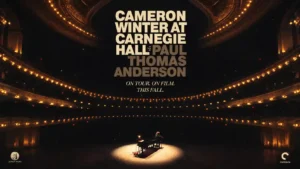
A singular voice, powerful piano playing and intimate film photography make this concert absorbing for receptive listeners. Its uninterrupted, often similar-sounding songs and lack of background context are an acquired...
Pros: directing quality, cinematography
Cons: pacing, Song variety

Extraordinary performances and richly observed relationships make this a rewarding, emotionally forceful drama. Its nearly three-hour length and slow opening demand patience and undivided attention.
Pros: class commentary, character development

Best for a hypnotic, bookish mystery with tactile visuals and cerebral chills. Skip it if reading-heavy, attention-demanding storytelling sounds more exhausting than exciting.
Pros: Atmosphere, cinematography
Cons: audience appeal