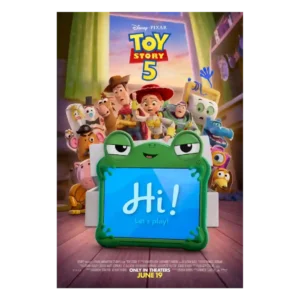
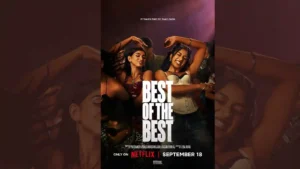
Toy Story 5
Where It Has the Edge
No clear scored advantage over the other product.

Scorata scores summarize analyzed review evidence on a 1–5 scale; they are not laboratory measurements or a simple average of customer star ratings. Feature scores summarize the reviews covering that feature. The overall score averages feature scores within each review, then combines review averages. When both expert and customer evidence are available, those two groups receive equal weight. Products can have different review coverage, so small score gaps do not establish a winner.
Recommendations prioritize important features for the category, with a score of at least 3.5, a gap of at least 0.25 points and at least two supporting reviews per product. Features with widely varying scores or broad connectivity contexts are excluded from recommendations. These safeguards do not establish statistical significance.
Quick verdict
The available evidence supports the recommendation below, but does not establish an overall winner. Check the remaining features against your priorities.
There is not enough comparable review evidence to recommend Toy Story 5 over the other product.
Choose Best of the Best for plot clarity and acting performance.
No clear scored advantage over the other product.
Scores are out of 5. Missing scores mean missing review evidence, not a missing feature.
The central Bonnie-and-Jessie story is easy to follow, but the Buzz army and expanding toy ensemble often make the structure feel overstuffed or scattered. The separate threads usually converge, though not always smoothly.
The story is generally easy to follow and its many threads come together cleanly, even when the structure is simple.
Sexual material is minimal, with mild double entendres identified as the main concern. The restraint keeps the film broadly suitable for families.
A reviewer notes some mention of sex but still considers the movie a comfortable family watch, indicating approval of the relatively restrained level.
The call for balanced screen use, imaginative play, and face-to-face friendship feels timely and thoughtful at its best. The main divide is whether the film finds useful nuance or slips into heavy-handed anti-tech scolding.
Reviewers respond well to its messages about friendship, self-definition, living fully in the present, and choosing a life on your own terms.
The final act brings the storylines together and delivers a strong Jessie-centered emotional payoff. Some see a satisfying landing, while others feel the catharsis is manipulative or cannot fully justify another sequel.
Most reactions to the ending are positive, especially the final dance and reconciliation, though a few critics find the climax abrupt or the resolution too convenient.
Joan Cusack and Conan O’Brien create lively comic friction between Jessie and Smarty Pants. Their exchanges give the crowded new ensemble one of its most enjoyable relationships.
Maitreyi Ramakrishnan and Priyanka Kedia are consistently praised for making Maya and Anjali feel like longtime friends, with natural banter, warmth, irritation, and emotional history.
The movie generally improves once the setup is complete, but the first act feels slow or overextended in several accounts. Multiple storylines delay the point where the adventure fully clicks into gear.
Pacing ranges from top-notch and rhythmically satisfying to noticeably slower once repeated friendship conflict dominates the second half.
The script’s strongest achievement is giving the technology debate emotional stakes rather than a simple villain. It is funny and thoughtful, though the number of characters and subplots sometimes strains its structure.
The screenplay earns frequent praise for structure, wit, cultural specificity, and ensemble balance, but critics also point to contrivances, thin supporting characters, and derivative plotting.
The verbal gags are quick, character-based, and well paired with the visual comedy. Smarty Pants and the older toys get many of the sharpest lines.
The dialogue draws both praise and criticism: one review finds it natural and current without trying too hard, while another says English-language exchanges can feel noticeably removed from real speech.
The film balances warm comedy, melancholy, and a cautionary technology message, though its optimism can feel overly mild. The emotional and comic tones generally coexist better than the sermonizing and adventure elements.
The movie is praised for keeping its satire, emotion, songs, and coming-of-age comedy cohesive rather than letting the music-heavy format overwhelm the story.
The Buzz-and-Jessie romance provides a few sweet or funny moments, but it is often treated as a distraction from the stronger friendship and belonging themes. Its proposal thread divides attention in an already busy story.
The romance is secondary to the friendship. Some reviewers find the love interests useful to the leads’ growth, while others reject one pairing as formulaic or unappealing.
Jessie’s abandonment fears and Bonnie’s loneliness produce several powerful, tear-jerking moments. The sentiment lands deeply for many, though some find it manipulative or less potent than the earlier films.
The friendship story frequently lands with real feeling, from painful arguments to a finale that several reviewers found genuinely moving or uplifting.
The Jessie-centered sequel gives the franchise a timely reason to return, pairing a strong emotional core with a child-and-technology story. Its crowded plotting and familiar franchise beats make the fifth outing feel essential to some and exhausted to others.
The friendship-centered story is widely seen as warm, relatable, and effective even when simple. The biggest weakness is that several reviewers find the formula too familiar or the later conflict too simplified.
The imagery favors vibrant color, expressive lighting, and clear visual energy instead of the flat look common to lesser digital animation. The presentation supports both intimate emotion and broad adventure.
The photography is praised for warm campus imagery and colorful staging that gives the dance numbers visual lift.
The film retains the accessible adventure, warmth, and moral clarity expected from Toy Story. Its mild double entendres and potty jokes are the main content caveats for younger children.
The film is described as wholesome and, despite a small amount of mature reference, suitable for a family movie night.
As an animated family adventure, the film supplies humor, warmth, action, and accessible emotion. It works especially well for families comfortable with its screen-time warning and bittersweet themes.
Dance-movie fans are the core audience: many reviewers see it as a welcome, highly enjoyable throwback, while a few feel its familiar formula keeps it from becoming memorable.
The film uses toys, screens, loneliness, and obsolescence to explore connection and the need to feel useful. Its strongest moments reach beyond a simple toys-versus-tech setup into questions about childhood and change.
The film gets strong marks for friendship, identity, and sisterhood, but one critic argues that deeper cultural pressures on South Asian women are raised without being fully explored.
Moving Jessie into the lead gives her room to confront abandonment, prejudice, and responsibility while Bonnie becomes a more fully realized child. The shift refreshes the ensemble even when some legacy characters receive little to do.
Maya and Anjali are generally viewed as rounded, relatable leads with believable inner conflicts. Several critics say the supporting characters and male arcs are thinner or less reflective.
Jessie’s fear of abandonment and Bonnie’s social isolation give the adventure genuine dramatic weight. The strongest scenes approach classic Pixar intensity, though some emotional turns feel engineered.
The central friendship conflict often lands emotionally, but one review finds the second-half escalation repetitive and lower-energy.
The screen-time threat is a clever, timely reason to revisit the toys and modernize the original film’s old-versus-new conflict. Some still see the premise as another variation on abandonment and obsolescence rather than a truly new story.
Predictability is the most consistent story complaint, with several reviewers saying the film follows familiar college and dance-movie beats almost exactly.
Fast visual gags, the synchronized Buzz army, and Smarty Pants generate frequent laughs. Even many of the harsher reactions still found individual comic set pieces and performances that worked.
The comedy is a major strength for most reviewers, with quick banter and culturally specific jokes landing often. A smaller number note that some jokes fall flat.
Andrew Stanton grounds the spectacle in Bonnie’s loneliness and Jessie’s fear of abandonment. His handling of those emotions gives the sequel more purpose than its premise alone might suggest.
Lena Khan is repeatedly praised for energetic, clear direction that lets performers and dance routines breathe while keeping the tone buoyant.
Randy Newman’s score blends playfulness with familiar melancholy and helps the quieter scenes land. Its recurring emotional textures connect the new story to the franchise’s past.
The recurring friendship theme is designed to connect emotional scenes and, according to the composer, gives the score cohesion without competing with the many songs.
The PG-level material is largely gentle, with the main concerns coming from double entendres, toilet humor, bullying, and emotionally intense themes. The story remains designed for children and families.
One reviewer calls it a fun family watch and sees little in the content that should worry families.
Family comedy, nostalgia, and modern parenting concerns give the film broad multigenerational appeal. Children can enjoy the adventure while adults connect with its ideas about growth, loss, and changing relationships.
The cultural specificity is repeatedly described as a strength rather than a barrier, with reviewers expecting the film to connect beyond South Asian audiences and especially with younger dance fans.
The voice ensemble is broadly strong, with veterans and newcomers giving the toys distinct personality. Some longtime voices sound older and the crowded cast limits several familiar performers to cameos.
The cast is widely praised for lively, committed work, especially in the dance-heavy material. The main dissent says some exchanges can feel less natural than intended.
The supporting voices bring strong comic personality, especially among the discarded gadgets. The ensemble is talented, but the crowded script leaves several returning favorites and new characters underused.
The ensemble is generally seen as lively and memorable, with several comic standouts. One negative review says many supporting players fade into the background because they are underdeveloped.
Joan Cusack’s commanding, vulnerable voice work makes Jessie a convincing lead rather than a promoted side character. Her performance gives the film much of its humor, urgency, and emotional force.
The two leads are one of the strongest points of agreement, with Priyanka Kedia and Maitreyi Ramakrishnan repeatedly praised for charisma, energy, and emotional credibility.
The music supports the franchise’s nostalgic warmth, and the end-credit song is singled out as catchy and emotionally apt. The songs reinforce the bond between Jessie and the children she has loved.
The soundtrack is repeatedly praised for strong needle drops, varied Indian music, and crowd-pleasing songs that add momentum to the dance sequences.
The suburban rooms, discarded-toy spaces, and especially the pastoral farm settings are richly realized. The warmer rural environments reinforce Jessie’s memories and the film’s melancholy.
The UCLA setting is praised for feeling like a real social ecosystem rather than a generic campus backdrop.
Bonnie’s play fantasies use vivid storybook and watercolor-like imagery that separates imagination from ordinary reality. These sequences are repeatedly singled out as among the film’s most creative visual ideas.
The best dance set pieces and cinematography are described as colorful, theatrical, and visually striking, though one reviewer says the overall direct-to-streaming look can feel cheap outside the showcase numbers.
The adventure offers colorful action, familiar characters, strong laughs, and an emotional payoff. Enjoyment remains high for many, although franchise fatigue keeps it from feeling equally irresistible to everyone.
Most reviewers find the movie funny, joyous, and easy to watch. Lower scores come from critics who feel the derivative story or slower second half drains too much energy.
Chases, rescues, and the synchronized Buzz Lightyear set pieces keep the film lively once the plot accelerates. The opening and later ensemble action are playful and inventive, even when the Buzz subplot feels detached.
Pixar’s animation remains detailed, expressive, and often gorgeous, especially during Bonnie’s imagination sequences and the Buzz set pieces. A small minority question the polish, but the visual craftsmanship is one of the clearest strengths.
The CGI is no longer a medium-changing surprise, but it still delivers polished detail, photorealistic touches, and occasional breathtaking spectacle. Its strongest moments make the toys and environments feel tactile and alive.
Most reviewers celebrate the specific South Asian-American setting, dance traditions, and female friendship at the center. A minority argue that parts of the writing feel out of touch or would benefit from deeper female authorship.
Choreography is the clearest consensus strength: reviewers call the routines electric, inventive, culturally varied, and exciting enough to carry even the most familiar story beats.
Editing gets sharply split reactions. Some praise clean, generous cutting, while another critic says frequent cuts prevent viewers from fully appreciating the choreography.
The near-two-hour length divides critics: some are entertained enough to want even more, while another says the second-half conflict noticeably bloats the runtime.
The screen-addiction imagery carries an effective digital-horror edge without turning the film into something too frightening for its family audience. The unease comes more from recognizable behavior than conventional peril.
The rescue missions and converging storylines maintain enough urgency to support the comedy and emotion. The suspense is family-friendly but effective, especially once the separate threads begin to connect.
Costumes are singled out as part of the film’s vibrant identity, helping both the campus world and performance sequences feel distinctive.
The campus and South Asian dance community feel specific and lived-in, with tradition and experimentation presented as parts of the same evolving culture.
Scores and grades cluster around qualified approval rather than universal acclaim. The film clears the bar for a solid family sequel but is frequently judged against the unusually high standard of the earlier Toy Story films.
One critic says the movie is less of the raucous comedy promised by its synopsis, especially once the more dramatic second half takes over.
Several reviewers see it as an easy comfort rewatch, helped by the friendship, music, dance routines, and upbeat spirit.

A deeply human coming-of-age drama carried by remarkable performances and an honest portrayal of grief. Its gentle optimism moves most viewers, though some find the final stretch hurried or overly...
Pros: Grief portrayal, acting performance
Cons: pacing

Billie Jean King’s magnetic first-person storytelling makes this an exhilarating portrait of athletic courage and social change. The filmmaking follows a familiar documentary structure, and her full tennis résumé gets...
Pros: entertainment value, Biographical coverage
Cons: Narrative structure

Choose this inventive, unsettling documentary for fearless questioning, dark humor, and unpredictable storytelling. Skip it if you want a short, straightforward exposé with definitive answers.
Pros: originality, humor

A singular voice, powerful piano playing and intimate film photography make this concert absorbing for receptive listeners. Its uninterrupted, often similar-sounding songs and lack of background context are an acquired...
Pros: directing quality, cinematography
Cons: pacing, Song variety