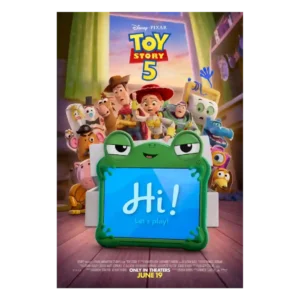
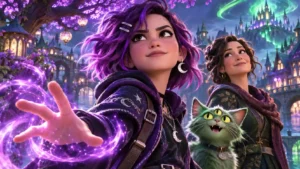
Toy Story 5
Where It Has the Edge
- soundtrack quality is 5.0 vs 1.9. The music supports the franchise’s nostalgic warmth, and the end-credit song is singled out as catchy and emotionally...

Scorata scores summarize analyzed review evidence on a 1–5 scale; they are not laboratory measurements or a simple average of customer star ratings. Feature scores summarize the reviews covering that feature. The overall score averages feature scores within each review, then combines review averages. When both expert and customer evidence are available, those two groups receive equal weight. Products can have different review coverage, so small score gaps do not establish a winner.
Recommendations prioritize important features for the category, with a score of at least 3.5, a gap of at least 0.25 points and at least two supporting reviews per product. Features with widely varying scores or broad connectivity contexts are excluded from recommendations. These safeguards do not establish statistical significance.
Quick verdict
The review evidence points to a tradeoff: soundtrack quality versus acting performance. Choose according to which strengths matter more to you; the overall score alone does not settle that choice.
Choose Toy Story 5 for soundtrack quality.
Choose Hexed for acting performance.
Scores are out of 5. Missing scores mean missing review evidence, not a missing feature.
The music supports the franchise’s nostalgic warmth, and the end-credit song is singled out as catchy and emotionally apt. The songs reinforce the bond between Jessie and the children she has loved.
The reliance on familiar pop hits is divisive, with many finding the selections too literal, loud or distracting.
The voice ensemble is broadly strong, with veterans and newcomers giving the toys distinct personality. Some longtime voices sound older and the crowded cast limits several familiar performers to cameos.
The voice cast is one of the film’s most reliable strengths, adding sincerity, humor and personality to familiar material.
Joan Cusack’s commanding, vulnerable voice work makes Jessie a convincing lead rather than a promoted side character. Her performance gives the film much of its humor, urgency, and emotional force.
The central performances bring youthful energy, parental warmth and theatrical authority, though some find individual leads less compelling.
The supporting voices bring strong comic personality, especially among the discarded gadgets. The ensemble is talented, but the crowded script leaves several returning favorites and new characters underused.
Walton Goggins’ drawling cat is repeatedly singled out as a scene-stealer, with other supporting voices adding humor and character. A few find the roles underwritten.
The CGI is no longer a medium-changing surprise, but it still delivers polished detail, photorealistic touches, and occasional breathtaking spectacle. Its strongest moments make the toys and environments feel tactile and alive.
The effects-heavy climax can feel numbing rather than spectacular.
The script’s strongest achievement is giving the technology debate emotional stakes rather than a simple villain. It is funny and thoughtful, though the number of characters and subplots sometimes strains its structure.
The script has thoughtful ideas about family and trauma, yet familiar plotting, flat jokes and narrative shortcuts frequently weaken them.
The rescue missions and converging storylines maintain enough urgency to support the comedy and emotion. The suspense is family-friendly but effective, especially once the separate threads begin to connect.
Predictable outcomes and convenient plot developments reduce suspense.
The film balances warm comedy, melancholy, and a cautionary technology message, though its optimism can feel overly mild. The emotional and comic tones generally coexist better than the sermonizing and adventure elements.
Contemporary ironic humor sometimes clashes with the sincere fantasy adventure.
Chases, rescues, and the synchronized Buzz Lightyear set pieces keep the film lively once the plot accelerates. The opening and later ensemble action are playful and inventive, even when the Buzz subplot feels detached.
Some flying battles and magical set pieces impress, but action often becomes hectic, unnecessary or lacking in grace.
Andrew Stanton grounds the spectacle in Bonnie’s loneliness and Jessie’s fear of abandonment. His handling of those emotions gives the sequel more purpose than its premise alone might suggest.
The filmmakers create moments of visual and emotional appeal, but their adherence to formula and uneven pacing limit the result.
The film uses toys, screens, loneliness, and obsolescence to explore connection and the need to feel useful. Its strongest moments reach beyond a simple toys-versus-tech setup into questions about childhood and change.
The family and empowerment themes have promise, but heavy-handed metaphors and familiar lessons often limit their depth.
The verbal gags are quick, character-based, and well paired with the visual comedy. Smarty Pants and the older toys get many of the sharpest lines.
The family banter and Beef’s comic delivery can be delightful, while flat one-liners and self-conscious jokes frustrate others.
Fast visual gags, the synchronized Buzz army, and Smarty Pants generate frequent laughs. Even many of the harsher reactions still found individual comic set pieces and performances that worked.
Beef’s eccentric delivery and irreverent sight gags earn frequent laughs, although juvenile puns and rote quips divide viewers.
Joan Cusack and Conan O’Brien create lively comic friction between Jessie and Smarty Pants. Their exchanges give the crowded new ensemble one of its most enjoyable relationships.
The natural, lively chemistry between the two leads makes their disagreements and affection feel authentic.
The Jessie-centered sequel gives the franchise a timely reason to return, pairing a strong emotional core with a child-and-technology story. Its crowded plotting and familiar franchise beats make the fifth outing feel essential to some and exhausted to others.
The magical coming-of-age adventure is approachable and sometimes heartfelt, but its predictable chosen-one plot frequently feels assembled from familiar Disney ingredients.
Jessie’s abandonment fears and Bonnie’s loneliness produce several powerful, tear-jerking moments. The sentiment lands deeply for many, though some find it manipulative or less potent than the earlier films.
The mother-daughter bond can be genuinely moving, especially when Alice’s sacrifices come into focus. Some find the film too hectic or blunt to earn its catharsis.
Randy Newman’s score blends playfulness with familiar melancholy and helps the quieter scenes land. Its recurring emotional textures connect the new story to the franchise’s past.
Kris Bowers’ orchestral music earns praise for its character and dramatic energy, but can be drowned out by pop songs or feel unremarkable.
Moving Jessie into the lead gives her room to confront abandonment, prejudice, and responsibility while Bonnie becomes a more fully realized child. The shift refreshes the ensemble even when some legacy characters receive little to do.
Alice’s layered motivations and Billie’s rebellion offer strong character material, but the villain and side characters sometimes lack development.
The central Bonnie-and-Jessie story is easy to follow, but the Buzz army and expanding toy ensemble often make the structure feel overstuffed or scattered. The separate threads usually converge, though not always smoothly.
An overcomplicated prophecy, unclear rules of magic and convenient plot developments make the quest hard to follow.
Pixar’s animation remains detailed, expressive, and often gorgeous, especially during Bonnie’s imagination sequences and the Buzz set pieces. A small minority question the polish, but the visual craftsmanship is one of the clearest strengths.
The animation is polished, expressive and colorful, with occasional striking effects. Its familiar CGI house style and rapid presentation limit its impact for some viewers.
The movie generally improves once the setup is complete, but the first act feels slow or overextended in several accounts. Multiple storylines delay the point where the adventure fully clicks into gear.
The rapid pace keeps children engaged for some viewers, but many find the nonstop action exhausting; others report a sagging middle or drawn-out finale.
The screen-time threat is a clever, timely reason to revisit the toys and modernize the original film’s old-versus-new conflict. Some still see the premise as another variation on abandonment and obsolescence rather than a truly new story.
The most common complaint is that the chosen-one story, visual style and themes borrow heavily from earlier films. A minority enjoy its fresh witchy details and embrace the formula.
The call for balanced screen use, imaginative play, and face-to-face friendship feels timely and thoughtful at its best. The main divide is whether the film finds useful nuance or slips into heavy-handed anti-tech scolding.
The message about breaking harmful family patterns and accepting oneself can resonate, although some find its delivery overly obvious.
The film retains the accessible adventure, warmth, and moral clarity expected from Toy Story. Its mild double entendres and potty jokes are the main content caveats for younger children.
The adventure largely avoids lingering on the darker side of witchcraft and is accessible for family audiences.
The final act brings the storylines together and delivers a strong Jessie-centered emotional payoff. Some see a satisfying landing, while others feel the catharsis is manipulative or cannot fully justify another sequel.
The family resolution and unexpected heroic turn satisfy some viewers, while others find the last act predictable or dragged out.
The adventure offers colorful action, familiar characters, strong laughs, and an emotional payoff. Enjoyment remains high for many, although franchise fatigue keeps it from feeling equally irresistible to everyone.
The colorful magic and appealing cast make for an enjoyable diversion for many, though others find the familiar story hollow or forgettable.
Family comedy, nostalgia, and modern parenting concerns give the film broad multigenerational appeal. Children can enjoy the adventure while adults connect with its ideas about growth, loss, and changing relationships.
The film can delight a receptive audience, but its appeal may be more limited for older children and adults.
The PG-level material is largely gentle, with the main concerns coming from double entendres, toilet humor, bullying, and emotionally intense themes. The story remains designed for children and families.
The film handles family trauma in an accessible, age-conscious way.
The suburban rooms, discarded-toy spaces, and especially the pastoral farm settings are richly realized. The warmer rural environments reinforce Jessie’s memories and the film’s melancholy.
The richly colored production design lends Hexe an arresting visual identity.
Bonnie’s play fantasies use vivid storybook and watercolor-like imagery that separates imagination from ordinary reality. These sequences are repeatedly singled out as among the film’s most creative visual ideas.
Vivid pinks, purples and greens and imaginative magical environments are appealing, even though some see a recycled Disney aesthetic.
Numerous recognizable guest voices add novelty to the enchanted-object cast.
The long-lived magic-suppressing bracelet and convenient character arrivals strain credibility.
Beef Roger Crummchuk’s eccentric name adds to the sidekick’s charm.
Some side characters and the villain receive too little screen time to develop into memorable personalities.
The story refuses to excuse abusive family behavior simply because the perpetrator is a relative.
The imagery favors vibrant color, expressive lighting, and clear visual energy instead of the flat look common to lesser digital animation. The presentation supports both intimate emotion and broad adventure.
The magical hierarchy gives class inequality an accessible form, though its social allegory is less thoroughly developed than some Disney predecessors.
References to earlier films sometimes feel like recycling rather than inventive homage.
Beef’s distinctive vocal rhythm makes even small comic moments land.
The film feels calculated around recognizable Disney formulas and commercial appeal rather than a distinctive creative vision.
The lack of a distinctive cultural influence disappoints a reviewer who wanted more depth than familiar family-trauma themes.
Jessie’s fear of abandonment and Bonnie’s social isolation give the adventure genuine dramatic weight. The strongest scenes approach classic Pixar intensity, though some emotional turns feel engineered.
Rapid cuts and trailer-like editing often leave too little time to absorb the scenery or emotional scenes.
The prophecy-heavy opening and narration can feel like an exposition dump.
Billie and Alice’s changing relationship is the emotional centerpiece, particularly when parental protection gives way to trust. Some find the reconciliation rushed or insufficiently developed.
The expanding aspect ratio lends Hexe scale, but central framing and restless camera moves can make the scenery difficult to absorb.
The climactic battle divides opinion: some enjoy its energy, while others find it chaotic, drawn out or emotionally flat.
The flashbacks make family trauma explicit but can feel blunt rather than subtle.
The depiction of inherited harm and parental overprotection provides emotional substance, but opinions divide over whether it is nuanced or heavy-handed.
As an animated family adventure, the film supplies humor, warmth, action, and accessible emotion. It works especially well for families comfortable with its screen-time warning and bittersweet themes.
The three generations of women offer an unusual focus, although the depiction of the grandmother can feel reductive.
The young heroine’s challenge to corrupt authority gives the adventure an uplifting political dimension.
Hints of queer subtext accompany Billie’s search for belonging, but the idea is not developed much.
Rich lighting helps the magical environments look arresting.
The colorful magical effects and playful spells appeal, but the uncertain limits of flight and other powers reduce wonder and danger.
The familiar characters, story and safe formula make lasting classic status unlikely.
The danger often feels weak because the outcome is foreseeable and the rules of magic are vague, although some find the climax effective.
The focused family framework and occasional layered storytelling work well, but a rigid prophecy structure can restrict the adventure.
The opening and prologue rely on familiar tropes or exposition, and the stylized animation does not always make them engaging.
The absence of original musical numbers disappoints viewers who want a more distinctive Disney musical identity.
Inventive visual gags, including the microwave scene, give the comedy an irreverent edge.
The identity of the true hero surprises and pleases some, but other revelations are frequently telegraphed.
The female-driven adventure foregrounds mothers, daughters and female independence, with refreshing everyday details.
The Buzz-and-Jessie romance provides a few sweet or funny moments, but it is often treated as a distraction from the stronger friendship and belonging themes. Its proposal thread divides attention in an already busy story.
The roughly 103-minute length is manageable for a family adventure, but the middle can feel sluggish.
The screen-addiction imagery carries an effective digital-horror edge without turning the film into something too frightening for its family audience. The unease comes more from recognizable behavior than conventional peril.
Billie’s discovery of belonging and Alice’s rediscovery of her own independence give the familiar empowerment story emotional resonance.
Sexual material is minimal, with mild double entendres identified as the main concern. The restraint keeps the film broadly suitable for families.
Licensed pop songs repeatedly interrupt the drama or spell out obvious emotions. The final fight music works for some, but many find it distracting.
Shimmering spell effects and elaborate magical imagery give the fantasy energy and texture.
Self-aware jokes sometimes enliven the adventure, but constant winking can undercut sincerity.
Queen Celeste’s unapologetic cruelty and vocal authority work well for many, while others find her generic, underdeveloped or insufficiently threatening.
The wholesome witch heroes and playful spells give the genre energy, though the magical mythology is not always distinctive.
The lively heroine, layered mother and eccentric cat offer engaging personalities, though some of the characters are less memorable than their designs.
Scores and grades cluster around qualified approval rather than universal acclaim. The film clears the bar for a solid family sequel but is frequently judged against the unusually high standard of the earlier Toy Story films.
Familiar Disney imagery and storytelling traditions provide a comforting sense of nostalgia.
The title is viewed as forgettable, and the studio-branded phrasing strikes some as redundant.
The detached opening narration makes the magical backstory less involving.
Expressive designs, especially the three-eyed cat and adorable baby Billie, stand out, although some characters look generic.
Stylish witch costumes and Queen Celeste’s flowing outfits are visually appealing.
Shouting and aggressive environmental sound layers make the presentation tiring.
Hexe offers colorful creatures, enchanted objects and inviting locations; some find it immersive, while others want more distinctive design and clearer magical rules.
Attractive presentation and broad comedy provide adequate polish without making the movie exceptional.
The bright, accessible adventure and layered family themes give some viewers a reason to revisit it.
The open-ended realm leaves room for further adventures, which some welcome; others find the hints of a sequel forced.
One enthusiastic viewer considered the entertaining adventure worth the cost of a cinema ticket.

A deeply human coming-of-age drama carried by remarkable performances and an honest portrayal of grief. Its gentle optimism moves most viewers, though some find the final stretch hurried or overly...
Pros: Grief portrayal, acting performance
Cons: pacing

Billie Jean King’s magnetic first-person storytelling makes this an exhilarating portrait of athletic courage and social change. The filmmaking follows a familiar documentary structure, and her full tennis résumé gets...
Pros: entertainment value, Biographical coverage
Cons: Narrative structure

Choose this inventive, unsettling documentary for fearless questioning, dark humor, and unpredictable storytelling. Skip it if you want a short, straightforward exposé with definitive answers.
Pros: originality, humor

A singular voice, powerful piano playing and intimate film photography make this concert absorbing for receptive listeners. Its uninterrupted, often similar-sounding songs and lack of background context are an acquired...
Pros: directing quality, cinematography
Cons: pacing, Song variety