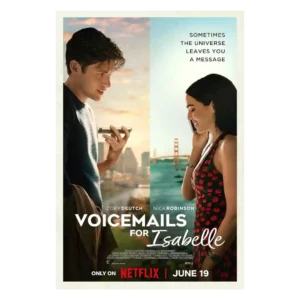

Voicemails for Isabelle
Where It Has the Edge
- dialogue quality is 5.0 vs 1.7. The dialogue is strongest when it captures inside jokes, banter, and humor rooted in character history. Its witty,...

Scorata scores summarize analyzed review evidence on a 1–5 scale; they are not laboratory measurements or a simple average of customer star ratings. Feature scores summarize the reviews covering that feature. The overall score averages feature scores within each review, then combines review averages. When both expert and customer evidence are available, those two groups receive equal weight. Products can have different review coverage, so small score gaps do not establish a winner.
Recommendations prioritize important features for the category, with a score of at least 3.5, a gap of at least 0.25 points and at least two supporting reviews per product. Features with widely varying scores or broad connectivity contexts are excluded from recommendations. These safeguards do not establish statistical significance.
Quick verdict
The available evidence supports the recommendation below, but does not establish an overall winner. Check the remaining features against your priorities.
Choose Voicemails for Isabelle for dialogue quality.
There is not enough comparable review evidence to recommend Charlie Harper over the other product.
No clear scored advantage over the other product.
Scores are out of 5. Missing scores mean missing review evidence, not a missing feature.
The dialogue is strongest when it captures inside jokes, banter, and humor rooted in character history. Its witty, touching exchanges help the relationships feel lived in.
Dialogue is a recurring weakness, often called writerly, simplistic, banal, false-sounding, or on-the-nose. A few poignant lines land, but they are frequently outweighed by self-conscious exposition.
Sexual references, comic encounters, and suggestive scenes are frequent enough to limit suitability for families. The material feels prominent and relentless rather than occasional.
The sexual material is characterized as restrained and closer to PG-13 presentation than explicit adult content.
Profanity and rude sexual dialogue are harsher and more frequent than the rating may suggest. The language is unsuitable for anyone seeking a restrained romantic comedy.
Adult language is present, but it is characterized as only a smattering rather than an overwhelming part of the experience.
The comedy lands through Jill’s rants, inside jokes, and eccentric kitchen characters. Comic relief occasionally interrupts the grief too aggressively.
The film is not treated as a true comedy; its laughs are described as mild and polite rather than a major source of entertainment.
Jill and Isabelle’s bond is established with vivid personality and believable history, giving Jill’s grief real psychological weight. Wes also receives some welcome softness beyond the generic romantic-lead template.
Character depth is highly disputed. Some find Charlie and Harper fully drawn and emotionally complex, while others see them as shallow, broad types whose lives outside the relationship are underdeveloped.
The screenplay combines sharp, character-based humor with an openhearted treatment of grief. Its self-aware rom-com references can become heavy-handed.
The screenplay produces the widest range of reactions, from honest, grounded, and mature to cliché-driven, shallow, overexplained, and self-important. Its strongest material centers on relationship conflict; its weakest tends to be exposition and theme-heavy dialogue.
The voicemail device and modern sensibility can feel fresh, but the movie openly borrows from classic romances and follows familiar beats. Its originality lies more in emotional framing than plot architecture.
The structure is unconventional, but the underlying romance is often called familiar or generic. Several assessments see the film as a remix of established indie-romance ideas rather than a fresh story.
The direction handles grief, comedy, and romance with confidence and sells individual emotional moments. Polished cuteness occasionally blunts the darker implications of Wes’s behavior.
The direction divides opinion sharply. Supporters praise an impressive, stylish debut with careful scene placement, while detractors find it overdirected, unsubtle, or burdened by formal tricks.
The film’s message is that grief does not disappear, love cannot fix everything, and moving forward is not the same as forgetting. Its feminist emphasis on Jill’s self-recovery is also warmly received.
The relationship lessons split opinion. Some find the ideas about memory, growth, heartbreak, and letting go deeply meaningful, while others think the film gestures at serious issues without saying enough.
The visuals range from glossy and romantic to blandly streaming-generic. San Francisco locations provide the strongest and most distinctive visual asset.
The cinematography is generally praised for looking polished and for using framing, color, texture, and camera choices to distinguish phases of the relationship.
The finale is moving, uplifting, and satisfyingly full-circle. Its weakest point is how quickly Wes is forgiven and how lightly his actions are punished.
The last stretch is often stronger than what precedes it, with several viewers saying the pieces finally click into place. Others still find the payoff underwhelming or predictable.
The sisterhood, loss, and farewell scenes are the film’s clearest triumph, repeatedly prompting tears without losing warmth. Even mixed reviews acknowledge the opening’s emotional force.
The film lands very differently depending on the viewer: many describe it as heartbreaking, deeply moving, or lingering, while others feel manipulated, unmoved, or kept at a distance by the structure and writing.
The film finds substantial depth in grief, identity, sisterhood, workplace sexism, and the fear of moving forward. Those serious ideas sometimes deserve more space beyond the rom-com framework.
Themes of memory, love, self-discovery, addiction, ambition, and letting go are central. Some find them powerful and authentic; others think addiction and toxicity are raised only superficially.
The near-two-hour runtime is one of the clearest weaknesses. Trimming workplace detours and repeated setup would create a tighter, more persuasive romance.
Perception of the roughly 100-minute runtime is split: one assessment calls the experience interminable, while another says it remains entrancing throughout.
The reveal mechanics are clever and plausible within rom-com logic, but the reassigned-number premise and Wes’s behavior still strain credibility. The sequence of events is clear even when the ethics are not convincing.
The chronology is intentionally scrambled, and reactions vary from fully understandable by the end to distractingly confusing. Visual cues help, but they do not always prevent viewers from stopping to work out where a scene belongs.
The blend of grief, broad comedy, and romance often works beautifully when the sisterhood stays central. Comic relief and self-aware sweetness occasionally intrude on the heavier emotions.
The serious tone works for viewers who appreciate a melancholy romance that never becomes relentlessly miserable. Others feel the dour mood is a poor fit for the leads and drains their natural charisma.
The drama begins as a tear-jerker and transitions into romance while retaining poignant notes. Its grief remains more convincing than its lighter romantic machinery.
The dramatic material works best in intimate confrontations and major fights, where the performances give the relationship weight. These scenes are among the film’s strongest moments for positive viewers.
The grief-and-sisterhood story gives familiar rom-com material uncommon heart and meaning. The film becomes lighter, staler, and less convincing whenever the romance overwhelms that core.
The core story is praised by some as beautiful, moving, and emotionally mature, while others consider it slight, derivative, or frustrating. The performances often determine whether the familiar material connects.
The early chop-chop editing gives the kitchen scenes energy, strengthens jokes, and mirrors Jill’s frantic routine. Momentum becomes less consistent once the central deception takes over.
The nonlinear editing is one of the most divisive elements. Some find it an elegant reflection of memory, while others call the crosscutting pretentious, confusing, unnecessary, or disruptive.
The plot heavily echoes You’ve Got Mail, Sleepless in Seattle, Love Again, and other rom-com templates. A few appreciate the voicemail update, but most see the structure as predictable and derivative.
The memory-based structure offers an interesting framing device, yet the actual relationship beats are repeatedly criticized as familiar, trope-heavy, or predictable.
Pacing is a frequent weakness: the opening and middle can feel overextended, while Wes’s pursuit develops too quickly. The strongest sections move briskly when focused on Jill and Isabelle.
The fractured timeline frequently interrupts momentum and can require patience, though a few viewers feel its restless movement effectively mirrors the couple’s instability.
As a nostalgic rom-com, it delivers familiar pleasures and affectionate nods to the genre’s 1990s peak. The formula also restricts a more serious and psychologically interesting movie.
As a romantic drama, the film earns both strong praise and strong rejection. Fans see a moving, mature breakup story, while critics of the film view it as familiar indie-romance material dressed up with formal gimmicks.
The romance is sweet, optimistic, and highly watchable, but it is also the film’s most divisive element. Wes’s use of private voicemails can make the courtship feel creepy or unearned.
The romance is the film’s biggest point of polarization after the structure. Many find it moving, believable, and beautifully messy; others see the couple as unconvincing or the relationship as too shallowly written to earn its tragedy.
Zoey Deutch and Nick Robinson are usually credited with easy, palpable chemistry that helps sell the fantasy. A smaller group finds their connection underdeveloped or much weaker than the sisterly bond.
Chemistry is the clearest point of agreement, with the leads repeatedly described as electric, palpable, believable, or natural together. A small minority does not buy the couple, and some feel the structure keeps that chemistry from breathing.
Despite a teen-accessible rating, the sexual material and strong language raise suitability concerns. Families should not assume the emotional sister story makes it a gentle all-ages watch.
The film is described as comparatively palatable for younger viewers because its adult material is depicted with restraint rather than graphic detail.
Tears, humor, attractive leads, and nostalgic romance give the film broad mainstream appeal. The privacy-crossing courtship will sharply reduce its charm for anyone unable to suspend disbelief.
Its strongest audience is likely romance fans and younger indie-film viewers who respond to bittersweet first-love stories. Familiar tropes may limit its appeal for viewers already tired of this style.
Cathartic emotion, humor, memorable music, and comfort-romance familiarity give it strong repeat-watch potential. Its warmest scenes are built to be revisited.
Long-term staying power is uncertain. One response found the film hard to shake, while others think its familiar plotting and on-the-nose writing sharply reduce the desire to revisit it.
The movie is funny, moving, and easy to enjoy despite evident flaws. Its emotional warmth and magnetic lead performance make it a strong comfort-watch candidate.
Engagement ranges from fully entranced to openly bored or frustrated. Strong chemistry can carry the film for sympathetic viewers, but the same structure and self-conscious writing make it a slog for others.
Robyn and Taylor Swift cues give the movie a strong emotional identity and help key scenes soar. The needle drops can also feel overused, overly obvious, or distracting.
Music is central to the romance and can add charm and polish, but repeated song use is sometimes criticized for becoming an emotional crutch and draining impact.
The central cast elevates the familiar premise, with the leads and younger performers carrying both comedy and grief. A few dramatic choices wobble, but the ensemble remains a major strength.
The two leads are the film’s most reliable strength: even several negative assessments still find Jones and Robinson appealing or capable. A minority feels the dour material suppresses some of their usual charisma.
San Francisco provides a glossy, romantic backdrop, and several scenes are beautifully framed. The saturated streaming look can also appear bland and generic.
Aspect-ratio changes, color coding, and shifting textures are often admired for separating timelines and adding polish. Other assessments find the same devices unnecessary, pretentious, or too elaborate for such a simple story.
The sisterhood themes are warm, but frequent sex talk, sexual situations, and strong language limit family friendliness. It is better suited to mature teens and adults.
Everyday conflicts, imperfect affection, and the leads’ performances often make the relationship feel authentic. That realism is weakened for some by thin addiction treatment, explanatory dialogue, and overly constructed scenes.
The original score draws strong criticism for being overbearing and excessively gloomy, with complaints that it pushes emotion instead of supporting it.
Jones and Robinson are repeatedly praised for emotional range, vulnerability, heartbreak, and believable conflict. Their work often keeps the movie engaging even when the writing or structure is criticized.
The overall production is polished and carefully made, giving the Netflix release more presence than routine streaming fare. Its glossy finish supports the romantic fantasy.
The film’s narrow focus on Charlie and Harper repeatedly leaves the surrounding world feeling thin. Supporting characters and life beyond the romance are often too lightly developed to give the story broader texture.
One highly enthusiastic response says the film would have justified a theatrical ticket, not just a streaming click. Its emotional and entertainment payoff can feel unusually strong for Netflix rom-com fare.

Best for pristine archival footage, immersive sound, and a surprisingly tense look at Disneyland’s construction. Skip it if you want a comprehensive, deeply critical history; several reviewers found the 78–79-minute...
Pros: plot clarity, realism
Cons: plot originality, runtime
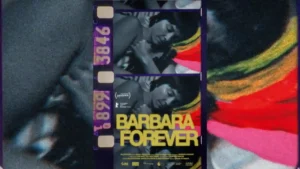
Best for an intimate, inventive archival portrait with strong emotional and cultural impact. Skip it if substantial nudity or an occasionally wandering biographical structure will frustrate you.
Pros: chemistry between characters, emotional impact
Cons: runtime, plot clarity
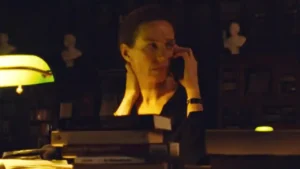
Best for an audacious, text-driven conspiracy thriller with gorgeous 16mm atmosphere and mounting dread. Skip it if long stretches of reading, deliberate repetition, and an intentionally austere narrative sound more...
Pros: story quality, plot clarity
Cons: chemistry between characters, sound design

Best for slow-burn suspense, iconic synth music, and shadow-soaked filmmaking that still feels influential. Skip it if you need fast pacing, polished sound, consistently natural dialogue, or modern gore-heavy kills.
Pros: chemistry between characters, directing quality
Cons: sound design, dialogue quality