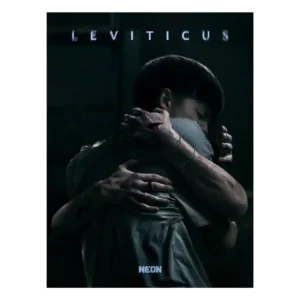
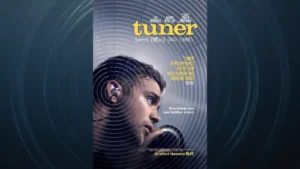
Leviticus
Where It Has the Edge
No clear scored advantage over the other product.

Scorata scores summarize analyzed review evidence on a 1–5 scale; they are not laboratory measurements or a simple average of customer star ratings. Feature scores summarize the reviews covering that feature. The overall score averages feature scores within each review, then combines review averages. When both expert and customer evidence are available, those two groups receive equal weight. Products can have different review coverage, so small score gaps do not establish a winner.
Recommendations prioritize important features for the category, with a score of at least 3.5, a gap of at least 0.25 points and at least two supporting reviews per product. Features with widely varying scores or broad connectivity contexts are excluded from recommendations. These safeguards do not establish statistical significance.
Quick verdict
The available evidence supports the recommendation below, but does not establish an overall winner. Check the remaining features against your priorities.
There is not enough comparable review evidence to recommend Leviticus over the other product.
Choose Tuner for pacing and supporting cast performance.
No clear scored advantage over the other product.
Scores are out of 5. Missing scores mean missing review evidence, not a missing feature.
Humor is rare and deliberately uncomfortable. The few darkly comic beats do not land for every viewer and offer little relief from the film’s bleakness.
Harry’s banter and the contrast between the two tuners add welcome levity, though the laughs fade as the crime plot darkens.
The film’s direct queer perspective gives its horror unusual specificity and emotional authenticity. It has been praised as a meaningful contribution to queer horror rather than a generic curse story with representation added on.
The film’s New York Jewish and immigrant milieu adds texture for some viewers; a few question how fully it develops those cultural threads.
Desaturated industrial landscapes, intimate close-ups, and isolating compositions give the film a bleak but striking look. The camera repeatedly turns open spaces and familiar faces into sources of unease.
Close views of keys, strings, and locks bring tactile detail, although a few viewers find the photography less distinctive than the sound.
The central curse is easy to grasp, but its boundaries and behavior are not always consistent. Questions about when victims are truly alone and how the entity learns remain underexplained.
The safecracking premise is easy to follow, but late coincidences and plot turns test plausibility for many.
The condemnation of conversion therapy and religiously sanctioned shame is forceful and easy to understand. Some critics felt the message became too blunt, repetitive, or heavy-handed.
The film connects talent, disability, and the pressure to earn a living, giving its light caper a thoughtful undertone.
The compact runtime keeps most of the film focused, and several critics praised its escalating tension. Others felt the slow-burn setup dragged, the final act repeated itself, or the story moved too quickly to deepen its characters.
Brisk editing and short montages keep the story moving for most; a few feel the middle or late stretch drags.
Naim’s flaws and emotional shifts come through clearly, but Ryan and several supporting characters can feel thin or unevenly developed. The limited backstory weakens the impact for some viewers.
Niki’s lost musical ambitions and loyalty to Harry give the story a human center. Some find the supporting criminals too thinly drawn.
The strongest exchanges feel casual and revealing, especially between the two boys. Some later dialogue is clunky or too explicit about the film’s themes.
The quick banter between Niki and Harry provides many of the early laughs, while occasional lines in the crime plot strike some as forced.
The monster’s use of a loved one’s face is a strong, emotionally loaded horror hook. Familiar stalking mechanics remain, but the conversion-therapy framework gives the plot a distinctive purpose.
The hearing driven safecracking idea stands out, while the overall criminal arc often follows recognizable patterns.
Many critics admired the bittersweet final note and its refusal to offer an easy cure, finding it graceful and hopeful without denying lasting danger. Others found the ending abrupt or insufficiently resolved.
Reactions to the final act split: some find its musical payoff moving, while others object to coincidences, abruptness, or unresolved threads.
The script has a potent premise and strong relationship details, but its development is uneven. Critics most often questioned thin supporting roles, repeated third-act beats, and incomplete supernatural rules.
The script balances family loyalty, romance, and crime with deft setups, but its convenient final act is the most common complaint.
The desire-shaped demon is a sharp variation on the supernatural-stalker formula, and the queer perspective gives it distinct emotional meaning. Comparisons with It Follows are unavoidable, and a few critics found the execution overly familiar.
The piano tuner who cracks safes is a fresh hook, even as familiar crime beats emerge later.
The film is frequently described as heartbreaking, haunting, and deeply upsetting, with a modest thread of hope. Viewers who wanted fuller characterization were less emotionally invested.
The mentor bond and Niki’s struggle to return to music give the ending a strong emotional pull for many viewers.
Jed Kurzel’s score blends melancholy with low, ominous pressure. It supports both the romance and the dread without overwhelming the film’s quieter moments.
The jazzy score supports the film’s rhythm and musical setting, though a few find the cues intrusive.
The jealousy, betrayal, repression, and longing often carry more force than the supernatural attacks. The romantic conflict gives the horror its emotional stakes.
The personal stakes around Harry’s illness and Niki’s abandoned music career deepen the caper, though some prefer the gentler first half.
The movie delivers enough gore, jumps, stalking tension, and dread to function as horror while remaining primarily character-driven. Viewers seeking nonstop scares may find it quieter than expected.
Its blend of romance, character drama, and heist suspense appeals to many, while viewers seeking a harder edged crime film may find the genre mix uneven.
The central romance is powered by unusually strong chemistry, with the leads making stolen affection, distrust, and reconciliation feel immediate. A small minority found the relationship underwritten despite the performances.
Woodall and Liu are often credited with natural romantic chemistry, and Woodall’s rapport with Hoffman gives the mentor bond warmth. A minority find the romance unconvincing.
The curse turns imposed shame into a physical threat, making desire, repression, betrayal, and community control inseparable. The metaphor is blunt but widely considered powerful, timely, and emotionally coherent.
The film’s strongest ideas concern lost vocation, found family, and the costs of using a gift for money.
Despite the supernatural premise, the social pressure, secrecy, jealousy, and religious coercion feel painfully plausible. That grounded reality makes the curse more disturbing.
Details of piano tuning feel convincing, though some viewers question the ease of the heists and late coincidences.
Adrian Chiarella’s debut is widely regarded as assured, sensitive, and controlled. He handles intimacy and dread especially well, even when the screenplay’s rules or side characters are less polished.
Roher’s first narrative feature is admired for its assured blend of intimate drama and sensory suspense. Some find his later plotting or tonal shifts less controlled.
Romance, dread, sorrow, and cautious hope are balanced with unusual confidence. The film can pivot from tenderness to violence without making either side feel incidental.
The light romantic opening shifts toward violent crime; some praise the balance and others feel the turn jars.
Uncertainty over whether Naim or Ryan is real drives sustained, often nail-biting tension. The film is strongest when affection and danger occupy the same scene.
Clicks inside locks, sudden alarms, and escalating criminal pressure create suspense without constant action.
The sub-90-minute length is generally viewed as welcome and efficient. A few critics still felt the final stretch repeated itself or that the story needed more room to develop.
Its roughly two hour length moves smoothly for many viewers, though some think scenes could have been trimmed.
The tender, awkward first-love story is one of the film’s most consistently praised elements. Its intimacy gives the supernatural threat real weight and keeps the movie from becoming only a trauma allegory.
Niki and Ruthie’s shared musical passion makes their romance the heart of the film for many; a few find it rushed or thin.
The editing creates sharp shifts between open-space unease and claustrophobic danger while keeping the story compact. Its timing helps uncertainty linger whenever a familiar face appears.
Quick cuts and rhythmic montages make piano tuning and safecracking lively. A few find the technique busy or intrusive.
The film can be gripping and emotionally absorbing, but its bleakness makes it more punishing than conventionally fun. Its strongest appeal is to viewers who value mood, metaphor, and romance over constant thrills.
Most call it a charming, absorbing watch built around an unusual skill. A smaller group finds the familiar caper too dull or contrived.
Critical response is strongly favorable, with particular enthusiasm for the performances, central metaphor, suspense, and romance. Reservations focus mainly on familiar influences and underdeveloped rules.
Critical praise centers on the performances and immersive sound, with repeated reservations about familiar plotting.
Mia Wasikowska makes the mother’s cold, conflicted faith unsettling, even with limited screen time. Critics often wished the role and other adults had been developed further.
Hoffman and Liu draw especially strong support around Woodall, while some reviewers want more for the smaller roles.
The selective use of songs, especially Frank Ocean’s “Self Control,” gives the closing movement a bittersweet emotional lift. The soundtrack complements rather than overwhelms the original score.
Jazz and piano music enrich the setting, though specific song choices and original pieces draw occasional reservations.
Joe Bird and Stacy Clausen are the clear standout, bringing tenderness, panic, guilt, and menace to emotionally demanding roles. Even less enthusiastic critics generally praised the acting.
The cast is widely praised for making the modest crime story engaging, though a few voices find the lead or supporting roles thinner than the premise deserves.
Joe Bird gives Naim a vulnerable, expressive interior life, while Stacy Clausen shifts convincingly between tenderness, bravado, and frightening impersonation. Both leads are repeatedly singled out as major strengths.
Woodall’s quiet, physically expressive lead turn wins broad praise for conveying skill and pain without much dialogue. A few find him too blank or miscast.
Muted colors, industrial decay, shadows, and carefully separated figures create a bleak social-realist texture. Softer images of togetherness provide a meaningful contrast.
Mechanical close ups and brisk city montages lend energy, although a few find the style too fussy.
Clanks, hums, silence, and other abrasive textures create a sinister atmosphere that feels larger than the film’s budget. The soundscape is especially effective when reality and imitation begin to blur.
The sound mix moves from muffled quiet to painful noise to put viewers inside Niki’s hearing. This immersive craft is one of the clearest strengths.
The abandoned mill, faded homes, church interiors, and industrial surroundings create a spare, oppressive world. Small visual details reinforce the boys’ isolation and the community’s emotional austerity.
New York’s pianos, conservatory, wealthy homes, and street noise give the story a distinctive setting.
The film favors tightly staged break-ins over large action set pieces; some enjoy that scale, while others want more excitement.
The easy affection between Niki and Harry is a recurring highlight, making Niki’s risky attempt to help him emotionally credible.
The film conveys the pain and isolation of hypersensitive hearing through its sound, making Niki’s condition central to the experience.
The wound effects are used sparingly but land with convincing impact. Their restraint keeps the violence tactile without turning the film into a gore showcase.
The film earns strong tension, a few standout jump scares, and several disturbing identity-switch set pieces. Reactions are mixed on overall fright level, with some viewers finding the supernatural element restrained or underwhelming.
Practical wounds and digital enhancements are used selectively and effectively. The effects support the violence without distracting from the performances.
The core story combines first love, betrayal, conversion therapy, and supernatural pursuit with clear emotional purpose. Its impact is reduced for some viewers by sparse character history and an underdeveloped mythology.
The violence is brutal and emotionally purposeful rather than constant. Its limited but graphic attacks reinforce the cruelty of the premise without becoming sadistic spectacle.
This contribution earns a clear favorable response.
The audio description is usable, but its quality is judged only functional.
The emotional romance and accessible curse premise give the film crossover potential beyond dedicated horror fans. Its bleak subject matter and restrained supernatural spectacle may narrow that appeal.
Understated clothing supports the town’s drab conformity and the film’s grounded unease. The design works quietly with the setting rather than calling attention to itself.
The town and its social pressure feel convincing, but the supernatural mythology is notably thin. Several critics wanted clearer lore, stronger rules, and more context for the healer’s power.
Best for pristine archival footage, immersive sound, and a surprisingly tense look at Disneyland’s construction. Skip it if you want a comprehensive, deeply critical history; several reviewers found the 78–79-minute...
Pros: plot clarity, realism
Cons: plot originality, runtime
Best for an intimate, inventive archival portrait with strong emotional and cultural impact. Skip it if substantial nudity or an occasionally wandering biographical structure will frustrate you.
Pros: chemistry between characters, emotional impact
Cons: runtime, plot clarity
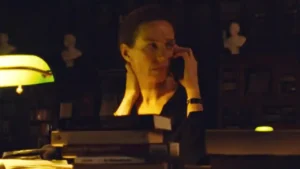
Best for an audacious, text-driven conspiracy thriller with gorgeous 16mm atmosphere and mounting dread. Skip it if long stretches of reading, deliberate repetition, and an intentionally austere narrative sound more...
Pros: story quality, plot clarity
Cons: chemistry between characters, sound design

Best for slow-burn suspense, iconic synth music, and shadow-soaked filmmaking that still feels influential. Skip it if you need fast pacing, polished sound, consistently natural dialogue, or modern gore-heavy kills.
Pros: chemistry between characters, directing quality
Cons: sound design, dialogue quality