Scorata scores summarize analyzed review evidence on a 1–5 scale; they are not laboratory measurements or a simple average of customer star ratings. Feature scores summarize the reviews covering that feature. The overall score averages feature scores within each review, then combines review averages. When both expert and customer evidence are available, those two groups receive equal weight. Products can have different review coverage, so small score gaps do not establish a winner.
Recommendations prioritize important features for the category, with a score of at least 3.5, a gap of at least 0.25 points and at least two supporting reviews per product. Features with widely varying scores or broad connectivity contexts are excluded from recommendations. These safeguards do not establish statistical significance.
Quick verdict
What each product is best for
The review evidence points to a tradeoff: tonal consistency and acting performance versus message quality. Choose according to which strengths matter more to you; the overall score alone does not settle that choice.
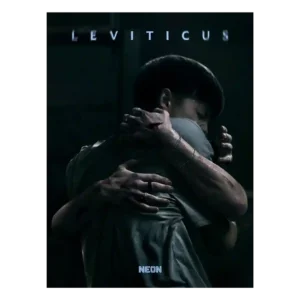
Choose Leviticus for tonal consistency and acting performance.
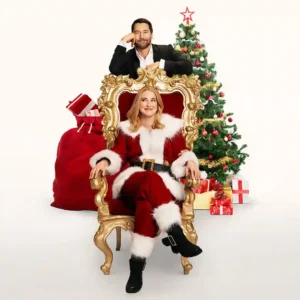
Choose My Secret Santa for message quality.
Why these recommendations?
Leviticus
Where It Has the Edge
tonal consistency is 4.7 vs 2.5. Romance, dread, sorrow, and cautious hope are balanced with unusual confidence. The film can pivot from tenderness to...
acting performance is 4.6 vs 3.0. Joe Bird and Stacy Clausen are the clear standout, bringing tenderness, panic, guilt, and menace to emotionally demanding...
visual style is 4.6 vs 3.0. Muted colors, industrial decay, shadows, and carefully separated figures create a bleak social-realist texture. Softer images of togetherness...
My Secret Santa
Where It Has the Edge
message quality is 4.5 vs 2.4. The movie's message about vulnerability, kindness, and allowing yourself a new beginning resonated with the reviewers who engaged...
Leviticus4.2 overall score
My Secret Santa3.2 overall score
Compare features
Scores are out of 5. Missing scores mean missing review evidence, not a missing feature.
Scored on both products
Other features
Cultural representation
Leviticus
5.0
The film’s direct queer perspective gives its horror unusual specificity and emotional authenticity. It has been praised as a meaningful contribution to queer horror rather than a generic curse story with representation added on.
My Secret Santa
1.0
One critic objected to the way the movie leans on a stereotype involving gay characters as convenient makeover experts.
Realism
Leviticus
4.8
Despite the supernatural premise, the social pressure, secrecy, jealousy, and religious coercion feel painfully plausible. That grounded reality makes the curse more disturbing.
My Secret Santa
1.7
The premise requires major suspension of disbelief, particularly around hiring, identity, and character behavior. A few reviewers accepted the absurdity as part of the fun, but most realism-focused comments were critical.
Cinematography
Leviticus
4.7
Desaturated industrial landscapes, intimate close-ups, and isolating compositions give the film a bleak but striking look. The camera repeatedly turns open spaces and familiar faces into sources of unease.
My Secret Santa
2.0
One reviewer was distracted by an orange facial tint that made the image look jarring early on.
Suspense
Leviticus
4.6
Uncertainty over whether Naim or Ryan is real drives sustained, often nail-biting tension. The film is strongest when affection and danger occupy the same scene.
My Secret Santa
2.0
The antagonistic threads provide little genuine suspense; one reviewer said they lack any real teeth of dramatic tension.
Tonal consistency
Leviticus
4.7
Romance, dread, sorrow, and cautious hope are balanced with unusual confidence. The film can pivot from tenderness to violence without making either side feel incidental.
My Secret Santa
2.5
The film's tone improves after a rough, cheesy opening for some viewers, but the final act was criticized elsewhere for feeling farcical and out of step with the earlier story.
Message quality
Leviticus
2.4
The condemnation of conversion therapy and religiously sanctioned shame is forceful and easy to understand. Some critics felt the message became too blunt, repetitive, or heavy-handed.
My Secret Santa
4.5
The movie's message about vulnerability, kindness, and allowing yourself a new beginning resonated with the reviewers who engaged most strongly with its emotional side.
Story quality
Leviticus
3.8
The core story combines first love, betrayal, conversion therapy, and supernatural pursuit with clear emotional purpose. Its impact is reduced for some viewers by sparse character history and an underdeveloped mythology.
My Secret Santa
1.8
The central setup provides a usable holiday framework, but several reviewers felt the story underexplores its emotional stakes and leans too heavily on thin subplots or familiar mechanics.
Drama quality
Leviticus
4.0
The jealousy, betrayal, repression, and longing often carry more force than the supernatural attacks. The romantic conflict gives the horror its emotional stakes.
My Secret Santa
2.0
The dramatic side is lightweight; even a reviewer who enjoyed the leads felt the antagonistic material lacked real dramatic tension.
Directing quality
Leviticus
4.8
Adrian Chiarella’s debut is widely regarded as assured, sensitive, and controlled. He handles intimacy and dread especially well, even when the screenplay’s rules or side characters are less polished.
My Secret Santa
3.0
Mike Rohl's direction was viewed as competent for the holiday genre, but not strong enough to push the film into exceptional territory.
Plot clarity
Leviticus
2.7
The central curse is easy to grasp, but its boundaries and behavior are not always consistent. Questions about when victims are truly alone and how the entity learns remain underexplained.
My Secret Santa
1.0
Several critics found the employment setup, identity paperwork, and reveal conflict logically shaky or outright nonsensical, making the story mechanics harder to accept even by Christmas-movie standards.
Dialogue quality
Leviticus
3.3
The strongest exchanges feel casual and revealing, especially between the two boys. Some later dialogue is clunky or too explicit about the film’s themes.
My Secret Santa
1.6
Dialogue drew frequent criticism for feeling cheesy, unnatural, or dependent on poor communication, though one review noted occasional witty banter amid otherwise plain writing.
Romance quality
Leviticus
4.6
The tender, awkward first-love story is one of the film’s most consistently praised elements. Its intimacy gives the supernatural threat real weight and keeps the movie from becoming only a trauma allegory.
My Secret Santa
3.0
The romance is highly split. Some reviewers found Taylor and Matthew's connection genuine and earned, while others thought it was rushed, flimsy, or emotionally unconvincing.
Originality
Leviticus
3.6
The monster’s use of a loved one’s face is a strong, emotionally loaded horror hook. Familiar stalking mechanics remain, but the conversion-therapy framework gives the plot a distinctive purpose.
My Secret Santa
2.1
One critic specifically faulted the plot for borrowing so heavily from other movies that it struggles to form its own identity.
Writing quality
Leviticus
2.9
The script has a potent premise and strong relationship details, but its development is uneven. Critics most often questioned thin supporting roles, repeated third-act beats, and incomplete supernatural rules.
My Secret Santa
1.4
The screenplay is a recurring weakness, criticized for clichés, weak logic, lazy communication, and forced conflict. A few reviews still found occasional wit or emotional beats that land.
Ending satisfaction
Leviticus
4.1
Many critics admired the bittersweet final note and its refusal to offer an easy cure, finding it graceful and hopeful without denying lasting danger. Others found the ending abrupt or insufficiently resolved.
My Secret Santa
2.8
The ending divides opinion sharply: some found the final act unexpectedly resonant and better than the formula suggested, while others called it cringe, obvious, or badly out of step with the rest of the movie.
Pacing
Leviticus
3.3
The compact runtime keeps most of the film focused, and several critics praised its escalating tension. Others felt the slow-burn setup dragged, the final act repeated itself, or the story moved too quickly to deepen its characters.
My Secret Santa
2.0
The 90-minute structure keeps things moving, but reviewers felt the opening can be rough and that too many subplots force development and resolutions to happen too quickly.
Humor
Leviticus
2.0
Humor is rare and deliberately uncomfortable. The few darkly comic beats do not land for every viewer and offer little relief from the film’s bleakness.
My Secret Santa
3.2
Comedy is inconsistent across the reviews: Breckenridge's Santa antics and a few farcical set pieces land well, but many jokes are described as mild, forced, recycled, or funny mainly because the movie itself is so ridiculous.
Theme depth
Leviticus
4.7
The curse turns imposed shame into a physical threat, making desire, repression, betrayal, and community control inseparable. The metaphor is blunt but widely considered powerful, timely, and emotionally coherent.
My Secret Santa
3.5
The movie occasionally finds meaningful material in vulnerability, deferred dreams, identity, and emotional openness. Critics who wanted more depth felt those ideas were introduced but not fully developed.
Character development
Leviticus
3.1
Naim’s flaws and emotional shifts come through clearly, but Ryan and several supporting characters can feel thin or unevenly developed. The limited backstory weakens the impact for some viewers.
My Secret Santa
2.4
Character depth is one of the most disputed areas. Taylor earns praise for emotional texture and some arcs show growth, but many reviewers found supporting characters thin, underwritten, or rushed by the crowded story.
Cast chemistry
Leviticus
4.7
The central romance is powered by unusually strong chemistry, with the leads making stolen affection, distrust, and reconciliation feel immediate. A small minority found the relationship underwritten despite the performances.
My Secret Santa
4.1
Taylor and Matthew's chemistry is one of the more reliable strengths, with several reviewers calling it genuine, charming, or worth the wait. A minority found the connection weak or unable to survive the rushed development.
Practical effects quality
Leviticus
4.5
The wound effects are used sparingly but land with convincing impact. Their restraint keeps the violence tactile without turning the film into a gore showcase.
My Secret Santa
5.0
The practical Santa disguise is convincing enough to sell Hugh as a separate persona, helping Breckenridge's transformation feel more complete.
Runtime
Leviticus
4.5
The sub-90-minute length is generally viewed as welcome and efficient. A few critics still felt the final stretch repeated itself or that the story needed more room to develop.
My Secret Santa
5.0
The roughly 90-minute length is widely treated as an ideal easy-watch duration, even though the compressed runtime also contributes to rushed character development.
Special effects quality
Leviticus
4.5
Practical wounds and digital enhancements are used selectively and effectively. The effects support the violence without distracting from the performances.
My Secret Santa
5.0
The Santa transformation is one of the more convincing technical elements, with the makeup and fat-suit disguise effectively obscuring Taylor's identity.
Emotional impact
Leviticus
4.3
The film is frequently described as heartbreaking, haunting, and deeply upsetting, with a modest thread of hope. Viewers who wanted fuller characterization were less emotionally invested.
My Secret Santa
4.2
Warmth and comfort are major strengths for many reviewers, especially in the Santa interactions and final stretch. Others found the film too emotionally cautious or rushed to leave a lasting impression.
Genre satisfaction
Leviticus
4.2
The movie delivers enough gore, jumps, stalking tension, and dread to function as horror while remaining primarily character-driven. Viewers seeking nonstop scares may find it quieter than expected.
My Secret Santa
4.2
Fans of cozy, corny Christmas rom-coms are the clearest target, and several reviewers thought it delivers exactly that comfort. Critics less tolerant of formula and cheese found it generic or ineffective.
Performance
Acting performance
Leviticus
4.6
Joe Bird and Stacy Clausen are the clear standout, bringing tenderness, panic, guilt, and menace to emotionally demanding roles. Even less enthusiastic critics generally praised the acting.
My Secret Santa
3.0
The ensemble lands in a middling range overall: some reviewers found the cast likable and capable of elevating the formula, while another called the acting merely mediocre.
Lead performance
Leviticus
4.9
Joe Bird gives Naim a vulnerable, expressive interior life, while Stacy Clausen shifts convincingly between tenderness, bravado, and frightening impersonation. Both leads are repeatedly singled out as major strengths.
My Secret Santa
4.4
Alexandra Breckenridge is the clearest consensus strength, often credited with carrying or elevating the movie through warmth, charm, and comic commitment. A few reviewers were less convinced by the disguise performance or Santa voice.
Supporting cast performance
Leviticus
4.0
Mia Wasikowska makes the mother’s cold, conflicted faith unsettling, even with limited screen time. Critics often wished the role and other adults had been developed further.
My Secret Santa
4.0
The supporting cast is generally a plus, with several reviewers praising the warmth, humor, and energy around Breckenridge. Tia Mowry drew one notable dissenting view as an unnatural fit for the villain role.
Comfort and build
Visual style
Leviticus
4.6
Muted colors, industrial decay, shadows, and carefully separated figures create a bleak social-realist texture. Softer images of togetherness provide a meaningful contrast.
My Secret Santa
3.0
The Christmas visuals are pleasant and polished enough for a seasonal watch, but critics who focused on aesthetics found the look serviceable and generic rather than distinctive.
Costume design
Leviticus
4.2
Understated clothing supports the town’s drab conformity and the film’s grounded unease. The design works quietly with the setting rather than calling attention to itself.
My Secret Santa
4.0
The festive wardrobe helps sell the Christmas look, with vibrant reds and deep greens reinforcing the ski-lodge setting.
World-building
Leviticus
2.1
The town and its social pressure feel convincing, but the supernatural mythology is notably thin. Several critics wanted clearer lore, stronger rules, and more context for the healer’s power.
My Secret Santa
2.0
One reviewer found the movie's resort-world logic so detached from recognizable reality that the setting itself became difficult to buy.
Production design
Leviticus
4.6
The abandoned mill, faded homes, church interiors, and industrial surroundings create a spare, oppressive world. Small visual details reinforce the boys’ isolation and the community’s emotional austerity.
My Secret Santa
4.5
The snowy ski-lodge setting, decorations, and wintry locations provide dependable Christmas atmosphere. Reviewers liked the cozy look even when they found the overall production merely serviceable or generic.
Controls and connectivity
Audience appeal
Leviticus
4.5
The emotional romance and accessible curse premise give the film crossover potential beyond dedicated horror fans. Its bleak subject matter and restrained supernatural spectacle may narrow that appeal.
My Secret Santa
3.5
Holiday familiarity helped the movie reach a broad audience, but one critic felt it lacked enough wit or thoughtfulness to satisfy either kids or adults on its own merits.
Ownership and support
Entertainment value
Leviticus
3.5
The film can be gripping and emotionally absorbing, but its bleakness makes it more punishing than conventionally fun. Its strongest appeal is to viewers who value mood, metaphor, and romance over constant thrills.
My Secret Santa
3.0
The movie works best as easy holiday comfort or even a guilty-pleasure watch. Several critics still found it forgettable or background-level, and the harshest reviews saw little genuine entertainment beyond laughing at its flaws.
Evidence available for one product
Controls and connectivity
Age appropriateness
LeviticusNo score yet
My Secret Santa
5.0
One reviewer specifically praised the comedy as family-friendly without talking down to viewers, making the tone easy to share with a broad household audience.
Critic appeal
Leviticus
5.0
Critical response is strongly favorable, with particular enthusiasm for the performances, central metaphor, suspense, and romance. Reservations focus mainly on familiar influences and underdeveloped rules.
My Secret SantaNo score yet
Other features
Editing quality
Leviticus
4.8
The editing creates sharp shifts between open-space unease and claustrophobic danger while keeping the story compact. Its timing helps uncertainty linger whenever a familiar face appears.
My Secret SantaNo score yet
Family friendliness
LeviticusNo score yet
My Secret Santa
5.0
The comedy was praised as family-friendly and accessible without feeling condescending.
Makeup quality
LeviticusNo score yet
My Secret Santa
4.7
The Santa transformation is generally convincing, with reviewers praising the prosthetic approach and how effectively it hides Taylor's identity. One review simply called the makeup decent rather than exceptional.
Scares
Leviticus
3.9
The film earns strong tension, a few standout jump scares, and several disturbing identity-switch set pieces. Reactions are mixed on overall fright level, with some viewers finding the supernatural element restrained or underwhelming.
My Secret SantaNo score yet
Score quality
Leviticus
4.7
Jed Kurzel’s score blends melancholy with low, ominous pressure. It supports both the romance and the dread without overwhelming the film’s quieter moments.
My Secret SantaNo score yet
Violence level
Leviticus
4.0
The violence is brutal and emotionally purposeful rather than constant. Its limited but graphic attacks reinforce the cruelty of the premise without becoming sadistic spectacle.
My Secret SantaNo score yet
Ownership and support
Rewatch value
LeviticusNo score yet
My Secret Santa
5.0
The strongest fans could see it becoming a seasonal repeat watch, with one critic already considering a rewatch and another placing it in a yearly holiday rotation.
Comfort and build
Sound design
Leviticus
4.7
Clanks, hums, silence, and other abrasive textures create a sinister atmosphere that feels larger than the film’s budget. The soundscape is especially effective when reality and imitation begin to blur.
My Secret SantaNo score yet
Performance
Soundtrack quality
Leviticus
4.5
The selective use of songs, especially Frank Ocean’s “Self Control,” gives the closing movement a bittersweet emotional lift. The soundtrack complements rather than overwhelms the original score.
Choose this inventive, unsettling documentary for fearless questioning, dark humor, and unpredictable storytelling. Skip it if you want a short, straightforward exposé with definitive answers.
Extraordinary performances and richly observed relationships make this a rewarding, emotionally forceful drama. Its nearly three-hour length and slow opening demand patience and undivided attention.
Best for a hypnotic, bookish mystery with tactile visuals and cerebral chills. Skip it if reading-heavy, attention-demanding storytelling sounds more exhausting than exciting.
Best for an intimate, searching documentary that rewards focused attention and invites discussion. Skip it when devastating grief, addiction footage, and unresolved family tensions would be too much.