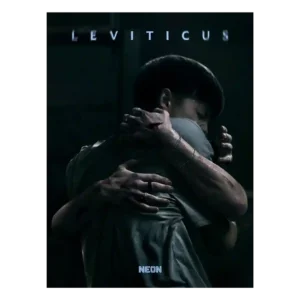
Leviticus
Where It Has the Edge
- lead performance is 4.9 vs 4.5. Joe Bird gives Naim a vulnerable, expressive interior life, while Stacy Clausen shifts convincingly between tenderness, bravado, and...

Scorata scores summarize analyzed review evidence on a 1–5 scale; they are not laboratory measurements or a simple average of customer star ratings. Feature scores summarize the reviews covering that feature. The overall score averages feature scores within each review, then combines review averages. When both expert and customer evidence are available, those two groups receive equal weight. Products can have different review coverage, so small score gaps do not establish a winner.
Recommendations prioritize important features for the category, with a score of at least 3.5, a gap of at least 0.25 points and at least two supporting reviews per product. Features with widely varying scores or broad connectivity contexts are excluded from recommendations. These safeguards do not establish statistical significance.
Quick verdict
The review evidence points to a tradeoff: lead performance versus supporting cast performance. Choose according to which strengths matter more to you; the overall score alone does not settle that choice.
Choose Leviticus for lead performance.
Choose Insidious: Out of the Further for supporting cast performance.
Scores are out of 5. Missing scores mean missing review evidence, not a missing feature.
The editing creates sharp shifts between open-space unease and claustrophobic danger while keeping the story compact. Its timing helps uncertainty linger whenever a familiar face appears.
editing quality attracts mixed reactions, with some strong moments and familiar shortcomings.
Practical wounds and digital enhancements are used selectively and effectively. The effects support the violence without distracting from the performances.
A few distorted spaces and supernatural images work well, while fog, makeup, and dodgier late effects can feel inexpensive.
The sub-90-minute length is generally viewed as welcome and efficient. A few critics still felt the final stretch repeated itself or that the story needed more room to develop.
Some find the sequel brisk enough not to overstay its welcome; others feel the familiar material and lengthy explanations drag.
Humor is rare and deliberately uncomfortable. The few darkly comic beats do not land for every viewer and offer little relief from the film’s bleakness.
The film embraces occasional absurd comedy alongside its jump scares, a balance some find refreshingly entertaining.
The central romance is powered by unusually strong chemistry, with the leads making stolen affection, distrust, and reconciliation feel immediate. A small minority found the relationship underwritten despite the performances.
Gemma and Maya’s mother-daughter bond benefits from Amelia Eve and Island Austin’s rapport, although some viewers find the surrounding relationships flat.
Many critics admired the bittersweet final note and its refusal to offer an easy cure, finding it graceful and hopeful without denying lasting danger. Others found the ending abrupt or insufficiently resolved.
The third act delights viewers who enjoy a big supernatural payoff, while others find it too predictable or chaotic.
Naim’s flaws and emotional shifts come through clearly, but Ryan and several supporting characters can feel thin or unevenly developed. The limited backstory weakens the impact for some viewers.
Gemma’s trauma gives her an understandable conflict, but several supporting characters feel reduced to plot functions rather than fully developed people.
Adrian Chiarella’s debut is widely regarded as assured, sensitive, and controlled. He handles intimacy and dread especially well, even when the screenplay’s rules or side characters are less polished.
Jacob Chase earns praise for inventive, precisely staged scares, although opinions divide on whether his storytelling sustains that imagination.
The central curse is easy to grasp, but its boundaries and behavior are not always consistent. Questions about when victims are truly alone and how the entity learns remain underexplained.
Explained supernatural rules and tangled final plans can be hard to follow, and some character decisions strain credibility.
The core story combines first love, betrayal, conversion therapy, and supernatural pursuit with clear emotional purpose. Its impact is reduced for some viewers by sparse character history and an underdeveloped mythology.
An intriguing new supernatural power gives the sequel some momentum, but predictable reveals and a familiar trauma-driven plot divide critics.
The compact runtime keeps most of the film focused, and several critics praised its escalating tension. Others felt the slow-burn setup dragged, the final act repeated itself, or the story moved too quickly to deepen its characters.
The film can race through imaginative scares with energy, but talkier stretches, a sluggish second half, or a muddled final act frustrate others.
The movie delivers enough gore, jumps, stalking tension, and dread to function as horror while remaining primarily character-driven. Viewers seeking nonstop scares may find it quieter than expected.
The film’s haunted-house jolts satisfy some longtime horror fans, even as others criticize its reheated franchise storytelling.
The film is frequently described as heartbreaking, haunting, and deeply upsetting, with a modest thread of hope. Viewers who wanted fuller characterization were less emotionally invested.
The inherited trauma and mother-daughter conflict move some viewers; others find the emotional beats generic or too predictable to resonate.
The monster’s use of a loved one’s face is a strong, emotionally loaded horror hook. Familiar stalking mechanics remain, but the conversion-therapy framework gives the plot a distinctive purpose.
The surreal couch maze and new powers distinguish individual scenes, while the family story and demon mythology often feel recycled.
Jed Kurzel’s score blends melancholy with low, ominous pressure. It supports both the romance and the dread without overwhelming the film’s quieter moments.
The eerie, sharp-edged score supplies familiar Insidious jolts and atmosphere, though it sometimes competes with the sound effects.
The script has a potent premise and strong relationship details, but its development is uneven. Critics most often questioned thin supporting roles, repeated third-act beats, and incomplete supernatural rules.
The screenplay has playful ideas and a few unexpectedly funny lines, but predictable turns and repeated explanations leave the writing uneven.
Desaturated industrial landscapes, intimate close-ups, and isolating compositions give the film a bleak but striking look. The camera repeatedly turns open spaces and familiar faces into sources of unease.
Tight camera placement and unusual angles heighten claustrophobia, particularly inside the couch fort, though not every visual flourish works.
The film earns strong tension, a few standout jump scares, and several disturbing identity-switch set pieces. Reactions are mixed on overall fright level, with some viewers finding the supernatural element restrained or underwhelming.
Inventive, frequently forceful scares land best in the pillow-fort and dental sequences, though their sheer frequency can feel repetitive.
Uncertainty over whether Naim or Ryan is real drives sustained, often nail-biting tension. The film is strongest when affection and danger occupy the same scene.
Jacob Chase often builds suspense from ordinary rooms and confined spaces, though explanations and familiar turns can break the tension.
The town and its social pressure feel convincing, but the supernatural mythology is notably thin. Several critics wanted clearer lore, stronger rules, and more context for the healer’s power.
Gemma’s ability to pull spirits into reality offers a new twist on the Further, though critics disagree on the clarity and plausibility of the rules.
Muted colors, industrial decay, shadows, and carefully separated figures create a bleak social-realist texture. Softer images of togetherness provide a meaningful contrast.
Nightmarish spaces, disorienting darkness, and ghoul imagery create striking shots, but the foggy supernatural realm can look routine.
Clanks, hums, silence, and other abrasive textures create a sinister atmosphere that feels larger than the film’s budget. The soundscape is especially effective when reality and imitation begin to blur.
Sharp ambient noises, breathing, and unsettling dental sounds intensify the best scares; the textured audio is repeatedly singled out for praise.
Mia Wasikowska makes the mother’s cold, conflicted faith unsettling, even with limited screen time. Critics often wished the role and other adults had been developed further.
Familiar faces add warmth and some new players bring humor or menace, although the script limits several supporting roles.
Joe Bird gives Naim a vulnerable, expressive interior life, while Stacy Clausen shifts convincingly between tenderness, bravado, and frightening impersonation. Both leads are repeatedly singled out as major strengths.
Amelia Eve convincingly balances Gemma’s fear and determination for many viewers, even when the script leaves her stuck in familiar horror beats.
Joe Bird and Stacy Clausen are the clear standout, bringing tenderness, panic, guilt, and menace to emotionally demanding roles. Even less enthusiastic critics generally praised the acting.
Amelia Eve gives the story emotional weight, and returning players add personality; the material gives other performers less to work with.
The film can be gripping and emotionally absorbing, but its bleakness makes it more punishing than conventionally fun. Its strongest appeal is to viewers who value mood, metaphor, and romance over constant thrills.
For some, the sequel is an exuberant haunted-house ride with memorable jolts; for others, its familiar material and long explanations make it dull.
Shadowy rooms and surreal dream spaces create real unease at times, but the fog-heavy Further can resemble a cheap haunted attraction.
Unpleasant mouth textures and dental close-ups add a stomach-turning dimension to the supernatural shocks without relying entirely on bloodshed.
Character decision plausibility attracts mixed reactions, with some strong moments and familiar shortcomings.
The traumatic childhood prologue supplies a disturbing starting point, though the later handling of inherited trauma can feel shallow.
The film’s direct queer perspective gives its horror unusual specificity and emotional authenticity. It has been praised as a meaningful contribution to queer horror rather than a generic curse story with representation added on.
The dental-office scenes use repulsive teeth and invasive cleaning to create memorably queasy suspense, particularly for anyone uneasy about dental work.
The strongest exchanges feel casual and revealing, especially between the two boys. Some later dialogue is clunky or too explicit about the film’s themes.
The jealousy, betrayal, repression, and longing often carry more force than the supernatural attacks. The romantic conflict gives the horror its emotional stakes.
Surreal nightmares provide some striking transformations of ordinary spaces, especially when a child’s pillow fort grows into a labyrinth.
Frequent explanations of the Further and Gemma’s powers can interrupt tension; several viewers feel the mechanics need less spelling out.
Gemma’s efforts to protect Maya provide emotional stakes, though several viewers find the mother-daughter bond underdeveloped.
Elise’s return and glimpses of familiar ghosts reward longtime fans, while the recycled formulas can make the sixth installment feel overly familiar.
Gemma’s fear of repeating family trauma gives the frights an emotional premise, but the theme can feel repetitive or underexplored.
The film largely avoids sustained gore, but its disturbing suicide and gruesome dental imagery can still be upsetting.
Restrained flashlight beams and deep shadows hide threats until the last moment and give the best scares a vivid visual identity.
The film connects inherited fears to mental health, but some critics feel those concerns receive only superficial treatment.
The condemnation of conversion therapy and religiously sanctioned shame is forceful and easy to understand. Some critics felt the message became too blunt, repetitive, or heavy-handed.
The haunted-family setup and familiar ghostly rules make many story beats feel recycled despite a few innovative scenes.
The traumatic childhood prologue effectively establishes unease and maternal stakes before the larger supernatural mystery begins.
A child’s cushion fort turns into an expanding, claustrophobic maze; its disorienting staging is among the film’s most widely praised scares.
A few clever reversals animate the finale, but major revelations are telegraphed well before the characters discover them.
The wound effects are used sparingly but land with convincing impact. Their restraint keeps the violence tactile without turning the film into a gore showcase.
Despite the supernatural premise, the social pressure, secrecy, jealousy, and religious coercion feel painfully plausible. That grounded reality makes the curse more disturbing.
The tender, awkward first-love story is one of the film’s most consistently praised elements. Its intimacy gives the supernatural threat real weight and keeps the movie from becoming only a trauma allegory.
Some viewers are pleased the mythology continues, but others feel the story has been stretched beyond what the franchise can sustain.
The curse turns imposed shame into a physical threat, making desire, repression, betrayal, and community control inseparable. The metaphor is blunt but widely considered powerful, timely, and emotionally coherent.
Romance, dread, sorrow, and cautious hope are balanced with unusual confidence. The film can pivot from tenderness to violence without making either side feel incidental.
Cyrus brings a more human, cult-leader menace that some find unsettling, while others see a derivative and poorly explained adversary.
The violence is brutal and emotionally purposeful rather than constant. Its limited but graphic attacks reinforce the cruelty of the premise without becoming sadistic spectacle.
The emotional romance and accessible curse premise give the film crossover potential beyond dedicated horror fans. Its bleak subject matter and restrained supernatural spectacle may narrow that appeal.
Gemma earns sympathy through her fears of repeating her mother’s mistakes, but several critics struggle to care about the newer characters.
Critical response is strongly favorable, with particular enthusiasm for the performances, central metaphor, suspense, and romance. Reservations focus mainly on familiar influences and underdeveloped rules.
Understated clothing supports the town’s drab conformity and the film’s grounded unease. The design works quietly with the setting rather than calling attention to itself.
The ghostly acolytes and Cyrus make an impression with grim faces and strange details, but their familiarity or cheap-looking makeup bothers some viewers.
The abandoned mill, faded homes, church interiors, and industrial surroundings create a spare, oppressive world. Small visual details reinforce the boys’ isolation and the community’s emotional austerity.
The selective use of songs, especially Frank Ocean’s “Self Control,” gives the closing movement a bittersweet emotional lift. The soundtrack complements rather than overwhelms the original score.
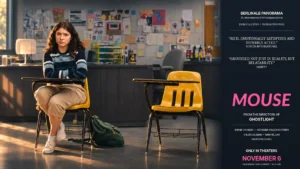
A deeply human coming-of-age drama carried by remarkable performances and an honest portrayal of grief. Its gentle optimism moves most viewers, though some find the final stretch hurried or overly...
Pros: Grief portrayal, acting performance
Cons: pacing

Choose this inventive, unsettling documentary for fearless questioning, dark humor, and unpredictable storytelling. Skip it if you want a short, straightforward exposé with definitive answers.
Pros: originality, humor
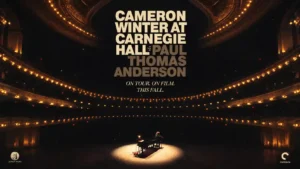
A singular voice, powerful piano playing and intimate film photography make this concert absorbing for receptive listeners. Its uninterrupted, often similar-sounding songs and lack of background context are an acquired...
Pros: directing quality, cinematography
Cons: pacing, Song variety

Extraordinary performances and richly observed relationships make this a rewarding, emotionally forceful drama. Its nearly three-hour length and slow opening demand patience and undivided attention.
Pros: class commentary, character development