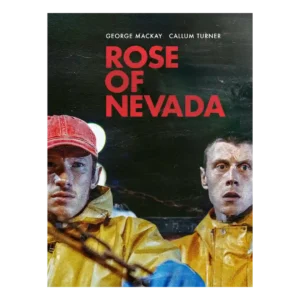

Rose of Nevada
Where It Has the Edge
- sound design is 4.8 vs 1.8. The post-produced clanks, engines, gulls, waves, voices, and distorted tones are as important as the images. The mix...

Scorata scores summarize analyzed review evidence on a 1–5 scale; they are not laboratory measurements or a simple average of customer star ratings. Feature scores summarize the reviews covering that feature. The overall score averages feature scores within each review, then combines review averages. When both expert and customer evidence are available, those two groups receive equal weight. Products can have different review coverage, so small score gaps do not establish a winner.
Recommendations prioritize important features for the category, with a score of at least 3.5, a gap of at least 0.25 points and at least two supporting reviews per product. Features with widely varying scores or broad connectivity contexts are excluded from recommendations. These safeguards do not establish statistical significance.
Quick verdict
The review evidence points to a tradeoff: sound design versus screenplay quality and plot clarity. Choose according to which strengths matter more to you; the overall score alone does not settle that choice.
Choose Rose of Nevada for sound design.
Choose Halloween for screenplay quality and plot clarity.
Scores are out of 5. Missing scores mean missing review evidence, not a missing feature.
The post-produced clanks, engines, gulls, waves, voices, and distorted tones are as important as the images. The mix is masterful and immersive, but it can become physically harsh or uncomfortably loud.
Sound is one of the few clearly criticized technical areas, with comments about grainy audio and repeated or poor sound effects.
The decaying present and busier 1993 village are built through rigorously detailed homes, pubs, docks, tools, and storefronts. The environments feel inhabited and help communicate social change without exposition.
The modest sets, suburban streets, seasonal details, and Myers house create a convincing everyday Haddonfield. A few reviewers notice budget limitations or a weaker-than-ideal autumn look, but the setting still works.
Saturated primary colors, grain, scratches, cropped close-ups, rust, moss, rain, and weathered surfaces create a dense visual world. The style is beautiful, abrasive, and instantly recognizable.
Widescreen compositions, deep shadows, negative space, lighting, and careful reveals give the film a clean but unnerving visual identity that reviewers repeatedly praise.
The clothing helps distinguish the two timelines without calling attention to itself, and the period details are carefully integrated into the village setting. The costumes support the film’s immersive 1990s atmosphere.
Michael's stark white mask is praised as an iconic design that makes his blank, inhuman presence instantly recognizable.
The film makes the supernatural and the everyday feel inseparable, with the village’s labor, family roles, objects, and rituals forming the rules of its temporal world. The setting feels both concrete and mythic.
Haddonfield feels ordinary, safe, and lived-in before night turns it threatening. That believable small-town texture is a major reason the stalking feels so invasive.
At 114 minutes, the film gives its atmosphere and labor routines room to accumulate, but the length is a recurring complaint. Viewers less absorbed by the style may feel that a substantial portion could have been cut.
The lean construction is praised for containing virtually nothing superfluous, keeping the movie focused and propulsive.
The script provides a stronger narrative spine than Jenkin’s previous experiments while preserving ambiguity and thematic depth. Dissenting viewers found it unfocused, underexplained, or too conventional compared with the bold visual form.
The script's stripped-down construction and forward momentum are often praised, especially its efficient horror mechanics. Some reviewers criticize thin motivation, awkward framing devices, or occasional script roughness.
The central time-slip is understandable, but its rules, identities, and causal loops remain intentionally unresolved. That ambiguity rewards interpretation for some viewers and creates confusion or frustration for others.
The plot is praised for being simple, direct, and easy to follow, with its elemental good-versus-evil structure helping the film stay focused.
The deliberate rhythm can feel hypnotic and more propulsive than Jenkin’s earlier work. The 114-minute running time, repeated voyages, and prolonged observational passages can also make the film drag.
The slow, patient buildup earns broad praise for letting dread accumulate before the violence starts. A minority finds it slow by modern standards, but even those reactions often accept the tradeoff.
Using an ordinary fishing trawler and the sea itself as a time machine gives the familiar time-travel idea a fresh, grounded form. The paradoxes grow directly from work, family, and community rather than technological spectacle.
One reviewer notes that the basic story can feel minimal and predictable now, largely because later slashers copied and refined its formula.
The sparse dialogue is recorded after filming and often feels detached from the image, which adds to the uncanny atmosphere. Its blunt, economical exchanges fit the characters, though viewers seeking fuller explanation may find it withholding.
The dialogue divides opinion sharply: some praise Debra Hill's teenage conversations as authentic and natural, while others find portions superficial, repetitive, or badly aged.
Rapid inserts, match cuts, flash frames, and repeated images make past and present bleed together with hypnotic force. The same method can feel overextended when the film lingers on fishing routines or withholds a conventional resolution.
The editing is praised for keeping the uneasy atmosphere and suspense alive from beginning to end.
Nick’s fear, guilt, and devotion to his family give the film a strong emotional center, while Liam’s willingness to accept a borrowed life creates an effective contrast. Some viewers found Liam and the supporting characters less fully developed.
The film gives its teens enough personality and everyday texture to make them feel worth caring about, while Michael's deliberately thin characterization often works in his favor. A few reviewers see the supporting roles as simpler than Laurie's.
The open ending is one of the film’s sharpest dividing points. Some found it haunting, poignant, and endlessly suggestive, while others felt the abrupt lack of answers denied the story a needed payoff.
Most reactions favor the ending's unresolved menace and final imagery, with several calling it powerful or perfect. One reviewer is notably mixed on the final-girl rescue and blunt disappearance.
Fishing labor is shown as repetitive, dangerous, exhausting, and physically specific. Nets, engines, gutted fish, wet clothing, and communal unloading make the work feel immediate despite the supernatural story.
The ordinary neighborhood, believable teens, and grounded staging make the threat feel plausible to many reviewers. Some familiar horror-movie decisions and plot conveniences draw criticism for breaking that realism.
Nick and Liam share a restrained, almost cosmic bond shaped by hard labor and displacement. Their opposing reactions to the past create tension even when they rarely speak openly.
Nancy Kyes and Jamie Lee Curtis are singled out for natural chemistry that helps the friends feel like believable teenagers.
Dry humor occasionally slips through the dread, especially in Liam’s casual acceptance of impossible circumstances and the captain’s blunt sea lore. These moments lighten the film without breaking its spell.
Small comic beats and the lighter teenage moments add charm without undermining the horror, giving the movie more personality than a relentlessly grim slasher.
The film’s central message about community, sacrifice, labor, and the cost of preserving a way of life is emotionally resonant. It refuses to romanticize the past even while showing what has been lost.
The film supports rich readings about doubt, evil, sexual anxiety, generational values, and good versus evil without over-explaining them. Reviewers often see that restraint as a strength.
The movie feels unlike most contemporary releases, combining handmade 16mm technique with a fishing-boat time loop and a distinctly Cornish social perspective. Its unusual voice remains clear even when the story frustrates.
Though earlier films supplied pieces of the formula, reviewers credit Halloween with crystallizing the modern slasher language and inspiring generations of imitators. Its simplicity and visual grammar still feel distinctive.
Warnings carved into the boat, shifting identities, recurring images, and the possibility of permanent entrapment keep tension simmering. The suspense is atmospheric and existential rather than plot-driven.
The film's slow stalking, negative space, delayed kills, and carefully timed reveals are repeatedly praised for building exceptional tension. Suspense, more than gore, is treated as the core of its effectiveness.
Cornwall is presented as a lived-in working community rather than a scenic backdrop. The film connects fishing traditions, economic decline, local identity, and the erosion of communal life with unusual specificity.
One reading finds the film unusually durable because its slasher premise reflects generational tension around sexuality, adulthood, and changing social values.
The fishing-boat time-slip offers a clear emotional hook while leaving its metaphysics unresolved. The story is compelling and moving at its best, though repetition and underdeveloped ideas weaken it for some audiences.
The story's extreme simplicity is generally treated as an advantage: it gives the movie a clean urban-legend shape and keeps attention on dread rather than complication.
The film layers grief, memory, identity, labor, community, nostalgia, class decline, sacrifice, and free will into its time-travel premise. Its refusal to settle on one interpretation is a strength for engaged viewers and a barrier for others.
Reviewers find more underneath the simple plot than its reputation suggests, including ideas about doubt, evil, sexuality, repression, generational conflict, and suburban safety.
The film creates dread through sound, repetition, warnings, disorientation, and the fear of permanent separation rather than jump scares. Its horror is psychological, mournful, and quietly oppressive.
Fear is one of the strongest areas of agreement: reviewers call the film terrifying, creepy, chilling, and enduringly effective. A few modern viewers find it less horrifying than its reputation, but still acknowledge its atmosphere and tension.
The hand-cranked 16mm photography is the film’s most celebrated feature, turning rust, seawater, skin, and weathered buildings into tactile, saturated images. Its scratches, light leaks, and tight framing make the movie feel both newly alive and unearthed from another era.
The widescreen framing, stalking point-of-view shots, shadow placement, and patient camera movement are among the film's most consistently praised strengths. Reviewers repeatedly credit the photography with turning ordinary suburbia into a source of dread.
Ghost story, time-travel drama, folk tale, social realism, and experimental cinema merge into an eerie experience that resists a single label. The blend feels fresh and emotionally grounded rather than like a standard science-fiction adventure.
The consensus is exceptionally strong: reviewers repeatedly call it a horror classic, slasher landmark, masterpiece, or all-time great. Even the more reserved reactions still view it as an effective and hugely important genre film.
Nick’s separation from his wife and daughter gives the film a deep current of grief, panic, and longing. Its quietest moments can feel heartbreaking and leave a lasting, quietly devastating impression.
The film is described as a visceral, audience-gripping experience that can hold viewers in near-silence and keep nerves tightly wound.
Mark Jenkin’s control of image, sound, rhythm, and regional detail gives the film a singular identity. The uncompromising vision is a major strength, though the expanded time-travel plot occasionally feels unfocused.
John Carpenter's direction is one of the clearest points of agreement, especially his control of framing, pacing, negative space, and slow-burn tension. Even reviewers with other complaints often treat the direction as the movie's defining strength.
Jenkin’s eerie electronic and organ-like score reinforces the sense of temporal dislocation and grief. It shifts between low menace and mournful abstraction without overwhelming the handmade soundscape.
John Carpenter's minimalist synthesizer score is nearly universally praised as iconic, haunting, propulsive, and essential to the film's suspense. Several reviewers argue the movie would lose much of its power without it.
Character drama, eerie dread, dry humor, social realism, and supernatural mystery coexist with unusual control. The tonal mixture remains coherent because every element shares the same handmade, mournful texture.
The tense, eerie atmosphere is praised for staying intact from the opening through the finale.
The film can be mesmerizing when its sound, imagery, and mystery take hold, but it offers little conventional momentum or easy pleasure. Patient viewers may find it absorbing; others may simply feel bored or stranded.
Even when it is not the scariest film for a given viewer, it is repeatedly described as fun, exciting, charming seasonal horror with strong replay appeal.
The repeated images, causal loops, and unresolved ending invite viewers to revisit the film and form new interpretations. Several admirers found that it lingered for weeks or became richer on a second viewing.
The film is repeatedly described as an annual Halloween tradition, a big-screen revisit worth making, or a classic that improves with renewed appreciation.
This is Mark Jenkin’s most approachable film for many viewers, thanks to a clearer time-travel premise and recognizable leads. Its slow rhythm, fractured logic, and abrasive sound still make it best suited to adventurous art-house audiences.
Its reputation as a crowd-pleasing horror staple remains strong, with reviewers pointing to word of mouth, enduring fan affection, and easy recommendations for newcomers.
Its tactile craft, emotional ambition, and singular style give it strong art-house critical appeal. The pacing and narrative opacity remain the main reasons for sharp dissent.
The film is explicitly defended as an example of frightening material elevated by artistry, with the reviewing critics describing their response as favorable.
The music complements the film’s analog texture and nostalgic unease, with associations that evoke warped memory rather than comforting period nostalgia. It supports the mood more than it functions as a conventional song-driven soundtrack.
The music works exceptionally well inside the film, but one reviewer finds the standalone soundtrack repetitive and less effective as an album.
George MacKay and Callum Turner give the film emotional clarity by playing opposite responses to the same impossible event. Their restrained performances keep the high-concept story rooted in recognizable fear, need, and desire.
Jamie Lee Curtis is widely praised as a grounded, sympathetic, highly effective Laurie Strode, though a few reviewers see the performance as merely solid or replaceable.
The supporting ensemble fits naturally into the heightened Cornish world, balancing grounded behavior with ghost-story strangeness. Francis Magee, Mary Woodvine, Rosalind Eleazar, Edward Rowe, and Yana Penrose are especially effective.
Donald Pleasence receives especially strong praise, and several supporting players are credited with making thin roles lively and believable. Other reactions criticize some teen characters or line deliveries as annoying or uneven.
The cast embraces the deliberately restrained, post-synced performance style, and the leads make the strange premise emotionally credible. Occasional wooden stiffness feels intentional and often strengthens the uncanny design.
The ensemble is often praised for grounding the suburban horror, though a few takes call the acting uneven or technically rough. Donald Pleasence is a frequent standout, while some younger performances draw more mixed reactions.
The chase and kill set pieces are often praised for precision, staging, and tension rather than spectacle. A few viewers find parts of the climax clumsy or the kills too simple by modern standards.
The movie's success is credited to a tightly aligned cast and crew whose combined ideas, performances, photography, music, and design turned a small production into something far larger.
The supernatural premise remains grounded in a family man’s desperation, a drifter’s longing for belonging, and a community’s dependence on dangerous work. That human tension gives the film more emotional force than a conventional puzzle movie.
Several reviewers appreciate that the film aligns sympathy with its victims and avoids turning violence into pure exploitation. One critique objects to the moralistic pattern around sexually active teens.
The teenage friends are praised for sounding and behaving like an actual friend group rather than generic slasher victims.
Mary Woodvine’s aging makeup is convincing enough to make her difficult to recognize at first. The transformation supports the time-slip structure without feeling showy.
Michael's unclear motives and uncertain human-versus-supernatural nature are repeatedly praised as essential to the film's power. Attempts by later sequels to explain him are often cited as less effective.
The modest, lo-fi effects create convincing storms, temporal ruptures, and physical danger without breaking the handmade aesthetic. Their simplicity becomes part of the film’s tactile spectacle.
Two love stories give the time-travel premise much of its heartbreak: one man is torn from the family he loves, while another steps into a family he never had. Their emotional imbalance deepens the film’s moral tension.
The sexual material is viewed in two very different ways: one critic sees a moralistic, prurient streak, while another treats the sex-and-death connection as deliberate thematic architecture.
The film’s restrained effects create credible spectacle while preserving the rough, handmade look. The storm and temporal imagery feel uncanny without becoming polished or generic.
The movie's restraint is widely praised: much of the killing is implied or relatively bloodless, allowing tension and imagination to do more work than graphic gore.
Reviewers love how Michael is concealed in shadows, placed at the edge of frames, or revealed slowly rather than shown constantly. His partial visibility makes the threat feel omnipresent and harder to read.
One reviewer compares the experience to a haunted house and says it delivers the audience's money's worth even without lingering terror afterward.

Best for pristine archival footage, immersive sound, and a surprisingly tense look at Disneyland’s construction. Skip it if you want a comprehensive, deeply critical history; several reviewers found the 78–79-minute...
Pros: plot clarity, realism
Cons: plot originality, runtime
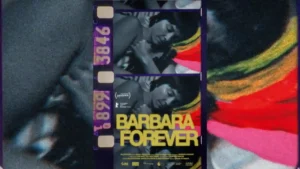
Best for an intimate, inventive archival portrait with strong emotional and cultural impact. Skip it if substantial nudity or an occasionally wandering biographical structure will frustrate you.
Pros: chemistry between characters, emotional impact
Cons: runtime, plot clarity
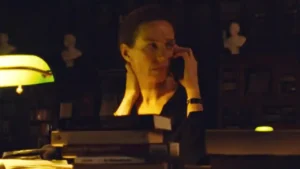
Best for an audacious, text-driven conspiracy thriller with gorgeous 16mm atmosphere and mounting dread. Skip it if long stretches of reading, deliberate repetition, and an intentionally austere narrative sound more...
Pros: story quality, plot clarity
Cons: chemistry between characters, sound design
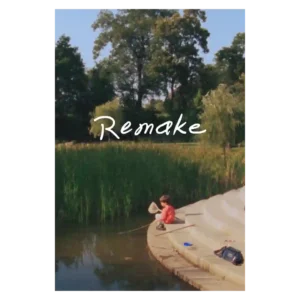
Best for a profound, formally inventive meditation on grief, memory, and the ethics of filming family. Skip it if intensely personal addiction material, a 114-minute runtime, or occasional repetition will...
Pros: plot originality, ending satisfaction
Cons: runtime, pacing