Scorata scores summarize analyzed review evidence on a 1–5 scale; they are not laboratory measurements or a simple average of customer star ratings. Feature scores summarize the reviews covering that feature. The overall score averages feature scores within each review, then combines review averages. When both expert and customer evidence are available, those two groups receive equal weight. Products can have different review coverage, so small score gaps do not establish a winner.
Recommendations prioritize important features for the category, with a score of at least 3.5, a gap of at least 0.25 points and at least two supporting reviews per product. Features with widely varying scores or broad connectivity contexts are excluded from recommendations. These safeguards do not establish statistical significance.
Quick verdict
What each product is best for
The review evidence points to a tradeoff: realism and critic appeal versus visual style. Choose according to which strengths matter more to you; the overall score alone does not settle that choice.
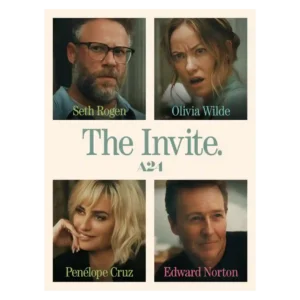
Choose The Invite for realism and critic appeal.
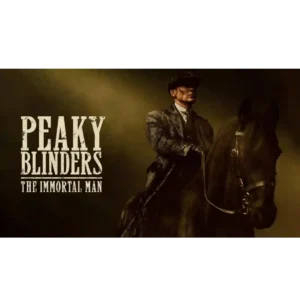
Choose Peaky Blinders: The Immortal Man for visual style.
Why these recommendations?
The Invite
Where It Has the Edge
realism is 5.0 vs 1.9. The petty grievances, overlapping arguments, insecurity, and emotional stagnation feel painfully recognizable. Many critics see their own long-term...
critic appeal is 5.0 vs 3.5. Critical response is overwhelmingly enthusiastic, with many calling it one of the year’s best comedies or films. A...
humor is 4.8 vs 4.0. The strongest consensus is that the film is genuinely hilarious, with rapid insults, physical comedy, and escalating social...
Peaky Blinders: The Immortal Man
Where It Has the Edge
visual style is 4.7 vs 4.2. The visual presentation is consistently celebrated: smoky interiors, chiaroscuro lighting, slow-motion swagger, period grime, and large-scale wartime imagery...
The Invite4.5 overall score
Peaky Blinders: The Immortal Man3.7 overall score
Compare features
Scores are out of 5. Missing scores mean missing review evidence, not a missing feature.
Scored on both products
Other features
Realism
The Invite
5.0
The petty grievances, overlapping arguments, insecurity, and emotional stagnation feel painfully recognizable. Many critics see their own long-term relationship dynamics reflected in the film’s uncomfortable comedy.
Peaky Blinders: The Immortal Man
1.9
Period immersion is weakened for some by modern-looking styling, oversized stakes, and questionable wartime plausibility. The film’s stylized mythmaking of Tommy also draws skepticism.
Romance quality
The Invite
4.5
The film treats marriage, desire, and non-monogamy with curiosity rather than easy judgment. Its romantic outlook is messy but ultimately humane, showing both the fear and possibility involved in changing a relationship.
Peaky Blinders: The Immortal Man
1.5
The romantic material fares poorly, with Tommy’s sex scene described as cheesy rather than convincing.
Originality
The Invite
5.0
The story repeatedly swerves away from the most predictable version of its premise and complicates each character’s motives. Its surprises are a major pleasure even when the broad destination can be anticipated.
Peaky Blinders: The Immortal Man
2.5
The central comeback structure, Nazi scheme, and legacy conflict are often described as familiar or clichéd, with several critics saying the film rarely finds a genuinely new plot shape.
Sexual content level
The Invite
4.5
The film is raunchy in subject and conversation but contains no explicit sex or nudity. Its adult material is generally seen as purposeful, playful, and tied to character rather than included for shock alone.
Peaky Blinders: The Immortal Man
2.0
The sexual material draws a negative reaction because Tommy’s sex scene is viewed as cheesy and out of place.
Pacing
The Invite
4.2
Most critics praise the kinetic rhythm and carefully timed reveals, especially within the single-apartment setup. Others find the opening overcharged or the later monologues and arguments too drawn out.
Peaky Blinders: The Immortal Man
2.2
Pacing is the most consistent weakness: the first half is repeatedly described as slow or drawn out, while the later material can feel rushed as too much story is compressed into feature length.
Writing quality
The Invite
4.8
The screenplay is broadly celebrated as whip-smart, funny, adult, and emotionally perceptive. Its overlapping talk and carefully planted reveals are major strengths, though a few critics call it over-written or smug.
Peaky Blinders: The Immortal Man
2.8
The script earns credit for themes, twists, and some strong dialogue, but criticism is substantial: exposition, clichés, rushed character work, and compressed plotting repeatedly surface.
Dialogue quality
The Invite
4.4
The rapid, overlapping dialogue is commonly described as crackling, sharp, natural, and extremely funny. Some critics find the verbal sparring self-satisfied or overextended, especially in longer arguments.
Peaky Blinders: The Immortal Man
2.5
Dialogue receives mixed marks: some reviewers praise sharp lines and economical exposition, while others call it simplistic, clunky, corny, or overly explanatory.
Score quality
The Invite
3.1
Devonté Hynes’s string-heavy score sharply amplifies tension and comic rhythm for some critics. Others find it blaring, overly insistent, or distracting, making this the clearest technical point of disagreement.
Peaky Blinders: The Immortal Man
5.0
The score is repeatedly praised for building dread, atmosphere, and intensity, especially as Tommy’s return pushes the film toward its climax.
Faithfulness to source material
The Invite
4.8
The adaptation remains close to the Spanish source while adding American detail, greater sensuality, and more character expansion. Several critics consider it an unusually successful U.S. remake.
Peaky Blinders: The Immortal Man
3.5
The film restores the show’s swagger, music, visual language, and callbacks, satisfying many longtime fans. Others see missing characters and major legacy decisions as betrayals of the series’ established arcs.
Story quality
The Invite
4.5
The familiar dinner-party premise grows into a surprisingly layered exploration of marriage and desire. Most find the story close to perfectly executed, though some consider its deeper turns forced or superficial.
Peaky Blinders: The Immortal Man
3.3
The core legacy-and-war story is compelling and emotionally satisfying for many reviewers, but others call the movie unnecessary, thin, half-baked, or unable to justify rewriting the series’ prior ending.
Emotional impact
The Invite
4.8
The film repeatedly turns belly laughs into sadness, tenderness, and even tears. Its strongest moments make marital regret and buried longing hit harder because the comedy has lowered viewers’ defenses.
Peaky Blinders: The Immortal Man
3.8
For supporters, the film delivers grief, regret, family conflict, and a powerful farewell with real force. Detractors found key deaths rushed, contrived, or too hollow to land.
Cast chemistry
The Invite
5.0
The quartet’s contrasting styles lock into a lively rhythm, while each new pairing creates a different emotional and comic charge. The believable friction between the married couple is especially important to the film’s impact.
Peaky Blinders: The Immortal Man
4.0
Murphy and Keoghan’s father-son dynamic is often described as raw, magnetic, and powerful. A smaller group felt the pair never generated the expected sparks or emotional bond.
Drama quality
The Invite
5.0
Beneath the farce is a poignant chamber drama about disappointment, intimacy, and a marriage nearing collapse. The emotional seriousness gives the comedy weight without turning the film into a conventional tearjerker.
Peaky Blinders: The Immortal Man
4.0
The film’s grief-heavy, introspective drama gives Tommy’s final chapter weight for many viewers, though its persistent misery and brooding occasionally overwhelm the entertainment.
Editing quality
The Invite
3.5
The cutting usually gives the dinner party propulsive rhythm and helps the comedy snap into place. The most negative response calls the staccato approach cacophonous and exhausting.
Peaky Blinders: The Immortal Man
2.5
Hazy reverie-style editorial cuts are criticized as visually cheesy and as interruptions to the otherwise painterly presentation.
Tonal consistency
The Invite
4.0
For most of its runtime, the film balances broad comedy, cringe, pathos, and sadness with impressive control. Several critics note that the late turn into darker emotion can feel choppy or forced.
Peaky Blinders: The Immortal Man
3.0
The sombre, gothic, highly stylized mood works for some as a fitting final chapter, but others find the film tonally off, overly miserable, campy, or caught awkwardly between old and new Peaky Blinders.
Humor
The Invite
4.8
The strongest consensus is that the film is genuinely hilarious, with rapid insults, physical comedy, and escalating social discomfort producing big laughs. A small minority finds it only occasionally funny.
Peaky Blinders: The Immortal Man
4.0
Dark comedy—especially the Garrison grenade sequence and father-son mud fight—provides welcome relief from the gloom. A few detractors find some of the comic touches cheesy rather than sharp.
Ending satisfaction
The Invite
4.5
Most critics admire the bittersweet, enigmatic, or quietly hopeful ending and expect audiences to discuss it afterward. A few consider it too cautious, noncommittal, or less satisfying than the journey.
Peaky Blinders: The Immortal Man
3.7
The ending is intensely divisive: many call it fitting, powerful, or even perfect closure for Tommy, while others believe it needlessly overturns the stronger symbolism of Season 6.
Suspense
The Invite
4.0
The apartment becomes a claustrophobic emotional trap as grievances, secrets, and attraction accumulate. The tension comes from social and marital danger rather than conventional thriller mechanics.
Peaky Blinders: The Immortal Man
3.4
Several set pieces generate strong tension and claustrophobia, especially the pub and tunnel material. Negative reviews say predictability weakens the climax and removes the sharper twists associated with the series.
Character development
The Invite
3.8
The four characters gradually reveal insecurity, grief, desire, and resentment beneath their initial comic types. Most find them richly layered, though one critic felt some interactions were overly manufactured.
Peaky Blinders: The Immortal Man
3.2
Tommy’s reckoning with grief and Duke’s struggle with his father’s legacy work for many reviewers, but the compressed format leaves several supporting characters—and, for some, Duke himself—feeling thin or underdeveloped.
Runtime
The Invite
2.7
At roughly 107–108 minutes, the film feels tight and propulsive to some viewers but overlong to others. The most common concern is that the material could lose 15–20 minutes without sacrificing its emotional point.
Peaky Blinders: The Immortal Man
2.2
At roughly feature length, the movie often feels too compressed for the number of character turns and plot developments it attempts. Several reviewers explicitly wish the story had been a season or miniseries instead.
Genre satisfaction
The Invite
4.5
As an adult relationship dramedy, dark comedy, and sex farce, it delivers sophisticated laughs with real emotional stakes. Its frank approach to marriage and non-monogamy feels refreshingly grown-up.
Peaky Blinders: The Immortal Man
4.1
As a gangster-period-drama send-off, the movie retains much of the show’s identity and pulp energy. Several critics still feel it plays more like an extended television episode than a fully realized feature.
Message quality
The Invite
4.5
The film argues for honesty, change, and renewed openness rather than prescribing monogamy or non-monogamy. Its hopeful ideas resonate with many critics, though a few find the relationship lessons obvious or didactic.
Peaky Blinders: The Immortal Man
4.1
The strongest readings focus on legacy, self-definition, family, and the cost of valuing power over people. One severe critic felt the film squandered the larger sense of purpose built around Tommy.
Directing quality
The Invite
4.7
Olivia Wilde’s control of performance, space, and comic escalation is frequently called her strongest directing work. A few early choices feel fussy or overemphatic, but the overall staging is confident and inventive.
Peaky Blinders: The Immortal Man
4.5
Tom Harper is frequently praised for confident staging, visual control, suspense, and explosive set pieces. A few reviews fault specific tonal or narrative choices even while admiring the filmmaking.
Plot clarity
The Invite
3.5
The central setup is easy to follow, but some later turns may lose viewers who have not fully bought into the couples’ behavior. The film favors emotional escalation over a tidy, conventional plot.
Peaky Blinders: The Immortal Man
3.7
Some newcomers report following the story surprisingly easily without heavy recaps, but other reviews point to shaky logic or exposition that does too much work.
Cinematography
The Invite
5.0
The 35mm photography, careful blocking, mirrors, and shifting perspectives make one apartment feel cinematic and constantly changing. A few flourishes can feel conspicuous, but the visual craft is a major strength.
Peaky Blinders: The Immortal Man
5.0
The cinematography is the clearest consensus strength, praised for striking light, shadow, mud, rubble, wintry landscapes, and a genuinely cinematic sense of scale.
Theme depth
The Invite
4.2
The film digs into failed ambition, comparison, resentment, intimacy, and the stories couples tell themselves. Most find it insightful and mature, while a dissenting group sees only a superficial treatment of modern relationships.
Peaky Blinders: The Immortal Man
4.2
Legacy, grief, trauma, memory, family inheritance, and self-definition give the film substantial thematic weight. Critics who resist the movie argue these ideas are compressed, overplayed, or left insufficiently explored.
Ownership and support
Rewatch value
The Invite
4.8
The dense dialogue, layered performances, visual blocking, and ambiguous ending give the film strong repeat-viewing potential. The few explicit rewatch comments are highly enthusiastic.
Peaky Blinders: The Immortal Man
2.1
Rewatch interest is sharply polarized: one enthusiastic reviewer immediately wanted another viewing, while several detractors say they would not revisit it and even feel it harms the series’ rewatchability.
Entertainment value
The Invite
4.4
Despite its single location and talk-heavy structure, the film is widely considered a highly entertaining pressure cooker. Its combination of awkwardness, surprise, and star chemistry keeps the evening engaging.
Peaky Blinders: The Immortal Man
3.1
Reactions range from gripping, highly enjoyable fan service to dull, hollow, or unnecessary viewing. A common middle ground is that the movie becomes much more entertaining after its slow first half.
Controls and connectivity
Critic appeal
The Invite
5.0
Critical response is overwhelmingly enthusiastic, with many calling it one of the year’s best comedies or films. A smaller group finds it shallow, overworked, or only intermittently funny.
Peaky Blinders: The Immortal Man
3.5
Aggregated critical reaction is broadly favorable but not uniform, with enthusiasm for craft and performances tempered by repeated complaints about pacing, script compression, and sequel necessity.
Audience appeal
The Invite
5.0
The film appears built for communal viewing, with packed audiences reportedly laughing hard and staying engaged. Its adult, dialogue-driven style should land best with viewers who enjoy sharp relationship comedy.
Peaky Blinders: The Immortal Man
3.7
Longtime Peaky Blinders fans are the clearest audience, especially for the callbacks and emotional closure. Reviewers disagree on newcomers: some found the film easy to follow, while others strongly recommend watching the series first.
Comfort and build
Costume design
The Invite
4.5
The clothing subtly places the buttoned-up hosts and liberated guests in visual opposition. These choices reinforce personality and relationship dynamics without becoming overly showy.
Peaky Blinders: The Immortal Man
3.7
The return of Tommy’s tailored Peaky Blinders look remains a major visual pleasure, with covetable coats and sharp suiting earning praise. One review found Duke’s modern-looking styling immersion-breaking.
Production design
The Invite
5.0
The renovated apartment functions like a fifth character, expressing warmth, distance, entrapment, and unfinished marital business. Its rooms, mirrors, decor, and sightlines keep the contained story visually alive.
Peaky Blinders: The Immortal Man
4.2
Blitz-era Birmingham, grime, rubble, docks, pubs, and warehouses are generally rendered with impressive tactile detail and scale. One negative review thought parts of the production looked like a soundstage.
Visual style
The Invite
4.2
Warm 35mm texture, mirrors, frames within frames, and precise spatial composition give the chamber piece a polished cinematic identity. Some critics find the early symbolism overly studied, but the overall look is admired.
Peaky Blinders: The Immortal Man
4.7
The visual presentation is consistently celebrated: smoky interiors, chiaroscuro lighting, slow-motion swagger, period grime, and large-scale wartime imagery make the movie look distinctly cinematic.
Performance
Supporting cast performance
The Invite
4.9
Penélope Cruz and Edward Norton are repeatedly praised as magnetic, funny, and unpredictable foils. Cruz brings seductive confidence and comic precision, while Norton balances smug charm with unexpected tenderness.
Peaky Blinders: The Immortal Man
4.1
The supporting ensemble is generally considered strong, particularly Keoghan, Roth, Rundle, Graham, and Ferguson. The bigger complaint is often that the movie underuses them or gives their characters too little depth.
Soundtrack quality
The Invite
5.0
The musical selections are used sparingly but effectively, with the Sade needle drop singled out as a crowd-pleasing highlight. The songs add sensuality and irony to the relationship drama.
Peaky Blinders: The Immortal Man
4.4
Modern-rock needle drops remain a signature strength and are widely praised for driving emotion and atmosphere. A few reviewers find the choices dated, overly loud, or less appealing outside the iconic theme reprise.
Lead performance
The Invite
5.0
Seth Rogen is repeatedly singled out for combining comic timing with deep, lived-in sadness, while Olivia Wilde earns career-best notices for anxious physical comedy and emotional vulnerability.
Peaky Blinders: The Immortal Man
4.9
Cillian Murphy’s return as Tommy is overwhelmingly praised for its weary stillness, menace, grief, and emotional control; even harsh critics routinely identify him as a major strength.
Acting performance
The Invite
4.8
The four leads are widely praised as a remarkably balanced ensemble, with several critics calling the work career-best. Even more mixed assessments agree the cast keeps the film lively.
Peaky Blinders: The Immortal Man
4.7
The cast is one of the film’s safest bets: even many negative reviews praise the performances, with the central actors repeatedly credited for elevating uneven material.
Evidence available for one product
Other features
Action sequence quality
The InviteNo score yet
Peaky Blinders: The Immortal Man
4.0
The action lands best once Tommy returns to Birmingham, with the pub confrontation, shootouts, explosions, and finale frequently singled out. Critics who wanted more momentum found the action too delayed or the climax predictable.
CGI quality
The InviteNo score yet
Peaky Blinders: The Immortal Man
1.0
An apparent CGI hat is called conspicuously poor, creating a distracting visual blemish in the effects work.
Cultural representation
The InviteNo score yet
Peaky Blinders: The Immortal Man
5.0
Tommy’s spiritual and gypsy side is praised as one of the most worthwhile expansions of his character in the film.
Scares
The InviteNo score yet
Peaky Blinders: The Immortal Man
5.0
The eerie, supernatural-leaning material is praised as some of the eeriest material the franchise has attempted.
Special effects quality
The InviteNo score yet
Peaky Blinders: The Immortal Man
1.0
An apparent CGI hat is called distractingly bad, standing out as a conspicuous weakness in the effects work.
Violence level
The InviteNo score yet
Peaky Blinders: The Immortal Man
3.8
The film’s cold-blooded, stylized violence generally fits the franchise’s appeal and is often balanced with swagger or dark humor, though it can edge into grim excess for some viewers.
Performance
Historical accuracy
The InviteNo score yet
Peaky Blinders: The Immortal Man
3.2
Reviewers appreciate the use of World War II events and the counterfeit-currency plot as historical grounding. Others question specific period details, plausibility, or the sentimental elevation of Tommy within wartime history.
Comfort and build
Sound design
The InviteNo score yet
Peaky Blinders: The Immortal Man
3.8
The soundscape can feel forceful and theatrical, with one review highlighting Dolby Atmos impact and another calling the sound design incredible. A major dissent criticizes an aggressive music-to-dialogue mix.
World-building
The InviteNo score yet
Peaky Blinders: The Immortal Man
3.3
For supporters, Birmingham and the Peaky underworld feel convincingly restored and expanded into wartime. Critics miss the old ensemble and argue the newer, thinner supporting world makes the film feel smaller than the series.
Ownership and support
Value for money
The InviteNo score yet
Peaky Blinders: The Immortal Man
4.0
The big-screen outing is framed as earned and worth paying for, with the theatrical presentation treated as part of the appeal.
A deeply human coming-of-age drama carried by remarkable performances and an honest portrayal of grief. Its gentle optimism moves most viewers, though some find the final stretch hurried or overly...
Billie Jean King’s magnetic first-person storytelling makes this an exhilarating portrait of athletic courage and social change. The filmmaking follows a familiar documentary structure, and her full tennis résumé gets...
Choose this inventive, unsettling documentary for fearless questioning, dark humor, and unpredictable storytelling. Skip it if you want a short, straightforward exposé with definitive answers.
A singular voice, powerful piano playing and intimate film photography make this concert absorbing for receptive listeners. Its uninterrupted, often similar-sounding songs and lack of background context are an acquired...