Scorata scores summarize analyzed review evidence on a 1–5 scale; they are not laboratory measurements or a simple average of customer star ratings. Feature scores summarize the reviews covering that feature. The overall score averages feature scores within each review, then combines review averages. When both expert and customer evidence are available, those two groups receive equal weight. Products can have different review coverage, so small score gaps do not establish a winner.
Recommendations prioritize important features for the category, with a score of at least 3.5, a gap of at least 0.25 points and at least two supporting reviews per product. Features with widely varying scores or broad connectivity contexts are excluded from recommendations. These safeguards do not establish statistical significance.
Quick verdict
What each product is best for
The available evidence supports the recommendation below, but does not establish an overall winner. Check the remaining features against your priorities.
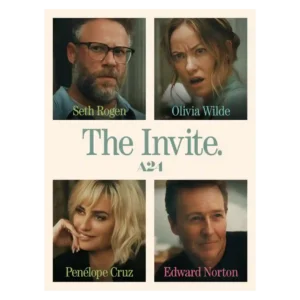
Choose The Invite for emotional impact and cast chemistry.
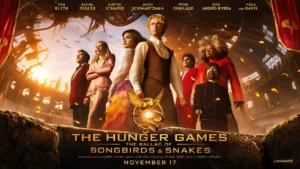
There is not enough comparable review evidence to recommend The Hunger Games: The Ballad of Songbirds and Snakes over the other product.
Why these recommendations?
The Invite
Where It Has the Edge
emotional impact is 4.8 vs 1.7. The film repeatedly turns belly laughs into sadness, tenderness, and even tears. Its strongest moments make marital regret...
cast chemistry is 5.0 vs 4.4. The quartet’s contrasting styles lock into a lively rhythm, while each new pairing creates a different emotional and...
cinematography is 5.0 vs 4.4. The 35mm photography, careful blocking, mirrors, and shifting perspectives make one apartment feel cinematic and constantly changing. A...
The Hunger Games: The Ballad of Songbirds and Snakes
Where It Has the Edge
No clear scored advantage over the other product.
The Invite4.5 overall score
The Hunger Games: The Ballad of Songbirds and Snakes3.9 overall score
Compare features
Scores are out of 5. Missing scores mean missing review evidence, not a missing feature.
Scored on both products
Other features
Originality
The Invite
5.0
The story repeatedly swerves away from the most predictable version of its premise and complicates each character’s motives. Its surprises are a major pleasure even when the broad destination can be anticipated.
The Hunger Games: The Ballad of Songbirds and Snakes
1.0
Originality draws criticism, with the uneven latter stages reducing the effect of otherwise promising material.
Emotional impact
The Invite
4.8
The film repeatedly turns belly laughs into sadness, tenderness, and even tears. Its strongest moments make marital regret and buried longing hit harder because the comedy has lowered viewers’ defenses.
The Hunger Games: The Ballad of Songbirds and Snakes
1.7
Many appreciate the tragedy and unease; others miss the heartfelt investment of the Katniss films or find key deaths strangely muted.
Dialogue quality
The Invite
4.4
The rapid, overlapping dialogue is commonly described as crackling, sharp, natural, and extremely funny. Some critics find the verbal sparring self-satisfied or overextended, especially in longer arguments.
The Hunger Games: The Ballad of Songbirds and Snakes
2.0
Dialogue quality draws criticism, with the uneven latter stages reducing the effect of otherwise promising material.
Pacing
The Invite
4.2
Most critics praise the kinetic rhythm and carefully timed reveals, especially within the single-apartment setup. Others find the opening overcharged or the later monologues and arguments too drawn out.
The Hunger Games: The Ballad of Songbirds and Snakes
2.4
The first two sections often move with urgency, while the extended Peacekeeper finale is frequently accused of dragging, rushing key turns, or both. A few find that quieter ending the strongest section.
Writing quality
The Invite
4.8
The screenplay is broadly celebrated as whip-smart, funny, adult, and emotionally perceptive. Its overlapping talk and carefully planted reveals are major strengths, though a few critics call it over-written or smug.
The Hunger Games: The Ballad of Songbirds and Snakes
3.2
The script has intellectually ambitious material but varies in success at explaining Snow’s transformation and reconciling the romance with the political story.
Ending satisfaction
The Invite
4.5
Most critics admire the bittersweet, enigmatic, or quietly hopeful ending and expect audiences to discuss it afterward. A few consider it too cautious, noncommittal, or less satisfying than the journey.
The Hunger Games: The Ballad of Songbirds and Snakes
2.9
The final stretch splits opinion: some find its moral payoff gripping, while others consider the rushed, ambiguous resolution unsatisfying.
Editing quality
The Invite
3.5
The cutting usually gives the dinner party propulsive rhythm and helps the comedy snap into place. The most negative response calls the staccato approach cacophonous and exhausting.
The Hunger Games: The Ballad of Songbirds and Snakes
5.0
Editing quality is a welcome part of this return to Panem, helping the dramatic world and its characters feel distinctive.
Plot clarity
The Invite
3.5
The central setup is easy to follow, but some later turns may lose viewers who have not fully bought into the couples’ behavior. The film favors emotional escalation over a tidy, conventional plot.
The Hunger Games: The Ballad of Songbirds and Snakes
2.0
Viewers sometimes struggle to follow the dense Capitol power dynamics and Snow’s final choices, though others find the story legible.
Character development
The Invite
3.8
The four characters gradually reveal insecurity, grief, desire, and resentment beneath their initial comic types. Most find them richly layered, though one critic felt some interactions were overly manufactured.
The Hunger Games: The Ballad of Songbirds and Snakes
2.4
Snow’s gradual corruption is intriguing and sometimes unsettling, yet some critics feel his pivot and Lucy Gray’s motivations are insufficiently developed.
Romance quality
The Invite
4.5
The film treats marriage, desire, and non-monogamy with curiosity rather than easy judgment. Its romantic outlook is messy but ultimately humane, showing both the fear and possibility involved in changing a relationship.
The Hunger Games: The Ballad of Songbirds and Snakes
3.2
Snow and Lucy Gray share an intriguing but morally compromised connection. Some praise the chemistry, while others question whether the romance and betrayal feel earned.
Story quality
The Invite
4.5
The familiar dinner-party premise grows into a surprisingly layered exploration of marriage and desire. Most find the story close to perfectly executed, though some consider its deeper turns forced or superficial.
The Hunger Games: The Ballad of Songbirds and Snakes
3.4
The return to Panem impresses many with its mature origin story and political ambitions, but a notable group finds the prequel unnecessary or underdeveloped.
Faithfulness to source material
The Invite
4.8
The adaptation remains close to the Spanish source while adding American detail, greater sensuality, and more character expansion. Several critics consider it an unusually successful U.S. remake.
The Hunger Games: The Ballad of Songbirds and Snakes
3.8
The film closely follows Suzanne Collins’ novel, pleasing some book readers, though a few think the dense adaptation would have worked better in more screen time.
Suspense
The Invite
4.0
The apartment becomes a claustrophobic emotional trap as grievances, secrets, and attraction accumulate. The tension comes from social and marital danger rather than conventional thriller mechanics.
The Hunger Games: The Ballad of Songbirds and Snakes
4.9
The stripped-down arena and final confrontation generate tension for some, while others miss the suspense of the earlier films.
Tonal consistency
The Invite
4.0
For most of its runtime, the film balances broad comedy, cringe, pathos, and sadness with impressive control. Several critics note that the late turn into darker emotion can feel choppy or forced.
The Hunger Games: The Ballad of Songbirds and Snakes
3.3
Tonal consistency draws both praise and criticism: the ambitious prequel has memorable high points but can struggle to sustain its ideas through the finale.
Cast chemistry
The Invite
5.0
The quartet’s contrasting styles lock into a lively rhythm, while each new pairing creates a different emotional and comic charge. The believable friction between the married couple is especially important to the film’s impact.
The Hunger Games: The Ballad of Songbirds and Snakes
4.4
Blyth and Zegler make distrust and attraction palpable, but some critics feel the script skips over the emotional foundations of their romance.
Runtime
The Invite
2.7
At roughly 107–108 minutes, the film feels tight and propulsive to some viewers but overlong to others. The most common concern is that the material could lose 15–20 minutes without sacrificing its emotional point.
The Hunger Games: The Ballad of Songbirds and Snakes
2.1
At roughly 157 minutes, the film can feel overstuffed and more exhausting than its promising first half warrants; a minority feel it sustains the length.
Cinematography
The Invite
5.0
The 35mm photography, careful blocking, mirrors, and shifting perspectives make one apartment feel cinematic and constantly changing. A few flourishes can feel conspicuous, but the visual craft is a major strength.
The Hunger Games: The Ballad of Songbirds and Snakes
4.4
The cinematography distinguishes the brutalist Capitol from the atmospheric forest, though some rapid movement and wide-lens choices divide opinion.
Theme depth
The Invite
4.2
The film digs into failed ambition, comparison, resentment, intimacy, and the stories couples tell themselves. Most find it insightful and mature, while a dissenting group sees only a superficial treatment of modern relationships.
The Hunger Games: The Ballad of Songbirds and Snakes
3.6
The film examines authoritarianism, class and propaganda with uncommon ambition for a YA blockbuster, though some think it merely repeats its ideas.
Genre satisfaction
The Invite
4.5
As an adult relationship dramedy, dark comedy, and sex farce, it delivers sophisticated laughs with real emotional stakes. Its frank approach to marriage and non-monogamy feels refreshingly grown-up.
The Hunger Games: The Ballad of Songbirds and Snakes
4.0
Fans of dystopian YA get a substantial new angle on familiar ideas, although some feel the franchise did not need another origin story.
Message quality
The Invite
4.5
The film argues for honesty, change, and renewed openness rather than prescribing monogamy or non-monogamy. Its hopeful ideas resonate with many critics, though a few find the relationship lessons obvious or didactic.
The Hunger Games: The Ballad of Songbirds and Snakes
5.0
The film’s critique of propaganda and media manipulation resonates with some critics, while others find the messaging blunt or superficial.
Directing quality
The Invite
4.7
Olivia Wilde’s control of performance, space, and comic escalation is frequently called her strongest directing work. A few early choices feel fussy or overemphatic, but the overall staging is confident and inventive.
The Hunger Games: The Ballad of Songbirds and Snakes
4.4
Francis Lawrence receives credit for confidently returning to Panem and balancing brutal spectacle with intimate drama, although some find the later pacing difficult.
Humor
The Invite
4.8
The strongest consensus is that the film is genuinely hilarious, with rapid insults, physical comedy, and escalating social discomfort producing big laughs. A small minority finds it only occasionally funny.
The Hunger Games: The Ballad of Songbirds and Snakes
4.6
Jason Schwartzman’s mordant hosting provides laughs and relief from the gloom, although some find the comic relief strained.
Ownership and support
Rewatch value
The Invite
4.8
The dense dialogue, layered performances, visual blocking, and ambiguous ending give the film strong repeat-viewing potential. The few explicit rewatch comments are highly enthusiastic.
The Hunger Games: The Ballad of Songbirds and Snakes
2.7
There is disagreement about a second viewing: some are eager to return to Panem, while others find this long installment too frustrating to revisit.
Entertainment value
The Invite
4.4
Despite its single location and talk-heavy structure, the film is widely considered a highly entertaining pressure cooker. Its combination of awkwardness, surprise, and star chemistry keeps the evening engaging.
The Hunger Games: The Ballad of Songbirds and Snakes
3.8
Most find substantial entertainment in the performances, Games and atmosphere, even when the extended third act holds them back.
Comfort and build
Visual style
The Invite
4.2
Warm 35mm texture, mirrors, frames within frames, and precise spatial composition give the chamber piece a polished cinematic identity. Some critics find the early symbolism overly studied, but the overall look is admired.
The Hunger Games: The Ballad of Songbirds and Snakes
2.7
The retro-futurist Capitol is often described as striking, imposing and distinctive despite sporadic complaints about artificial-looking imagery.
Costume design
The Invite
4.5
The clothing subtly places the buttoned-up hosts and liberated guests in visual opposition. These choices reinforce personality and relationship dynamics without becoming overly showy.
The Hunger Games: The Ballad of Songbirds and Snakes
4.8
Costumes are a near-universal highlight, from Lucy Gray’s theatrical colors to the Capitol’s severe uniforms and Gaul’s flamboyant looks.
Production design
The Invite
5.0
The renovated apartment functions like a fifth character, expressing warmth, distance, entrapment, and unfinished marital business. Its rooms, mirrors, decor, and sightlines keep the contained story visually alive.
The Hunger Games: The Ballad of Songbirds and Snakes
4.9
Sets, interiors and monumental Capitol architecture make the earlier Panem feel lived-in and politically oppressive.
Performance
Soundtrack quality
The Invite
5.0
The musical selections are used sparingly but effectively, with the Sade needle drop singled out as a crowd-pleasing highlight. The songs add sensuality and irony to the relationship drama.
The Hunger Games: The Ballad of Songbirds and Snakes
4.2
Lucy Gray’s folk songs give the movie a distinctive voice and emotional pull, but a few listeners find the repeated musical interruptions overused.
Lead performance
The Invite
5.0
Seth Rogen is repeatedly singled out for combining comic timing with deep, lived-in sadness, while Olivia Wilde earns career-best notices for anxious physical comedy and emotional vulnerability.
The Hunger Games: The Ballad of Songbirds and Snakes
4.6
Blyth’s conflicted young Snow and Zegler’s charismatic Lucy Gray are major strengths, even when the writing gives them too little room.
Supporting cast performance
The Invite
4.9
Penélope Cruz and Edward Norton are repeatedly praised as magnetic, funny, and unpredictable foils. Cruz brings seductive confidence and comic precision, while Norton balances smug charm with unexpected tenderness.
The Hunger Games: The Ballad of Songbirds and Snakes
4.6
Viola Davis, Peter Dinklage, and Jason Schwartzman provide some of the most memorable work, often rescuing weaker passages.
Acting performance
The Invite
4.8
The four leads are widely praised as a remarkably balanced ensemble, with several critics calling the work career-best. Even more mixed assessments agree the cast keeps the film lively.
The Hunger Games: The Ballad of Songbirds and Snakes
4.7
The cast is widely credited with lifting the film, especially the leads and sharply drawn supporting eccentrics.
Evidence available for one product
Other features
Accent authenticity
The InviteNo score yet
The Hunger Games: The Ballad of Songbirds and Snakes
1.8
Lucy Gray’s stylized Southern/Appalachian accent is a sticking point for some, despite admiration for her vocal performances.
Action sequence quality
The InviteNo score yet
The Hunger Games: The Ballad of Songbirds and Snakes
4.1
The rough, enclosed early Games create a harsher and more immediate kind of action, but viewers who prefer elaborate arenas sometimes find the competition visually plain.
Casting quality
The InviteNo score yet
The Hunger Games: The Ballad of Songbirds and Snakes
4.8
The casting brings together vivid established performers and promising younger leads, with especially strong praise for the supporting lineup.
CGI quality
The InviteNo score yet
The Hunger Games: The Ballad of Songbirds and Snakes
2.0
Practical environments blend convincingly with effects for some, although the digital cityscapes and occasional green-screen feel draw criticism.
Drama quality
The Invite
5.0
Beneath the farce is a poignant chamber drama about disappointment, intimacy, and a marriage nearing collapse. The emotional seriousness gives the comedy weight without turning the film into a conventional tearjerker.
The Hunger Games: The Ballad of Songbirds and SnakesNo score yet
Franchise continuity
The InviteNo score yet
The Hunger Games: The Ballad of Songbirds and Snakes
5.0
Franchise continuity is a welcome part of this return to Panem, helping the dramatic world and its characters feel distinctive.
Media sensationalism
The InviteNo score yet
The Hunger Games: The Ballad of Songbirds and Snakes
5.0
The birth of the Games as televised propaganda offers a sharp picture of how entertainment can normalize cruelty and inequality.
Moral ambiguity
The InviteNo score yet
The Hunger Games: The Ballad of Songbirds and Snakes
4.8
Snow’s compromises and ambition deepen the franchise’s moral questions, even if the eventual villainous turn feels too predetermined for some.
Narrative structure
The InviteNo score yet
The Hunger Games: The Ballad of Songbirds and Snakes
2.0
The three-chapter format permits a large story but produces an abrupt tonal break after the Games, leaving viewers divided over the ending.
Opening sequence quality
The InviteNo score yet
The Hunger Games: The Ballad of Songbirds and Snakes
5.0
Opening sequence quality is a welcome part of this return to Panem, helping the dramatic world and its characters feel distinctive.
Prequel necessity
The InviteNo score yet
The Hunger Games: The Ballad of Songbirds and Snakes
3.2
The prequel wins over fans who value its examination of Snow and early Panem, while skeptics question whether that history needed another long film.
Realism
The Invite
5.0
The petty grievances, overlapping arguments, insecurity, and emotional stagnation feel painfully recognizable. Many critics see their own long-term relationship dynamics reflected in the film’s uncomfortable comedy.
The Hunger Games: The Ballad of Songbirds and SnakesNo score yet
Score quality
The Invite
3.1
Devonté Hynes’s string-heavy score sharply amplifies tension and comic rhythm for some critics. Others find it blaring, overly insistent, or distracting, making this the clearest technical point of disagreement.
The Hunger Games: The Ballad of Songbirds and SnakesNo score yet
Sexual content level
The Invite
4.5
The film is raunchy in subject and conversation but contains no explicit sex or nudity. Its adult material is generally seen as purposeful, playful, and tied to character rather than included for shock alone.
The Hunger Games: The Ballad of Songbirds and SnakesNo score yet
Song placement
The InviteNo score yet
The Hunger Games: The Ballad of Songbirds and Snakes
3.5
Zegler’s songs are beautifully performed, but some find the timing and frequency of the numbers disruptive to dramatic momentum.
Villain quality
The InviteNo score yet
The Hunger Games: The Ballad of Songbirds and Snakes
2.0
Villain quality draws criticism, with the uneven latter stages reducing the effect of otherwise promising material.
Vocal characterization
The InviteNo score yet
The Hunger Games: The Ballad of Songbirds and Snakes
4.9
Vocal characterization is a welcome part of this return to Panem, helping the dramatic world and its characters feel distinctive.
Controls and connectivity
Audience appeal
The Invite
5.0
The film appears built for communal viewing, with packed audiences reportedly laughing hard and staying engaged. Its adult, dialogue-driven style should land best with viewers who enjoy sharp relationship comedy.
The Hunger Games: The Ballad of Songbirds and SnakesNo score yet
Character appeal
The InviteNo score yet
The Hunger Games: The Ballad of Songbirds and Snakes
5.0
Snow is compelling for many as an unsteady antihero, but his selfishness and Lucy Gray’s relative lack of development leave others detached.
Critic appeal
The Invite
5.0
Critical response is overwhelmingly enthusiastic, with many calling it one of the year’s best comedies or films. A smaller group finds it shallow, overworked, or only intermittently funny.
The Hunger Games: The Ballad of Songbirds and SnakesNo score yet
Title appeal
The InviteNo score yet
The Hunger Games: The Ballad of Songbirds and Snakes
1.0
The elaborate title draws mockery from some critics, who find it cumbersome or overwrought.
Performance
Live performance sequences
The InviteNo score yet
The Hunger Games: The Ballad of Songbirds and Snakes
4.4
The folk singing and live performances strengthen Lucy Gray’s character for many, but their placement occasionally stalls the drama.
Ownership and support
Production value
The InviteNo score yet
The Hunger Games: The Ballad of Songbirds and Snakes
4.0
Production value is a welcome part of this return to Panem, helping the dramatic world and its characters feel distinctive.
Comfort and build
World-building
The InviteNo score yet
The Hunger Games: The Ballad of Songbirds and Snakes
5.0
The origin of the Games and the less opulent, postwar Capitol enrich Panem’s history; the new perspective is often cited as a reason to return.
Choose this inventive, unsettling documentary for fearless questioning, dark humor, and unpredictable storytelling. Skip it if you want a short, straightforward exposé with definitive answers.
Extraordinary performances and richly observed relationships make this a rewarding, emotionally forceful drama. Its nearly three-hour length and slow opening demand patience and undivided attention.
Best for a hypnotic, bookish mystery with tactile visuals and cerebral chills. Skip it if reading-heavy, attention-demanding storytelling sounds more exhausting than exciting.
Best for an intimate, searching documentary that rewards focused attention and invites discussion. Skip it when devastating grief, addiction footage, and unresolved family tensions would be too much.