Scorata scores summarize analyzed review evidence on a 1–5 scale; they are not laboratory measurements or a simple average of customer star ratings. Feature scores summarize the reviews covering that feature. The overall score averages feature scores within each review, then combines review averages. When both expert and customer evidence are available, those two groups receive equal weight. Products can have different review coverage, so small score gaps do not establish a winner.
Recommendations prioritize important features for the category, with a score of at least 3.5, a gap of at least 0.25 points and at least two supporting reviews per product. Features with widely varying scores or broad connectivity contexts are excluded from recommendations. These safeguards do not establish statistical significance.
Quick verdict
What each product is best for
The review evidence points to a tradeoff: originality and visual style versus rewatch value. Choose according to which strengths matter more to you; the overall score alone does not settle that choice.
Choose The Invite for originality and visual style.
Choose I Play Rocky for rewatch value.
Why these recommendations?
The Invite
Where It Has the Edge
originality is 5.0 vs 2.4. The story repeatedly swerves away from the most predictable version of its premise and complicates each character’s motives....
visual style is 4.2 vs 2.2. Warm 35mm texture, mirrors, frames within frames, and precise spatial composition give the chamber piece a polished cinematic...
I Play Rocky
Where It Has the Edge
rewatch value is 5.0 vs 4.8. The affectionate humor and familiar story invite repeat viewing, especially for those who enjoy returning to Rocky and...
The Invite4.5 overall score
I Play Rocky3.9 overall score
Compare features
Scores are out of 5. Missing scores mean missing review evidence, not a missing feature.
Scored on both products
Other features
Faithfulness to source material
The Invite
4.8
The adaptation remains close to the Spanish source while adding American detail, greater sensuality, and more character expansion. Several critics consider it an unusually successful U.S. remake.
I Play Rocky
1.0
The story echoes the resilience and tenderness of the original Rocky, occasionally recreating its most iconic images. Some enjoy that mirroring more than others.
Message quality
The Invite
4.5
The film argues for honesty, change, and renewed openness rather than prescribing monogamy or non-monogamy. Its hopeful ideas resonate with many critics, though a few find the relationship lessons obvious or didactic.
I Play Rocky
1.0
Self-belief and staying true to a creative vision come across clearly and often inspiringly, even when the moral is delivered with little subtlety.
Originality
The Invite
5.0
The story repeatedly swerves away from the most predictable version of its premise and complicates each character’s motives. Its surprises are a major pleasure even when the broad destination can be anticipated.
I Play Rocky
2.4
The movie knowingly follows a tried-and-true underdog template, which feels joyful and reassuring to some but overly safe and predictable to others.
Dialogue quality
The Invite
4.4
The rapid, overlapping dialogue is commonly described as crackling, sharp, natural, and extremely funny. Some critics find the verbal sparring self-satisfied or overextended, especially in longer arguments.
I Play Rocky
2.0
The show-business sparring produces several funny lines, although some pronouncements about dreams and filmmaking feel overly calculated.
Runtime
The Invite
2.7
At roughly 107–108 minutes, the film feels tight and propulsive to some viewers but overlong to others. The most common concern is that the material could lose 15–20 minutes without sacrificing its emotional point.
I Play Rocky
5.0
The roughly two-hour story often feels brisk, though a few sections stretch or repeat familiar backstage hurdles.
Writing quality
The Invite
4.8
The screenplay is broadly celebrated as whip-smart, funny, adult, and emotionally perceptive. Its overlapping talk and carefully planted reveals are major strengths, though a few critics call it over-written or smug.
I Play Rocky
3.0
Peter Gamble’s screenplay supplies sharp studio banter and a clear underdog spine, but critics are divided over shortcuts, scripted sentiment and familiar dramatic beats.
Character development
The Invite
3.8
The four characters gradually reveal insecurity, grief, desire, and resentment beneath their initial comic types. Most find them richly layered, though one critic felt some interactions were overly manufactured.
I Play Rocky
2.0
The central determination is easy to follow, but some relationships and supporting characters lose nuance as the filmmaking plot accelerates. A few feel too schematic or shortchanged.
Ending satisfaction
The Invite
4.5
Most critics admire the bittersweet, enigmatic, or quietly hopeful ending and expect audiences to discuss it afterward. A few consider it too cautious, noncommittal, or less satisfying than the journey.
I Play Rocky
2.9
Many enjoy the victorious payoff and audience-cheering finish. Others think the closing moments arrive abruptly or fail to reach the emotional peak the film promises.
Cinematography
The Invite
5.0
The 35mm photography, careful blocking, mirrors, and shifting perspectives make one apartment feel cinematic and constantly changing. A few flourishes can feel conspicuous, but the visual craft is a major strength.
I Play Rocky
3.5
The 1970s recreation has appealing details, but the movie’s own photography can look flat, overlit or more suitable to streaming than a cinema screen.
Editing quality
The Invite
3.5
The cutting usually gives the dinner party propulsive rhythm and helps the comedy snap into place. The most negative response calls the staccato approach cacophonous and exhausting.
I Play Rocky
5.0
The film’s confident cutting helps the emotional high points land and the backstage action feel propulsive.
Score quality
The Invite
3.1
Devonté Hynes’s string-heavy score sharply amplifies tension and comic rhythm for some critics. Others find it blaring, overly insistent, or distracting, making this the clearest technical point of disagreement.
I Play Rocky
2.0
The soundtrack has lovely passages but can press too hard on tender moments, distracting from the drama rather than deepening it.
Story quality
The Invite
4.5
The familiar dinner-party premise grows into a surprisingly layered exploration of marriage and desire. Most find the story close to perfectly executed, though some consider its deeper turns forced or superficial.
I Play Rocky
3.7
Stallone’s insistence on starring in his own screenplay makes for a naturally engaging underdog narrative. The biggest reservation is that the material is polished into a predictable Hollywood fable.
Theme depth
The Invite
4.2
The film digs into failed ambition, comparison, resentment, intimacy, and the stories couples tell themselves. Most find it insightful and mature, while a dissenting group sees only a superficial treatment of modern relationships.
I Play Rocky
3.5
The connection between artistic determination and Rocky’s own themes adds meaning, but the treatment can remain light or oversimplified.
Genre satisfaction
The Invite
4.5
As an adult relationship dramedy, dark comedy, and sex farce, it delivers sophisticated laughs with real emotional stakes. Its frank approach to marriage and non-monogamy feels refreshingly grown-up.
I Play Rocky
4.0
The Hollywood making-of drama works as a feel-good biopic, although its formula may frustrate those seeking a more challenging take on the story.
Romance quality
The Invite
4.5
The film treats marriage, desire, and non-monogamy with curiosity rather than easy judgment. Its romantic outlook is messy but ultimately humane, showing both the fear and possibility involved in changing a relationship.
I Play Rocky
5.0
romance quality receives generally favorable responses, with the film’s strengths and compromises both affecting the experience.
Emotional impact
The Invite
4.8
The film repeatedly turns belly laughs into sadness, tenderness, and even tears. Its strongest moments make marital regret and buried longing hit harder because the comedy has lowered viewers’ defenses.
I Play Rocky
4.3
The movie regularly earns cheers through determination, sacrifice and the recreation of a hard-won filmmaking triumph. Some find the climaxes engineered rather than genuinely moving.
Pacing
The Invite
4.2
Most critics praise the kinetic rhythm and carefully timed reveals, especially within the single-apartment setup. Others find the opening overcharged or the later monologues and arguments too drawn out.
I Play Rocky
4.0
The brisk momentum and amusing negotiations keep most engaged, though the balance between early struggles and later production anecdotes divides opinion. A few find the second half episodic or the ending too sudden.
Directing quality
The Invite
4.7
Olivia Wilde’s control of performance, space, and comic escalation is frequently called her strongest directing work. A few early choices feel fussy or overemphatic, but the overall staging is confident and inventive.
I Play Rocky
4.8
Peter Farrelly brings comic timing, speed and a gift for encouraging warmth from his actors. Admirers call it a return to form; detractors find the approach safe and overly eager to please.
Humor
The Invite
4.8
The strongest consensus is that the film is genuinely hilarious, with rapid insults, physical comedy, and escalating social discomfort producing big laughs. A small minority finds it only occasionally funny.
I Play Rocky
4.7
Studio negotiations, impatient executives and on-set workarounds generate some of the biggest laughs. The humor mostly complements the inspirational tone, though occasional jokes are heavy-handed.
Cast chemistry
The Invite
5.0
The quartet’s contrasting styles lock into a lively rhythm, while each new pairing creates a different emotional and comic charge. The believable friction between the married couple is especially important to the film’s impact.
I Play Rocky
5.0
The affectionate exchanges between Stallone and Sasha give the rise-to-fame story a human center, while the producing duo brings lively banter and comic rhythm.
Comfort and build
Visual style
The Invite
4.2
Warm 35mm texture, mirrors, frames within frames, and precise spatial composition give the chamber piece a polished cinematic identity. Some critics find the early symbolism overly studied, but the overall look is admired.
I Play Rocky
2.2
The movie frequently prioritizes recognizable Rocky imagery over a distinctive visual language, with several critics objecting to its glossy, televisual finish.
Production design
The Invite
5.0
The renovated apartment functions like a fifth character, expressing warmth, distance, entrapment, and unfinished marital business. Its rooms, mirrors, decor, and sightlines keep the contained story visually alive.
I Play Rocky
4.2
Period costumes and recreated sets evoke the cramped, inventive production of the 1976 film. The polished surfaces sometimes undercut the grittiness of its New York and Philadelphia settings.
Performance
Soundtrack quality
The Invite
5.0
The musical selections are used sparingly but effectively, with the Sade needle drop singled out as a crowd-pleasing highlight. The songs add sensuality and irony to the relationship drama.
I Play Rocky
4.5
Familiar notes of the Rocky theme supply a nostalgic surge, although some newer music is considered too sugary for intimate scenes.
Lead performance
The Invite
5.0
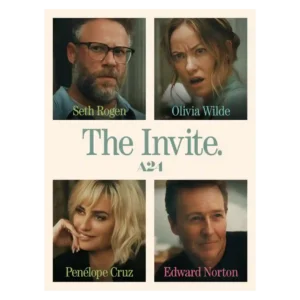
Seth Rogen is repeatedly singled out for combining comic timing with deep, lived-in sadness, while Olivia Wilde earns career-best notices for anxious physical comedy and emotional vulnerability.
I Play Rocky
4.8
Anthony Ippolito’s uncanny physicality, vocal imitation and vulnerable underdog energy are the film’s biggest strengths. Even cooler responses generally concede the resemblance, though some find the portrayal too close to impersonation.
Acting performance
The Invite
4.8
The four leads are widely praised as a remarkably balanced ensemble, with several critics calling the work career-best. Even more mixed assessments agree the cast keeps the film lively.
I Play Rocky
4.9
The performances give the affectionate, familiar premise its life, with Ippolito in particular delivering an unusually persuasive portrayal. Several supporting actors also receive enthusiastic notices.
Supporting cast performance
The Invite
4.9
Penélope Cruz and Edward Norton are repeatedly praised as magnetic, funny, and unpredictable foils. Cruz brings seductive confidence and comic precision, while Norton balances smug charm with unexpected tenderness.
I Play Rocky
4.9
AnnaSophia Robb, Tracy Letts, P.J. Byrne, Toby Kebbell and Jay Duplass provide warmth and broad comic spark. Some parts are thinly sketched, but the performers often make them memorable.
Ownership and support
Rewatch value
The Invite
4.8
The dense dialogue, layered performances, visual blocking, and ambiguous ending give the film strong repeat-viewing potential. The few explicit rewatch comments are highly enthusiastic.
I Play Rocky
5.0
The affectionate humor and familiar story invite repeat viewing, especially for those who enjoy returning to Rocky and its making.
Entertainment value
The Invite
4.4
Despite its single location and talk-heavy structure, the film is widely considered a highly entertaining pressure cooker. Its combination of awkwardness, surprise, and star chemistry keeps the evening engaging.
I Play Rocky
4.4
A lively, often funny crowd-pleaser wins over many viewers even though its outcome is familiar. The minority who dislike the film find it an empty or recycled celebration.
Evidence available for one product
Other features
Accent authenticity
The InviteNo score yet
I Play Rocky
4.7
Ippolito’s low growl, slurred cadence and Stallone mannerisms are widely convincing, often making the imitation disappear into a real character. A few find the voice exaggerated or object to an overly broad supporting accent.
Animal presence
The InviteNo score yet
I Play Rocky
5.0
Butkus adds an affectionate, grounding presence; the dog’s scenes are among the warmest and most memorable.
Biographical depth
The InviteNo score yet
I Play Rocky
2.2
The narrow focus on Stallone’s early breakthrough keeps the story moving, but leaves little room for complexity or revelations beyond familiar lore.
Biographical fairness
The InviteNo score yet
I Play Rocky
2.2
Biographical fairness receives mixed responses, with the film’s strengths and compromises both affecting the experience.
Casting quality
The InviteNo score yet
I Play Rocky
5.0
An exceptionally close physical match for young Stallone anchors the movie, and the supporting character lookalikes add to the pleasure of revisiting Rocky history.
Character screen time
The InviteNo score yet
I Play Rocky
2.0
Carl Weathers, Talia Shire and Sasha are among the figures whose stories feel reduced or dropped just when they become interesting.
Creative process insight
The InviteNo score yet
I Play Rocky
4.3
The Steadicam, tight shooting schedule, location decisions and on-set compromises make the process of bringing Rocky to life fascinating. Longtime fans may already know most of the anecdotes.
Cultural impact
The InviteNo score yet
I Play Rocky
2.0
The movie appreciates Rocky’s landmark success, but sometimes skips over why the original became such a defining national phenomenon.
Drama quality
The Invite
5.0
Beneath the farce is a poignant chamber drama about disappointment, intimacy, and a marriage nearing collapse. The emotional seriousness gives the comedy weight without turning the film into a conventional tearjerker.
I Play RockyNo score yet
End-credit scenes
The InviteNo score yet
I Play Rocky
5.0
A short addition after the credits gives attentive moviegoers a satisfying extra reason to stay in their seats.
Family dynamics
The InviteNo score yet
I Play Rocky
3.5
Sasha’s warmth and the father-son strain help explain Stallone’s emotional resolve, but the family relationships are sometimes reduced to shorthand.
Family friendliness
The InviteNo score yet
I Play Rocky
3.0
The sweetened story is broadly accessible, although its adult-life context and rough language still make it a better fit for older audiences.
Film-industry satire
The InviteNo score yet
I Play Rocky
4.8
The clash between an unknown actor and exasperated studio executives turns negotiations into an entertaining comedy of Hollywood egos and compromises.
Franchise commercialization
The InviteNo score yet
I Play Rocky
2.0
franchise commercialization receives mixed responses, with the film’s strengths and compromises both affecting the experience.
Historical reenactments
The InviteNo score yet
I Play Rocky
3.9
Recreated training runs, the meat locker and familiar Rocky moments evoke the original with impressive care. For some viewers the accuracy is affectionate; for others it borders on visual karaoke.
Memorability
The InviteNo score yet
I Play Rocky
2.0
The film is enjoyable in the moment, though its safe construction may leave less of a lasting impression.
Plot clarity
The Invite
3.5
The central setup is easy to follow, but some later turns may lose viewers who have not fully bought into the couples’ behavior. The film favors emotional escalation over a tidy, conventional plot.
I Play RockyNo score yet
Portrayal of women
The InviteNo score yet
I Play Rocky
3.2
Sasha is praised as spirited and important to Stallone’s success, yet other critics feel she becomes little more than a supportive helpmate and disappears too soon.
Production labor practices
The InviteNo score yet
I Play Rocky
2.0
Production labor practices receives mixed responses, with the film’s strengths and compromises both affecting the experience.
Realism
The Invite
5.0
The petty grievances, overlapping arguments, insecurity, and emotional stagnation feel painfully recognizable. Many critics see their own long-term relationship dynamics reflected in the film’s uncomfortable comedy.
I Play RockyNo score yet
Sentimental treatment
The InviteNo score yet
I Play Rocky
2.1
Its open-hearted optimism is a major draw, yet some of the scoring, family material and triumphal beats strike critics as syrupy or aggressively manipulative.
Sexual content level
The Invite
4.5
The film is raunchy in subject and conversation but contains no explicit sex or nudity. Its adult material is generally seen as purposeful, playful, and tied to character rather than included for shock alone.
I Play RockyNo score yet
Suspense
The Invite
4.0
The apartment becomes a claustrophobic emotional trap as grievances, secrets, and attraction accumulate. The tension comes from social and marital danger rather than conventional thriller mechanics.
I Play RockyNo score yet
Tonal consistency
The Invite
4.0
For most of its runtime, the film balances broad comedy, cringe, pathos, and sadness with impressive control. Several critics note that the late turn into darker emotion can feel choppy or forced.
I Play RockyNo score yet
Controls and connectivity
Audience appeal
The Invite
5.0
The film appears built for communal viewing, with packed audiences reportedly laughing hard and staying engaged. Its adult, dialogue-driven style should land best with viewers who enjoy sharp relationship comedy.
I Play RockyNo score yet
Character appeal
The InviteNo score yet
I Play Rocky
4.7
The young Stallone is an approachable, stubborn, occasionally comic dreamer worth rooting for, although the idealized portrait can seem too good to be true.
Critic appeal
The Invite
5.0
Critical response is overwhelmingly enthusiastic, with many calling it one of the year’s best comedies or films. A smaller group finds it shallow, overworked, or only intermittently funny.
I Play RockyNo score yet
Nostalgia appeal
The InviteNo score yet
I Play Rocky
3.9
The iconic run, music and behind-the-scenes anecdotes provide a powerful nostalgic lift for Rocky admirers. For skeptical viewers, the repeated callbacks can feel like an easy substitute for fresh drama.
Comfort and build
Costume design
The Invite
4.5
The clothing subtly places the buttoned-up hosts and liberated guests in visual opposition. These choices reinforce personality and relationship dynamics without becoming overly showy.
I Play RockyNo score yet
Performance
Historical accuracy
The InviteNo score yet
I Play Rocky
2.6
The dramatization freely reshapes events and blends several executives into one antagonist. The recreation is often entertaining, but it is not treated as a definitive factual history.
Ownership and support
Production value
The InviteNo score yet
I Play Rocky
2.0
The recreations and cast carry the picture despite an occasionally ordinary, streaming-like finish.
Choose this inventive, unsettling documentary for fearless questioning, dark humor, and unpredictable storytelling. Skip it if you want a short, straightforward exposé with definitive answers.
Extraordinary performances and richly observed relationships make this a rewarding, emotionally forceful drama. Its nearly three-hour length and slow opening demand patience and undivided attention.
Best for a hypnotic, bookish mystery with tactile visuals and cerebral chills. Skip it if reading-heavy, attention-demanding storytelling sounds more exhausting than exciting.
Best for an intimate, searching documentary that rewards focused attention and invites discussion. Skip it when devastating grief, addiction footage, and unresolved family tensions would be too much.