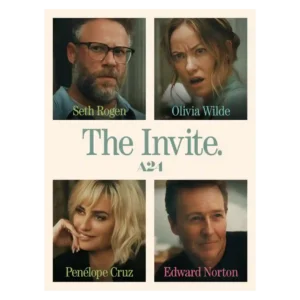

The Invite
Where It Has the Edge
- cast chemistry is 5.0 vs 4.5. The quartet’s contrasting styles lock into a lively rhythm, while each new pairing creates a different emotional and...

Scorata scores summarize analyzed review evidence on a 1–5 scale; they are not laboratory measurements or a simple average of customer star ratings. Feature scores summarize the reviews covering that feature. The overall score averages feature scores within each review, then combines review averages. When both expert and customer evidence are available, those two groups receive equal weight. Products can have different review coverage, so small score gaps do not establish a winner.
Recommendations prioritize important features for the category, with a score of at least 3.5, a gap of at least 0.25 points and at least two supporting reviews per product. Features with widely varying scores or broad connectivity contexts are excluded from recommendations. These safeguards do not establish statistical significance.
Quick verdict
The review evidence points to a tradeoff: cast chemistry versus visual style and entertainment value. Choose according to which strengths matter more to you; the overall score alone does not settle that choice.
Choose The Invite for cast chemistry.
Choose You Can See Everything for visual style and entertainment value.
Scores are out of 5. Missing scores mean missing review evidence, not a missing feature.
The film is raunchy in subject and conversation but contains no explicit sex or nudity. Its adult material is generally seen as purposeful, playful, and tied to character rather than included for shock alone.
An explicit shower shot is described as gratuitous, making its nudity feel needlessly intrusive to at least one critic.
Devonté Hynes’s string-heavy score sharply amplifies tension and comic rhythm for some critics. Others find it blaring, overly insistent, or distracting, making this the clearest technical point of disagreement.
Ari Balouzian’s music shifts between soothing, sly, and menacing moods, helping domestic scenes turn disquieting without losing their strange humor.
At roughly 107–108 minutes, the film feels tight and propulsive to some viewers but overlong to others. The most common concern is that the material could lose 15–20 minutes without sacrificing its emotional point.
Most find the nearly three-hour running time surprisingly easy to sit through, crediting the suspense and constant reinvention. One dissenting view argues it needed substantial tightening.
The cutting usually gives the dinner party propulsive rhythm and helps the comedy snap into place. The most negative response calls the staccato approach cacophonous and exhausting.
Sharp reaction shots and increasingly layered reconstructions turn a sprawling, confusing experience into an engaging narrative. The deliberate selectivity of editing also becomes part of the subject.
The apartment becomes a claustrophobic emotional trap as grievances, secrets, and attraction accumulate. The tension comes from social and marital danger rather than conventional thriller mechanics.
Despite its nonfiction premise, the constant reversals and unsettling exchanges create genuine suspense.
The film digs into failed ambition, comparison, resentment, intimacy, and the stories couples tell themselves. Most find it insightful and mature, while a dissenting group sees only a superficial treatment of modern relationships.
Beyond the Theranos scandal, the film wrestles with deception, performance, personal mythmaking, power, and the inability of any camera to record an entirely objective truth.
The quartet’s contrasting styles lock into a lively rhythm, while each new pairing creates a different emotional and comic charge. The believable friction between the married couple is especially important to the film’s impact.
The uneasy standoff between Fielder’s dry skepticism and Holmes’s composed, evasive answers makes their conversations mesmerizing to watch.
The familiar dinner-party premise grows into a surprisingly layered exploration of marriage and desire. Most find the story close to perfectly executed, though some consider its deeper turns forced or superficial.
What starts as a domestic portrait evolves into a much stranger inquiry, with unexpected shifts and reenactments that transform the meaning of earlier scenes.
Olivia Wilde’s control of performance, space, and comic escalation is frequently called her strongest directing work. A few early choices feel fussy or overemphatic, but the overall staging is confident and inventive.
Fielder and Oppenheim make bold structural choices while maintaining attention on their subjects and the limits of documentary truth. Their unusual collaboration is widely celebrated as an ambitious leap for nonfiction.
As an adult relationship dramedy, dark comedy, and sex farce, it delivers sophisticated laughs with real emotional stakes. Its frank approach to marriage and non-monogamy feels refreshingly grown-up.
Its blend of documentary, constructed scenes, comedy, and psychological drama is exhilarating for most; a dissenting critic finds it too self-conscious to comfortably count as nonfiction.
The strongest consensus is that the film is genuinely hilarious, with rapid insults, physical comedy, and escalating social discomfort producing big laughs. A small minority finds it only occasionally funny.
Fielder’s deadpan disbelief collides with baffling answers and surreal situations to generate frequent, uncomfortable laughter. The humor stays active even as the subject turns dark.
The film repeatedly turns belly laughs into sadness, tenderness, and even tears. Its strongest moments make marital regret and buried longing hit harder because the comedy has lowered viewers’ defenses.
Disbelief, tension, cringing, unease, and astonished laughter often arrive close together. The film is repeatedly described as difficult to shake off afterward.
The story repeatedly swerves away from the most predictable version of its premise and complicates each character’s motives. Its surprises are a major pleasure even when the broad destination can be anticipated.
Reality-TV intimacy, staged recreations, and daring shifts of perspective turn a familiar scandal into something strikingly new. The film repeatedly changes what kind of story it is telling.
Most critics praise the kinetic rhythm and carefully timed reveals, especially within the single-apartment setup. Others find the opening overcharged or the later monologues and arguments too drawn out.
Most find the narrative absorbing, particularly once the second half changes direction. A dissenting critic finds stretches of the first half repetitive.
The 35mm photography, careful blocking, mirrors, and shifting perspectives make one apartment feel cinematic and constantly changing. A few flourishes can feel conspicuous, but the visual craft is a major strength.
Intimate close-ups, watchful angles, and restrained lighting make tiny changes of expression compelling. The visual approach creates a powerful sense of being trapped inside the home.
Seth Rogen is repeatedly singled out for combining comic timing with deep, lived-in sadness, while Olivia Wilde earns career-best notices for anxious physical comedy and emotional vulnerability.
Fielder’s onscreen reactions and comic persona remain entertaining, although a critic questions how deeply his questions penetrate Holmes’s defenses.
The four leads are widely praised as a remarkably balanced ensemble, with several critics calling the work career-best. Even more mixed assessments agree the cast keeps the film lively.
Amanda Seyfried’s self-aware participation and unnerving reenactments are particular highlights, bringing more psychological depth to a story about the limits of portrayal.
Penélope Cruz and Edward Norton are repeatedly praised as magnetic, funny, and unpredictable foils. Cruz brings seductive confidence and comic precision, while Norton balances smug charm with unexpected tenderness.
Seyfried’s appearance gives the later sections a compelling new perspective, combining an eerie portrayal of Holmes with candid inquiry into the material.
Warm 35mm texture, mirrors, frames within frames, and precise spatial composition give the chamber piece a polished cinematic identity. Some critics find the early symbolism overly studied, but the overall look is admired.
An Academy-ratio image, oppressive facial close-ups, creeping zooms, and warm limited-light interiors give everyday interactions an unsettling cinematic intensity.
The dense dialogue, layered performances, visual blocking, and ambiguous ending give the film strong repeat-viewing potential. The few explicit rewatch comments are highly enthusiastic.
Its shifting meanings and ambiguous interactions leave questions that could reward a second viewing, especially after the big structural turns become familiar.
Despite its single location and talk-heavy structure, the film is widely considered a highly entertaining pressure cooker. Its combination of awkwardness, surprise, and star chemistry keeps the evening engaging.
A strangely absorbing mix of probing interviews, comic reactions, and major surprises makes the long film feel like an event. Even a skeptical critic finds it highly entertaining.
The film appears built for communal viewing, with packed audiences reportedly laughing hard and staying engaged. Its adult, dialogue-driven style should land best with viewers who enjoy sharp relationship comedy.
Festival screenings produced excitement and intense reactions, but its discomforting, cerebral approach is not necessarily designed for mass-market tastes.
Critical response is overwhelmingly enthusiastic, with many calling it one of the year’s best comedies or films. A smaller group finds it shallow, overworked, or only intermittently funny.
Early critic reception is reported as exceptionally enthusiastic, echoing widespread praise for the film’s bold form and originality.
Claustrophobic close-ups and deliberate pacing produce an unnerving, watchful intimacy, balancing ominous tension with playful absurdity.
Extensive access reveals Holmes’s home life and contradictions far beyond polished public appearances. Some still feel the film uncovers more about her partner than about her underlying motives.
The film can make Holmes seem vulnerable in her domestic life while remaining skeptical of her denial of wrongdoing. It also openly raises questions about the filmmakers’ own biases.
The four characters gradually reveal insecurity, grief, desire, and resentment beneath their initial comic types. Most find them richly layered, though one critic felt some interactions were overly manufactured.
The directors’ different readings of everyday interactions became an engine for the film. Their partnership gives its increasingly wild structure a strong sense of purpose.
Its challenge to documentary conventions prompts predictions of a lasting influence on nonfiction filmmaking and conversations about how images establish credibility.
The rapid, overlapping dialogue is commonly described as crackling, sharp, natural, and extremely funny. Some critics find the verbal sparring self-satisfied or overextended, especially in longer arguments.
Beneath the farce is a poignant chamber drama about disappointment, intimacy, and a marriage nearing collapse. The emotional seriousness gives the comedy weight without turning the film into a conventional tearjerker.
Most critics admire the bittersweet, enigmatic, or quietly hopeful ending and expect audiences to discuss it afterward. A few consider it too cautious, noncommittal, or less satisfying than the journey.
The adaptation remains close to the Spanish source while adding American detail, greater sensuality, and more character expansion. Several critics consider it an unusually successful U.S. remake.
The filmmakers catch interruptions, arguments, and disturbing controlling behavior within the household. Those moments deepen the personal portrait without excusing Holmes’s past misconduct.
Rather than claiming neutrality, the documentary exposes how access, camera placement, reenactments, and editing shape perceptions of its subject. The self-scrutiny is one of its major strengths.
Fielder asks blunt, persistent questions that more traditional interviews might avoid. The evasive replies are often revealing even when they fail to deliver factual closure.
The film argues for honesty, change, and renewed openness rather than prescribing monogamy or non-monogamy. Its hopeful ideas resonate with many critics, though a few find the relationship lessons obvious or didactic.
The real question becomes not just what Holmes did, but what anyone in the room understands and who is controlling the story. Major pivots keep the outcome hard to predict.
The central setup is easy to follow, but some later turns may lose viewers who have not fully bought into the couples’ behavior. The film favors emotional escalation over a tidy, conventional plot.
The petty grievances, overlapping arguments, insecurity, and emotional stagnation feel painfully recognizable. Many critics see their own long-term relationship dynamics reflected in the film’s uncomfortable comedy.
The film treats marriage, desire, and non-monogamy with curiosity rather than easy judgment. Its romantic outlook is messy but ultimately humane, showing both the fear and possibility involved in changing a relationship.
For most of its runtime, the film balances broad comedy, cringe, pathos, and sadness with impressive control. Several critics note that the late turn into darker emotion can feel choppy or forced.
The screenplay is broadly celebrated as whip-smart, funny, adult, and emotionally perceptive. Its overlapping talk and carefully planted reveals are major strengths, though a few critics call it over-written or smug.
The clothing subtly places the buttoned-up hosts and liberated guests in visual opposition. These choices reinforce personality and relationship dynamics without becoming overly showy.
The renovated apartment functions like a fifth character, expressing warmth, distance, entrapment, and unfinished marital business. Its rooms, mirrors, decor, and sightlines keep the contained story visually alive.
The musical selections are used sparingly but effectively, with the Sade needle drop singled out as a crowd-pleasing highlight. The songs add sensuality and irony to the relationship drama.

Best for a hypnotic, bookish mystery with tactile visuals and cerebral chills. Skip it if reading-heavy, attention-demanding storytelling sounds more exhausting than exciting.
Pros: Atmosphere, cinematography
Cons: audience appeal

Best for an intimate, searching documentary that rewards focused attention and invites discussion. Skip it when devastating grief, addiction footage, and unresolved family tensions would be too much.
Pros: emotional impact, theme depth

Best for patient suspense, an unforgettable score, and an unsettling masked killer. Skip it for very young children or if you want to avoid intense scares; its restrained kills also...
Pros: directing quality, score quality
Cons: message quality

Best for vivid Disneyland history, hands-on craftsmanship, and immersive archival filmmaking. Skip it if you want an exhaustive timeline, a Walt-centered biography, or a conventional documentary with modern interviews.
Pros: entertainment value, archival footage quality
Cons: theme depth, runtime