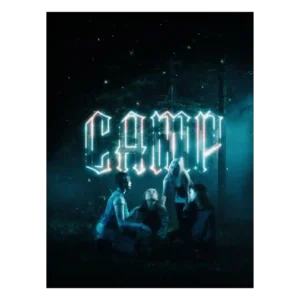
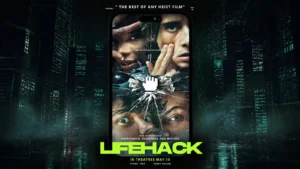
Camp
Where It Has the Edge
- plot originality is 4.5 vs 2.7. The story avoids predictable coven conflicts and standard horror escalation, favoring acceptance, guilt, and collective power. Its unconventional...

Scorata scores summarize analyzed review evidence on a 1–5 scale; they are not laboratory measurements or a simple average of customer star ratings. Feature scores summarize the reviews covering that feature. The overall score averages feature scores within each review, then combines review averages. When both expert and customer evidence are available, those two groups receive equal weight. Products can have different review coverage, so small score gaps do not establish a winner.
Recommendations prioritize important features for the category, with a score of at least 3.5, a gap of at least 0.25 points and at least two supporting reviews per product. Features with widely varying scores or broad connectivity contexts are excluded from recommendations. These safeguards do not establish statistical significance.
Quick verdict
The review evidence points to a tradeoff: plot originality versus score quality. Choose according to which strengths matter more to you; the overall score alone does not settle that choice.
Choose Camp for plot originality.
Choose LifeHack for score quality.
Scores are out of 5. Missing scores mean missing review evidence, not a missing feature.
Abrupt static and abrasive sonic interruptions unsettle the otherwise hypnotic opening. The contrast helps signal that the film’s softness carries hidden danger.
Constant notification pings and app sounds reinforce the screenlife environment, but they can also become distracting enough to make viewers check their own phones.
The camp’s Christian façade, secret coven culture, and enchanted woodland imagery create a distinctive microcosm. The world feels larger and more alluring than the modest budget suggests.
Small background details, hacked inboxes, apps, and internet ephemera make the digital environment feel densely observed and lived-in rather than merely functional.
The handmade visual language is the film’s clearest triumph, blending Super 8 grain, colored fog, animation, ritual tableaux, and glowing natural light. It is consistently described as gorgeous, hypnotic, and otherworldly.
The layered screenlife style is inventive and functional for many viewers, turning tabs, calls, and surveillance feeds into active storytelling. For others, the same density becomes mechanical, exhausting, or headache-inducing.
The story avoids predictable coven conflicts and standard horror escalation, favoring acceptance, guilt, and collective power. Its unconventional structure is fresh even when it feels incomplete.
The screen-based heist gives familiar crime mechanics a fresh surface, but the underlying plotting is more conventional: several reactions note predictable turns, genre clichés, or a by-the-numbers structure.
Reality, dreams, memory, and witchcraft blur by design, leaving major questions unanswered. That ambiguity can be seductive, but it also makes the plot feel incoherent or nearly illegible to some viewers.
Despite dense screens and technical detail, the central heist is often easy enough to follow and visually organized. At its busiest, however, the information flow can become muddled or overwhelming.
At 111 minutes, the film pushes its sparse narrative close to the breaking point. Even positive reactions often suggest that trimming 10 to 15 minutes would strengthen the experience.
The compact length works for several viewers who feel the film stays brisk and avoids overstaying its welcome. Others still experience fatigue from the screenlife presentation before it ends.
The deliberately lo-fi dialogue divides opinion. Some accept its monotone awkwardness as part of the dream state, while others find it clunky, airless, and emotionally flat.
The friends’ banter is often praised as natural and specific to their online dynamic, though some conversations feel choppy and one harsh reaction finds the jargon grating.
The film thoughtfully connects grief, female sexuality, faith, guilt, and chosen family. Its moral refusal to label healing as purely good or evil gives the material unusual depth.
Class resentment, online power, isolation, and digital dependency give the story more to consider than the heist alone. Some critics still find those ideas underexplored or too surface-level.
The ending is intentionally unresolved and will be a major dividing point. Some appreciate its refusal of reassurance, while others find the missing payoff, dropped threads, and troubling implications frustrating.
The finale is sharply divisive: some find it satisfying, emotionally fulfilling, and true to the characters, while others call it overly tidy, predictable, or less convincing than the setup.
The film works as a melancholic tragedy about guilt, grief, and damaged healing rather than a conventional camp thriller. Its emotional rot is more central than plot mechanics.
The friendship fractures and shifting loyalties can create effective drama, but the emotional material is not universally convincing and can feel familiar or underdeveloped.
The film favors unease, ritual imagery, and emotional dread over jump scares or a body-count structure. Its horror is soft-edged but capable of leaving a lingering chill.
The film is not conventional horror, but its fear of getting caught and real-world cyber anxiety can create an effective, nerve-rattling kind of horror-adjacent tension.
The screenplay contains potent ideas about guilt, faith, and female community, but it often abandons setups and underdevelops motivations. Its intuitive power is stronger than its structural discipline.
The writing earns praise for giving the heist motives, class concerns, and friendship dynamics some substance, but it also draws criticism for contrived conflicts, familiar beats, and limited character depth.
The meditative pace supports the dreamlike atmosphere, but it is the most repeated drawback. Long silences and meandering transitions frequently make the film feel overextended.
The movie is usually described as brisk, propulsive, and energetic, especially during the heist. Some find the pace relentless or overwhelming, while others see a slower opening and occasional filler before the story fully accelerates.
Analog memory fragments and abrupt transitions place the viewer inside Emily’s unstable headspace. The approach can be disorienting, but it gives past trauma a strong visual presence.
Editing is one of the clearest strengths, using rapid cuts, layered windows, and shifting focus to keep dense digital action legible and propulsive rather than static.
The film stands out through its handmade textures, moral ambiguity, and refusal to turn its coven into a familiar villainous force. Its raw, singular vision often matters more than narrative polish.
Turning screenlife into a cyber-heist is frequently praised as a fresh use of the format, with inventive digital storytelling. Familiar satire and established screenlife conventions keep it from feeling wholly new to everyone.
Emily and Clara’s attraction remains understated, but their chemistry gives the relationship a vivid glow. The romance functions more as a route to belonging and self-recognition than a conventional love story.
Kyle and Alex’s awkward, slow-building connection adds tenderness to the digital friendship story, though the relationship remains deliberately understated and somewhat open-ended.
The film’s grief, guilt, and hunger for absolution land with unusual tenderness and intensity. Its strongest moments make healing feel both comforting and potentially dangerous.
The film finds unexpected poignancy in online friendship, loneliness, and youthful pressure, though emotional connection weakens for viewers who find the characters too distant or frustrating.
Avalon Fast’s direction is bold, personal, and visually assured, with a clear willingness to reject conventional structure. The rawness can become disjointed, but the creative control and singular voice are widely apparent.
Ronan Corrigan’s debut direction is widely praised for controlling a complicated screenlife format, sustaining tension, and understanding online behavior. A smaller group finds the approach irritating or more competent than distinctive.
The supernatural framework is balanced by recognizable interactions, awkward speech, and believable camp friendships. The social behavior often feels more grounded than the plot around it.
The hacking, software, and social-engineering details are often praised as unusually grounded for a thriller. The larger heist eventually strains credibility for some viewers, especially as the plot escalates.
The fragmented story ultimately forms a strong message about guilt, belonging, and the possibility of healing outside familiar moral systems. Its meaning is powerful, though never delivered neatly.
The film’s warnings about online privacy, digital vulnerability, and the consequences of seemingly distant cybercrime give the heist extra relevance beyond its mechanics.
This is an unconventional witchy coming-of-age drama rather than a slasher or jump-scare vehicle. It satisfies viewers open to compassionate, ambiguous horror but may disappoint those expecting a traditional camp fright film.
The cyber-heist and screenlife formats pair unusually well for many viewers, producing a tense, energetic thriller. Dissent centers on the perceived limits of screenlife itself and familiar heist conventions.
The fuzzy, reverb-heavy score is a major part of the enchanted atmosphere. It shifts between gentle drift and devouring noise to mirror Emily’s unstable emotional state.
The electronic score is repeatedly praised for giving the screen-based action momentum and matching the frantic pace of the heist.
The film’s queer, female-centered perspective feels lived-in rather than tokenized. Its focus on community, girlhood, and self-invention gives the horror a broad emotional reach.
The film captures Gen Z internet culture with unusually specific detail, from games and Discord habits to memes and screen-driven social life. Its online world often feels current and recognizable rather than generically digital.
Tension comes from uncertainty, whispered danger, and the possibility that acceptance has a cost. The slow-burn dread is effective without relying on conventional shocks.
Suspense is the film’s strongest consensus strength: the hacking, surveillance, and physical infiltration repeatedly create nail-biting tension and an escalating fear of getting caught.
Emily’s emotional progression and the counselors’ shared damage can be compelling, but several side characters and relationships disappear before they are fully developed. The character-driven material is strongest when the film stays close to its central group.
Character depth divides opinion. Some find the friends fully formed and emotionally grounded, while others see thin motivations, limited backstory, or too little time spent understanding how the heist changes them.
The central story of damaged healing is tender and unusual, but the narrative can feel like a collection of ideas rather than a fully resolved arc. Viewers who accept mood as the organizing principle tend to respond far more positively.
The cyber-heist is broadly seen as compelling and easy to invest in, with strong momentum and a clear central hook. Criticism focuses on familiar plotting, shallow character work, and a later story that can become messy or too neat.
The cast’s easy rapport gives the coven a believable sense of intimacy and belonging. Emily and Clara’s connection is especially warm and magnetic.
The central group’s chemistry is a major asset, making online friendships feel lived-in and emotionally credible even when the characters rarely share physical space.
Alice Wordsworth and Cherry Moore are especially effective at giving the coven warmth and personality. The broader ensemble’s naturalism helps the group feel like a lived-in community.
Jessica Reynolds brings assertiveness and charisma to Lindsey, giving the heist a strong destabilizing presence. Other supporting reactions are more mixed, with one performance described as distracting.
The synth-heavy and shoegaze-inflected music deepens the surreal haze. Its rough, emotionally exposed closing texture leaves a particularly strong aftereffect.
The music is generally praised as energetic and propulsive, adding urgency to otherwise static computer activity, though one response finds some cueing distracting.
The ensemble often feels intimate and natural, with several critics praising its persuasive, unforced quality. A smaller group found the supporting performances flat, forced, or overly stylized.
The young ensemble is a consistent strength, with the cast often described as natural, authentic, and effective inside the screen-bound format. A few dissenting reactions still acknowledge the actors even when the film itself does not land.
Zola Grimmer gives a remarkably controlled debut, conveying sorrow, guarded hope, and longing through restrained speech and expressive reactions. Even harsher assessments of the ensemble tend to single her out positively.
Georgie Farmer is usually praised as a charming, confident anchor who can carry the film’s frantic perspective. One notable dissent finds Kyle’s cockiness grating and difficult to invest in emotionally.
This is best suited to viewers who enjoy queer arthouse horror, ambiguity, and slow, mood-led storytelling. Its thin plot and refusal to explain itself will alienate viewers seeking a conventional genre ride.
The screenlife presentation is the biggest taste test: digitally fluent and younger viewers are the clearest fit, while dense interfaces, jargon, and constant screen activity can alienate others.
The experience is hypnotic and transfixing for receptive viewers, but it is rarely fun in a conventional sense. Its slow, mournful drift can feel either absorbing or soporific.
Most reactions describe the film as fun, engaging, or exhilarating, especially once the heist tightens. Screen fatigue and one strongly negative response show that the same digital intensity can become exhausting.
The later physical heist beats add welcome movement beyond the desktop and deliver convincing action without abandoning the screenlife setup.
Handcrafted animated flourishes deepen the film’s dream logic and make its supernatural moments feel distinctive. They are generally seen as purposeful rather than decorative.
Soft focus, colored fog, analog textures, handheld movement, and glowing woodland imagery create the film’s most consistently admired strength. The photography makes even ordinary daylight feel enchanted and unstable.
The online friendships usually feel genuine, familiar, and emotionally meaningful, giving the heist a human center. The main limitation is that individual friends are not always developed as deeply as the group dynamic.
The movie often gets laughs from character banter, internet behavior, and topical satire. The Elon Musk/Joe Rogan-style material is more divisive, with some finding it funny and others repetitive or eye-rolling.
The dreamy, melancholy atmosphere is sustained with strong visual and musical control. A few viewers experience the abrupt dialogue and character shifts as tonal whiplash rather than purposeful instability.
Its 2018 internet setting is praised for precisely capturing the apps, technology, and online culture of that moment, giving the digital period detail unusual specificity.
Thoughtful background and set details help reveal personality even within small webcam frames, giving the screen-bound characters a more lived-in presence.
The layered imagery and uncertain reality invite repeat viewing. A second look may clarify motifs and connections that are easy to miss during the film’s sleepy first pass.

Best for pristine archival footage, immersive sound, and a surprisingly tense look at Disneyland’s construction. Skip it if you want a comprehensive, deeply critical history; several reviewers found the 78–79-minute...
Pros: plot clarity, realism
Cons: plot originality, runtime
Best for an intimate, inventive archival portrait with strong emotional and cultural impact. Skip it if substantial nudity or an occasionally wandering biographical structure will frustrate you.
Pros: chemistry between characters, emotional impact
Cons: runtime, plot clarity
Best for an audacious, text-driven conspiracy thriller with gorgeous 16mm atmosphere and mounting dread. Skip it if long stretches of reading, deliberate repetition, and an intentionally austere narrative sound more...
Pros: story quality, plot clarity
Cons: chemistry between characters, sound design

Best for slow-burn suspense, iconic synth music, and shadow-soaked filmmaking that still feels influential. Skip it if you need fast pacing, polished sound, consistently natural dialogue, or modern gore-heavy kills.
Pros: chemistry between characters, directing quality
Cons: sound design, dialogue quality