Scorata scores summarize analyzed review evidence on a 1–5 scale; they are not laboratory measurements or a simple average of customer star ratings. Feature scores summarize the reviews covering that feature. The overall score averages feature scores within each review, then combines review averages. When both expert and customer evidence are available, those two groups receive equal weight. Products can have different review coverage, so small score gaps do not establish a winner.
Recommendations prioritize important features for the category, with a score of at least 3.5, a gap of at least 0.25 points and at least two supporting reviews per product. Features with widely varying scores or broad connectivity contexts are excluded from recommendations. These safeguards do not establish statistical significance.
Quick verdict
What each product is best for
The review evidence points to a tradeoff: visual style and genre satisfaction versus realism and humor. Choose according to which strengths matter more to you; the overall score alone does not settle that choice.
Choose Bouchra for visual style and genre satisfaction.
Choose The Invite for realism and humor.
Why these recommendations?
Bouchra
Where It Has the Edge
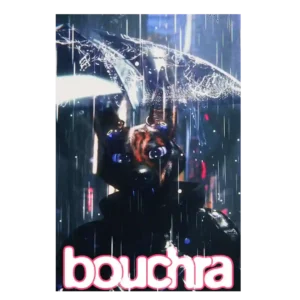
visual style is 4.5 vs 4.2. The mix of photorealistic locations, anthropomorphic CG animals, neon shadow, and rough digital texture is bold and unforgettable....
genre satisfaction is 4.8 vs 4.5. As queer animated docufiction, the film feels singular, heartfelt, and formally adventurous. Its blend of memoir, family drama,...
The Invite
Where It Has the Edge
realism is 5.0 vs 4.3. The petty grievances, overlapping arguments, insecurity, and emotional stagnation feel painfully recognizable. Many critics see their own long-term...
humor is 4.8 vs 4.2. The strongest consensus is that the film is genuinely hilarious, with rapid insults, physical comedy, and escalating social...
cinematography is 5.0 vs 4.4. The 35mm photography, careful blocking, mirrors, and shifting perspectives make one apartment feel cinematic and constantly changing. A...
Bouchra4.3 overall score
The Invite4.5 overall score
Compare features
Scores are out of 5. Missing scores mean missing review evidence, not a missing feature.
Scored on both products
Other features
Score quality
Bouchra
5.0
Flavien Berger’s music deepens the film’s dreamy, nocturnal, and sensual atmosphere, making quiet scenes feel more emotionally charged.
The Invite
3.1
Devonté Hynes’s string-heavy score sharply amplifies tension and comic rhythm for some critics. Others find it blaring, overly insistent, or distracting, making this the clearest technical point of disagreement.
Pacing
Bouchra
2.9
The reflective stretches can feel meditative and intimate, especially during family conversations. Elsewhere the film wanders, rushes between scenes, or loses momentum in its fragmented structure.
The Invite
4.2
Most critics praise the kinetic rhythm and carefully timed reveals, especially within the single-apartment setup. Others find the opening overcharged or the later monologues and arguments too drawn out.
Editing quality
Bouchra
2.5
The shifting timelines and metafictional layers can feel rushed or disjointed. Transitions occasionally make the passage of time and relationship between the film’s realities harder to follow than necessary.
The Invite
3.5
The cutting usually gives the dinner party propulsive rhythm and helps the comedy snap into place. The most negative response calls the staccato approach cacophonous and exhausting.
Suspense
Bouchra
3.0
Suspense remains deliberately low-key, centered on emotional confrontation and the search for a coming-out letter rather than conventional danger or action.
The Invite
4.0
The apartment becomes a claustrophobic emotional trap as grievances, secrets, and attraction accumulate. The tension comes from social and marital danger rather than conventional thriller mechanics.
Writing quality
Bouchra
3.8
The writing is strongest in intimate dialogue and culturally specific relationship details. Its layered metafiction is ambitious, though repetitive scenes and excess artifice sometimes weaken narrative momentum.
The Invite
4.8
The screenplay is broadly celebrated as whip-smart, funny, adult, and emotionally perceptive. Its overlapping talk and carefully planted reveals are major strengths, though a few critics call it over-written or smug.
Realism
Bouchra
4.3
Real voices, culturally specific details, and natural conversation make the stylized animal world feel emotionally true. The animation can create distance, but it also protects and clarifies the personal material.
The Invite
5.0
The petty grievances, overlapping arguments, insecurity, and emotional stagnation feel painfully recognizable. Many critics see their own long-term relationship dynamics reflected in the film’s uncomfortable comedy.
Sexual content level
Bouchra
3.9
The explicit lesbian scenes are adult, unusual, and likely polarizing, but they are generally treated as emotionally and artistically purposeful. They add sensuality and queer freedom rather than functioning only as provocation.
The Invite
4.5
The film is raunchy in subject and conversation but contains no explicit sex or nudity. Its adult material is generally seen as purposeful, playful, and tied to character rather than included for shock alone.
Humor
Bouchra
4.2
Dry banter, absurd ideas, and playful animal-world details provide welcome comic relief. The humor is understated and woven into natural conversations rather than built around conventional jokes.
The Invite
4.8
The strongest consensus is that the film is genuinely hilarious, with rapid insults, physical comedy, and escalating social discomfort producing big laughs. A small minority finds it only occasionally funny.
Romance quality
Bouchra
3.9
Bouchra’s encounters capture attraction, awkwardness, ex-partner tension, and the complications of dating across languages and cultures. Some romantic strands are vivid but brief rather than fully developed.
The Invite
4.5
The film treats marriage, desire, and non-monogamy with curiosity rather than easy judgment. Its romantic outlook is messy but ultimately humane, showing both the fear and possibility involved in changing a relationship.
Cinematography
Bouchra
4.4
Noirish New York, sunlit Casablanca, expressive close-ups, and neon nighttime compositions create a memorable visual atmosphere. The live-action environments often give the animated figures a tactile sense of place.
The Invite
5.0
The 35mm photography, careful blocking, mirrors, and shifting perspectives make one apartment feel cinematic and constantly changing. A few flourishes can feel conspicuous, but the visual craft is a major strength.
Plot clarity
Bouchra
3.0
The split between present life, memory, and Bouchra’s developing film is intentionally porous but frequently confusing. The emotional throughline remains understandable even when the timeline does not.
The Invite
3.5
The central setup is easy to follow, but some later turns may lose viewers who have not fully bought into the couples’ behavior. The film favors emotional escalation over a tidy, conventional plot.
Cast chemistry
Bouchra
4.5
The mother-daughter exchanges feel intimate and lived-in, while Bouchra’s banter with Yani and tense reunion with Nikki bring warmth, humor, and sexual charge.
The Invite
5.0
The quartet’s contrasting styles lock into a lively rhythm, while each new pairing creates a different emotional and comic charge. The believable friction between the married couple is especially important to the film’s impact.
Message quality
Bouchra
4.9
The film argues that honest communication and creative expression can help families confront long silences. Its hopeful message values empathy without pretending that every cultural or emotional fracture disappears.
The Invite
4.5
The film argues for honesty, change, and renewed openness rather than prescribing monogamy or non-monogamy. Its hopeful ideas resonate with many critics, though a few find the relationship lessons obvious or didactic.
Theme depth
Bouchra
4.6
The film thoughtfully connects queerness, diaspora, artistic creation, family expectation, memory, and the identities people construct for one another. Its ideas are richer than its modest plot suggests.
The Invite
4.2
The film digs into failed ambition, comparison, resentment, intimacy, and the stories couples tell themselves. Most find it insightful and mature, while a dissenting group sees only a superficial treatment of modern relationships.
Ending satisfaction
Bouchra
4.1
The closing movement offers warmth, catharsis, and a hopeful sense of reconciliation. A few critics found the resolution abrupt or too neat after such a fragmented journey.
The Invite
4.5
Most critics admire the bittersweet, enigmatic, or quietly hopeful ending and expect audiences to discuss it afterward. A few consider it too cautious, noncommittal, or less satisfying than the journey.
Character development
Bouchra
4.1
Bouchra’s creative block, romantic uncertainty, and need for honest family dialogue give her a compelling inner journey. Some side characters and relationship strands remain fragmentary rather than fully developed.
The Invite
3.8
The four characters gradually reveal insecurity, grief, desire, and resentment beneath their initial comic types. Most find them richly layered, though one critic felt some interactions were overly manufactured.
Drama quality
Bouchra
4.8
The mother-daughter conflict is tender, painful, and emotionally substantial. Its strongest moments arrive when the film slows down and lets difficult conversations carry the drama.
The Invite
5.0
Beneath the farce is a poignant chamber drama about disappointment, intimacy, and a marriage nearing collapse. The emotional seriousness gives the comedy weight without turning the film into a conventional tearjerker.
Genre satisfaction
Bouchra
4.8
As queer animated docufiction, the film feels singular, heartfelt, and formally adventurous. Its blend of memoir, family drama, and experimental animation gives it lasting genre significance.
The Invite
4.5
As an adult relationship dramedy, dark comedy, and sex farce, it delivers sophisticated laughs with real emotional stakes. Its frank approach to marriage and non-monogamy feels refreshingly grown-up.
Story quality
Bouchra
4.3
The intimate story of a queer filmmaker confronting years of family silence is heartfelt and culturally specific. Its emotional core is strong, though the episodic, self-referential construction can feel scattered.
The Invite
4.5
The familiar dinner-party premise grows into a surprisingly layered exploration of marriage and desire. Most find the story close to perfectly executed, though some consider its deeper turns forced or superficial.
Originality
Bouchra
4.8
The metafictional story turns real conversations, memories, and storyboards into overlapping versions of the same life. That unusual structure gives the familiar family-reconciliation premise a fresh shape.
The Invite
5.0
The story repeatedly swerves away from the most predictable version of its premise and complicates each character’s motives. Its surprises are a major pleasure even when the broad destination can be anticipated.
Directing quality
Bouchra
4.5
The directors turn private family material into formally daring, emotionally intimate cinema. Their ambition and sensitivity are widely admired, though the layered construction sometimes overwhelms the story’s clarity.
The Invite
4.7
Olivia Wilde’s control of performance, space, and comic escalation is frequently called her strongest directing work. A few early choices feel fussy or overemphatic, but the overall staging is confident and inventive.
Dialogue quality
Bouchra
4.5
The conversations sound unusually natural, with pauses, unfinished thoughts, teasing, and emotional restraint. Some everyday chatter can feel flat or banal, but that awkwardness often strengthens the realism.
The Invite
4.4
The rapid, overlapping dialogue is commonly described as crackling, sharp, natural, and extremely funny. Some critics find the verbal sparring self-satisfied or overextended, especially in longer arguments.
Emotional impact
Bouchra
4.8
The film’s vulnerability, family pain, and gradual movement toward understanding can be deeply affecting. Quiet phone calls and small gestures often land more powerfully than its larger stylistic flourishes.
The Invite
4.8
The film repeatedly turns belly laughs into sadness, tenderness, and even tears. Its strongest moments make marital regret and buried longing hit harder because the comedy has lowered viewers’ defenses.
Comfort and build
Production design
Bouchra
3.6
Real city footage, recreated interiors, textured architecture, and surreal set pieces create a rich hybrid world. Sparse or overly dark backgrounds sometimes flatten scenes and reduce emotional immediacy.
The Invite
5.0
The renovated apartment functions like a fifth character, expressing warmth, distance, entrapment, and unfinished marital business. Its rooms, mirrors, decor, and sightlines keep the contained story visually alive.
Visual style
Bouchra
4.5
The mix of photorealistic locations, anthropomorphic CG animals, neon shadow, and rough digital texture is bold and unforgettable. Its darkness and deliberate jankiness can be either mesmerizing or alienating.
The Invite
4.2
Warm 35mm texture, mirrors, frames within frames, and precise spatial composition give the chamber piece a polished cinematic identity. Some critics find the early symbolism overly studied, but the overall look is admired.
Costume design
Bouchra
4.3
Bouchra’s stylish Prada-inflected wardrobe and the carefully chosen outfits help define the characters’ creative, urban worlds without feeling like generic fashion decoration.
The Invite
4.5
The clothing subtly places the buttoned-up hosts and liberated guests in visual opposition. These choices reinforce personality and relationship dynamics without becoming overly showy.
Controls and connectivity
Audience appeal
Bouchra
4.0
Its emotional honesty can be deeply rewarding, especially for queer young adults and viewers open to experimental cinema. The unconventional visuals, adult content, and wandering structure will be off-putting to some.
The Invite
5.0
The film appears built for communal viewing, with packed audiences reportedly laughing hard and staying engaged. Its adult, dialogue-driven style should land best with viewers who enjoy sharp relationship comedy.
Critic appeal
Bouchra
4.8
The film’s formal ambition, emotional authenticity, and visual experimentation make it a strong critical and festival title, even if its avant-garde sensibility limits mainstream awards prospects.
The Invite
5.0
Critical response is overwhelmingly enthusiastic, with many calling it one of the year’s best comedies or films. A smaller group finds it shallow, overworked, or only intermittently funny.
Performance
Soundtrack quality
Bouchra
4.5
Free jazz, Arabic music, radio, and DJ textures give the film an eclectic pulse and reinforce its movement between New York and Casablanca.
The Invite
5.0
The musical selections are used sparingly but effectively, with the Sade needle drop singled out as a crowd-pleasing highlight. The songs add sensuality and irony to the relationship drama.
Supporting cast performance
Bouchra
4.5
The supporting voices bring tenderness, vulnerability, humor, and believable conversational texture. Their natural delivery helps relationships feel human even when the animation is rigid.
The Invite
4.9
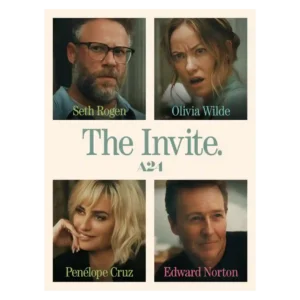
Penélope Cruz and Edward Norton are repeatedly praised as magnetic, funny, and unpredictable foils. Cruz brings seductive confidence and comic precision, while Norton balances smug charm with unexpected tenderness.
Lead performance
Bouchra
4.8
Meriem Bennani gives Bouchra a captivating, endearing voice presence. Her emotional openness and conversational naturalism make the character easy to sympathize with despite limited facial animation.
The Invite
5.0
Seth Rogen is repeatedly singled out for combining comic timing with deep, lived-in sadness, while Olivia Wilde earns career-best notices for anxious physical comedy and emotional vulnerability.
Acting performance
Bouchra
4.8
Natural, emotionally open voice work gives the animal characters vivid humanity. Hesitations, cracks, laughter, and conversational rhythms carry scenes that the facial animation cannot always express.
The Invite
4.8
The four leads are widely praised as a remarkably balanced ensemble, with several critics calling the work career-best. Even more mixed assessments agree the cast keeps the film lively.
Ownership and support
Rewatch value
Bouchra
4.7
Its layered realities, visual details, and cultural nuances reward another viewing, especially for audiences initially confused by the structure. Several responses also see it as a film with lasting queer-cinema value.
The Invite
4.8
The dense dialogue, layered performances, visual blocking, and ambiguous ending give the film strong repeat-viewing potential. The few explicit rewatch comments are highly enthusiastic.
Entertainment value
Bouchra
4.4
Witty banter, sensuality, imaginative visuals, and emotional sincerity make the film absorbing for viewers on its wavelength. Others may struggle with the scattered pacing and abrasive animation style.
The Invite
4.4
Despite its single location and talk-heavy structure, the film is widely considered a highly entertaining pressure cooker. Its combination of awkwardness, surprise, and star chemistry keeps the evening engaging.
Evidence available for one product
Controls and connectivity
Age appropriateness
Bouchra
3.5
The film is clearly aimed at adults and older mature viewers. Explicit sex scenes and complex queer family themes make it unsuitable for children despite the animated-animal presentation.
The InviteNo score yet
Other features
Animation quality
Bouchra
4.1
The hybrid animation is bold, intimate, and unlike mainstream studio work, with striking cityscapes and expressive details. Character motion can look stiff, blocky, or unfinished, which either strengthens the handmade feel or becomes distracting.
The InviteNo score yet
CGI quality
Bouchra
3.3
The retro 3D rendering gives the film a distinctive, deliberately uncanny identity, but stiff movement, sparse backgrounds, and uneven blending with live-action settings can expose its low-budget limitations.
The InviteNo score yet
Cultural representation
Bouchra
4.7
The film handles Moroccan, diasporic, multilingual, and queer identity with specificity and sensitivity. It avoids reducing the conflict to simple tradition-versus-modernity binaries.
The InviteNo score yet
Faithfulness to source material
BouchraNo score yet
The Invite
4.8
The adaptation remains close to the Spanish source while adding American detail, greater sensuality, and more character expansion. Several critics consider it an unusually successful U.S. remake.
Family friendliness
Bouchra
1.5
This is not a family-friendly animated movie. Explicit sexual material and adult relationship themes make it best reserved for mature audiences.
The InviteNo score yet
Language level
Bouchra
4.5
Arabic, French, and English intermingle in ways that reflect migration and divided identity. Hesitations, translations, and imperfect phrasing feel authentic rather than polished for convenience.
The InviteNo score yet
Runtime
BouchraNo score yet
The Invite
2.7
At roughly 107–108 minutes, the film feels tight and propulsive to some viewers but overlong to others. The most common concern is that the material could lose 15–20 minutes without sacrificing its emotional point.
Tonal consistency
BouchraNo score yet
The Invite
4.0
For most of its runtime, the film balances broad comedy, cringe, pathos, and sadness with impressive control. Several critics note that the late turn into darker emotion can feel choppy or forced.
Comfort and build
Sound design
Bouchra
4.5
The clatter of trains and carefully placed effects sharpen the contrast between realistic spaces and animated bodies, helping the hybrid world feel more immediate.
The InviteNo score yet
World-building
Bouchra
4.2
The adult animal world creates useful distance from autobiography and complicates familiar markers of identity and attraction. Some practical logic remains unexplained, but the dissonance is central to the film’s character.
A deeply human coming-of-age drama carried by remarkable performances and an honest portrayal of grief. Its gentle optimism moves most viewers, though some find the final stretch hurried or overly...
Billie Jean King’s magnetic first-person storytelling makes this an exhilarating portrait of athletic courage and social change. The filmmaking follows a familiar documentary structure, and her full tennis résumé gets...
Choose this inventive, unsettling documentary for fearless questioning, dark humor, and unpredictable storytelling. Skip it if you want a short, straightforward exposé with definitive answers.
A singular voice, powerful piano playing and intimate film photography make this concert absorbing for receptive listeners. Its uninterrupted, often similar-sounding songs and lack of background context are an acquired...