Scorata scores summarize analyzed review evidence on a 1–5 scale; they are not laboratory measurements or a simple average of customer star ratings. Feature scores summarize the reviews covering that feature. The overall score averages feature scores within each review, then combines review averages. When both expert and customer evidence are available, those two groups receive equal weight. Products can have different review coverage, so small score gaps do not establish a winner.
Recommendations prioritize important features for the category, with a score of at least 3.5, a gap of at least 0.25 points and at least two supporting reviews per product. Features with widely varying scores or broad connectivity contexts are excluded from recommendations. These safeguards do not establish statistical significance.
Quick verdict
What each product is best for
The review evidence points to a tradeoff: originality and audience appeal versus romance quality. Choose according to which strengths matter more to you; the overall score alone does not settle that choice.
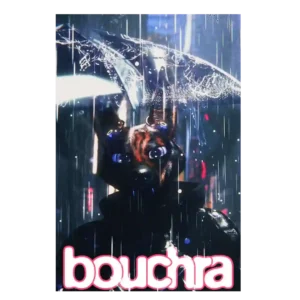
Choose Bouchra for originality and audience appeal.
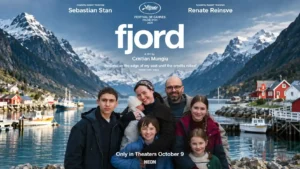
Choose Fjord for romance quality.
Why these recommendations?
Bouchra
Where It Has the Edge
originality is 4.8 vs 2.0. The metafictional story turns real conversations, memories, and storyboards into overlapping versions of the same life. That unusual...
audience appeal is 4.0 vs 2.5. Its emotional honesty can be deeply rewarding, especially for queer young adults and viewers open to experimental cinema....
visual style is 4.5 vs 4.3. The mix of photorealistic locations, anthropomorphic CG animals, neon shadow, and rough digital texture is bold and unforgettable....
Fjord
Where It Has the Edge
romance quality is 4.8 vs 3.9. The tentative connection between Elia and Noora supplies a particularly moving thread. Its emotional possibilities offer a counterpoint...
Bouchra4.3 overall score
Fjord3.8 overall score
Compare features
Scores are out of 5. Missing scores mean missing review evidence, not a missing feature.
Scored on both products
Other features
Language level
Bouchra
4.5
Arabic, French, and English intermingle in ways that reflect migration and divided identity. Hesitations, translations, and imperfect phrasing feel authentic rather than polished for convenience.
Fjord
1.5
A content-focused assessment criticizes the foul language as part of the material that makes careful adult viewing necessary.
Originality
Bouchra
4.8
The metafictional story turns real conversations, memories, and storyboards into overlapping versions of the same life. That unusual structure gives the familiar family-reconciliation premise a fresh shape.
Fjord
2.0
Several assessments find the accusation-driven legal conflict familiar, with too little freshness to distinguish it from other contemplative dramas.
Sexual content level
Bouchra
3.9
The explicit lesbian scenes are adult, unusual, and likely polarizing, but they are generally treated as emotionally and artistically purposeful. They add sensuality and queer freedom rather than functioning only as provocation.
Fjord
1.5
A conservative content assessment disapproves of the nudity and related material, recommending selective adult viewing rather than unrestricted family access.
Editing quality
Bouchra
2.5
The shifting timelines and metafictional layers can feel rushed or disjointed. Transitions occasionally make the passage of time and relationship between the film’s realities harder to follow than necessary.
Fjord
4.5
Sharp editing is credited with bringing the visual work and moral tension into a coherent whole.
Genre satisfaction
Bouchra
4.8
As queer animated docufiction, the film feels singular, heartfelt, and formally adventurous. Its blend of memoir, family drama, and experimental animation gives it lasting genre significance.
Fjord
2.8
The courtroom conflict works well for viewers drawn to intense accusations and legal maneuvering. Others find the procedural drama insufficiently thrilling or engaging outside those scenes.
Message quality
Bouchra
4.9
The film argues that honest communication and creative expression can help families confront long silences. Its hopeful message values empathy without pretending that every cultural or emotional fracture disappears.
Fjord
3.3
The plea for empathy across opposing beliefs strikes some as challenging and rewarding. Others think the film’s caricatured opposition and withheld details undermine that invitation.
Cultural representation
Bouchra
4.7
The film handles Moroccan, diasporic, multilingual, and queer identity with specificity and sensitivity. It avoids reducing the conflict to simple tradition-versus-modernity binaries.
Fjord
3.3
The Romanian-Norwegian culture clash raises worthwhile questions about assimilation and tolerance. Its presentation divides opinion between nuanced examination and an exaggerated portrait of progressive institutions.
Suspense
Bouchra
3.0
Suspense remains deliberately low-key, centered on emotional confrontation and the search for a coming-out letter rather than conventional danger or action.
Fjord
4.4
Quiet dread, selective disclosure, and the threat of permanent family separation sustain a strong slow burn. Not everyone finds the legal conflict equally thrilling.
Character development
Bouchra
4.1
Bouchra’s creative block, romantic uncertainty, and need for honest family dialogue give her a compelling inner journey. Some side characters and relationship strands remain fragmentary rather than fully developed.
Fjord
2.8
Character depth is one of the sharpest divides: some see revealing individuality and evolving relationships, while others find caricatured officials and too little access to the children.
Dialogue quality
Bouchra
4.5
The conversations sound unusually natural, with pauses, unfinished thoughts, teasing, and emotional restraint. Some everyday chatter can feel flat or banal, but that awkwardness often strengthens the realism.
Fjord
3.3
Long conversations can be engrossing enough to carry the lengthy runtime. The children’s English-language dialogue is criticized elsewhere as unnatural.
Realism
Bouchra
4.3
Real voices, culturally specific details, and natural conversation make the stylized animal world feel emotionally true. The animation can create distance, but it also protects and clarifies the personal material.
Fjord
3.1
The performances and muted presentation often feel convincingly natural. The speed and severity of the institutional response can nevertheless seem far-fetched or satirical.
Emotional impact
Bouchra
4.8
The film’s vulnerability, family pain, and gradual movement toward understanding can be deeply affecting. Quiet phone calls and small gestures often land more powerfully than its larger stylistic flourishes.
Fjord
3.8
Restrained moments of maternal loss provide some of the most affecting scenes. The broader experience divides viewers between powerful devastation and emotional distance.
Pacing
Bouchra
2.9
The reflective stretches can feel meditative and intimate, especially during family conversations. Elsewhere the film wanders, rushes between scenes, or loses momentum in its fragmented structure.
Fjord
3.9
Engrossing conversations and accumulating tension make the film fly by for many viewers. Others feel the long setup, unnecessary subplots, and eventual rush to the finish.
Theme depth
Bouchra
4.6
The film thoughtfully connects queerness, diaspora, artistic creation, family expectation, memory, and the identities people construct for one another. Its ideas are richer than its modest plot suggests.
Fjord
3.7
Questions of parenting, tolerance, institutional power, and rigid belief keep the film in viewers’ minds. Opinion divides over whether those ideas are deeply explored or presented with too little genuine moral difficulty.
Romance quality
Bouchra
3.9
Bouchra’s encounters capture attraction, awkwardness, ex-partner tension, and the complications of dating across languages and cultures. Some romantic strands are vivid but brief rather than fully developed.
Fjord
4.8
The tentative connection between Elia and Noora supplies a particularly moving thread. Its emotional possibilities offer a counterpoint to the adults’ restrictive assumptions.
Ending satisfaction
Bouchra
4.1
The closing movement offers warmth, catharsis, and a hopeful sense of reconciliation. A few critics found the resolution abrupt or too neat after such a fragmented journey.
Fjord
3.3
The final image stays with admirers, who find it earned, gripping, and open to reinterpretation. Others see a rushed resolution, an awkward fantastical flourish, or too little payoff after the long buildup.
Story quality
Bouchra
4.3
The intimate story of a queer filmmaker confronting years of family silence is heartfelt and culturally specific. Its emotional core is strong, though the episodic, self-referential construction can feel scattered.
Fjord
3.7
The family’s nightmare supports a gripping moral dilemma for admirers. Critics find that the expanding legal and ideological conflict sacrifices character insight and credible balance.
Family friendliness
Bouchra
1.5
This is not a family-friendly animated movie. Explicit sexual material and adult relationship themes make it best reserved for mature audiences.
Fjord
1.0
Self-harm, nudity, foul language, and distressing accusations make the film unsuitable as general family entertainment.
Directing quality
Bouchra
4.5
The directors turn private family material into formally daring, emotionally intimate cinema. Their ambition and sensitivity are widely admired, though the layered construction sometimes overwhelms the story’s clarity.
Fjord
4.1
Mungiu’s controlled staging and observational long takes receive substantial admiration. The main reservation concerns whether his selective framing allows a fair moral inquiry or quietly predetermines the answer.
Plot clarity
Bouchra
3.0
The split between present life, memory, and Bouchra’s developing film is intentionally porous but frequently confusing. The emotional throughline remains understandable even when the timeline does not.
Fjord
2.6
Strategic disclosures can keep earlier assumptions in flux. Complaints center on missing perspectives, confusing subplots, abrupt decisions, and strands that never receive a clear payoff.
Writing quality
Bouchra
3.8
The writing is strongest in intimate dialogue and culturally specific relationship details. Its layered metafiction is ambitious, though repetitive scenes and excess artifice sometimes weaken narrative momentum.
Fjord
3.6
Precisely constructed scenes and detailed arguments earn strong praise. Reservations concern conspicuous manipulation, simplified adversaries, and subplots that spread the story too thin.
Drama quality
Bouchra
4.8
The mother-daughter conflict is tender, painful, and emotionally substantial. Its strongest moments arrive when the film slows down and lets difficult conversations carry the drama.
Fjord
4.5
The family’s separation and legal fight can be riveting and devastating. Dissenters find the drama too manipulative, emotionally remote, or compelling only once it reaches the courtroom.
Humor
Bouchra
4.2
Dry banter, absurd ideas, and playful animal-world details provide welcome comic relief. The humor is understated and woven into natural conversations rather than built around conventional jokes.
Fjord
4.0
Punctuating dark comedy gives the otherwise severe moral conflict an uneasy sting. Some readings see the exaggerated bureaucracy edging toward satire.
Cinematography
Bouchra
4.4
Noirish New York, sunlit Casablanca, expressive close-ups, and neon nighttime compositions create a memorable visual atmosphere. The live-action environments often give the animated figures a tactile sense of place.
Fjord
4.6
The fjord, mountains, and luminous courtroom are repeatedly praised for their beauty. Wide compositions also turn the open landscape into a source of confinement and threat.
Cast chemistry
Bouchra
4.5
The mother-daughter exchanges feel intimate and lived-in, while Bouchra’s banter with Yani and tense reunion with Nikki bring warmth, humor, and sexual charge.
Fjord
4.5
Stan and Reinsve communicate a convincing marriage through small gestures, glances, and shifting physical distance. Their quiet responsiveness gives the family crisis weight.
Controls and connectivity
Age appropriateness
Bouchra
3.5
The film is clearly aimed at adults and older mature viewers. Explicit sex scenes and complex queer family themes make it unsuitable for children despite the animated-animal presentation.
Fjord
1.0
The disturbing family conflict and explicit content make this a poor choice for children or younger teens.
Critic appeal
Bouchra
4.8
The film’s formal ambition, emotional authenticity, and visual experimentation make it a strong critical and festival title, even if its avant-garde sensibility limits mainstream awards prospects.
Fjord
3.0
The critical response is notably divided, with admiration for the craft alongside arguments that the moral framework is biased.
Audience appeal
Bouchra
4.0
Its emotional honesty can be deeply rewarding, especially for queer young adults and viewers open to experimental cinema. The unconventional visuals, adult content, and wandering structure will be off-putting to some.
Fjord
2.5
The serious, unresolved conflict has selective appeal. Viewers seeking clear answers or a warm connection to the characters may struggle with its chilly approach.
Comfort and build
Production design
Bouchra
3.6
Real city footage, recreated interiors, textured architecture, and surreal set pieces create a rich hybrid world. Sparse or overly dark backgrounds sometimes flatten scenes and reduce emotional immediacy.
Fjord
4.8
The spectacular courtroom and contrast between warm interiors and icy scenery add considerable visual appeal.
Costume design
Bouchra
4.3
Bouchra’s stylish Prada-inflected wardrobe and the carefully chosen outfits help define the characters’ creative, urban worlds without feeling like generic fashion decoration.
Fjord
4.0
The restrained, conservative clothing helps establish the family’s beliefs and sense of separation from the surrounding community.
Visual style
Bouchra
4.5
The mix of photorealistic locations, anthropomorphic CG animals, neon shadow, and rough digital texture is bold and unforgettable. Its darkness and deliberate jankiness can be either mesmerizing or alienating.
Fjord
4.3
The cool blues, snowy landscape, and muted presentation are widely admired for their beauty and restraint. For some viewers the same aesthetic becomes oppressively gloomy.
Performance
Supporting cast performance
Bouchra
4.5
The supporting voices bring tenderness, vulnerability, humor, and believable conversational texture. Their natural delivery helps relationships feel human even when the animation is rigid.
Fjord
4.3
Carlehed and Lund-Olsen earn standout notices, and the young ensemble can convincingly convey disruption and vulnerability. One assessment finds the children within the central family wooden and stiff.
Lead performance
Bouchra
4.8
Meriem Bennani gives Bouchra a captivating, endearing voice presence. Her emotional openness and conversational naturalism make the character easy to sympathize with despite limited facial animation.
Fjord
4.7
The restrained lead performances are the film’s most consistent strength. Small physical details and controlled sorrow make the parents persuasive even when the surrounding story disappoints.
Acting performance
Bouchra
4.8
Natural, emotionally open voice work gives the animal characters vivid humanity. Hesitations, cracks, laughter, and conversational rhythms carry scenes that the facial animation cannot always express.
Fjord
4.8
The cast gives the legal ordeal much of its credibility, with restrained anger and grief doing more than overt outbursts. The lead work earns broad praise even from strongly negative assessments of the film.
Ownership and support
Entertainment value
Bouchra
4.4
Witty banter, sensuality, imaginative visuals, and emotional sincerity make the film absorbing for viewers on its wavelength. Others may struggle with the scattered pacing and abrasive animation style.
Fjord
4.5
Even several qualified assessments find the film involving and thought-provoking. Enthusiastic responses call it thoroughly satisfying, while its rewards depend heavily on engagement with the debate.
Rewatch value
Bouchra
4.7
Its layered realities, visual details, and cultural nuances reward another viewing, especially for audiences initially confused by the structure. Several responses also see it as a film with lasting queer-cinema value.
Fjord
4.8
The ending and early visual details give several viewers a strong reason to revisit the film and reconsider their first interpretation.
Evidence available for one product
Other features
Accent authenticity
BouchraNo score yet
Fjord
4.8
Stan’s Romanian-accented speech is praised as naturally absorbed into Mihai rather than a conspicuous performance detail.
Animation quality
Bouchra
4.1
The hybrid animation is bold, intimate, and unlike mainstream studio work, with striking cityscapes and expressive details. Character motion can look stiff, blocky, or unfinished, which either strengthens the handmade feel or becomes distracting.
FjordNo score yet
Atmosphere
BouchraNo score yet
Fjord
3.8
Beautiful, icy surroundings and quiet confrontations create sustained unease. That restraint feels gripping to some and airless or alienating to others.
Casting quality
BouchraNo score yet
Fjord
4.0
The leads are largely admired as persuasive choices, especially Stan’s disappearance into Mihai. One dissenting assessment finds Reinsve difficult to believe as a mother of five.
CGI quality
Bouchra
3.3
The retro 3D rendering gives the film a distinctive, deliberately uncanny identity, but stiff movement, sparse backgrounds, and uneven blending with live-action settings can expose its low-budget limitations.
FjordNo score yet
Character screen time
BouchraNo score yet
Fjord
2.1
The expansion into legal proceedings and public controversy can pull attention away from the children. Several assessments want more time with the younger siblings and the teenagers’ independent lives.
Ensemble balance
BouchraNo score yet
Fjord
2.3
The understated ensemble approach can feel appropriate to the subject, but the central couple’s dominance sometimes leaves the children and supporting perspectives underdeveloped.
Family dynamics
BouchraNo score yet
Fjord
4.3
The marriage and children’s bonds give the ideological clash personal stakes. Quiet affection, broken intimacy, and maternal anguish make the family believable even when its beliefs remain uncomfortable.
Fatherhood portrayal
BouchraNo score yet
Fjord
4.0
Mihai combines genuine love for his children with anger and rigid expectations. That layered portrayal resists an easy reading of him as either a saint or a simple villain.
Film framing
BouchraNo score yet
Fjord
4.5
Careful blocking, wide shots, and sustained takes encourage viewers to reconsider relationships as scenes unfold. The Norwegian flag and enclosing landscapes give institutional pressure a visible presence.
Friendship portrayal
BouchraNo score yet
Fjord
4.6
The teenagers’ friendship offers reciprocal curiosity, acceptance, and relief from adult dogma. Their bond is repeatedly seen as one of the film’s more hopeful and affecting elements.
LGBTQ+ representation
BouchraNo score yet
Fjord
3.3
The girls’ developing bond is praised for acceptance and emotional power. Other assessments object either to queer-coded institutional villains or, from a conservative perspective, to some of the queer dialogue.
Multilingual storytelling
BouchraNo score yet
Fjord
4.5
Language differences are valued as an active part of the story, shaping misunderstandings and the family’s ability to defend itself.
Plot twists
BouchraNo score yet
Fjord
4.5
New information repeatedly challenges early assumptions, making the moral conflict feel less settled as conversations unfold.
Religious messaging
BouchraNo score yet
Fjord
3.2
Faith is portrayed as both a source of communal resilience and a rigid set of restrictions. Responses split between admiration for that inquiry and criticism of apparent persecution rhetoric.
Runtime
BouchraNo score yet
Fjord
3.9
The lengthy runtime feels surprisingly brief when the conversations hold attention. Less engaged viewers find it tiring and would welcome a substantially shorter cut.
Score quality
Bouchra
5.0
Flavien Berger’s music deepens the film’s dreamy, nocturnal, and sensual atmosphere, making quiet scenes feel more emotionally charged.
FjordNo score yet
Villain quality
BouchraNo score yet
Fjord
2.3
The opposing lawyer can be a potent courtroom antagonist. More critical assessments see the officials as robotic straw men that weaken the central debate.
Violence level
BouchraNo score yet
Fjord
1.5
The content-focused criticism regards the violence and self-harm as reasons for adult caution, rather than praising their severity.
Controls and connectivity
Character appeal
BouchraNo score yet
Fjord
2.7
The parents’ restrictive values and opaque behavior make sympathy difficult for some viewers. Others find that challenge essential to the film’s power, while Noora offers a more accessible point of connection.
Comfort and build
Sound design
Bouchra
4.5
The clatter of trains and carefully placed effects sharpen the contrast between realistic spaces and animated bodies, helping the hybrid world feel more immediate.
FjordNo score yet
World-building
Bouchra
4.2
The adult animal world creates useful distance from autobiography and complicates familiar markers of identity and attraction. Some practical logic remains unexplained, but the dissonance is central to the film’s character.
FjordNo score yet
Performance
Soundtrack quality
Bouchra
4.5
Free jazz, Arabic music, radio, and DJ textures give the film an eclectic pulse and reinforce its movement between New York and Casablanca.
Choose this inventive, unsettling documentary for fearless questioning, dark humor, and unpredictable storytelling. Skip it if you want a short, straightforward exposé with definitive answers.
Best for a hypnotic, bookish mystery with tactile visuals and cerebral chills. Skip it if reading-heavy, attention-demanding storytelling sounds more exhausting than exciting.
Best for an intimate, searching documentary that rewards focused attention and invites discussion. Skip it when devastating grief, addiction footage, and unresolved family tensions would be too much.
Best for patient suspense, an unforgettable score, and an unsettling masked killer. Skip it for very young children or if you want to avoid intense scares; its restrained kills also...