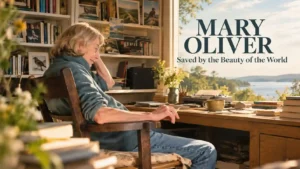
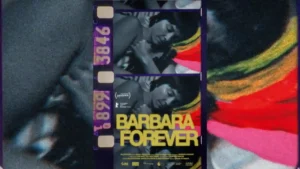
Mary Oliver: Saved by the Beauty of the World
Where It Has the Edge
- Biographical coverage is 4.0 vs 3.2. The portrait illuminates Oliver’s childhood, working habits, relationships, and slow path to recognition. Opinions differ on its depth:...

Scorata scores summarize analyzed review evidence on a 1–5 scale; they are not laboratory measurements or a simple average of customer star ratings. Feature scores summarize the reviews covering that feature. The overall score averages feature scores within each review, then combines review averages. When both expert and customer evidence are available, those two groups receive equal weight. Products can have different review coverage, so small score gaps do not establish a winner.
Recommendations prioritize important features for the category, with a score of at least 3.5, a gap of at least 0.25 points and at least two supporting reviews per product. Features with widely varying scores or broad connectivity contexts are excluded from recommendations. These safeguards do not establish statistical significance.
Quick verdict
The review evidence points to a tradeoff: Biographical coverage versus archival footage quality and entertainment value. Choose according to which strengths matter more to you; the overall score alone does not settle that choice.
Choose Mary Oliver: Saved by the Beauty of the World for Biographical coverage.
Choose Barbara Forever for archival footage quality and entertainment value.
Scores are out of 5. Missing scores mean missing review evidence, not a missing feature.
The thematic structure can feel scattered rather than linear. Emotional accessibility makes that loose organization work better than a conventional chronological account might suggest.
One assessment finds the film intermittently short on cohesion and focus, even while strongly endorsing its emotional impact.
The talking-head and archival structure is familiar rather than formally groundbreaking. Thoughtful assembly and occasional surprises keep that conventional approach worthwhile.
Several assessments welcome a biography that echoes its subject’s experimentation and avoids safe conventions. Another finds its underlying framework simplistic and familiar.
The portrait illuminates Oliver’s childhood, working habits, relationships, and slow path to recognition. Opinions differ on its depth: some call it an informative deep dive, while others see only glimpses of her private life.
The overview conveys Hammer’s range and introduces her work effectively, but cannot examine every film equally. Her aesthetic comes through more fully than her specific techniques.
A gentle, intimate atmosphere reflects Oliver’s attentiveness to the natural world. Its warmth is widely appreciated, though the sentimentality occasionally feels a little soft.
Tenderness and quiet melancholy give the documentary a well-realized bittersweet atmosphere.
Photographs, notebooks, recordings, and home movies give Oliver a vivid presence despite limited surviving video. Most praise the archival assembly, with one reservation about the shortage of footage of Oliver herself.
The archive supplies authentic, intimate images that make Hammer’s life feel close at hand. Careful curation also finds moving significance in ordinary home videos and personal materials.
The archival textures and Oliver’s own voice help ground a figure sometimes treated as mystical. The strongest accounts emphasize a real, complicated person rather than an idealized image.
Contemporaneous recordings and a gradual account of personal and artistic milestones make the portrait feel authentic and grounded.
Soft, meditative music supports the intimate mood. Its integration with nature imagery is praised for serving the story elegantly.
Taul Katz’s score is praised for beautifully complementing an affecting montage of medical and film imagery.
Some praise a poetic rhythm and effective dramatic momentum. Another finds the consistently relaxed delivery too slow.
Some enjoy the zippy overview or the room given to ordinary moments. Others find the structure tiring or the progression prone to wandering.
Most praise the fluent assembly of readings, interviews, photographs, and historical footage. One critic wishes the film would linger longer on readers before cutting to nature imagery.
Precise montage and the careful pairing of recordings with images are among the film’s strongest assets. The assembly is repeatedly praised even when the overall structure attracts criticism.
The life story gives formative experiences and years of struggle space before success arrives. Those early scenes can be fascinating and make perseverance meaningful.
The biographical storytelling is mostly admired for intimacy, creative assembly, and an effective sense of artistic evolution. A dissenting assessment finds its conventional framework occasionally tiring.
Waters and her collaborators turn limited moving-image archives into inventive visual passages. The joint editing also brings disparate historical footage together effectively.
The portrait benefits from the meeting of Hammer’s recorded art and O’Connor’s editorial sensibility. Trust and encouragement also gave the director room to experiment.
As a biographical documentary, the portrait earns unusually warm praise. One critic offers the highest compliment of believing Oliver herself would have liked it.
The film is widely praised as an engrossing biographical documentary and a successful tribute. Its artistic appeal often stands independently of the importance of its subject.
The film’s invitation to notice beauty, find community, and live authentically resonates strongly. Its themes of connection and attention give the tribute relevance beyond literary biography.
An affirmative message about representation, personal history, and preservation gives the film purpose. Its celebration of art and living can feel both moving and motivating.
The portrait usually earns praise for respecting Oliver while acknowledging criticism and painful experiences. Some want more skeptical voices or greater access to the private woman behind the poems.
The portrait is praised for respecting Hammer while avoiding a tidy, idealized success story. Its gradual account of her achievements helps keep the tribute grounded.
The film explains the deceptive simplicity of Oliver’s poetry and explores attention, belonging, mortality, and artistic persistence. Discussions of form and meaning deepen appreciation beyond familiar quotations.
Personal history opens into questions of queer visibility, artistic legacy, aging, illness, and preservation. Broader film-history passages help show why Hammer’s work matters beyond her biography.
The film preserves Oliver’s recorded voice and offers a valuable record of contemporary poets discussing her work. It makes these literary voices feel present and approachable.
The archive keeps Hammer’s life and queer artistic history vividly present, drawing praise for its power to carry an overlooked legacy forward. Ordinary recordings gain significance as part of a personal and communal historical record.
John Waters adds welcome levity through dry, irreverent, sometimes outrageous anecdotes. His humor repeatedly gives the more reflective material a refreshing lift.
The film’s humor is described as disarming, helping its artist portrait remain engaging and approachable.
Oliver’s long partnership with Molly Malone Cook emerges as a sustaining source of love, confidence, and creative stability. Several find its inclusion one of the portrait’s most rewarding elements.
Home footage of Hammer and her partner conveys an affectionate, tender romance. Its intimacy gains emotional weight from showing lesbian relationships rarely seen in contemporary media.
The readings and personal reflections create a deeply moving portrait, with moments of grief, wonder, and joy. Even the restrained presentation carries considerable emotional weight.
Tender relationship footage, reflections on legacy, and illness-related imagery deliver considerable emotional force. The intimacy remains powerful even for an assessment that questions the film’s focus.
Careful attention to Oliver’s voice and poems gives the film a gentle, purposeful shape. The familiar documentary format earns praise for thoughtful choices and affectionate craftsmanship.
O’Connor earns praise for making a personal, respectful tribute that feels alive rather than instructional. One assessment finds the structure conventional and tiring, despite the strong archival curation.
Oliver’s queer identity and enduring relationship receive warm, respectful attention. The portrait values her authentic life without treating activism as a requirement for significance.
The portrait gives lesbian lives and queer artistic history an affirming, visible place on screen. It powerfully connects personal expression with the value of community representation.
Nature, animal, and landscape images are praised for their beauty. These passages give the poetry a visually rich setting.
Striking compositions, luminous archival recordings, and sparkling close-ups make the photographed imagery a visual strength.
Nature imagery and textured film passages often make the poems feel tangible and beautiful. Some find the stock footage distracting, overly literal, repetitive, or closer to filler.
Dreamlike passages, tactile images, and striking montages give the documentary a vivid aesthetic. Its expressive archive makes the portrait feel intimate and visually rich.
Candid material and earnest feeling make the documentary engaging. Its quiet presentation can still be captivating.
An engrossing, intimate experience emerges from the archive, with several enthusiastic endorsements of its entertainment value. The strongest praise treats it as a compelling film in its own right.
The spoken poems are praised for their beautiful delivery. Hearing them aloud lets their emotional power come through.
Hammer’s recorded voice gives the portrait presence and emotional force. The fluid joining of younger and older recordings makes her memories especially engaging.
The imagery can make portions of the poetry understandable to a young child. The reported positive response covers only a partial viewing and does not establish that the whole film suits that age.
The open-hearted, accessible presentation makes Oliver’s life and work feel welcoming. It favors emotional connection over academic argument.
The title feels fitting for a poet whose life and work are so closely tied to nature. It captures the importance of the world’s beauty to her.
The mix of poets, friends, and famous admirers generally reflects Oliver’s wide reach without eclipsing her. Celebrity readers initially feel intrusive to one critic, though their genuine attachment helps justify their presence.
The film creates a warm, intimate portrait of a complicated person, tracing gradual changes rather than reducing her life to an overnight success. Her determination, relationships, and artistic curiosity come through clearly.
The documentary effectively places Hammer within queer cultural history and shows the wider significance of her work. Community footage strengthens the sense of an enduring influence.
The documentary feels closely attuned to Oliver’s sensibility and independent spirit. Its affectionate approach is praised for staying true to her.
Poems and images can support worthwhile parent-child engagement during a partial viewing. Later adult subjects limit how broadly that experience can be recommended for families.
The portrait maintains a respectful distance from Oliver’s private life. Friends’ boundaries shape a tribute that values discretion rather than intimate disclosure.
The inclusion of important personal connections gives the portrait humanity and resists presenting its artist as isolated.
Friends and fellow poets bring candid anecdotes, thoughtful analysis, and revealing context. John Waters repeatedly stands out for mixing insight with irreverent humor.
Full readings, reflective commentary, and expressive imagery bring Oliver’s poems to life. The presentation is widely praised, though inconsistent poem identification can make it harder to follow up on individual works.
The imagery celebrates women’s bodies as vulnerable, powerful, and worthy of attention across ages and beyond restrictive beauty standards.
The running time can feel less purposeful when the film wanders and bounces between material. That reservation does not erase its emotional strength.
The sexual and bodily imagery is appreciated for its affirming, celebratory role in depicting queer lives. Its uninhibited presentation helps express pleasure and a rejection of shame.
The consistently even tone can feel too uniform. One critic links that lack of variation to a slow viewing experience.
John Waters endorses the film’s account of Oliver’s later partner Anne as accurate. That approval concerns a specific part of the personal biography.
The interplay of image and sound is warmly described as a rich sensory experience, connecting sex, love, life, and death.

Choose this inventive, unsettling documentary for fearless questioning, dark humor, and unpredictable storytelling. Skip it if you want a short, straightforward exposé with definitive answers.
Pros: originality, humor

Best for a hypnotic, bookish mystery with tactile visuals and cerebral chills. Skip it if reading-heavy, attention-demanding storytelling sounds more exhausting than exciting.
Pros: Atmosphere, cinematography
Cons: audience appeal

Best for an intimate, searching documentary that rewards focused attention and invites discussion. Skip it when devastating grief, addiction footage, and unresolved family tensions would be too much.
Pros: emotional impact, theme depth

Best for patient suspense, an unforgettable score, and an unsettling masked killer. Skip it for very young children or if you want to avoid intense scares; its restrained kills also...
Pros: directing quality, score quality
Cons: message quality