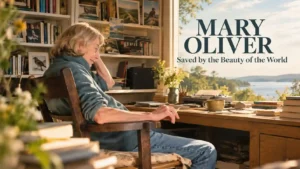
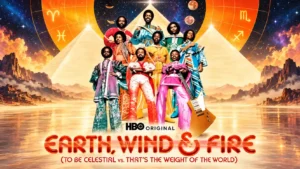
Mary Oliver: Saved by the Beauty of the World
Where It Has the Edge
No clear scored advantage over the other product.

Scorata scores summarize analyzed review evidence on a 1–5 scale; they are not laboratory measurements or a simple average of customer star ratings. Feature scores summarize the reviews covering that feature. The overall score averages feature scores within each review, then combines review averages. When both expert and customer evidence are available, those two groups receive equal weight. Products can have different review coverage, so small score gaps do not establish a winner.
Recommendations prioritize important features for the category, with a score of at least 3.5, a gap of at least 0.25 points and at least two supporting reviews per product. Features with widely varying scores or broad connectivity contexts are excluded from recommendations. These safeguards do not establish statistical significance.
Quick verdict
The available evidence supports the recommendation below, but does not establish an overall winner. Check the remaining features against your priorities.
There is not enough comparable review evidence to recommend Mary Oliver: Saved by the Beauty of the World over the other product.
Choose Earth, Wind & Fire (To Be Celestial vs. That’s the Weight of the World) for Biographical coverage and Atmosphere.
No clear scored advantage over the other product.
Scores are out of 5. Missing scores mean missing review evidence, not a missing feature.
The consistently even tone can feel too uniform. One critic links that lack of variation to a slow viewing experience.
The film handles switches between profundity, absurdity, and darker personal history without losing its celebratory spirit. Its respect for White generally leaves room for nuance.
The film’s invitation to notice beauty, find community, and live authentically resonates strongly. Its themes of connection and attention give the tribute relevance beyond literary biography.
Forgiveness gives the reunion story a healing payoff. A more skeptical view finds the busy structure weakens the film’s larger argument for recognizing the band’s artistic importance.
The portrait illuminates Oliver’s childhood, working habits, relationships, and slow path to recognition. Opinions differ on its depth: some call it an informative deep dive, while others see only glimpses of her private life.
The film offers a broad portrait of the band’s evolution through Maurice White’s life, influences, and contradictions. Its completeness is valued, though chronology and the concentration on White can limit deeper exploration.
A gentle, intimate atmosphere reflects Oliver’s attentiveness to the natural world. Its warmth is widely appreciated, though the sentimentality occasionally feels a little soft.
The film’s cosmic atmosphere draws viewers into the band’s spiritual world and the mood of the 1970s.
Some praise a poetic rhythm and effective dramatic momentum. Another finds the consistently relaxed delivery too slow.
Many admire the energetic flow and the balance between technical explanation and momentum. Others find stretches too checklist-like or too rushed to let songs breathe.
As a biographical documentary, the portrait earns unusually warm praise. One critic offers the highest compliment of believing Oliver herself would have liked it.
Most regard this as a rich and rewarding music documentary that goes beyond a routine celebration. One critic sees a greatest-hits survey where a deeper reassessment should have been.
Waters and her collaborators turn limited moving-image archives into inventive visual passages. The joint editing also brings disparate historical footage together effectively.
The documentary effectively recognizes the collaborators who helped turn Maurice White’s vision into the band’s distinctive sound.
The thematic structure can feel scattered rather than linear. Emotional accessibility makes that loose organization work better than a conventional chronological account might suggest.
The structure usually clarifies difficult spiritual ideas and assembles interviews into a cohesive account. Its fragmented, sometimes abstract passages can feel sprawling.
Soft, meditative music supports the intimate mood. Its integration with nature imagery is praised for serving the story elegantly.
The Roots’ floaty ambient score evokes the muted grooves of period self-help recordings and White’s metaphysical interests.
The film explains the deceptive simplicity of Oliver’s poetry and explores attention, belonging, mortality, and artistic persistence. Discussions of form and meaning deepen appreciation beyond familiar quotations.
Spiritual ambition, childhood wounds, and the personal costs of success give the film substantial depth. The more skeptical accounts find that career milestones sometimes replace meaningful investigation.
Photographs, notebooks, recordings, and home movies give Oliver a vivid presence despite limited surviving video. Most praise the archival assembly, with one reservation about the shortage of footage of Oliver herself.
Rare footage is a major strength, making the band’s peak performances vivid and giving viewers a sense of a front-row seat. The archive often brings theatrical spectacle and musical history to life.
The film preserves Oliver’s recorded voice and offers a valuable record of contemporary poets discussing her work. It makes these literary voices feel present and approachable.
The extensive rare archive and comprehensive history are valued as a vivid record of the band and an important piece of musical culture.
The talking-head and archival structure is familiar rather than formally groundbreaking. Thoughtful assembly and occasional surprises keep that conventional approach worthwhile.
The approach can feel like a conventional chronological checklist, although its cosmic collage also earns praise for experiential flair. Its originality is less consistently admired than its musical enthusiasm.
The life story gives formative experiences and years of struggle space before success arrives. Those early scenes can be fascinating and make perseverance meaningful.
The story usually balances musical celebration with a haunting account of ambition and strained relationships. Some stretches feel like a career checklist, and one critic finds the whole account too close to an authorized greatest-hits tour.
John Waters adds welcome levity through dry, irreverent, sometimes outrageous anecdotes. His humor repeatedly gives the more reflective material a refreshing lift.
Humor emerges naturally from candid interviews and surprising stories about familiar songs. The revelation about Reasons and Richie’s rivalry recollections are particularly amusing.
Most praise the fluent assembly of readings, interviews, photographs, and historical footage. One critic wishes the film would linger longer on readers before cutting to nature imagery.
The editing often matches the music’s energy while making technical detail engaging and clear. Frequent commentary breaks frustrate a critic who wants more time with complete performances.
The readings and personal reflections create a deeply moving portrait, with moments of grief, wonder, and joy. Even the restrained presentation carries considerable emotional weight.
The music and reunion scenes often create joy, nostalgia, and a strong emotional lift. A dissenting view finds White’s vision more intellectually described than emotionally felt.
Friends and fellow poets bring candid anecdotes, thoughtful analysis, and revealing context. John Waters repeatedly stands out for mixing insight with irreverent humor.
The interviews are widely admired for candor, humor, and musical discoveries. Personal memories make familiar songs feel fresh, with Stevie Wonder and Marilyn White among the standout voices.
Careful attention to Oliver’s voice and poems gives the film a gentle, purposeful shape. The familiar documentary format earns praise for thoughtful choices and affectionate craftsmanship.
Questlove’s musical knowledge and enthusiasm bring the band’s history to life with inventive archive choices and inviting interviews. The main criticism is that his competing approaches can leave the film unfocused.
The portrait usually earns praise for respecting Oliver while acknowledging criticism and painful experiences. Some want more skeptical voices or greater access to the private woman behind the poems.
Most praise the refusal to hide White’s control, infidelity, or conflicts behind the music’s optimism. One critic finds the missing founder’s perspective insufficiently integrated and the portrait uneven.
Nature imagery and textured film passages often make the poems feel tangible and beautiful. Some find the stock footage distracting, overly literal, repetitive, or closer to filler.
Kinetic cutting, vivid animation, and experimental imagery give the presentation energy and a cosmic texture. Its sensory collage often echoes the band’s own philosophy.
The open-hearted, accessible presentation makes Oliver’s life and work feel welcoming. It favors emotional connection over academic argument.
The infectious musical celebration is expected to engage viewers strongly enough to get them dancing.
The title feels fitting for a poet whose life and work are so closely tied to nature. It captures the importance of the world’s beauty to her.
The colorful, unwieldy title is seen as fitting the film’s ambitious portrait and its contrast between aspiration and personal costs.
Candid material and earnest feeling make the documentary engaging. Its quiet presentation can still be captivating.
The film is broadly judged joyful, educational, and highly entertaining. The music maintains its appeal even when the storytelling draws criticism.
The imagery can make portions of the poetry understandable to a young child. The reported positive response covers only a partial viewing and does not establish that the whole film suits that age.
The film helps listeners understand how the songs work through musical breakdowns, precise cuts, and accessible technical detail. These explanations can make even familiar tracks sound newly revealing.
The spoken poems are praised for their beautiful delivery. Hearing them aloud lets their emotional power come through.
Animation is generally praised for its vibrancy and for visualizing White’s abstract spiritual ideas. It also helps convey the band’s experimental character.
The narrative’s heavy concentration on Maurice White leaves other members with less independent attention. The handling of his absent voice also draws criticism for an imbalance of perspective.
The mix of poets, friends, and famous admirers generally reflects Oliver’s wide reach without eclipsing her. Celebrity readers initially feel intrusive to one critic, though their genuine attachment helps justify their presence.
Nature, animal, and landscape images are praised for their beauty. These passages give the poetry a visually rich setting.
The film usually succeeds in showing a legacy extending beyond hit songs into sampling, cultural memory, and continued influence. A dissenting critic thinks it stops short of the fuller reassessment the band deserves.
The account of a band crossing racial boundaries is praised for capturing a consequential part of its musical journey.
The portrait draws power from the tragic contrast between White’s ambitions and personal wounds. The Hall of Fame reconciliation supplies a particularly moving dramatic peak.
The concluding celebration of September is praised as a glorious and joyous way to finish the band’s story.
The documentary feels closely attuned to Oliver’s sensibility and independent spirit. Its affectionate approach is praised for staying true to her.
The family perspectives add valuable context to White’s ambitions and strained attachments. Their candor makes the contrast between public unity and private damage more revealing.
Poems and images can support worthwhile parent-child engagement during a partial viewing. Later adult subjects limit how broadly that experience can be recommended for families.
White’s competing commitments and the wounds behind his relationships receive thoughtful attention. Family accounts reveal the costs of a father’s overwhelming devotion to his work.
The portrait maintains a respectful distance from Oliver’s private life. Friends’ boundaries shape a tribute that values discretion rather than intimate disclosure.
Oliver’s queer identity and enduring relationship receive warm, respectful attention. The portrait values her authentic life without treating activism as a requirement for significance.
The filmed levitation illusion is praised as amazing and mesmerizing, conveying the scale of the band’s theatrical spectacle.
Full readings, reflective commentary, and expressive imagery bring Oliver’s poems to life. The presentation is widely praised, though inconsistent poem identification can make it harder to follow up on individual works.
The archival textures and Oliver’s own voice help ground a figure sometimes treated as mystical. The strongest accounts emphasize a real, complicated person rather than an idealized image.
Oliver’s long partnership with Molly Malone Cook emerges as a sustaining source of love, confidence, and creative stability. Several find its inclusion one of the portrait’s most rewarding elements.
The two-hour survey can feel overpacked, moving through decades too quickly to linger over complete songs or develop every idea.
The title is deliberately cumbersome, even though it captures the film’s expansive subject.
The extraordinary onstage and offstage outfits add a striking visual dimension to the band’s presentation.
John Waters endorses the film’s account of Oliver’s later partner Anne as accurate. That approval concerns a specific part of the personal biography.
The songs remain infectious, varied, and emotionally potent, with familiar tracks frequently presented in ways that refresh their appeal. Even the skeptical account credits the music with keeping the film entertaining.

Choose this inventive, unsettling documentary for fearless questioning, dark humor, and unpredictable storytelling. Skip it if you want a short, straightforward exposé with definitive answers.
Pros: originality, humor

Best for a hypnotic, bookish mystery with tactile visuals and cerebral chills. Skip it if reading-heavy, attention-demanding storytelling sounds more exhausting than exciting.
Pros: Atmosphere, cinematography
Cons: audience appeal

Best for an intimate, searching documentary that rewards focused attention and invites discussion. Skip it when devastating grief, addiction footage, and unresolved family tensions would be too much.
Pros: emotional impact, theme depth

Best for patient suspense, an unforgettable score, and an unsettling masked killer. Skip it for very young children or if you want to avoid intense scares; its restrained kills also...
Pros: directing quality, score quality
Cons: message quality