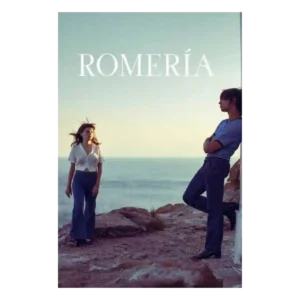

Romería
Where It Has the Edge
- theme depth is 5.0 vs 4.5. The film thoughtfully explores identity, inherited shame, memory, forgiveness, and the need to repair the past before building...

Scorata scores summarize analyzed review evidence on a 1–5 scale; they are not laboratory measurements or a simple average of customer star ratings. Feature scores summarize the reviews covering that feature. The overall score averages feature scores within each review, then combines review averages. When both expert and customer evidence are available, those two groups receive equal weight. Products can have different review coverage, so small score gaps do not establish a winner.
Recommendations prioritize important features for the category, with a score of at least 3.5, a gap of at least 0.25 points and at least two supporting reviews per product. Features with widely varying scores or broad connectivity contexts are excluded from recommendations. These safeguards do not establish statistical significance.
Quick verdict
The review evidence points to a tradeoff: theme depth versus emotional impact. Choose according to which strengths matter more to you; the overall score alone does not settle that choice.
Choose Romería for theme depth.
Choose Golden Arm for emotional impact.
Scores are out of 5. Missing scores mean missing review evidence, not a missing feature.
Sunlit realism, fuzzy DV footage, grainy flashbacks, and dreamlike fantasy combine into a rich and memorable visual design, even when style occasionally outweighs clarity.
The grounded visual approach is a weak point for the harshest assessment, which wanted the movie to embrace a bolder, more exaggerated parody aesthetic.
The gradual uncovering of hidden illness, addiction, and family betrayal gives the quiet drama a steady investigative pull.
The preliminary arm-wrestling bouts can lack buildup and tension, making the competition less gripping until the stronger final match.
The parents’ youthful love is presented with warmth and sensual beauty before addiction and illness darken the relationship.
The romance is a secondary and divisive element. Shared interests and easy conversation work for one take, while others find the relationship forced, abrupt, or underdeveloped.
The underlying family mystery is familiar and not especially surprising, but the film’s personal framing and visual approach give it freshness.
Predictability is the clearest recurring weakness: the movie follows recognizable sports, buddy-comedy, and romance beats. Some praise how it refreshes those tropes with a women-led arm-wrestling setting, but the structure itself rarely surprises.
Marina’s reserve suits the story, but a few critics found her difficult to read and wished her emotional arc were more fully defined.
Melanie’s growth from timid and self-doubting to confident and forceful is one of the movie’s strongest arcs. Danny and some of the colorful side characters draw criticism for needing more depth.
The closing stretch gives Marina meaningful agency and a stronger connection to her parents, with several critics highlighting the final scene as especially beautiful and rewarding.
The finale splits opinion: one take calls the climactic win satisfying and cheer-worthy, while another finds the final act rushed and sloppy.
The personal search for identity and family truth is tender, compelling, and thoughtfully constructed, though its low-key mystery offers more emotional than narrative momentum.
The familiar underdog story is usually carried by charm, strong relationships, and comedy, though a few takes find it thin or merely serviceable. Its warmth tends to matter more than plot complexity.
The loose family scenes feel natural and lived-in, even if one critic found the style slightly generic before the film moves into fantasy.
The film gives its eccentric arm-wrestling world enough textured reality to feel lived-in rather than merely treating the sport as a joke.
The deliberate rhythm supports observation and emotional accumulation, but repeated diary interludes and a wandering middle caused several critics to find it slow or overextended.
The road-trip structure often gives the movie brisk momentum, especially once the pair starts traveling and training. A weaker camp sees a shaky or slow second act and, in one case, a rushed final stretch.
The sunlit Galician coast is photographed with exceptional texture and beauty, often turning water, skin, and landscape into the film’s most immediate pleasures.
The photography receives straightforward praise for being well shot and visually competent.
Carla Simón handles painful autobiographical material with patience, restraint, and visual confidence. The late fantasy turn is bold, though not everyone found it fully integrated.
Maureen Bharoocha’s direction is generally praised for brisk energy, clear comic staging, and organically introducing the arm-wrestling world. One negative assessment wishes the style had gone further into heightened parody.
The interwoven diary, DV footage, present-day scenes, and imagined past are often assembled with impressive flow, although one tonal transition divided opinion.
The training montages are singled out for tight editing and rank among the movie’s strongest sequences.
The film makes a resonant case that confronting painful family history can create freedom, identity, and a more honest future.
The friendship and empowerment message is generally warm, inspiring, and unexpectedly thoughtful. One more reserved take likes the heart but wishes the message felt more elevated or distinctive.
The screenplay is strongest when revealing family lies through small gestures and contradictory conversations. Some critics found the structure diffuse, discursive, or emotionally underfocused.
The script earns praise for clever dialogue, inspired comic bits, and sincere relationship material. Its main liability is familiarity, with one strongly negative take calling the writing cliché-bound and suffocatingly predictable.
As a quiet coming-of-age family drama with autobiographical and magical-realist elements, it strongly satisfies viewers drawn to subtle European art-house storytelling.
The blend of comedy, road movie, and underdog sports story is usually a good fit, with the women’s sports angle giving it personality. One sports-movie fan wishes the balance leaned more heavily toward arm wrestling.
The film thoughtfully explores identity, inherited shame, memory, forgiveness, and the need to repair the past before building a future.
Female friendship, self-confidence, and empowerment give the comedy more substance than its goofy premise suggests. The themes land warmly, though one critic wanted the messaging pushed further.
The search for buried family truth is frequently moving, heartbreaking, and restorative. Its quiet approach lands deeply for many, though a few found the emotions held at too much distance.
Beneath the silliness, the movie lands as joyful and inspiring when its friendship and empowerment themes click.
The film thoughtfully connects one family’s wounds to Spain’s heroin and AIDS crisis, class divisions, regional identity, and lingering social stigma.
The women-led sports world and emphasis on female friendship are widely valued, especially when the film treats its competitors with affection rather than mockery. Its feminist and anti-degrading-women ideas give the silliness extra purpose.
The family drama is intimate, intelligent, and often gripping without relying on loud confrontations. Its controlled tone can also feel muted to viewers seeking sharper conflict.
The dramatic side of the sport strengthens the character-building without crowding out the comedy, giving the competition more emotional purpose.
Small family observations and recognizable personality clashes provide welcome humor without undercutting the story’s grief.
Comedy is a major draw for most takes, especially the lead banter, timing, and oddball supporting characters. A minority finds the jokes too obvious, too slapdash, or simply not funny enough.
The family ensemble feels convincingly chaotic and intimate, while Marina’s connection with Nuno adds a deliberately uneasy spark.
Holland and Sodaro’s odd-couple friendship chemistry is one of the strongest points of agreement, repeatedly described as excellent, endearing, or brilliant. The romantic chemistry is much less convincing for one dissenting take.
Its layered imagery, family details, and emotional subtext give it strong repeat-viewing appeal for admirers of slow, personal cinema.
Repeat appeal is polarized: enthusiastic fans want to watch it again or can imagine wearing it out, while one comedy-focused take expects the jokes to lose their staying power.
Despite its contemplative pace, lively family scenes and a memorable dance sequence keep the film engaging. Its appeal depends heavily on patience for understated drama.
Most assessments find the movie fun, charming, and easy to enjoy, sometimes exuberantly so. The main dissent ranges from merely okay background viewing to a spirited film that still falls short.
For art-house audiences, the striking coastal imagery and standout dance sequence offer a theatrical experience worth seeing on a large screen.
At a $7 rental price, the movie was considered clearly worth paying for, even with acknowledged flaws.
This is best suited to viewers who enjoy patient Spanish dramas, family-history mysteries, and subtle emotional conflict rather than fast-moving plotting.
The movie has strong crowd-pleasing potential for viewers who enjoy broad comedy, underdog sports stories, and warm female friendships. Its silliness and formula make it more taste-dependent for a smaller group.
The cast is consistently strong, with natural ensemble interplay that makes the sprawling family feel lived-in and convincing.
The ensemble is a major strength, with the central performances repeatedly described as charming, hilarious, and capable of carrying thin material. Even a harsher take blames the restrictive archetypes more than a lack of talent.
Llúcia Garcia is the clear standout, bringing warmth, restraint, curiosity, and growing resolve to Marina. Her dual role in the imagined past adds another layer to an impressive debut.
Mary Holland and Betsy Sodaro are consistently treated as the movie’s engine. Their contrasting comic styles, warmth, and commitment often turn a familiar script into an easy recommendation.
The supporting ensemble creates a believable web of affection, resentment, guilt, and long-established family habits.
The supporting cast adds sharp comic texture, with Dot-Marie Jones and other character actors frequently singled out for making small roles memorable.
Training montages and the climactic match provide the strongest sports-action moments, while some earlier bouts feel underbuilt or too brief. One take simply wanted more arm wrestling overall.
Casting is repeatedly treated as the reason the movie works: Holland and Sodaro anchor a deep bench of comic performers. Even criticism of the ensemble tends to argue that the talent deserved stronger material.
The combined writing and performance work turns the wrestling competition into a useful symbol for Melanie’s growth, giving the comic premise genuine character meaning.
The movie drew repeated predictions of cult appeal, with its offbeat women’s arm-wrestling premise and comic energy seen as the kind of combination that could build a lasting niche following.
The dialogue is praised as clever, with the cast helping throwaway lines land as sharper, funnier exchanges.
Melanie and Danny’s friendship is the emotional core, praised as warm, believable, supportive, and capable of surviving conflict. Their platonic bond is often more compelling than the sports plot itself.
The comedy leans into conspicuously bawdy, in-your-face language. It is treated as part of the film’s comic personality rather than a decisive flaw, but the tone is not restrained.
The large family, conflicting accounts, and shifting timelines can be difficult to track. The ending also moves quickly enough that some practical details remain unclear.
At nearly two hours, the restrained journey can feel longer than its relatively simple administrative premise requires.
The string score adds unease, but one critic found its arch tone mismatched with Marina’s inward, passive perspective.
The light, self-aware charm works beautifully for one take, while another finds the movie stuck awkwardly between sincere and silly. Tone is therefore more divisive than the lead chemistry.
Wardrobe choices quietly reinforce family history and identity, with clothing details serving as meaningful visual clues rather than decoration.
Small design details help distinguish generations, spaces, and parallel timelines while grounding the family’s wealth and emotional history.
Careful attention to coastal ambience, household texture, and remembered sounds strengthens the film’s intimate, diary-like atmosphere.
The women’s arm-wrestling circuit feels distinctive, colorful, and surprisingly interesting. Its costumes, personas, bars, and competitors invite curiosity, though one take wishes the movie had explored that world much more deeply.

Choose this inventive, unsettling documentary for fearless questioning, dark humor, and unpredictable storytelling. Skip it if you want a short, straightforward exposé with definitive answers.
Pros: originality, humor

Extraordinary performances and richly observed relationships make this a rewarding, emotionally forceful drama. Its nearly three-hour length and slow opening demand patience and undivided attention.
Pros: class commentary, character development

Best for a hypnotic, bookish mystery with tactile visuals and cerebral chills. Skip it if reading-heavy, attention-demanding storytelling sounds more exhausting than exciting.
Pros: Atmosphere, cinematography
Cons: audience appeal

Best for an intimate, searching documentary that rewards focused attention and invites discussion. Skip it when devastating grief, addiction footage, and unresolved family tensions would be too much.
Pros: emotional impact, theme depth