Scorata scores summarize analyzed review evidence on a 1–5 scale; they are not laboratory measurements or a simple average of customer star ratings. Feature scores summarize the reviews covering that feature. The overall score averages feature scores within each review, then combines review averages. When both expert and customer evidence are available, those two groups receive equal weight. Products can have different review coverage, so small score gaps do not establish a winner.
Recommendations prioritize important features for the category, with a score of at least 3.5, a gap of at least 0.25 points and at least two supporting reviews per product. Features with widely varying scores or broad connectivity contexts are excluded from recommendations. These safeguards do not establish statistical significance.
Quick verdict
What each product is best for
The review evidence points to a tradeoff: ending satisfaction and story quality versus character development and originality. Choose according to which strengths matter more to you; the overall score alone does not settle that choice.
Choose Romería for ending satisfaction and story quality.
Choose Bouchra for character development and originality.
Why these recommendations?
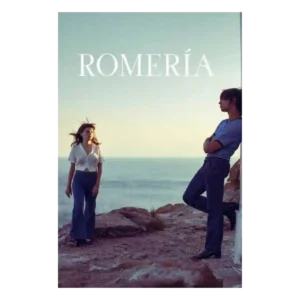
Romería
Where It Has the Edge
ending satisfaction is 5.0 vs 4.1. The closing stretch gives Marina meaningful agency and a stronger connection to her parents, with several critics highlighting...
story quality is 4.8 vs 4.3. The personal search for identity and family truth is tender, compelling, and thoughtfully constructed, though its low-key mystery...
cinematography is 4.9 vs 4.4. The sunlit Galician coast is photographed with exceptional texture and beauty, often turning water, skin, and landscape into...
Bouchra
Where It Has the Edge
character development is 4.1 vs 2.3. Bouchra’s creative block, romantic uncertainty, and need for honest family dialogue give her a compelling inner journey. Some...
originality is 4.8 vs 4.1. The metafictional story turns real conversations, memories, and storyboards into overlapping versions of the same life. That unusual...
Romería4.5 overall score
Bouchra4.3 overall score
Compare features
Scores are out of 5. Missing scores mean missing review evidence, not a missing feature.
Scored on both products
Other features
Score quality
Romería
2.5
The string score adds unease, but one critic found its arch tone mismatched with Marina’s inward, passive perspective.
Bouchra
5.0
Flavien Berger’s music deepens the film’s dreamy, nocturnal, and sensual atmosphere, making quiet scenes feel more emotionally charged.
Editing quality
Romería
4.3
The interwoven diary, DV footage, present-day scenes, and imagined past are often assembled with impressive flow, although one tonal transition divided opinion.
Bouchra
2.5
The shifting timelines and metafictional layers can feel rushed or disjointed. Transitions occasionally make the passage of time and relationship between the film’s realities harder to follow than necessary.
Character development
Romería
2.3
Marina’s reserve suits the story, but a few critics found her difficult to read and wished her emotional arc were more fully defined.
Bouchra
4.1
Bouchra’s creative block, romantic uncertainty, and need for honest family dialogue give her a compelling inner journey. Some side characters and relationship strands remain fragmentary rather than fully developed.
Suspense
Romería
4.5
The gradual uncovering of hidden illness, addiction, and family betrayal gives the quiet drama a steady investigative pull.
Bouchra
3.0
Suspense remains deliberately low-key, centered on emotional confrontation and the search for a coming-out letter rather than conventional danger or action.
Ending satisfaction
Romería
5.0
The closing stretch gives Marina meaningful agency and a stronger connection to her parents, with several critics highlighting the final scene as especially beautiful and rewarding.
Bouchra
4.1
The closing movement offers warmth, catharsis, and a hopeful sense of reconciliation. A few critics found the resolution abrupt or too neat after such a fragmented journey.
Originality
Romería
4.1
The underlying family mystery is familiar and not especially surprising, but the film’s personal framing and visual approach give it freshness.
Bouchra
4.8
The metafictional story turns real conversations, memories, and storyboards into overlapping versions of the same life. That unusual structure gives the familiar family-reconciliation premise a fresh shape.
Romance quality
Romería
4.5
The parents’ youthful love is presented with warmth and sensual beauty before addiction and illness darken the relationship.
Bouchra
3.9
Bouchra’s encounters capture attraction, awkwardness, ex-partner tension, and the complications of dating across languages and cultures. Some romantic strands are vivid but brief rather than fully developed.
Story quality
Romería
4.8
The personal search for identity and family truth is tender, compelling, and thoughtfully constructed, though its low-key mystery offers more emotional than narrative momentum.
Bouchra
4.3
The intimate story of a queer filmmaker confronting years of family silence is heartfelt and culturally specific. Its emotional core is strong, though the episodic, self-referential construction can feel scattered.
Cinematography
Romería
4.9
The sunlit Galician coast is photographed with exceptional texture and beauty, often turning water, skin, and landscape into the film’s most immediate pleasures.
Bouchra
4.4
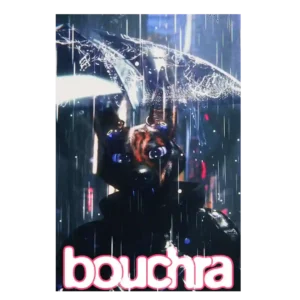
Noirish New York, sunlit Casablanca, expressive close-ups, and neon nighttime compositions create a memorable visual atmosphere. The live-action environments often give the animated figures a tactile sense of place.
Theme depth
Romería
5.0
The film thoughtfully explores identity, inherited shame, memory, forgiveness, and the need to repair the past before building a future.
Bouchra
4.6
The film thoughtfully connects queerness, diaspora, artistic creation, family expectation, memory, and the identities people construct for one another. Its ideas are richer than its modest plot suggests.
Pacing
Romería
2.6
The deliberate rhythm supports observation and emotional accumulation, but repeated diary interludes and a wandering middle caused several critics to find it slow or overextended.
Bouchra
2.9
The reflective stretches can feel meditative and intimate, especially during family conversations. Elsewhere the film wanders, rushes between scenes, or loses momentum in its fragmented structure.
Realism
Romería
4.0
The loose family scenes feel natural and lived-in, even if one critic found the style slightly generic before the film moves into fantasy.
Bouchra
4.3
Real voices, culturally specific details, and natural conversation make the stylized animal world feel emotionally true. The animation can create distance, but it also protects and clarifies the personal material.
Cultural representation
Romería
5.0
The film thoughtfully connects one family’s wounds to Spain’s heroin and AIDS crisis, class divisions, regional identity, and lingering social stigma.
Bouchra
4.7
The film handles Moroccan, diasporic, multilingual, and queer identity with specificity and sensitivity. It avoids reducing the conflict to simple tradition-versus-modernity binaries.
Directing quality
Romería
4.8
Carla Simón handles painful autobiographical material with patience, restraint, and visual confidence. The late fantasy turn is bold, though not everyone found it fully integrated.
Bouchra
4.5
The directors turn private family material into formally daring, emotionally intimate cinema. Their ambition and sensitivity are widely admired, though the layered construction sometimes overwhelms the story’s clarity.
Genre satisfaction
Romería
5.0
As a quiet coming-of-age family drama with autobiographical and magical-realist elements, it strongly satisfies viewers drawn to subtle European art-house storytelling.
Bouchra
4.8
As queer animated docufiction, the film feels singular, heartfelt, and formally adventurous. Its blend of memoir, family drama, and experimental animation gives it lasting genre significance.
Emotional impact
Romería
4.5
The search for buried family truth is frequently moving, heartbreaking, and restorative. Its quiet approach lands deeply for many, though a few found the emotions held at too much distance.
Bouchra
4.8
The film’s vulnerability, family pain, and gradual movement toward understanding can be deeply affecting. Quiet phone calls and small gestures often land more powerfully than its larger stylistic flourishes.
Humor
Romería
4.0
Small family observations and recognizable personality clashes provide welcome humor without undercutting the story’s grief.
Bouchra
4.2
Dry banter, absurd ideas, and playful animal-world details provide welcome comic relief. The humor is understated and woven into natural conversations rather than built around conventional jokes.
Plot clarity
Romería
2.8
The large family, conflicting accounts, and shifting timelines can be difficult to track. The ending also moves quickly enough that some practical details remain unclear.
Bouchra
3.0
The split between present life, memory, and Bouchra’s developing film is intentionally porous but frequently confusing. The emotional throughline remains understandable even when the timeline does not.
Message quality
Romería
5.0
The film makes a resonant case that confronting painful family history can create freedom, identity, and a more honest future.
Bouchra
4.9
The film argues that honest communication and creative expression can help families confront long silences. Its hopeful message values empathy without pretending that every cultural or emotional fracture disappears.
Drama quality
Romería
4.7
The family drama is intimate, intelligent, and often gripping without relying on loud confrontations. Its controlled tone can also feel muted to viewers seeking sharper conflict.
Bouchra
4.8
The mother-daughter conflict is tender, painful, and emotionally substantial. Its strongest moments arrive when the film slows down and lets difficult conversations carry the drama.
Writing quality
Romería
3.8
The screenplay is strongest when revealing family lies through small gestures and contradictory conversations. Some critics found the structure diffuse, discursive, or emotionally underfocused.
Bouchra
3.8
The writing is strongest in intimate dialogue and culturally specific relationship details. Its layered metafiction is ambitious, though repetitive scenes and excess artifice sometimes weaken narrative momentum.
Cast chemistry
Romería
4.5
The family ensemble feels convincingly chaotic and intimate, while Marina’s connection with Nuno adds a deliberately uneasy spark.
Bouchra
4.5
The mother-daughter exchanges feel intimate and lived-in, while Bouchra’s banter with Yani and tense reunion with Nikki bring warmth, humor, and sexual charge.
Comfort and build
Production design
Romería
4.5
Small design details help distinguish generations, spaces, and parallel timelines while grounding the family’s wealth and emotional history.
Bouchra
3.6
Real city footage, recreated interiors, textured architecture, and surreal set pieces create a rich hybrid world. Sparse or overly dark backgrounds sometimes flatten scenes and reduce emotional immediacy.
Visual style
Romería
4.9
Sunlit realism, fuzzy DV footage, grainy flashbacks, and dreamlike fantasy combine into a rich and memorable visual design, even when style occasionally outweighs clarity.
Bouchra
4.5
The mix of photorealistic locations, anthropomorphic CG animals, neon shadow, and rough digital texture is bold and unforgettable. Its darkness and deliberate jankiness can be either mesmerizing or alienating.
Costume design
Romería
4.0
Wardrobe choices quietly reinforce family history and identity, with clothing details serving as meaningful visual clues rather than decoration.
Bouchra
4.3
Bouchra’s stylish Prada-inflected wardrobe and the carefully chosen outfits help define the characters’ creative, urban worlds without feeling like generic fashion decoration.
Sound design
Romería
4.5
Careful attention to coastal ambience, household texture, and remembered sounds strengthens the film’s intimate, diary-like atmosphere.
Bouchra
4.5
The clatter of trains and carefully placed effects sharpen the contrast between realistic spaces and animated bodies, helping the hybrid world feel more immediate.
Performance
Supporting cast performance
Romería
5.0
The supporting ensemble creates a believable web of affection, resentment, guilt, and long-established family habits.
Bouchra
4.5
The supporting voices bring tenderness, vulnerability, humor, and believable conversational texture. Their natural delivery helps relationships feel human even when the animation is rigid.
Acting performance
Romería
5.0
The cast is consistently strong, with natural ensemble interplay that makes the sprawling family feel lived-in and convincing.
Bouchra
4.8
Natural, emotionally open voice work gives the animal characters vivid humanity. Hesitations, cracks, laughter, and conversational rhythms carry scenes that the facial animation cannot always express.
Lead performance
Romería
4.9
Llúcia Garcia is the clear standout, bringing warmth, restraint, curiosity, and growing resolve to Marina. Her dual role in the imagined past adds another layer to an impressive debut.
Bouchra
4.8
Meriem Bennani gives Bouchra a captivating, endearing voice presence. Her emotional openness and conversational naturalism make the character easy to sympathize with despite limited facial animation.
Ownership and support
Entertainment value
Romería
4.8
Despite its contemplative pace, lively family scenes and a memorable dance sequence keep the film engaging. Its appeal depends heavily on patience for understated drama.
Bouchra
4.4
Witty banter, sensuality, imaginative visuals, and emotional sincerity make the film absorbing for viewers on its wavelength. Others may struggle with the scattered pacing and abrasive animation style.
Rewatch value
Romería
5.0
Its layered imagery, family details, and emotional subtext give it strong repeat-viewing appeal for admirers of slow, personal cinema.
Bouchra
4.7
Its layered realities, visual details, and cultural nuances reward another viewing, especially for audiences initially confused by the structure. Several responses also see it as a film with lasting queer-cinema value.
Controls and connectivity
Audience appeal
Romería
4.0
This is best suited to viewers who enjoy patient Spanish dramas, family-history mysteries, and subtle emotional conflict rather than fast-moving plotting.
Bouchra
4.0
Its emotional honesty can be deeply rewarding, especially for queer young adults and viewers open to experimental cinema. The unconventional visuals, adult content, and wandering structure will be off-putting to some.
Evidence available for one product
Controls and connectivity
Age appropriateness
RomeríaNo score yet
Bouchra
3.5
The film is clearly aimed at adults and older mature viewers. Explicit sex scenes and complex queer family themes make it unsuitable for children despite the animated-animal presentation.
Critic appeal
RomeríaNo score yet
Bouchra
4.8
The film’s formal ambition, emotional authenticity, and visual experimentation make it a strong critical and festival title, even if its avant-garde sensibility limits mainstream awards prospects.
Other features
Animation quality
RomeríaNo score yet
Bouchra
4.1
The hybrid animation is bold, intimate, and unlike mainstream studio work, with striking cityscapes and expressive details. Character motion can look stiff, blocky, or unfinished, which either strengthens the handmade feel or becomes distracting.
CGI quality
RomeríaNo score yet
Bouchra
3.3
The retro 3D rendering gives the film a distinctive, deliberately uncanny identity, but stiff movement, sparse backgrounds, and uneven blending with live-action settings can expose its low-budget limitations.
Dialogue quality
RomeríaNo score yet
Bouchra
4.5
The conversations sound unusually natural, with pauses, unfinished thoughts, teasing, and emotional restraint. Some everyday chatter can feel flat or banal, but that awkwardness often strengthens the realism.
Family friendliness
RomeríaNo score yet
Bouchra
1.5
This is not a family-friendly animated movie. Explicit sexual material and adult relationship themes make it best reserved for mature audiences.
Language level
RomeríaNo score yet
Bouchra
4.5
Arabic, French, and English intermingle in ways that reflect migration and divided identity. Hesitations, translations, and imperfect phrasing feel authentic rather than polished for convenience.
Runtime
Romería
2.5
At nearly two hours, the restrained journey can feel longer than its relatively simple administrative premise requires.
BouchraNo score yet
Sexual content level
RomeríaNo score yet
Bouchra
3.9
The explicit lesbian scenes are adult, unusual, and likely polarizing, but they are generally treated as emotionally and artistically purposeful. They add sensuality and queer freedom rather than functioning only as provocation.
Performance
Soundtrack quality
RomeríaNo score yet
Bouchra
4.5
Free jazz, Arabic music, radio, and DJ textures give the film an eclectic pulse and reinforce its movement between New York and Casablanca.
Ownership and support
Value for money
Romería
5.0
For art-house audiences, the striking coastal imagery and standout dance sequence offer a theatrical experience worth seeing on a large screen.
BouchraNo score yet
Comfort and build
World-building
RomeríaNo score yet
Bouchra
4.2
The adult animal world creates useful distance from autobiography and complicates familiar markers of identity and attraction. Some practical logic remains unexplained, but the dissonance is central to the film’s character.
A deeply human coming-of-age drama carried by remarkable performances and an honest portrayal of grief. Its gentle optimism moves most viewers, though some find the final stretch hurried or overly...
Billie Jean King’s magnetic first-person storytelling makes this an exhilarating portrait of athletic courage and social change. The filmmaking follows a familiar documentary structure, and her full tennis résumé gets...
Choose this inventive, unsettling documentary for fearless questioning, dark humor, and unpredictable storytelling. Skip it if you want a short, straightforward exposé with definitive answers.
A singular voice, powerful piano playing and intimate film photography make this concert absorbing for receptive listeners. Its uninterrupted, often similar-sounding songs and lack of background context are an acquired...