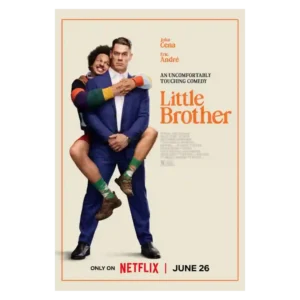
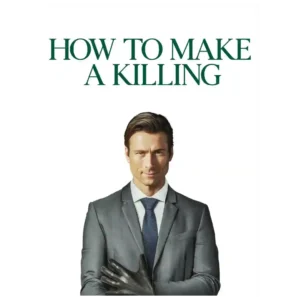
Little Brother
Where It Has the Edge
No clear scored advantage over the other product.

Scorata scores summarize analyzed review evidence on a 1–5 scale; they are not laboratory measurements or a simple average of customer star ratings. Feature scores summarize the reviews covering that feature. The overall score averages feature scores within each review, then combines review averages. When both expert and customer evidence are available, those two groups receive equal weight. Products can have different review coverage, so small score gaps do not establish a winner.
Recommendations prioritize important features for the category, with a score of at least 3.5, a gap of at least 0.25 points and at least two supporting reviews per product. Features with widely varying scores or broad connectivity contexts are excluded from recommendations. These safeguards do not establish statistical significance.
Quick verdict
The available evidence supports the recommendation below, but does not establish an overall winner. Check the remaining features against your priorities.
There is not enough comparable review evidence to recommend Little Brother over the other product.
Choose How to Make a Killing for acting performance.
No clear scored advantage over the other product.
Scores are out of 5. Missing scores mean missing review evidence, not a missing feature.
The dialogue is extremely explicit, with graphic references to sex, masturbation, arousal, and genitals. Viewers sensitive to crude language are unlikely to be comfortable.
A customer specifically praised the relatively restrained language, viewing it as a point in favor of teen suitability.
The movie pushes graphic sexual jokes, nudity, and explicit situations far beyond typical mainstream comedy. Even some positive viewers consider the material excessive or unnecessarily gross.
One customer approvingly notes that there is no sex, helping make the film feel less explicit than its R-rated premise suggests.
Negative viewers feel the comedy wears out its welcome well before the end. Repetition makes the roughly feature-length runtime feel longer than it is.
The roughly 100–110 minute length is usually manageable, though some feel the film either drags or needs more time to develop its crowded cast.
Despite its family theme, the movie is packed with graphic sexual jokes, nudity, profanity, and gross-out material. It is not a comfortable all-ages or family-night choice.
One customer felt the restrained sexual content and language made it more teen-suitable than the premise might suggest.
The screenplay is the most consistent weakness, repeatedly described as predictable, underwritten, low-effort, and overly reliant on crude set pieces. A few clever early ideas and heartfelt themes never fully overcome that structure.
The script has clever ideas and occasional sharp scenes, but exposition, thin characterization, and underdeveloped themes keep it from fully landing.
As an R-rated buddy comedy, it delivers enough chaos and irreverence for some viewers. Many others feel it misses the sharper timing and tonal control of the genre’s best examples.
It works best for viewers who accept it as a light dark-comedy thriller; critics wanting sharper farce or tougher suspense are often disappointed.
The film’s ideas about brotherhood, second chances, inequality, and chosen family give it more substance than its premise suggests. Even positive reactions note that some of those ideas are only lightly developed.
The class-and-greed commentary sometimes resonates, but a common criticism is that the satire stays obvious, shallow, or less incisive than it promises.
The musical score is serviceable but leaves little memorable impression. It rarely stands out from the rest of the production.
Emile Mosseri’s score is a notable craft strength, praised for giving the movie momentum and a distinctive propulsive texture.
Marcus receives the most affecting development through his abandonment and found-family arc. Rudd’s growth works for some viewers but feels predictable or unearned to others.
Character depth is a recurring weakness: Becket’s motives and several supporting players are often described as thin, rushed, or underwritten.
John Cena and Eric André’s odd-couple chemistry is the movie’s most consistent strength. Their contrasting styles create energy even when the writing around them feels familiar.
Chemistry varies by pairing. Becket and Ruth earn some warm praise, while other romantic dynamics are described as forced or unconvincing.
The found-family premise has genuine warmth, but the story is thin, predictable, and tonally unstable. Stronger reactions connect with Marcus’s need for belonging; weaker ones see only set pieces linked by formula.
The inheritance-murder premise has obvious appeal, but opinions split on whether the story remains engaging or becomes repetitive and implausible.
Matt Spicer earns praise for staging individual visual gags and building certain jokes efficiently. The larger film is more often criticized for lifeless stretches and an inability to balance sweetness with abrasive chaos.
John Patton Ford draws praise for visual control and some set-pieces, yet several critics fault his tonal decisions and handling of the remake.
The humor is the biggest dividing line: supporters enjoy the physical disasters, committed performances, and outrageous set pieces. Detractors find the same material repetitive, desperate, tasteless, or simply unfunny.
The comedy is inconsistent. Some scenes and supporting performances draw real laughs, but many critics say the film never becomes funny enough.
The plot follows an obvious outsider-disrupts-an-uptight-man formula with few surprises. The found-family angle adds heart, but not much novelty.
Customers often find the murder-inheritance setup fun or fresh, while critics repeatedly point out how closely it echoes earlier films and familiar genre beats.
The film touches on inequality, bullying, insecurity, social services, and chosen family. Those themes are promising but rarely developed deeply enough to match the comedy’s louder surface.
The film raises worthwhile questions about greed, class, contentment, and entitlement, but many critics say it stops short of exploring them deeply.
The sibling drama adds welcome sincerity, especially around Marcus’s abandonment. Its emotional side is less consistent than the comedy and does not always earn the intended payoff.
The film finds occasional gravitas, especially late, but many critics say its serious dramatic side never earns enough emotional investment.
The opening setup and some escalating gags move briskly, but the middle often loses momentum. Several viewers describe long generic stretches or a second act that hits the brakes.
Pacing is uneven across the set. Some call it brisk and fleet-footed, while others find the middle repetitive, sluggish, or poorly proportioned.
The ending is warmly received when its family reconciliation connects, but several critics find it predictable, rushed, or emotionally underpowered. The final payoff rarely feels surprising.
The ending is sharply divisive: some viewers love the twists and coda, while others find the resolution contrived or unsatisfying.
The found-family material gives the comedy genuine warmth for some viewers, especially through Marcus. Others find the sentimental turns abrupt, shoehorned, or too underdeveloped to land.
There are isolated moments of genuine feeling, but much of the film is described as emotionally distant, hollow, or hard to invest in.
The romantic material has a sweet core, particularly in the quieter relationship moments. The Mia-and-Marcus thread is underdeveloped and never receives enough room to fully work.
The Ruth relationship provides warmth and a moral counterweight, but several critics find the romance too thin, perfunctory, or underdeveloped.
The photography has a clean, serviceable Netflix look and avoids appearing cheap. It supports the comedy without becoming a major attraction on its own.
The polished, grainy photography is widely admired, with several critics singling out the lighting, texture, and camera work.
The biggest credibility problem is how readily nearly everyone embraces Marcus while dismissing Rudd’s reasonable concerns. Several character reactions feel engineered for the formula rather than believable.
Plausibility is one of the sharpest recurring complaints, especially around the FBI, forensic gaps, and how easily Becket gets away with repeated murders.
The dialogue sharply divides opinion: one critic enjoyed its elaborately constructed smut, while another could not identify a single funny line. Much depends on the viewer’s appetite for graphic wordplay.
A few quips and bits of repartee land, but narration-heavy exposition and a shortage of sharper wit are frequent complaints.
The tightly compressed editing limits the time Cena and André spend developing their strongest comic dynamic. The movie can feel cut for efficiency rather than rhythm.
A few critics argue that protracted or loosely shaped passages sap momentum and blunt the film’s comic-thriller rhythm.
The explicit sexual jokes, nudity, and bodily-function humor make this a poor fit for children. Even viewers who enjoyed it treated it as an adults-only comedy.
One customer considered the restrained sex and language suitable for younger teens, despite the movie’s murder-heavy premise.
Its appeal is narrow and highly dependent on tolerance for crude, chaotic humor. Some found it an easy streaming watch, while others considered it disposable or actively unpleasant.
Audience reactions lean warmer than the critic consensus, with many calling it watchable, fun, or worth seeing even when imperfect.
The use of Hoobastank’s “The Reason” creates a memorable comic and emotional beat. Music otherwise receives little attention.
One video review found the song choices overused, arguing that the film leans on too many needle drops.
The leads remain charismatic, but one harsh assessment finds the roles handcuff their natural comic abilities. Cena’s tightly wound straight-man part draws more criticism than André’s chaos agent.
Glen Powell is the clearest consensus strength, repeatedly praised for charisma and likability even by critics who think he is miscast or too mild.
The cast is often stronger than the material, with several critics praising the performers’ commitment and comic skill. Negative reactions focus more on how the roles constrain that talent than on a lack of ability.
The cast is one of the film’s steadier strengths, with many viewers praising the ensemble even when the material around them feels uneven.
The supporting ensemble contains several strong comic performers who make an impression when given room. The recurring complaint is that Michelle Monaghan, Sherry Cola, Ego Nwodim, Caleb Hearon, and others are underused.
The supporting ensemble is frequently praised, especially Zach Woods, Bill Camp, Topher Grace, Jessica Henwick, and Margaret Qualley, despite limited screen time.
As part of an existing Netflix subscription, some consider it an acceptable casual watch. The harshest reactions say it would feel like poor value as a paid theatrical experience.
Value reactions are polarized: some customers felt rentals were worthwhile, while others explicitly wanted a refund or said it was not worth paying for.
Some enthusiastic viewers expect to watch it again or consider it highly rewatchable. Others say one viewing is enough and expect the movie to be quickly forgotten.
Repeat appeal looks limited overall: a few viewers would watch again, but others explicitly call it forgettable or a one-time watch.
Reactions range from genuinely fun and laugh-out-loud to dull and barely watchable. It works best as a casual streaming comedy for viewers already receptive to its stars and extreme humor.
Reactions are mixed overall. Many customers found it fun and easy to watch, while a large share of critics called it dull, forgettable, or underwhelming.
The movie benefits from a good eye for visual gags and readable slapstick staging. Its strongest images serve the physical comedy rather than creating a distinctive overall look.
The film’s slick, colorful, polished look is a regular positive, even among critics who think the style never fully coheres with the tone.
The murder set-pieces can be brisk, clever, and tense, but several critics found later deaths too throwaway or lacking in impact.
The modern reworking of Kind Hearts and Coronets divides critics, with a few admiring the update but many finding it far weaker than its inspiration.
The confession structure helps some viewers follow the story, but others find the narration cumbersome and the timeline or logic needlessly confusing.
The framing device and predictability often weaken suspense, though several viewers still enjoy the late-game tension and third-act escalation.
Tone is one of the most repeated weaknesses, with the movie often described as caught between farce, noir, thriller, and moral drama.
The violence is generally restrained rather than graphic; some appreciate the wry approach, while others wanted more bite from the murder set-pieces.
Wardrobe choices add polish and noir flavor, especially Julia’s fashion, though one critic wished the film did more with its costume possibilities.
The wealthy settings and glossy surfaces help sell the Redfellows’ world, giving the movie a convincingly lavish presentation.
One critic broadly praised how strong the film looks and sounds, though sound-specific commentary is otherwise scarce.
Early reactions were reported as positive, but the broader critical response represented here is substantially more divided and often cool.

Choose this inventive, unsettling documentary for fearless questioning, dark humor, and unpredictable storytelling. Skip it if you want a short, straightforward exposé with definitive answers.
Pros: originality, humor
Best for a hypnotic, bookish mystery with tactile visuals and cerebral chills. Skip it if reading-heavy, attention-demanding storytelling sounds more exhausting than exciting.
Pros: Atmosphere, cinematography
Cons: audience appeal

Best for an intimate, searching documentary that rewards focused attention and invites discussion. Skip it when devastating grief, addiction footage, and unresolved family tensions would be too much.
Pros: emotional impact, theme depth

Best for patient suspense, an unforgettable score, and an unsettling masked killer. Skip it for very young children or if you want to avoid intense scares; its restrained kills also...
Pros: directing quality, score quality
Cons: message quality