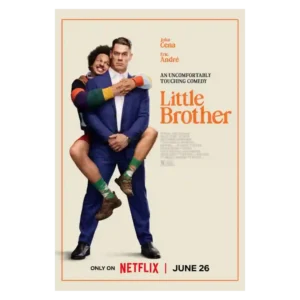

Little Brother
Where It Has the Edge
No clear scored advantage over the other product.

Scorata scores summarize analyzed review evidence on a 1–5 scale; they are not laboratory measurements or a simple average of customer star ratings. Feature scores summarize the reviews covering that feature. The overall score averages feature scores within each review, then combines review averages. When both expert and customer evidence are available, those two groups receive equal weight. Products can have different review coverage, so small score gaps do not establish a winner.
Recommendations prioritize important features for the category, with a score of at least 3.5, a gap of at least 0.25 points and at least two supporting reviews per product. Features with widely varying scores or broad connectivity contexts are excluded from recommendations. These safeguards do not establish statistical significance.
Quick verdict
The available evidence supports the recommendation below, but does not establish an overall winner. Check the remaining features against your priorities.
There is not enough comparable review evidence to recommend Little Brother over the other product.
Choose Voicemails for Isabelle for theme depth and ending satisfaction.
No clear scored advantage over the other product.
Scores are out of 5. Missing scores mean missing review evidence, not a missing feature.
As part of an existing Netflix subscription, some consider it an acceptable casual watch. The harshest reactions say it would feel like poor value as a paid theatrical experience.
One highly enthusiastic response says the film would have justified a theatrical ticket, not just a streaming click. Its emotional and entertainment payoff can feel unusually strong for Netflix rom-com fare.
Reactions range from genuinely fun and laugh-out-loud to dull and barely watchable. It works best as a casual streaming comedy for viewers already receptive to its stars and extreme humor.
The movie is funny, moving, and easy to enjoy despite evident flaws. Its emotional warmth and magnetic lead performance make it a strong comfort-watch candidate.
Some enthusiastic viewers expect to watch it again or consider it highly rewatchable. Others say one viewing is enough and expect the movie to be quickly forgotten.
Cathartic emotion, humor, memorable music, and comfort-romance familiarity give it strong repeat-watch potential. Its warmest scenes are built to be revisited.
The screenplay is the most consistent weakness, repeatedly described as predictable, underwritten, low-effort, and overly reliant on crude set pieces. A few clever early ideas and heartfelt themes never fully overcome that structure.
The screenplay combines sharp, character-based humor with an openhearted treatment of grief. Its self-aware rom-com references can become heavy-handed.
The dialogue sharply divides opinion: one critic enjoyed its elaborately constructed smut, while another could not identify a single funny line. Much depends on the viewer’s appetite for graphic wordplay.
The dialogue is strongest when it captures inside jokes, banter, and humor rooted in character history. Its witty, touching exchanges help the relationships feel lived in.
Matt Spicer earns praise for staging individual visual gags and building certain jokes efficiently. The larger film is more often criticized for lifeless stretches and an inability to balance sweetness with abrasive chaos.
The direction handles grief, comedy, and romance with confidence and sells individual emotional moments. Polished cuteness occasionally blunts the darker implications of Wes’s behavior.
The film touches on inequality, bullying, insecurity, social services, and chosen family. Those themes are promising but rarely developed deeply enough to match the comedy’s louder surface.
The film finds substantial depth in grief, identity, sisterhood, workplace sexism, and the fear of moving forward. Those serious ideas sometimes deserve more space beyond the rom-com framework.
The tightly compressed editing limits the time Cena and André spend developing their strongest comic dynamic. The movie can feel cut for efficiency rather than rhythm.
The early chop-chop editing gives the kitchen scenes energy, strengthens jokes, and mirrors Jill’s frantic routine. Momentum becomes less consistent once the central deception takes over.
The ending is warmly received when its family reconciliation connects, but several critics find it predictable, rushed, or emotionally underpowered. The final payoff rarely feels surprising.
The finale is moving, uplifting, and satisfyingly full-circle. Its weakest point is how quickly Wes is forgiven and how lightly his actions are punished.
The found-family premise has genuine warmth, but the story is thin, predictable, and tonally unstable. Stronger reactions connect with Marcus’s need for belonging; weaker ones see only set pieces linked by formula.
The grief-and-sisterhood story gives familiar rom-com material uncommon heart and meaning. The film becomes lighter, staler, and less convincing whenever the romance overwhelms that core.
The found-family material gives the comedy genuine warmth for some viewers, especially through Marcus. Others find the sentimental turns abrupt, shoehorned, or too underdeveloped to land.
The sisterhood, loss, and farewell scenes are the film’s clearest triumph, repeatedly prompting tears without losing warmth. Even mixed reviews acknowledge the opening’s emotional force.
As an R-rated buddy comedy, it delivers enough chaos and irreverence for some viewers. Many others feel it misses the sharper timing and tonal control of the genre’s best examples.
As a nostalgic rom-com, it delivers familiar pleasures and affectionate nods to the genre’s 1990s peak. The formula also restricts a more serious and psychologically interesting movie.
The humor is the biggest dividing line: supporters enjoy the physical disasters, committed performances, and outrageous set pieces. Detractors find the same material repetitive, desperate, tasteless, or simply unfunny.
The comedy lands through Jill’s rants, inside jokes, and eccentric kitchen characters. Comic relief occasionally interrupts the grief too aggressively.
The sibling drama adds welcome sincerity, especially around Marcus’s abandonment. Its emotional side is less consistent than the comedy and does not always earn the intended payoff.
The drama begins as a tear-jerker and transitions into romance while retaining poignant notes. Its grief remains more convincing than its lighter romantic machinery.
The plot follows an obvious outsider-disrupts-an-uptight-man formula with few surprises. The found-family angle adds heart, but not much novelty.
The plot heavily echoes You’ve Got Mail, Sleepless in Seattle, Love Again, and other rom-com templates. A few appreciate the voicemail update, but most see the structure as predictable and derivative.
Marcus receives the most affecting development through his abandonment and found-family arc. Rudd’s growth works for some viewers but feels predictable or unearned to others.
Jill and Isabelle’s bond is established with vivid personality and believable history, giving Jill’s grief real psychological weight. Wes also receives some welcome softness beyond the generic romantic-lead template.
The movie pushes graphic sexual jokes, nudity, and explicit situations far beyond typical mainstream comedy. Even some positive viewers consider the material excessive or unnecessarily gross.
Sexual references, comic encounters, and suggestive scenes are frequent enough to limit suitability for families. The material feels prominent and relentless rather than occasional.
The photography has a clean, serviceable Netflix look and avoids appearing cheap. It supports the comedy without becoming a major attraction on its own.
The visuals range from glossy and romantic to blandly streaming-generic. San Francisco locations provide the strongest and most distinctive visual asset.
The dialogue is extremely explicit, with graphic references to sex, masturbation, arousal, and genitals. Viewers sensitive to crude language are unlikely to be comfortable.
Profanity and rude sexual dialogue are harsher and more frequent than the rating may suggest. The language is unsuitable for anyone seeking a restrained romantic comedy.
Negative viewers feel the comedy wears out its welcome well before the end. Repetition makes the roughly feature-length runtime feel longer than it is.
The near-two-hour runtime is one of the clearest weaknesses. Trimming workplace detours and repeated setup would create a tighter, more persuasive romance.
The romantic material has a sweet core, particularly in the quieter relationship moments. The Mia-and-Marcus thread is underdeveloped and never receives enough room to fully work.
The romance is sweet, optimistic, and highly watchable, but it is also the film’s most divisive element. Wes’s use of private voicemails can make the courtship feel creepy or unearned.
The film’s ideas about brotherhood, second chances, inequality, and chosen family give it more substance than its premise suggests. Even positive reactions note that some of those ideas are only lightly developed.
The film’s message is that grief does not disappear, love cannot fix everything, and moving forward is not the same as forgetting. Its feminist emphasis on Jill’s self-recovery is also warmly received.
John Cena and Eric André’s odd-couple chemistry is the movie’s most consistent strength. Their contrasting styles create energy even when the writing around them feels familiar.
Zoey Deutch and Nick Robinson are usually credited with easy, palpable chemistry that helps sell the fantasy. A smaller group finds their connection underdeveloped or much weaker than the sisterly bond.
Despite its family theme, the movie is packed with graphic sexual jokes, nudity, profanity, and gross-out material. It is not a comfortable all-ages or family-night choice.
The sisterhood themes are warm, but frequent sex talk, sexual situations, and strong language limit family friendliness. It is better suited to mature teens and adults.
The opening setup and some escalating gags move briskly, but the middle often loses momentum. Several viewers describe long generic stretches or a second act that hits the brakes.
Pacing is a frequent weakness: the opening and middle can feel overextended, while Wes’s pursuit develops too quickly. The strongest sections move briskly when focused on Jill and Isabelle.
Its appeal is narrow and highly dependent on tolerance for crude, chaotic humor. Some found it an easy streaming watch, while others considered it disposable or actively unpleasant.
Tears, humor, attractive leads, and nostalgic romance give the film broad mainstream appeal. The privacy-crossing courtship will sharply reduce its charm for anyone unable to suspend disbelief.
The explicit sexual jokes, nudity, and bodily-function humor make this a poor fit for children. Even viewers who enjoyed it treated it as an adults-only comedy.
Despite a teen-accessible rating, the sexual material and strong language raise suitability concerns. Families should not assume the emotional sister story makes it a gentle all-ages watch.
The cast is often stronger than the material, with several critics praising the performers’ commitment and comic skill. Negative reactions focus more on how the roles constrain that talent than on a lack of ability.
The central cast elevates the familiar premise, with the leads and younger performers carrying both comedy and grief. A few dramatic choices wobble, but the ensemble remains a major strength.
The use of Hoobastank’s “The Reason” creates a memorable comic and emotional beat. Music otherwise receives little attention.
Robyn and Taylor Swift cues give the movie a strong emotional identity and help key scenes soar. The needle drops can also feel overused, overly obvious, or distracting.
The movie benefits from a good eye for visual gags and readable slapstick staging. Its strongest images serve the physical comedy rather than creating a distinctive overall look.
San Francisco provides a glossy, romantic backdrop, and several scenes are beautifully framed. The saturated streaming look can also appear bland and generic.
The leads remain charismatic, but one harsh assessment finds the roles handcuff their natural comic abilities. Cena’s tightly wound straight-man part draws more criticism than André’s chaos agent.
The supporting ensemble contains several strong comic performers who make an impression when given room. The recurring complaint is that Michelle Monaghan, Sherry Cola, Ego Nwodim, Caleb Hearon, and others are underused.
The reveal mechanics are clever and plausible within rom-com logic, but the reassigned-number premise and Wes’s behavior still strain credibility. The sequence of events is clear even when the ethics are not convincing.
The biggest credibility problem is how readily nearly everyone embraces Marcus while dismissing Rudd’s reasonable concerns. Several character reactions feel engineered for the formula rather than believable.
The musical score is serviceable but leaves little memorable impression. It rarely stands out from the rest of the production.
The blend of grief, broad comedy, and romance often works beautifully when the sisterhood stays central. Comic relief and self-aware sweetness occasionally intrude on the heavier emotions.
The overall production is polished and carefully made, giving the Netflix release more presence than routine streaming fare. Its glossy finish supports the romantic fantasy.

Choose this inventive, unsettling documentary for fearless questioning, dark humor, and unpredictable storytelling. Skip it if you want a short, straightforward exposé with definitive answers.
Pros: originality, humor

Best for a hypnotic, bookish mystery with tactile visuals and cerebral chills. Skip it if reading-heavy, attention-demanding storytelling sounds more exhausting than exciting.
Pros: Atmosphere, cinematography
Cons: audience appeal

Best for an intimate, searching documentary that rewards focused attention and invites discussion. Skip it when devastating grief, addiction footage, and unresolved family tensions would be too much.
Pros: emotional impact, theme depth

Best for patient suspense, an unforgettable score, and an unsettling masked killer. Skip it for very young children or if you want to avoid intense scares; its restrained kills also...
Pros: directing quality, score quality
Cons: message quality