Scorata scores summarize analyzed review evidence on a 1–5 scale; they are not laboratory measurements or a simple average of customer star ratings. Feature scores summarize the reviews covering that feature. The overall score averages feature scores within each review, then combines review averages. When both expert and customer evidence are available, those two groups receive equal weight. Products can have different review coverage, so small score gaps do not establish a winner.
Recommendations prioritize important features for the category, with a score of at least 3.5, a gap of at least 0.25 points and at least two supporting reviews per product. Features with widely varying scores or broad connectivity contexts are excluded from recommendations. These safeguards do not establish statistical significance.
Quick verdict
What each product is best for
The available evidence supports the recommendation below, but does not establish an overall winner. Check the remaining features against your priorities.
Choose Remake for Biographical coverage and genre satisfaction.
There is not enough comparable review evidence to recommend Pulp: What Do You Do for an Encore? over the other product.
Why these recommendations?
Remake
Where It Has the Edge
Biographical coverage is 4.5 vs 3.8. The portrait preserves Adrian’s wit, ambition, and individuality alongside his addiction. One substantial reservation is the absence of...
genre satisfaction is 4.8 vs 4.2. The documentary is praised for asking searching questions instead of claiming to explain a life completely. Its uncertainty...
ending satisfaction is 5.0 vs 4.5. The final passages leave an exceptionally strong emotional impression. Their force comes from confronting the last year of...
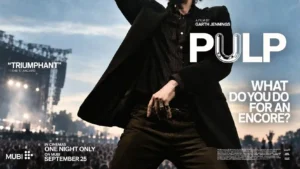
Pulp: What Do You Do for an Encore?
Where It Has the Edge
No clear scored advantage over the other product.
Remake4.6 overall score
Pulp: What Do You Do for an Encore?4.3 overall score
Compare features
Scores are out of 5. Missing scores mean missing review evidence, not a missing feature.
Scored on both products
Other features
Runtime
Remake
4.5
The film is praised for building a remarkably complete picture within less than two hours.
Pulp: What Do You Do for an Encore?
2.5
One criticism is that the 98-minute format leaves too little room to develop the historical stories, making the documentary feel incomplete.
Originality
Remake
4.7
The film earns praise as an utterly singular, intensely personal documentary rather than a conventional grief portrait.
Pulp: What Do You Do for an Encore?
3.5
Original collage flourishes and ambitious presentation impress several accounts. Others see a conventional retrospective that repeats an already familiar story.
Biographical fairness
Remake
4.0
The portrayal is praised for showing Adrian without judgment and refusing to reduce him to setbacks. Missing family perspectives nonetheless leave one critic wanting a fuller, more balanced account.
Pulp: What Do You Do for an Encore?
2.9
The firsthand perspective can feel honest and preferable to outsider commentary. Its heavy focus on Cocker nevertheless leaves parts of the shared band experience underrepresented.
Story quality
Remake
4.4
Most critics find the family story and stalled adaptation meaningfully intertwined. Others find the remake thread less engaging or better suited to a separate film, and repetition occasionally weakens the storytelling.
Pulp: What Do You Do for an Encore?
3.5
The journey from obscurity to renewed popularity can feel passionate and engaging. One account finds the contrast between the band’s creative renewal and a recycled historical narrative confusing.
Directing quality
Remake
4.9
McElwee’s open, self-questioning approach transforms a family archive into ambitious personal cinema. His observational choices and willingness to confront painful material earn exceptional praise.
Pulp: What Do You Do for an Encore?
4.1
Jennings’ affection and feel for Pulp produce inventive archival assemblies and, for many, vibrant concert capture. Others find the filming basic or the later documentary passages too conventional.
Cinematography
Remake
4.7
Adrian’s camerawork is admired for precise movement and visually exciting images. His intervention behind the camera adds interest and energy to the film.
Pulp: What Do You Do for an Encore?
3.9
Close-ups and restrained crowd coverage can preserve Cocker’s expression and the show’s spontaneity. Opinions divide sharply over whether the filming captures the room’s electricity or feels distant and conventional.
Biographical coverage
Remake
4.5
The portrait preserves Adrian’s wit, ambition, and individuality alongside his addiction. One substantial reservation is the absence of family voices that could broaden the account.
Pulp: What Do You Do for an Encore?
3.8
The childhood material, early struggles and rare clips offer an engaging route through Pulp’s history. Later breaks, reunions and the other members’ experiences sometimes receive less depth than viewers want.
Genre satisfaction
Remake
4.8
The documentary is praised for asking searching questions instead of claiming to explain a life completely. Its uncertainty is part of its achievement.
Pulp: What Do You Do for an Encore?
4.2
The concert-documentary hybrid is often warmly received as a satisfying music film. Its concert energy does not reach the genre’s highest standard for every viewer.
Realism
Remake
4.4
Unvarnished recordings and unresolved self-questioning lend the film unusual honesty. It acknowledges the limits of both a camera’s perspective and the explanations cinema can offer.
Pulp: What Do You Do for an Encore?
5.0
The story is warmly praised for honesty and an unforced, homespun authenticity.
Ending satisfaction
Remake
5.0
The final passages leave an exceptionally strong emotional impression. Their force comes from confronting the last year of Adrian’s life and expressing love that cannot reach him.
Pulp: What Do You Do for an Encore?
4.5
The musical finish delivers a communal high and leaves the band’s future open. A Sunset adds a sweet, present-tense answer to the question of why Pulp keep going.
Pacing
Remake
3.0
Repetition is the clearest pacing complaint, with some passages becoming tedious. These weaknesses are generally treated as secondary to the film’s emotional achievements.
Pulp: What Do You Do for an Encore?
2.5
Some transitions leave absorbing recollections just as they become interesting. The later historical passages can also feel repetitive rather than exploratory.
Theme depth
Remake
4.9
Memory, mortality, artistic legacy, and the limits of recording a life intertwine in a searching meditation. Its refusal to settle on easy answers is a widely praised strength.
Pulp: What Do You Do for an Encore?
4.5
Ageing, ambition, identity and continuing creative purpose give the return more meaning than a simple exercise in nostalgia.
Humor
Remake
4.6
Dry Hollywood satire, family teasing, and McElwee’s puzzled reactions bring welcome laughter. The humor offers breathing room without erasing the sadness.
Pulp: What Do You Do for an Encore?
4.4
Dry Yorkshire humour, self-deprecation and blunt family anecdotes give the history its warmth. Cocker makes the career milestones feel personal rather than solemn.
Tonal consistency
Remake
4.5
Joy and absurdity sit alongside mourning, keeping the film from becoming a single-note lament. The remake subplot often supplies the lighter counterweight.
Pulp: What Do You Do for an Encore?
4.3
Celebration and nostalgia sit alongside bittersweet reflection. The film’s melancholy generally enriches the experience without weighing it down.
Archival footage quality
Remake
4.7
Home movies and Adrian’s recordings become intimate windows into a life that cannot be recovered. Their contrasts reveal personality, grief, and perspectives his father’s camera missed.
Pulp: What Do You Do for an Encore?
4.5
Rare television clips, family images, notebooks and memorabilia make the past vivid and personal. The early material is especially revealing, and sensitive handling gives the family footage added warmth.
Emotional impact
Remake
4.9
The grief is devastating, but affectionate childhood moments and candid reflections give it depth beyond tragedy. Adrian’s own footage makes the loss especially immediate.
Pulp: What Do You Do for an Encore?
4.7
The contrast between youthful dreams and present-day performances brings warmth and reflection. The intimate Mackey tribute and sense of an unfinished creative journey are especially moving.
Creative collaboration
Remake
4.7
Combining the father’s archive with the son’s recordings brings another perspective into the film. Bini’s editorial partnership is also singled out as an apt match.
Pulp: What Do You Do for an Encore?
4.8
The band’s chemistry comes through when the camera gives performances room to breathe. Jennings also describes the collaboration on the staged show as exceptionally rewarding.
Editing quality
Remake
4.6
The shifting archive makes decades feel painfully adjacent, with cuts that dramatize how abruptly life changes. One critic finds occasional cross-cutting clumsy and repetition unnecessary.
Pulp: What Do You Do for an Encore?
4.6
The strongest edits let old memories reshape the meaning of current performances, with fluid cuts across decades. A few accounts find the alternation cluttered or too quick to leave interesting stories.
Atmosphere
Remake
4.5
The mournful atmosphere is thoroughly devastating. Its emotional weight supports a searching portrait rather than a detached account of loss.
Pulp: What Do You Do for an Encore?
4.5
The concert’s communal atmosphere and the archive’s time-capsule mood add warmth to the experience.
Message quality
Remake
4.7
The film powerfully connects art, memory, and enduring family love. It also carries a caution about allowing recording to take precedence over lived relationships.
Pulp: What Do You Do for an Encore?
4.7
The film finds an encouraging message in self-belief, persistence and retaining ambition while growing older. Its account of stepping back from consuming creative work also offers a useful lesson for artists.
Comfort and build
Visual style
Remake
4.5
The potent mixture of 16mm and digital imagery gives different eras a distinct texture. Adrian’s visually exciting work adds another expressive register.
Pulp: What Do You Do for an Encore?
4.1
The handmade collage and multimedia details suit Pulp’s secondhand aesthetic, with bold stage imagery adding spectacle. Some see inventive flourishes; others find parts half-hearted or visually conventional.
Controls and connectivity
Voiceover effectiveness
Remake
4.5
McElwee’s reflective voice gives the shifting footage a personal thread. Its dry, soothing delivery carries audible heartbreak without losing its familiar warmth.
Pulp: What Do You Do for an Encore?
4.6
Cocker narrates like an entertaining companion rummaging through memories, combining dry wit with candid reflection. His voice gives the collage intimacy and connective tissue.
Ownership and support
Entertainment value
Remake
4.5
The film is absorbing and sometimes funny despite its painful subject. Some repetitions create fleeting tedium, but the strongest passages remain riveting.
Pulp: What Do You Do for an Encore?
4.5
The mix of concert and scrapbook history is widely enjoyed as a warm celebration of Pulp. Some find the arena sequences less involving than the personal documentary sections.
Evidence available for one product
Other features
Animation quality
RemakeNo score yet
Pulp: What Do You Do for an Encore?
4.5
The pencil-style illustrations work well because they are used sparingly, avoiding the twee effect that might have overwhelmed them.
Band member coverage
RemakeNo score yet
Pulp: What Do You Do for an Encore?
2.8
Most critical accounts find the other members overshadowed by Cocker, with little exploration of what returning means to them. One strongly positive account instead welcomes each member’s moment in the spotlight.
Cast chemistry
RemakeNo score yet
Pulp: What Do You Do for an Encore?
4.5
The performance sequences give the band’s musical chemistry room to shine, preserving the spontaneity of musicians playing together.
Character development
Remake
4.3
Adrian emerges as a witty, ambitious individual across childhood and adulthood, and other subjects bring engaging personalities. Occasional frustration arises when McElwee shifts attention away from them and back to himself.
Pulp: What Do You Do for an Encore?No score yet
Dance choreography
RemakeNo score yet
Pulp: What Do You Do for an Encore?
4.2
Cocker’s pointing, hand gestures and idiosyncratic dancing remain an attraction. Some movements look creakier with age, but the filmed flourishes can still be hypnotic.
Dementia portrayal
Remake
4.3
Charleen’s fading memory gains poignancy beside footage of her younger, vivid self. The contrast makes preservation feel both valuable and troubling.
Pulp: What Do You Do for an Encore?No score yet
Drama quality
Remake
4.5
The real family drama is revealing and compelling, exposing addiction’s effects on intimate relationships.
Pulp: What Do You Do for an Encore?No score yet
Drug and alcohol portrayal
Remake
4.6
Adrian’s own recordings and candid conversations make addiction feel personal and unvarnished. The material is illuminating but often upsetting to watch.
Pulp: What Do You Do for an Encore?No score yet
Ethical handling of deaths
RemakeNo score yet
Pulp: What Do You Do for an Encore?
4.9
Stripped-back musical tribute gives Mackey’s absence room to register without overexplaining it. The handling of footage featuring Cocker’s late relatives is also praised for sensitivity.
Family dynamics
Remake
4.5
Arguments, teasing, estrangement, and love create a revealing picture of family life. Ordinary interactions carry weight because the film shows what those bonds eventually endured.
Pulp: What Do You Do for an Encore?No score yet
Fatherhood portrayal
Remake
4.4
The father-son relationship is treated with affection and painful self-questioning. McElwee’s doubts about his influence and his inability to save Adrian give the portrayal its emotional weight.
Pulp: What Do You Do for an Encore?No score yet
Filming ethics
Remake
4.2
The film’s scrutiny of its own maker is widely admired for vulnerability and candor. Yet filming intimate family struggles can feel intrusive, and one critic reads the underlying practice as a damaging abuse of power.
Pulp: What Do You Do for an Encore?No score yet
Interview and source material quality
Remake
4.8
Candid conversations about addiction offer intelligence and honesty. Adrian’s own interview footage also shows an ability to draw people out.
Pulp: What Do You Do for an Encore?No score yet
Plot clarity
Remake
4.0
Earlier-film excerpts help newcomers understand the family history. A reservation is that immersion in the archive sometimes obscures the larger argument.
Pulp: What Do You Do for an Encore?No score yet
Performance
Lead performance
RemakeNo score yet
Pulp: What Do You Do for an Encore?
4.5
Cocker remains a magnetic frontman, with expressive hands, vigorous movement and an unmistakable stage persona. Heavy autotune draws one pointed complaint.
Soundtrack quality
RemakeNo score yet
Pulp: What Do You Do for an Encore?
4.8
Classic songs such as Common People and Disco 2000 retain their pull, while the new material often fits comfortably beside them. The live renditions can deepen appreciation of the darker catalogue too.
Supporting cast performance
RemakeNo score yet
Pulp: What Do You Do for an Encore?
4.6
The musicians around Cocker earn praise for strong playing and for complementing his showmanship with quieter stage presences.
Controls and connectivity
Musical analysis
RemakeNo score yet
Pulp: What Do You Do for an Encore?
4.2
Explanations of Pulp’s aesthetic and the force of the live arrangements can make the songs easier to appreciate. The performance of This Is Hardcore is singled out for changing one viewer’s understanding of it.
Comfort and build
Production design
RemakeNo score yet
Pulp: What Do You Do for an Encore?
4.4
Galactic backdrops, silhouettes, lighting and large stage structures bring visual ambition to the performances. The spectacle can support the songs while the simplest staging sometimes carries the greatest emotional force.
Choose this inventive, unsettling documentary for fearless questioning, dark humor, and unpredictable storytelling. Skip it if you want a short, straightforward exposé with definitive answers.
Extraordinary performances and richly observed relationships make this a rewarding, emotionally forceful drama. Its nearly three-hour length and slow opening demand patience and undivided attention.
Best for a hypnotic, bookish mystery with tactile visuals and cerebral chills. Skip it if reading-heavy, attention-demanding storytelling sounds more exhausting than exciting.
A gripping human story makes the terrifying monster spectacle matter. The slower planning stretch and heightened, sometimes convenient ending are the main tradeoffs.