
Remake
Where It Has the Edge
- entertainment value is 4.5 vs 4.3. The film is absorbing and sometimes funny despite its painful subject. Some repetitions create fleeting tedium, but the...

Scorata scores summarize analyzed review evidence on a 1–5 scale; they are not laboratory measurements or a simple average of customer star ratings. Feature scores summarize the reviews covering that feature. The overall score averages feature scores within each review, then combines review averages. When both expert and customer evidence are available, those two groups receive equal weight. Products can have different review coverage, so small score gaps do not establish a winner.
Recommendations prioritize important features for the category, with a score of at least 3.5, a gap of at least 0.25 points and at least two supporting reviews per product. Features with widely varying scores or broad connectivity contexts are excluded from recommendations. These safeguards do not establish statistical significance.
Quick verdict
The review evidence points to a tradeoff: entertainment value versus plot clarity and story quality. Choose according to which strengths matter more to you; the overall score alone does not settle that choice.
Choose Remake for entertainment value.
Choose The Last First: Winter K2 for plot clarity and story quality.
Scores are out of 5. Missing scores mean missing review evidence, not a missing feature.
The final passages leave an exceptionally strong emotional impression. Their force comes from confronting the last year of Adrian’s life and expressing love that cannot reach him.
The closing ideas can feel more like an impasse than a fully resolved conclusion.
Adrian emerges as a witty, ambitious individual across childhood and adulthood, and other subjects bring engaging personalities. Occasional frustration arises when McElwee shifts attention away from them and back to himself.
The climbers can feel vivid and human when the film focuses on their personalities and motivations, but the crowded structure sometimes weakens investment in individual journeys, especially the Nepali team.
Repetition is the clearest pacing complaint, with some passages becoming tedious. These weaknesses are generally treated as secondary to the film’s emotional achievements.
The large number of climbers, factions, and side stories can clog the film's pace and make the middle feel over-busy.
Earlier-film excerpts help newcomers understand the family history. A reservation is that immersion in the archive sometimes obscures the larger argument.
Despite the many participants, the documentary often explains the chain of mistakes and systemic failures clearly and covers the expedition's major events in detail.
Joy and absurdity sit alongside mourning, keeping the film from becoming a single-note lament. The remake subplot often supplies the lighter counterweight.
The film often balances respect for the dead with clear-eyed analysis, but its true-crime withholding and beautiful imagery occasionally clash with the sober message.
The film earns praise as an utterly singular, intensely personal documentary rather than a conventional grief portrait.
The winter setting is distinctive, but the underlying K2 story of hubris and preventable danger can feel familiar from earlier mountain-disaster documentaries.
Most critics find the family story and stalled adaptation meaningfully intertwined. Others find the remake thread less engaging or better suited to a separate film, and repetition occasionally weakens the storytelling.
The expedition is generally shaped into a compelling, thought-provoking story with vivid human stakes. The strongest criticism is that too many parallel strands can dilute focus.
The father-son relationship is treated with affection and painful self-questioning. McElwee’s doubts about his influence and his inability to save Adrian give the portrayal its emotional weight.
A father-and-son strand is described as tender, adding a personal family dimension to the larger competition and tragedy.
Unvarnished recordings and unresolved self-questioning lend the film unusual honesty. It acknowledges the limits of both a camera’s perspective and the explanations cinema can offer.
The film strips away the romantic image of high-altitude climbing by emphasizing brutal cold, exhaustion, poor planning, and the mountain's indifference to human ambition.
The real family drama is revealing and compelling, exposing addiction’s effects on intimate relationships.
The documentary captures the expedition's dark human drama effectively, even when it stops short of the exhilarating heights of the best climbing thrillers.
The film powerfully connects art, memory, and enduring family love. It also carries a caution about allowing recording to take precedence over lived relationships.
The critique of ambition, commercialization, social-media pressure, and shared risk is often thought-provoking and forceful. Beautiful mountain imagery and an occasionally diffuse structure can undercut that warning.
Combining the father’s archive with the son’s recordings brings another perspective into the film. Bini’s editorial partnership is also singled out as an apt match.
The filmmaking process is described as unusually collaborative, with the director crediting a strong team for shaping the final documentary.
Adrian’s camerawork is admired for precise movement and visually exciting images. His intervention behind the camera adds interest and energy to the film.
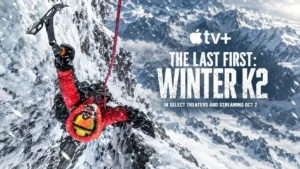
K2 is consistently presented with breathtaking scale and beauty, from stark landscapes to terrifying on-mountain footage. The imagery is one of the film's most widely praised strengths.
Home movies and Adrian’s recordings become intimate windows into a life that cannot be recovered. Their contrasts reveal personality, grief, and perspectives his father’s camera missed.
The documentary makes strong use of footage captured during the expedition, turning material recorded by climbers and other filmmakers into an immediate account of events.
The documentary is praised for asking searching questions instead of claiming to explain a life completely. Its uncertainty is part of its achievement.
For mountaineering nonfiction fans, the film delivers gripping danger, striking scenery, and a more pointed social perspective than a conventional summit chronicle.
Candid conversations about addiction offer intelligence and honesty. Adrian’s own interview footage also shows an ability to draw people out.
Interviews are woven into the on-mountain material effectively, helping the documentary turn a large collection of firsthand sources into a coherent narrative.
The shifting archive makes decades feel painfully adjacent, with cuts that dramatize how abruptly life changes. One critic finds occasional cross-cutting clumsy and repetition unnecessary.
The assembly of firsthand footage, interviews, and social-media material is often praised as clear and seamless. The main counterpoint is that information withholding and too many story strands can make the structure feel manipulative or crowded.
Memory, mortality, artistic legacy, and the limits of recording a life intertwine in a searching meditation. Its refusal to settle on easy answers is a widely praised strength.
This is much more than a survival chronicle, digging into ambition, class, nationalism, colonial history, social media, commercialization, and responsibility. Even a more skeptical critic still calls it thought-provoking.
The grief is devastating, but affectionate childhood moments and candid reflections give it depth beyond tragedy. Adrian’s own footage makes the loss especially immediate.
The deaths, grieving families, and climbers' personal stakes make the film harrowing and often deeply affecting, though its crowded structure can sometimes blunt that emotional connection.
McElwee’s open, self-questioning approach transforms a family archive into ambitious personal cinema. His observational choices and willingness to confront painful material earn exceptional praise.
Bar-Lev is widely praised for balancing compassion, accountability, and competing motives without reducing the story to simple heroes and villains. A few structural choices draw criticism, but the overall approach is thoughtful and controlled.
The potent mixture of 16mm and digital imagery gives different eras a distinct texture. Adrian’s visually exciting work adds another expressive register.
The film contrasts majestic, almost romantic mountain beauty with claustrophobic and brutal conditions, creating a striking visual tension between allure and danger.
The film is absorbing and sometimes funny despite its painful subject. Some repetitions create fleeting tedium, but the strongest passages remain riveting.
The documentary is tense, interesting, and often thrilling, but it is more sobering than exhilarating. Viewers seeking a pure climbing rush may find the experience deliberately less escapist.
The climbing footage is dramatic but does not deliver the immersive, vertigo-heavy rush associated with the most kinetic mountaineering films.
The mournful atmosphere is thoroughly devastating. Its emotional weight supports a searching portrait rather than a detached account of loss.
The portrait preserves Adrian’s wit, ambition, and individuality alongside his addiction. One substantial reservation is the absence of family voices that could broaden the account.
The portrayal is praised for showing Adrian without judgment and refusing to reduce him to setbacks. Missing family perspectives nonetheless leave one critic wanting a fuller, more balanced account.
The film adds valuable context around nationalism, colonial history, and indigenous mountaineering, but its treatment of the Nepali team's historic triumph can also feel patronizing and underdeveloped.
Charleen’s fading memory gains poignancy beside footage of her younger, vivid self. The contrast makes preservation feel both valuable and troubling.
Adrian’s own recordings and candid conversations make addiction feel personal and unvarnished. The material is illuminating but often upsetting to watch.
The film generally shows restraint around tragedy and deliberately omits some deeply invasive material, but its use of visible frozen bodies can still feel somewhat exploitative.
Arguments, teasing, estrangement, and love create a revealing picture of family life. Ordinary interactions carry weight because the film shows what those bonds eventually endured.
The film’s scrutiny of its own maker is widely admired for vulnerability and candor. Yet filming intimate family struggles can feel intrusive, and one critic reads the underlying practice as a damaging abuse of power.
Dry Hollywood satire, family teasing, and McElwee’s puzzled reactions bring welcome laughter. The humor offers breathing room without erasing the sadness.
Withholding some identities risks feeling manipulative, but controlled foreshadowing and tone help the concealment work.
The romantic subplot can feel shoehorned into an already crowded narrative.
The film is praised for building a remarkably complete picture within less than two hours.
First-person climbing footage can be genuinely terrifying, using sheer drops and precarious conditions to create fear without conventional horror devices.
The film repeatedly generates strong tension from dangerous climbs, known fatalities, and carefully delayed revelations. Its true-crime-like suspense works for many, though some dislike the withholding.
The film has clear appeal for documentary and mountaineering fans, and its social themes broaden the hook beyond climbing. Its less exhilarating, more analytical approach may limit mainstream thrill-seeker appeal.
McElwee’s reflective voice gives the shifting footage a personal thread. Its dry, soothing delivery carries audible heartbreak without losing its familiar warmth.
The chronology and causes of the disaster are presented with a strong sense of documentation and clarity, leaving little doubt about many of the key events.

Choose this inventive, unsettling documentary for fearless questioning, dark humor, and unpredictable storytelling. Skip it if you want a short, straightforward exposé with definitive answers.
Pros: originality, humor

Extraordinary performances and richly observed relationships make this a rewarding, emotionally forceful drama. Its nearly three-hour length and slow opening demand patience and undivided attention.
Pros: class commentary, character development

Best for a hypnotic, bookish mystery with tactile visuals and cerebral chills. Skip it if reading-heavy, attention-demanding storytelling sounds more exhausting than exciting.
Pros: Atmosphere, cinematography
Cons: audience appeal

A gripping human story makes the terrifying monster spectacle matter. The slower planning stretch and heightened, sometimes convenient ending are the main tradeoffs.
Pros: genre satisfaction, action sequence quality
Cons: realism, plot twists