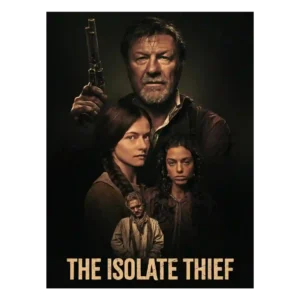
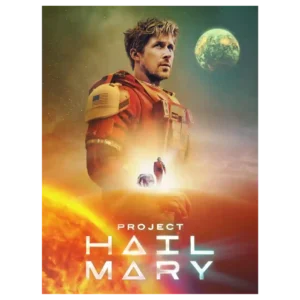
The Isolate Thief
Where It Has the Edge
- emotional impact is 4.8 vs 4.4. Ada’s vulnerability and determination create a strong protective connection, with Foy carrying the film’s emotional weight through an...

Scorata scores summarize analyzed review evidence on a 1–5 scale; they are not laboratory measurements or a simple average of customer star ratings. Feature scores summarize the reviews covering that feature. The overall score averages feature scores within each review, then combines review averages. When both expert and customer evidence are available, those two groups receive equal weight. Products can have different review coverage, so small score gaps do not establish a winner.
Recommendations prioritize important features for the category, with a score of at least 3.5, a gap of at least 0.25 points and at least two supporting reviews per product. Features with widely varying scores or broad connectivity contexts are excluded from recommendations. These safeguards do not establish statistical significance.
Quick verdict
The review evidence points to a tradeoff: emotional impact versus sexual content level and supporting cast performance. Choose according to which strengths matter more to you; the overall score alone does not settle that choice.
Choose The Isolate Thief for emotional impact.
Choose Project Hail Mary for sexual content level and supporting cast performance.
Scores are out of 5. Missing scores mean missing review evidence, not a missing feature.
The material is not suitable for children, with bloody deaths, sexual abuse, crude language, and sustained menace throughout.
Several reviewers see this as unusually accessible sci-fi for families and older kids, with most-ages appeal and mild content by PG-13 standards.
Early critical response is broadly positive, with performances and atmosphere receiving the clearest praise.
The broader critical response cited in the reviews is described as about as positive as a major studio release gets.
The film should connect most with viewers who enjoy intimate Westerns, capable heroines, and psychological tension more than nonstop action.
The film is repeatedly described as a crowd-pleaser, with reports of applause and strong theatergoing enthusiasm. A dissenting review sees that accessibility as calculated and artificial.
Graphic violence, violence against women, sexual abuse, prostitution references, and profanity make this a poor choice for family viewing.
The movie is repeatedly described as clean, wholesome and family-friendly, with restrained profanity and only limited sexual or frightening material.
The finale is widely framed as worth the wait, with the concluding shootout and less-predictable resolution rewarding the slow buildup.
The ending is the clearest recurring weakness: multiple reviewers say the final act keeps finding new conclusions, feels rushed or structurally overextended after an earlier emotional peak.
The harsh setting feels tangible, but the number of severe wounds characters survive pushes the climax beyond believable physical limits.
The grounded science, practical engineering and tangible sets make much of the film feel believable. Dissenters question character reactions and a handful of convenient scientific or mechanical solutions.
Crude language and an F-bomb contribute to the film’s mature tone and reduce its suitability for younger audiences.
Language is considered restrained for a PG-13 blockbuster: reviewers note little or no conventional profanity, though substitute swears and uses of God’s name remain.
References to prostitution and depictions of sexual abuse are disturbing rather than titillating, adding to the film’s difficult adult subject matter.
Sexual material is limited to light verbal references and a few suggestive jokes; family-focused reviewers describe it as comparatively tame.
The violence is effective when used as a looming threat, but the graphic final act and repeated grisly injuries can feel excessive and difficult to watch.
A family-focused review describes the movie as comparatively tame, with a couple of corpses but less harsh content than the earlier Weir adaptation.
The film touches on misogyny, suppression, sin, and moral compromise, but some symbolism and its central cautionary message can feel overly simple or obvious.
Friendship, sacrifice, optimism, science and cooperation give the film more thematic weight than a simple adventure for many reviewers. Critics of the adaptation argue those ideas are softened or over-sentimentalized.
At 95 minutes, the film feels concise to some viewers, while others believe the thin premise still struggles to sustain feature length.
At roughly two and a half hours, length is the most repeated complaint; many reviewers feel the second half or ending runs long. A few counter that the problem-solving keeps the runtime lively.
The guarded conversations work as strategic exchanges, revealing what each character knows while keeping motives and alliances uncertain.
Dialogue reactions are mixed: some praise crisp delivery and clear exchanges, while a harsh dissent calls the jokes and feel-good dialogue dated and shallow.
The gradual reveals are often handled intelligently, letting motives and identities emerge through behavior. Ada’s decision-making still feels unclear or implausible in places.
Dense science is generally presented clearly, with multiple reviewers praising how digestible the technical problem solving remains. A few say some concepts are difficult, overly explained or too convenient.
The deliberate buildup creates tension, but the middle act repeatedly feels slow or bogged down. The violent final stretch provides a strong payoff for patient viewers.
Pacing is mixed: some say the long runtime flies by or benefits from deliberate science detail, while others flag a slow opening, second-act drag, flashback friction and late-act sputter.
The contained survival story is simple but usually gripping, using concealed gold, shifting loyalties, and isolation to sustain interest. A few critics found the material too slight or the plot logic shaky.
Most reviewers see a smart, heartfelt survival-and-friendship story with strong problem-solving momentum. Negative outliers criticize formula, shallow characterization and convenient plotting.
Tension is the film’s most dependable strength, growing from polite deception, confined space, and the constant threat of violence before erupting in the finale.
Problem-solving and late space hazards generate strong tension for most reviewers, but a few feel the optimistic tone telegraphs success and drains danger.
The film creates fear through implication and anticipation, often making unseen danger as unsettling as the violence eventually shown.
The movie includes some existentially frightening moments, but one family-oriented review still considers them manageable within an overwhelmingly hopeful adventure.
Ada, Fiddler, and Emily receive enough complexity to drive the psychological contest, while several outlaw side characters blur together or remain underdeveloped.
Grace’s growth and Rocky’s characterization work for many reviewers, but this is notably mixed: critics of the adaptation say Grace’s arc is thinner, underexplored, or too unchanged from start to finish.
The bleak survival drama draws viewers in through unease, moral ambiguity, and the escalating pressure placed on its isolated heroine.
The film usually earns its high stakes through character and problem-solving, but several critics think the bright tone softens danger and emotional weight.
The score is singled out for its melancholy tone, matching the isolation and emotional heaviness of the winter setting.
Daniel Pemberton’s score is a major strength, frequently described as sweeping, unusual, emotional and integral to the film. One dissent finds the constant grandeur overbearing and tension-flattening.
John Suits uses confinement, withheld violence, and the frozen location to build sustained unease. The direction is repeatedly praised for making modest resources feel purposeful.
Lord and Miller are mostly praised for turning dense science into lively blockbuster filmmaking, though critics who resist the goofy tone find the direction over-insistent or too silly.
Ada’s vulnerability and determination create a strong protective connection, with Foy carrying the film’s emotional weight through an increasingly brutal ordeal.
Many reviewers report tearing up or crying, especially around Grace and Rocky’s bond and the closing stretch. Even some mixed reviews admit the film lands a few powerful emotional moments.
The story presents survival, female resilience, moral ambiguity, and resistance to predatory power without turning entirely into a lecture.
The film’s optimism, pro-science cooperation, friendship and sacrifice resonate strongly with most reviewers. A dissenting critic finds that hope too frictionless and another objects to how the film handles Stratt’s coercion.
The wary tension between Ada and Fiddler is consistently compelling, while Ada and Emily create a quieter alliance that gives the simple plot added spark.
Grace and Rocky are the movie’s emotional engine; most reviewers call their odd-couple friendship warm, funny and genuinely moving. A few find later interactions repetitive or overly sweet.
The plot follows a recognizable chamber-Western path and can be predictable, even though its female-led perspective gives the formula some distinction.
The core concept is often praised as fresh, but predictability and familiar genre DNA keep this from being a universal win.
As a bleak, slow-burn Western thriller, it delivers strong atmosphere, tension, and a violent payoff likely to satisfy patient genre fans.
Science-fiction fans are the clearest target: reviewers praise the hard-science problem solving, big-screen wonder and optimistic space-adventure tone, with one major dissent calling it flat and derivative.
Cold blue tones, wide landscapes, and desolate winter imagery make the isolation visually immediate. The photography is among the film’s most consistently praised elements.
Space imagery, IMAX scale, framing and texture earn near-universal praise, with Greig Fraser’s work repeatedly called stunning, sublime or top-tier.
Action is held back for much of the runtime, then arrives in a forceful final act filled with shootouts and brutal close-quarters violence.
Action is used selectively but lands hard when it arrives, especially the late space set pieces; reviewers call them grounded, tense and visually impressive rather than nonstop spectacle.
The script is strongest when staging the cat-and-mouse exchanges and gradual reveals. Its slow, dialogue-heavy middle and limited thematic complexity keep praise from being unanimous.
The script is mostly praised for making dense science approachable and organizing the nonlinear mystery cleanly, though negative reviews call parts shallow, contrived or over-explanatory.
Odeya Rush, Joe Pantoliano, and the outlaw ensemble add menace and texture, though one assessment found the supporting male characters insufficiently memorable.
Sandra Hüller is the standout supporting performer, with Lionel Boyce also drawing consistent praise for dry humor and grounded rapport. The Earth scenes benefit from their contrast with Gosling.
The cast is a major strength, led by commanding work from Mackenzie Foy and Sean Bean. Even mixed assessments generally agree that the performances add weight to the lean material.
The ensemble is widely praised, with Gosling carrying long solo stretches and supporting players giving the Earth scenes personality. One strongly negative take finds the lead’s familiar comic mannerisms tiring.
The deeply melancholic music reinforces the film’s cold, depressive mood without overpowering its restrained approach.
The song selections are praised for warmth, nostalgia and tonal contrast, complementing the orchestral score without overwhelming scenes.
Mackenzie Foy convincingly carries the film with restrained caution, grit, emotional depth, and physical resolve. Her mature dramatic turn is one of the clearest highlights.
Gosling is one of the strongest consensus positives, repeatedly praised for carrying solo stretches with charm, physical comedy and vulnerability. A small minority find the familiar goofy persona strained or tiring.
Layered period clothing helps communicate the punishing cold and supports the film’s tactile winter atmosphere.
Grace’s nerdy T-shirt choices are praised as character-driven wardrobe that feels natural for his personality rather than planted references.
Unsettling background noises deepen the discomfort during quiet dialogue scenes and help the confined setting feel continuously threatening.
Atmos and sound design receive unanimous praise in the scored sources, from precise spatial cues to Rocky’s sonic language and high-impact action.
The remote outpost, frozen ground, and surrounding wilderness create a convincing frontier trap that feels integral to the conflict rather than decorative.
The Tau Ceti material and alien design give the adventure convincing scale, with space sequences praised as stunning and the science-world detail easy to buy into.
The chilly palette, visible breath, frozen terrain, and oppressive framing give the film a distinctive bleak identity despite its modest scale.
The film’s look is one of its strongest consensus wins: colorful space vistas, tactile sets, aspect-ratio shifts and adventurous camera choices make it feel built for a large screen.
The central mind game, strong performances, and rewarding finale keep the film engaging, though the slow middle demands patience.
Most reviewers find the film extremely watchable and crowd-friendly despite its length, mixing science puzzles, humor and spectacle into an easy theatrical ride.
CGI is usually praised for disappearing into the practical sets and Rocky puppetry, adding polish without making the world feel synthetic.
The cross-species friendship is praised for taking language, biology and cultural assumptions seriously enough to make cooperation feel meaningful.
Timeline shifts and aspect-ratio transitions are often praised for clarity and momentum; one negative review finds the flashback cutting disorienting and over-explanatory.
Book readers largely see this as a strong, faithful adaptation that preserves the novel’s heart and major beats. The strongest dissent argues that departures from the book flatten its moral and philosophical complexity.
Comedy is a genuine strength for many, particularly Gosling’s physical timing and Grace-Rocky misunderstandings. But the jokes are also polarizing, with some reviewers calling them repetitive, cheesy or tonally disruptive.
The long-hair-and-beard look sells Grace’s extended sleep, though one reviewer jokingly calls out his suspiciously maintained highlights.
Rocky’s puppetry and the physical sets are among the highest-consensus technical strengths, repeatedly praised for giving the alien and spacecraft convincing weight and presence.
One reviewer notes that Grace’s lack of romantic or family attachments reduces the sense of personal sacrifice compared with more emotionally anchored space dramas.
Visual effects work is consistently praised, especially where digital enhancement blends with practical sets and puppetry rather than replacing them.
Tone is the most divisive creative choice: many like the balance of humor, tension and sincerity, while detractors say the comedy undercuts danger and the optimism can feel overly insistent.
One critique found the outlaws’ prolonged restraint toward Ada implausible for the period, weakening the credibility of the setup.
The Hail Mary ship and practical environments draw exceptional praise for functional hard-sci-fi detail, tactile construction and large-screen immersion.
Several reviewers expect repeat viewings to hold up well, whether for small production details, emotional impact or the sheer pleasure of revisiting Grace and Rocky.
The 4K review finds the collector’s SteelBook worth seeking out for buyers who want a more complete edition.

Choose this inventive, unsettling documentary for fearless questioning, dark humor, and unpredictable storytelling. Skip it if you want a short, straightforward exposé with definitive answers.
Pros: originality, humor

Best for a hypnotic, bookish mystery with tactile visuals and cerebral chills. Skip it if reading-heavy, attention-demanding storytelling sounds more exhausting than exciting.
Pros: Atmosphere, cinematography
Cons: audience appeal

Best for an intimate, searching documentary that rewards focused attention and invites discussion. Skip it when devastating grief, addiction footage, and unresolved family tensions would be too much.
Pros: emotional impact, theme depth

Best for patient suspense, an unforgettable score, and an unsettling masked killer. Skip it for very young children or if you want to avoid intense scares; its restrained kills also...
Pros: directing quality, score quality
Cons: message quality