
Mockbuster
Where It Has the Edge
- runtime is 4.8 vs 2.7. At roughly 90 minutes, it fits its subject and generally feels appropriately sized. Minor middle-section drag does not...

Scorata scores summarize analyzed review evidence on a 1–5 scale; they are not laboratory measurements or a simple average of customer star ratings. Feature scores summarize the reviews covering that feature. The overall score averages feature scores within each review, then combines review averages. When both expert and customer evidence are available, those two groups receive equal weight. Products can have different review coverage, so small score gaps do not establish a winner.
Recommendations prioritize important features for the category, with a score of at least 3.5, a gap of at least 0.25 points and at least two supporting reviews per product. Features with widely varying scores or broad connectivity contexts are excluded from recommendations. These safeguards do not establish statistical significance.
Quick verdict
The review evidence points to a tradeoff: runtime versus ending satisfaction and humor. Choose according to which strengths matter more to you; the overall score alone does not settle that choice.
Choose Mockbuster for runtime.
Choose The Invite for ending satisfaction and humor.
Scores are out of 5. Missing scores mean missing review evidence, not a missing feature.
At roughly 90 minutes, it fits its subject and generally feels appropriately sized. Minor middle-section drag does not make the overall length excessive.
At roughly 107–108 minutes, the film feels tight and propulsive to some viewers but overlong to others. The most common concern is that the material could lose 15–20 minutes without sacrificing its emotional point.
Frith’s shift from stalled corporate-video director to overwhelmed feature filmmaker gives the documentary a strong emotional center. His self-doubt and growth make the journey relatable.
The four characters gradually reveal insecurity, grief, desire, and resentment beneath their initial comic types. Most find them richly layered, though one critic felt some interactions were overly manufactured.
The six-day shoot supplies genuine tension through clashes, delays, and impossible logistics. The conflict stays engaging without becoming melodramatic.
Beneath the farce is a poignant chamber drama about disappointment, intimacy, and a marriage nearing collapse. The emotional seriousness gives the comedy weight without turning the film into a conventional tearjerker.
Most of the 90-minute journey moves briskly, but the middle logistics can linger. The final act then compresses key steps, creating a slow-middle, rushed-ending rhythm.
Most critics praise the kinetic rhythm and carefully timed reveals, especially within the single-apartment setup. Others find the opening overcharged or the later monologues and arguments too drawn out.
The premiere provides a joyful finish, but the route there is rushed. More detail on reshoots, editing, and final delivery would have made the conclusion more satisfying.
Most critics admire the bittersweet, enigmatic, or quietly hopeful ending and expect audiences to discuss it afterward. A few consider it too cautious, noncommittal, or less satisfying than the journey.
The funniest moments come from blunt studio executives, improvised problem-solving, and nobody pretending the production is under control. The comedy complements rather than erases the stress.
The strongest consensus is that the film is genuinely hilarious, with rapid insults, physical comedy, and escalating social discomfort producing big laughs. A small minority finds it only occasionally funny.
The candid access makes low-budget filmmaking feel messy, exhausting, and genuinely collaborative. A little staging is noticeable, but the pressures and compromises still come across as authentic.
The petty grievances, overlapping arguments, insecurity, and emotional stagnation feel painfully recognizable. Many critics see their own long-term relationship dynamics reflected in the film’s uncomfortable comedy.
The central six-day filmmaking challenge is easy to follow. Context for The Asylum, preparation details, and the path from reshoots to premiere are thinner than they should be.
The central setup is easy to follow, but some later turns may lose viewers who have not fully bought into the couples’ behavior. The film favors emotional escalation over a tidy, conventional plot.
Beneath the production comedy is a thoughtful question about whether creating flawed art is better than never creating at all. It also explores ego, compromise, work, family, and success.
The film digs into failed ambition, comparison, resentment, intimacy, and the stories couples tell themselves. Most find it insightful and mature, while a dissenting group sees only a superficial treatment of modern relationships.
Editing and narration usually keep the chaos clear and light on its feet. The jump from reshoots to the premiere feels abrupt and could have used another connective scene.
The cutting usually gives the dinner party propulsive rhythm and helps the comedy snap into place. The most negative response calls the staccato approach cacophonous and exhausting.
Directing a bargain-basement dinosaur movie while simultaneously documenting the experience gives the story a rare, self-reflexive premise. It finds a fresh angle on the familiar pursuit-of-a-dream arc.
The story repeatedly swerves away from the most predictable version of its premise and complicates each character’s motives. Its surprises are a major pleasure even when the broad destination can be anticipated.
The stress, self-doubt, and eventual premiere create a surprisingly warm payoff. Its affection for scrappy filmmaking makes the feel-good moments land without seeming manipulative.
The film repeatedly turns belly laughs into sadness, tenderness, and even tears. Its strongest moments make marital regret and buried longing hit harder because the comedy has lowered viewers’ defenses.
Its strongest idea is that making imperfect work can matter more than waiting for ideal conditions. The film turns creative compromise into an encouraging case for starting somewhere.
The film argues for honesty, change, and renewed openness rather than prescribing monogamy or non-monogamy. Its hopeful ideas resonate with many critics, though a few find the relationship lessons obvious or didactic.
The personal dream-chasing narrative gives the industry access a clear emotional spine. It balances setbacks, absurdity, and collaboration well enough to make the process satisfying.
The familiar dinner-party premise grows into a surprisingly layered exploration of marriage and desire. Most find the story close to perfectly executed, though some consider its deeper turns forced or superficial.
Frith handles the self-aware documentary with confidence, balancing production chaos, humor, and personal stakes. A few structural gaps keep the final stretch from feeling fully polished.
Olivia Wilde’s control of performance, space, and comic escalation is frequently called her strongest directing work. A few early choices feel fussy or overemphatic, but the overall staging is confident and inventive.
B-movie fans and aspiring filmmakers should find it especially rewarding. It offers affectionate schlock culture alongside a practical look at making a feature under absurd constraints.
As an adult relationship dramedy, dark comedy, and sex farce, it delivers sophisticated laughs with real emotional stakes. Its frank approach to marriage and non-monogamy feels refreshingly grown-up.
Frith is a charming, vulnerable guide whose passion and self-doubt carry the documentary. His occasional impatience and uncertainty make the portrait more candid, though less consistently polished.
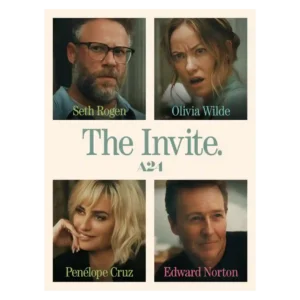
Seth Rogen is repeatedly singled out for combining comic timing with deep, lived-in sadness, while Olivia Wilde earns career-best notices for anxious physical comedy and emotional vulnerability.
The veteran actors and Asylum executives add warmth, humor, and blunt candor. Michael Paré, Eric Roberts, Paul Bales, David Michael Latt, and David Rimawi are particular standouts.
Penélope Cruz and Edward Norton are repeatedly praised as magnetic, funny, and unpredictable foils. Cruz brings seductive confidence and comic precision, while Norton balances smug charm with unexpected tenderness.
It works beyond The Asylum’s core fan base, especially for B-movie devotees and anyone curious about filmmaking. Aspiring directors are the clearest fit.
The film appears built for communal viewing, with packed audiences reportedly laughing hard and staying engaged. Its adult, dialogue-driven style should land best with viewers who enjoy sharp relationship comedy.
The hectic production, candid personalities, and self-aware comedy make this consistently entertaining. Even viewers unfamiliar with The Asylum can enjoy the ride.
Despite its single location and talk-heavy structure, the film is widely considered a highly entertaining pressure cooker. Its combination of awkwardness, surprise, and star chemistry keeps the evening engaging.
The four leads are widely praised as a remarkably balanced ensemble, with several critics calling the work career-best. Even more mixed assessments agree the cast keeps the film lively.
The musical selections are used sparingly but effectively, with the Sade needle drop singled out as a crowd-pleasing highlight. The songs add sensuality and irony to the relationship drama.
The quartet’s contrasting styles lock into a lively rhythm, while each new pairing creates a different emotional and comic charge. The believable friction between the married couple is especially important to the film’s impact.
The 35mm photography, careful blocking, mirrors, and shifting perspectives make one apartment feel cinematic and constantly changing. A few flourishes can feel conspicuous, but the visual craft is a major strength.
The rapid, overlapping dialogue is commonly described as crackling, sharp, natural, and extremely funny. Some critics find the verbal sparring self-satisfied or overextended, especially in longer arguments.
The adaptation remains close to the Spanish source while adding American detail, greater sensuality, and more character expansion. Several critics consider it an unusually successful U.S. remake.
The Asylum interviews are candid, funny, and among the film’s best material, especially the executives’ blunt descriptions of their business. Once shooting begins, the documentary could use more outside voices.
The film treats marriage, desire, and non-monogamy with curiosity rather than easy judgment. Its romantic outlook is messy but ultimately humane, showing both the fear and possibility involved in changing a relationship.
Devonté Hynes’s string-heavy score sharply amplifies tension and comic rhythm for some critics. Others find it blaring, overly insistent, or distracting, making this the clearest technical point of disagreement.
The film is raunchy in subject and conversation but contains no explicit sex or nudity. Its adult material is generally seen as purposeful, playful, and tied to character rather than included for shock alone.
The apartment becomes a claustrophobic emotional trap as grievances, secrets, and attraction accumulate. The tension comes from social and marital danger rather than conventional thriller mechanics.
For most of its runtime, the film balances broad comedy, cringe, pathos, and sadness with impressive control. Several critics note that the late turn into darker emotion can feel choppy or forced.
The screenplay is broadly celebrated as whip-smart, funny, adult, and emotionally perceptive. Its overlapping talk and carefully planted reveals are major strengths, though a few critics call it over-written or smug.
The clothing subtly places the buttoned-up hosts and liberated guests in visual opposition. These choices reinforce personality and relationship dynamics without becoming overly showy.
The renovated apartment functions like a fifth character, expressing warmth, distance, entrapment, and unfinished marital business. Its rooms, mirrors, decor, and sightlines keep the contained story visually alive.
Warm 35mm texture, mirrors, frames within frames, and precise spatial composition give the chamber piece a polished cinematic identity. Some critics find the early symbolism overly studied, but the overall look is admired.
Critical response is overwhelmingly enthusiastic, with many calling it one of the year’s best comedies or films. A smaller group finds it shallow, overworked, or only intermittently funny.
The dense dialogue, layered performances, visual blocking, and ambiguous ending give the film strong repeat-viewing potential. The few explicit rewatch comments are highly enthusiastic.

A deeply human coming-of-age drama carried by remarkable performances and an honest portrayal of grief. Its gentle optimism moves most viewers, though some find the final stretch hurried or overly...
Pros: Grief portrayal, acting performance
Cons: pacing

Billie Jean King’s magnetic first-person storytelling makes this an exhilarating portrait of athletic courage and social change. The filmmaking follows a familiar documentary structure, and her full tennis résumé gets...
Pros: entertainment value, Biographical coverage
Cons: Narrative structure

Choose this inventive, unsettling documentary for fearless questioning, dark humor, and unpredictable storytelling. Skip it if you want a short, straightforward exposé with definitive answers.
Pros: originality, humor

A singular voice, powerful piano playing and intimate film photography make this concert absorbing for receptive listeners. Its uninterrupted, often similar-sounding songs and lack of background context are an acquired...
Pros: directing quality, cinematography
Cons: pacing, Song variety