Scorata scores summarize analyzed review evidence on a 1–5 scale; they are not laboratory measurements or a simple average of customer star ratings. Feature scores summarize the reviews covering that feature. The overall score averages feature scores within each review, then combines review averages. When both expert and customer evidence are available, those two groups receive equal weight. Products can have different review coverage, so small score gaps do not establish a winner.
Recommendations prioritize important features for the category, with a score of at least 3.5, a gap of at least 0.25 points and at least two supporting reviews per product. Features with widely varying scores or broad connectivity contexts are excluded from recommendations. These safeguards do not establish statistical significance.
Quick verdict
What each product is best for
The review evidence points to a tradeoff: character development and originality versus ending satisfaction and theme depth. Choose according to which strengths matter more to you; the overall score alone does not settle that choice.
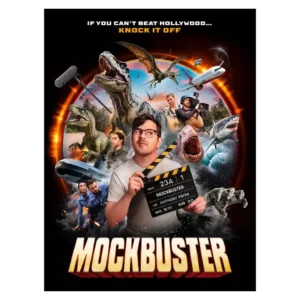
Choose Mockbuster for character development and originality.
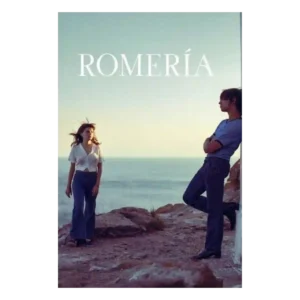
Choose Romería for ending satisfaction and theme depth.
Why these recommendations?
Mockbuster
Where It Has the Edge
character development is 4.8 vs 2.3. Frith’s shift from stalled corporate-video director to overwhelmed feature filmmaker gives the documentary a strong emotional center. His...
originality is 4.8 vs 4.1. Directing a bargain-basement dinosaur movie while simultaneously documenting the experience gives the story a rare, self-reflexive premise. It...
Romería
Where It Has the Edge
ending satisfaction is 5.0 vs 3.5. The closing stretch gives Marina meaningful agency and a stronger connection to her parents, with several critics highlighting...
theme depth is 5.0 vs 4.5. The film thoughtfully explores identity, inherited shame, memory, forgiveness, and the need to repair the past before building...
lead performance is 4.9 vs 4.4. Llúcia Garcia is the clear standout, bringing warmth, restraint, curiosity, and growing resolve to Marina. Her dual role...
Mockbuster4.4 overall score
Romería4.5 overall score
Compare features
Scores are out of 5. Missing scores mean missing review evidence, not a missing feature.
Scored on both products
Other features
Character development
Mockbuster
4.8
Frith’s shift from stalled corporate-video director to overwhelmed feature filmmaker gives the documentary a strong emotional center. His self-doubt and growth make the journey relatable.
Romería
2.3
Marina’s reserve suits the story, but a few critics found her difficult to read and wished her emotional arc were more fully defined.
Runtime
Mockbuster
4.8
At roughly 90 minutes, it fits its subject and generally feels appropriately sized. Minor middle-section drag does not make the overall length excessive.
Romería
2.5
At nearly two hours, the restrained journey can feel longer than its relatively simple administrative premise requires.
Ending satisfaction
Mockbuster
3.5
The premiere provides a joyful finish, but the route there is rushed. More detail on reshoots, editing, and final delivery would have made the conclusion more satisfying.
Romería
5.0
The closing stretch gives Marina meaningful agency and a stronger connection to her parents, with several critics highlighting the final scene as especially beautiful and rewarding.
Drama quality
Mockbuster
4.0
The six-day shoot supplies genuine tension through clashes, delays, and impossible logistics. The conflict stays engaging without becoming melodramatic.
Romería
4.7
The family drama is intimate, intelligent, and often gripping without relying on loud confrontations. Its controlled tone can also feel muted to viewers seeking sharper conflict.
Originality
Mockbuster
4.8
Directing a bargain-basement dinosaur movie while simultaneously documenting the experience gives the story a rare, self-reflexive premise. It finds a fresh angle on the familiar pursuit-of-a-dream arc.
Romería
4.1
The underlying family mystery is familiar and not especially surprising, but the film’s personal framing and visual approach give it freshness.
Pacing
Mockbuster
3.3
Most of the 90-minute journey moves briskly, but the middle logistics can linger. The final act then compresses key steps, creating a slow-middle, rushed-ending rhythm.
Romería
2.6
The deliberate rhythm supports observation and emotional accumulation, but repeated diary interludes and a wandering middle caused several critics to find it slow or overextended.
Editing quality
Mockbuster
3.8
Editing and narration usually keep the chaos clear and light on its feet. The jump from reshoots to the premiere feels abrupt and could have used another connective scene.
Romería
4.3
The interwoven diary, DV footage, present-day scenes, and imagined past are often assembled with impressive flow, although one tonal transition divided opinion.
Realism
Mockbuster
4.6
The candid access makes low-budget filmmaking feel messy, exhausting, and genuinely collaborative. A little staging is noticeable, but the pressures and compromises still come across as authentic.
Romería
4.0
The loose family scenes feel natural and lived-in, even if one critic found the style slightly generic before the film moves into fantasy.
Theme depth
Mockbuster
4.5
Beneath the production comedy is a thoughtful question about whether creating flawed art is better than never creating at all. It also explores ego, compromise, work, family, and success.
Romería
5.0
The film thoughtfully explores identity, inherited shame, memory, forgiveness, and the need to repair the past before building a future.
Story quality
Mockbuster
4.3
The personal dream-chasing narrative gives the industry access a clear emotional spine. It balances setbacks, absurdity, and collaboration well enough to make the process satisfying.
Romería
4.8
The personal search for identity and family truth is tender, compelling, and thoughtfully constructed, though its low-key mystery offers more emotional than narrative momentum.
Plot clarity
Mockbuster
3.2
The central six-day filmmaking challenge is easy to follow. Context for The Asylum, preparation details, and the path from reshoots to premiere are thinner than they should be.
Romería
2.8
The large family, conflicting accounts, and shifting timelines can be difficult to track. The ending also moves quickly enough that some practical details remain unclear.
Genre satisfaction
Mockbuster
4.7
B-movie fans and aspiring filmmakers should find it especially rewarding. It offers affectionate schlock culture alongside a practical look at making a feature under absurd constraints.
Romería
5.0
As a quiet coming-of-age family drama with autobiographical and magical-realist elements, it strongly satisfies viewers drawn to subtle European art-house storytelling.
Message quality
Mockbuster
4.7
Its strongest idea is that making imperfect work can matter more than waiting for ideal conditions. The film turns creative compromise into an encouraging case for starting somewhere.
Romería
5.0
The film makes a resonant case that confronting painful family history can create freedom, identity, and a more honest future.
Directing quality
Mockbuster
4.5
Frith handles the self-aware documentary with confidence, balancing production chaos, humor, and personal stakes. A few structural gaps keep the final stretch from feeling fully polished.
Romería
4.8
Carla Simón handles painful autobiographical material with patience, restraint, and visual confidence. The late fantasy turn is bold, though not everyone found it fully integrated.
Humor
Mockbuster
4.1
The funniest moments come from blunt studio executives, improvised problem-solving, and nobody pretending the production is under control. The comedy complements rather than erases the stress.
Romería
4.0
Small family observations and recognizable personality clashes provide welcome humor without undercutting the story’s grief.
Emotional impact
Mockbuster
4.6
The stress, self-doubt, and eventual premiere create a surprisingly warm payoff. Its affection for scrappy filmmaking makes the feel-good moments land without seeming manipulative.
Romería
4.5
The search for buried family truth is frequently moving, heartbreaking, and restorative. Its quiet approach lands deeply for many, though a few found the emotions held at too much distance.
Controls and connectivity
Audience appeal
Mockbuster
4.6
It works beyond The Asylum’s core fan base, especially for B-movie devotees and anyone curious about filmmaking. Aspiring directors are the clearest fit.
Romería
4.0
This is best suited to viewers who enjoy patient Spanish dramas, family-history mysteries, and subtle emotional conflict rather than fast-moving plotting.
Performance
Lead performance
Mockbuster
4.4
Frith is a charming, vulnerable guide whose passion and self-doubt carry the documentary. His occasional impatience and uncertainty make the portrait more candid, though less consistently polished.
Romería
4.9
Llúcia Garcia is the clear standout, bringing warmth, restraint, curiosity, and growing resolve to Marina. Her dual role in the imagined past adds another layer to an impressive debut.
Supporting cast performance
Mockbuster
5.0
The veteran actors and Asylum executives add warmth, humor, and blunt candor. Michael Paré, Eric Roberts, Paul Bales, David Michael Latt, and David Rimawi are particular standouts.
Romería
5.0
The supporting ensemble creates a believable web of affection, resentment, guilt, and long-established family habits.
Ownership and support
Entertainment value
Mockbuster
4.5
The hectic production, candid personalities, and self-aware comedy make this consistently entertaining. Even viewers unfamiliar with The Asylum can enjoy the ride.
Romería
4.8
Despite its contemplative pace, lively family scenes and a memorable dance sequence keep the film engaging. Its appeal depends heavily on patience for understated drama.
Evidence available for one product
Performance
Acting performance
MockbusterNo score yet
Romería
5.0
The cast is consistently strong, with natural ensemble interplay that makes the sprawling family feel lived-in and convincing.
Other features
Cast chemistry
MockbusterNo score yet
Romería
4.5
The family ensemble feels convincingly chaotic and intimate, while Marina’s connection with Nuno adds a deliberately uneasy spark.
Cinematography
MockbusterNo score yet
Romería
4.9
The sunlit Galician coast is photographed with exceptional texture and beauty, often turning water, skin, and landscape into the film’s most immediate pleasures.
Cultural representation
MockbusterNo score yet
Romería
5.0
The film thoughtfully connects one family’s wounds to Spain’s heroin and AIDS crisis, class divisions, regional identity, and lingering social stigma.
Interview and source material quality
Mockbuster
4.3
The Asylum interviews are candid, funny, and among the film’s best material, especially the executives’ blunt descriptions of their business. Once shooting begins, the documentary could use more outside voices.
RomeríaNo score yet
Romance quality
MockbusterNo score yet
Romería
4.5
The parents’ youthful love is presented with warmth and sensual beauty before addiction and illness darken the relationship.
Score quality
MockbusterNo score yet
Romería
2.5
The string score adds unease, but one critic found its arch tone mismatched with Marina’s inward, passive perspective.
Suspense
MockbusterNo score yet
Romería
4.5
The gradual uncovering of hidden illness, addiction, and family betrayal gives the quiet drama a steady investigative pull.
Writing quality
MockbusterNo score yet
Romería
3.8
The screenplay is strongest when revealing family lies through small gestures and contradictory conversations. Some critics found the structure diffuse, discursive, or emotionally underfocused.
Comfort and build
Costume design
MockbusterNo score yet
Romería
4.0
Wardrobe choices quietly reinforce family history and identity, with clothing details serving as meaningful visual clues rather than decoration.
Production design
MockbusterNo score yet
Romería
4.5
Small design details help distinguish generations, spaces, and parallel timelines while grounding the family’s wealth and emotional history.
Sound design
MockbusterNo score yet
Romería
4.5
Careful attention to coastal ambience, household texture, and remembered sounds strengthens the film’s intimate, diary-like atmosphere.
Visual style
MockbusterNo score yet
Romería
4.9
Sunlit realism, fuzzy DV footage, grainy flashbacks, and dreamlike fantasy combine into a rich and memorable visual design, even when style occasionally outweighs clarity.
Ownership and support
Rewatch value
MockbusterNo score yet
Romería
5.0
Its layered imagery, family details, and emotional subtext give it strong repeat-viewing appeal for admirers of slow, personal cinema.
Value for money
MockbusterNo score yet
Romería
5.0
For art-house audiences, the striking coastal imagery and standout dance sequence offer a theatrical experience worth seeing on a large screen.
Choose this inventive, unsettling documentary for fearless questioning, dark humor, and unpredictable storytelling. Skip it if you want a short, straightforward exposé with definitive answers.
Best for a hypnotic, bookish mystery with tactile visuals and cerebral chills. Skip it if reading-heavy, attention-demanding storytelling sounds more exhausting than exciting.
Best for an intimate, searching documentary that rewards focused attention and invites discussion. Skip it when devastating grief, addiction footage, and unresolved family tensions would be too much.
Best for patient suspense, an unforgettable score, and an unsettling masked killer. Skip it for very young children or if you want to avoid intense scares; its restrained kills also...