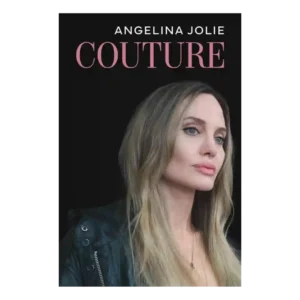
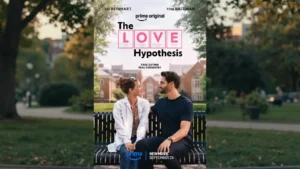
Couture
Where It Has the Edge
- visual style is 4.4 vs 1.0. The ateliers, gothic short film, couture garments, and stormy runway create an elegant, sometimes breathtaking visual identity. The...

Scorata scores summarize analyzed review evidence on a 1–5 scale; they are not laboratory measurements or a simple average of customer star ratings. Feature scores summarize the reviews covering that feature. The overall score averages feature scores within each review, then combines review averages. When both expert and customer evidence are available, those two groups receive equal weight. Products can have different review coverage, so small score gaps do not establish a winner.
Recommendations prioritize important features for the category, with a score of at least 3.5, a gap of at least 0.25 points and at least two supporting reviews per product. Features with widely varying scores or broad connectivity contexts are excluded from recommendations. These safeguards do not establish statistical significance.
Quick verdict
The review evidence points to a tradeoff: visual style versus supporting cast performance and audience appeal. Choose according to which strengths matter more to you; the overall score alone does not settle that choice.
Choose Couture for visual style.
Choose The Love Hypothesis for supporting cast performance and audience appeal.
Scores are out of 5. Missing scores mean missing review evidence, not a missing feature.
The sound work is immersive and transporting, reinforcing the film’s blend of fashion spectacle and emotional unease. It stands out as one of the more polished craft elements.
A pushy score makes the soundscape feel cramped in one sharply negative assessment.
The ateliers, gothic short film, couture garments, and stormy runway create an elegant, sometimes breathtaking visual identity. The imagery is consistently more accomplished than the storytelling.
A few viewers find the look drab and washed out despite the film’s lively romantic premise.
The garments and runway presentation are a major visual pleasure, especially during the short-film shoot and climactic show. The costuming helps sell both the glamour and the labor behind fashion.
Costumes offer small character details for some; others find the wardrobe generic or dated.
Rare access to fashion workspaces and attention to fittings, makeup, sewing, and runway preparation make the industry feel tangible. Some viewers still wanted deeper insight beyond the polished surfaces.
The friends and campus details make Olive’s world feel larger than her romance.
The mirrored fashion-house interiors, ateliers, hotel spaces, and rain-soaked runway create a polished, faintly haunted Paris. The environments strongly support the contrast between public glamour and private fear.
The campus setting adds a fresh academic frame and lets Olive’s research matter to the story.
The supporting performances are uneven, with some experienced actors making strong impressions while several nonprofessional models struggle with dialogue. The inconsistency makes the ensemble feel less cohesive.
Rachel Marsh’s Anh often steals scenes, and the friend group brings welcome personality. Some supporting characters have too little room to develop.
The carefully chosen songs complement the gothic score and deepen the film’s melancholy. A late Françoise Hardy cue is especially effective in turning beauty and exhaustion into a meditation on mortality.
Music and needle drops can add playfulness, but some find the soundtrack surprisingly weak or intrusive.
The cast often gives the film more life than the writing provides, with natural, emotionally restrained work standing out. Performance quality becomes less consistent among some inexperienced supporting models.
Performances are a frequent bright spot, particularly Reinhart’s approachable Olive and the lively ensemble. A few critics find Bateman too stiff for the romance to fully ignite.
Angelina Jolie’s lead performance is the clearest point of agreement, combining restraint, vulnerability, and commanding screen presence. Even the harshest assessments credit her with keeping the film emotionally alive.
Reinhart’s warmth and comic timing draw steady praise, while Bateman’s reserved Adam divides opinion as he slowly softens.
The solemn, gothic score adds emotional weight and elevates the film’s strongest images. Its blend of organ-like textures and electronics suits the haunted fashion atmosphere.
The score’s fan-fiction nods amuse some, while others hear a pushy cueing of the romance.
Paris, the ateliers, and the storm-lashed runway are frequently photographed with striking elegance. The visual craft gives the film atmosphere and beauty even when the drama feels flat.
Flat or uninspired camerawork is a recurring visual complaint.
Alice Winocour’s sensitive intentions and eye for quiet connection are clear, but the direction often spreads attention too thin. The restrained style works in isolated moments more than across the whole film.
Scanlon’s feel for comic timing and tender moments earns praise, though a few critics find the direction too safe.
The heavy crude language is a clear drawback for family audiences, while the substantial French dialogue adds authenticity for adult viewers. Jolie’s French delivery is frequently praised.
Strong language stands out as a drawback for viewers seeking a gentler romance.
The film treats women from different cultures and professions with empathy, emphasizing shared pressure, displacement, and mutual support. Its strongest moments honor solidarity without turning the characters into simple symbols.
Naming Olive’s demisexuality is meaningful to some viewers; others question the treatment of Anh’s cultural identity or the trimmed gay romance.
Maxine and Anton share a few warm, intimate moments, but their romantic spark is muted. The relationship often feels more functional than emotionally charged.
Many feel the leads turn awkward banter into genuine attraction; others find the spark thin or Bateman’s reserve hard to warm to.
The prominent nudity and intimate onscreen sex scene are treated as excessive for viewers seeking a modest drama. The content significantly lowers suitability for younger audiences.
The intimate scene is tender or suitably steamy for some, while others find its heat lacking or its placement jarring.
The cutting creates a graceful mosaic in some passages, but frequent shifts between storylines also interrupt emotional momentum. The film can feel snippety and fragmented rather than fully interwoven.
Some editing choices enliven Olive’s viewpoint, but choppy or low-energy cutting draws criticism.
The subtle plotting can become opaque, leaving the importance of certain beats and connections unclear. The three main arcs do not always cohere into a single, easily readable story.
The fake-dating setup and academic stakes can feel convoluted when the film hurries to establish them.
The film has a meaningful premise and several strong individual scenes, but the overall story rarely comes together. Maxine’s health crisis is compelling while the other arcs often feel thin, detached, or unfinished.
The friendship and academic ambitions enrich a familiar story, but thin motivations and late plot shortcuts draw criticism.
The dialogue is often criticized as blunt, expository, or unnatural, especially in phone calls and scenes with younger models. A few intimate exchanges feel human, but many lines spell out emotions the performances already convey.
Witty exchanges and awkward banter often land, though science jargon and a few clunky lines break the spell for some.
A few Jolie-Garrel moments bring welcome wit, but the film is largely solemn and humorless. The downbeat tone can make the fashion-world drama feel heavier than necessary.
Awkward encounters and friend-group reactions draw laughs, although a few viewers find the comedy muted.
The three intersecting journeys are built from familiar dramatic material and rarely develop in surprising ways. Their fragmentation makes the plotting feel more schematic than inventive.
The familiar fake-dating plot rarely surprises, even when its science setting and friendship give it a little freshness.
Jolie’s diagnosis scenes and the women’s brief moments of connection can be deeply moving. The impact weakens whenever the film pulls away too quickly or leaves emotional threads unresolved.
Olive’s grief, ambitions and bond with Anh give the film heart beyond the central romance.
As a quiet ensemble drama, the film is sharply divisive: some find it riveting and emotionally rich, while others consider it flat and underpowered. Its restrained style will suit a narrow audience better than viewers seeking conventional dramatic momentum.
The film embraces fake dating and familiar rom-com pleasures; whether that feels comforting or conventional depends on the viewer.
The rain-soaked fashion show provides memorable imagery and a thematic sense of surrender to the uncontrollable. Reactions are mixed because the resolutions feel rushed, overly neat, or cut off before the strongest final image.
The romantic payoff pleases some, while others find the final conflict and its consequences resolved too quickly.
Maxine’s connection with Anton contains a few tender and human moments, yet the romance is widely seen as underdeveloped or shoehorned in. Their chemistry never fully ignites.
The romance is sweet and occasionally swoony, though its slow build and uneven spark do not convince everyone.
The roughly hour-and-three-quarter runtime is not long enough to give four substantial storylines proper depth. The film feels both stretched in pace and compressed in character development.
The length gives room to the couple’s gradual connection for some, while others feel a two-hour romance drags or compresses key scenes.
Maxine receives the clearest emotional arc, while Ada, Angèle, Christine, and several supporting figures are repeatedly left thin or unfinished. The divided focus keeps promising personal stories from developing fully.
Olive’s confidence and ambitions give her more substance than a stock romantic lead. Adam and several friends can feel underdeveloped.
Its exploration of women’s labor, mortality, resilience, bodies, and creative ambition gives the film real thematic weight. The ideas are often richer than the narrative structure carrying them.
The film touches on grief, sexism and power in academia, but some wish those ideas had more space.
The subdued pace frequently feels languid, ponderous, or like a slog. Viewers who enjoy quiet observation may be more patient with it, but the fragmented structure makes the slow stretches feel longer.
The opening moves briskly, but several reviews say the last act rushes through a serious conflict and resolution.
The film’s message about overwork, mortality, bodily autonomy, and living in the present resonates strongly. Even critics who dislike the structure often recognize the value of its central ideas.
Friendship, consent and a woman’s right to pursue science on her own terms give the romance a clear point of view.
The screenplay contains compelling ideas and a strong central crisis, but it is repeatedly described as patchy, overstuffed, and underwritten. Too many parallel stories dilute the characters and emotional focus.
The script gives the fake-dating setup a playful rhythm, but some dialogue and the late harassment conflict feel underworked.
Real fashion locations, working processes, and understated interactions create convincing authenticity. That naturalism is weakened by several implausible plot turns and thinly explained choices.
The leads’ awkwardness can feel grounded, yet the fake-dating setup and academic power dynamics test plausibility.
Prominent nudity, an onscreen sex scene, and heavy crude language make this unsuitable for family viewing. Parents looking for a restrained fashion drama should expect mature content.
Sex and strong language limit its appeal as a family movie.
The film is more likely to be a one-time watch than a repeat favorite. Its themes may linger, but the slow, messy narrative reduces the urge to revisit it.
Fans who find it comforting already want another watch; others see little reason to revisit it.
The polished fashion setting and performances keep parts of the film watchable, but many find the experience slow and unengaging. It works better as a reflective mood piece than as conventional entertainment.
For many, this is an easy, charming movie night watch. Detractors find the familiar path too dull to linger.
Critical response is sharply divided on the film itself but strongly aligned around Angelina Jolie’s performance. The fragmented storytelling and thin supporting arcs are the main barriers to broader acclaim.
Its strong early critic score suggests the film reaches much of its genre audience.
This quiet, fashion-focused character drama is most likely to connect with viewers interested in creative work, female solidarity, and understated storytelling. Its diffuse structure will limit its appeal for audiences wanting a propulsive plot.
Genre fans and book readers are the clearest audience, though expectations about heat and chemistry vary.
Prominent nudity, an intimate sex scene, and heavy crude language make the film unsuitable for younger viewers. It is firmly aimed at mature audiences.
Sexual content and strong language make the film a poor fit for younger or sensitive viewers.
The cancer storyline carries genuine stakes, while the fashion and supporting arcs often feel too slight to match it. The result is intermittently affecting but rarely tense or fully dramatic.
Book readers appreciate key romantic beats and the friendship focus, while some miss characters, context or stronger yearning.
Olive and Anh’s bond is widely praised as the film’s emotional center, giving their chosen family story a pull of its own.
The film does little to build sustained tension within the fashion-show preparation or the parallel storylines. Even urgent situations are handled so quietly that suspense rarely takes hold.
A quick swing from comedy to career-threatening harassment jars some viewers, while others accept the change in stakes.
Jolie’s performance may justify a ticket for devoted fans, but the broader consensus favors waiting for home viewing. The uneven story makes a theatrical purchase feel harder to recommend.

Choose this inventive, unsettling documentary for fearless questioning, dark humor, and unpredictable storytelling. Skip it if you want a short, straightforward exposé with definitive answers.
Pros: originality, humor

Best for a hypnotic, bookish mystery with tactile visuals and cerebral chills. Skip it if reading-heavy, attention-demanding storytelling sounds more exhausting than exciting.
Pros: Atmosphere, cinematography
Cons: audience appeal

Best for an intimate, searching documentary that rewards focused attention and invites discussion. Skip it when devastating grief, addiction footage, and unresolved family tensions would be too much.
Pros: emotional impact, theme depth

Best for patient suspense, an unforgettable score, and an unsettling masked killer. Skip it for very young children or if you want to avoid intense scares; its restrained kills also...
Pros: directing quality, score quality
Cons: message quality