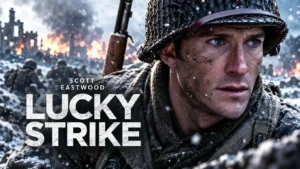
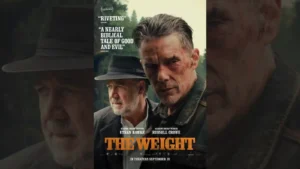
Lucky Strike
Where It Has the Edge
No clear scored advantage over the other product.

Scorata scores summarize analyzed review evidence on a 1–5 scale; they are not laboratory measurements or a simple average of customer star ratings. Feature scores summarize the reviews covering that feature. The overall score averages feature scores within each review, then combines review averages. When both expert and customer evidence are available, those two groups receive equal weight. Products can have different review coverage, so small score gaps do not establish a winner.
Recommendations prioritize important features for the category, with a score of at least 3.5, a gap of at least 0.25 points and at least two supporting reviews per product. Features with widely varying scores or broad connectivity contexts are excluded from recommendations. These safeguards do not establish statistical significance.
Quick verdict
The available evidence supports the recommendation below, but does not establish an overall winner. Check the remaining features against your priorities.
There is not enough comparable review evidence to recommend Lucky Strike over the other product.
Choose The Weight for dialogue quality.
No clear scored advantage over the other product.
Scores are out of 5. Missing scores mean missing review evidence, not a missing feature.
Reused military uniforms and spotless-looking clothes make the period wardrobe unconvincing to a historically minded critic.
Period clothing, especially the worn workwear and denim, is repeatedly credited with helping the 1933 setting feel lived-in and authentic.
Some are impressed by the low-budget wartime visuals, while others find the appearance of battlefield clothing and environments unnaturally clean.
Sets, period vehicles, worn environments, and other production details are consistently credited with making the Depression-era world believable and textured.
Desaturated winter scenery and innovative close-ups offer striking images, though other critics find the look drab or haphazard.
The weathered 1970s throwback look, natural environments, and period imagery are frequently admired. Critics who dissent complain about overly murky images, shallow focus, or stylized framing that distracts from the action.
Lines often feel unnatural and explanatory, especially when explaining the story’s wider importance.
The dialogue is generally praised as sharp and purposeful, with several reviewers singling out the writing enough to want every line to land clearly. Even positive accounts note that some delivery can be very quiet.
The parade of gruesome deaths strikes one critic as gratuitous body counting instead of meaningful drama.
One reviewer approves of the rough, unglamorized handling of violence because it carries emotional impact rather than feeling like polished action spectacle.
The tribute to wartime sacrifice and overlooked radio builders strikes some as meaningful and others as forceful, sentimental propaganda.
Reviewers respond strongly to the film's ideas about labor, class, institutional power, greed, and solidarity. Even when the politics are called direct or blunt, the social message is generally seen as meaningful rather than disposable.
Strong intentions toward authenticity clash with spotless grooming, staged dialogue, and an impossible-looking tank crash.
The grounded locations, practical texture, and believable problem-solving often make the danger feel immediate. However, a few major set-piece choices—especially the bridge solution—are criticized as forced or implausible.
Survivor guilt and a tribute to overlooked contributors move some viewers, yet others feel deaths and the final message lack the emotional groundwork.
Murphy's separation from his daughter gives the film a strong emotional anchor, and several critics find the opening or quieter character beats genuinely affecting. Others feel the movie pushes the pathos too hard or leaves emotional potential underdeveloped.
Soldier banter and one tense roadside meeting work in isolation, but the loss of the unit leaves little believable camaraderie thereafter.
The strongest relationship work comes from the believable camaraderie and friction within the group and the understated connection between Murphy and Anna. A few reviews find some alliances too thinly developed.
Some action editing is judged distracting, with loud cuts and blocking that obscure rather than intensify events.
Editing is a major point of disagreement: some critics call it sharp, intentional, or even stunning, while others say fast cuts and disjointed transitions make climactic action rushed or hard to follow.
Supporters find each encounter meaningful and psychologically tense, while critics see a barely developed hero repeating the same situation.
The drama is strongest when the performances keep the human stakes grounded between bursts of action. Reviewers who mention these quieter scenes often find them among the film's best material.
John Castle has few dimensions beyond his family, engineering job, and determination to survive. His ordeal seldom reveals much deeper individuality.
Some reviews find the travelers distinct, sympathetic, and well-defined enough for their changing dynamics to matter. Others see thin archetypes, an over-idealized protagonist, and underwritten supporting characters.
Supporters admire the escalating danger and purposeful encounters; detractors point to stiff exposition, clichés, and an underwritten hero.
The script earns praise for its premise, momentum, character relationships, and class themes, but reactions are uneven. Critics of it point to contrivances, thin secondary characters, forced beats, and shortcuts in the final act.
Its old-fashioned combat drama and survival challenges please traditional war fans, while others find the genre formulas badly worn.
The film is widely seen as a satisfying throwback survival thriller, with its 1970s-style grit and character-driven adventure earning repeated praise. Even mixed reviews generally recognize the appeal of its old-fashioned genre approach.
Rod Lurie earns credit for precisely staged danger and compelling closeups, but detractors fault unfocused framing and a heavy-handed dramatic payoff.
Padraic McKinley's debut is frequently praised for confidence, atmosphere, and physical staging, especially in the survival set pieces. Dissenting reviews fault uneven visual choices, limited suspense, or action coverage that sacrifices clarity.
Hidden enemies, dangerous strangers, and close-quarters survival generate intense moments, but the revealed survival outcome and obvious twists diminish tension for many.
The bridge and river sequences generate the strongest agreement, with many reviewers describing them as gripping or nerve-racking. Still, a substantial minority feel the film never sustains the white-knuckle tension its premise suggests.
Inventive binocular viewpoints and intense close-ups impress some, whereas others criticize flat winter images and awkward compositions.
The wilderness photography is one of the most consistently praised crafts, with reviewers admiring its foreboding landscapes, period texture, and composed imagery. A few object to murky lighting, shallow focus, or claustrophobic framing.
The soldier-on-the-run premise is riveting to some and hopelessly generic to others. Divisive framing and thin characters make the central story especially contentious.
The core premise—a desperate father leading a dangerous gold transport—is often called a strong, well-told yarn with clear stakes. Less enthusiastic critics find the execution saggy, familiar, or weaker than the setup.
The smaller survival focus sometimes feels fresher than spectacle-driven war epics, but familiar genre turns and predictable rescues dominate many reactions.
Some viewers enjoy the story's surprises and resistance to cookie-cutter plotting, but others see predictable bones and familiar turns beneath the polished execution.
The radio-related reveal and heroism theme touch some viewers; others call the conclusion contrived, confusing, or excessively patriotic.
The finale divides opinion. Some find the hard-won resolution entertaining and emotionally earned, while others think its cheerful turn clashes with the story's darker themes or arrives too neatly.
The opening massacre of Black servicemen promises a meaningful exploration of their story but abruptly moves to a white soldier, frustrating critics.
Anna's assimilation history gives the film some meaningful cultural texture, but multiple reviewers criticize the Native character's narrative function or say the racial politics are too bluntly handled.
Opening detours, a wartime flashback, and a delayed revelation leave many viewers unsure which strands are important.
Several reviewers report moments of confusion, especially during fast-cut action or late-story developments. The underlying mission remains simple, but visual and narrative transitions sometimes make execution harder to follow.
The episodic path through danger steadily escalates for admirers; critics find long walking stretches, confused opening scenes, and little forward momentum.
Pacing is one of the most divided attributes. Positive reviews praise sustained momentum and a confident clip, while critics of the film point to a long setup, a sagging middle, or an overlong runtime.
Survivor guilt, everyday heroism, and the role of unsung wartime engineers provide thematic promise, though not everyone thinks the symbolism lands.
Many critics appreciate the survival story's deeper interest in class, labor, greed, solidarity, fatherhood, and institutional cruelty. Others find those ideas blunt, shallow, or insufficiently explored.
The sniper assault, claustrophobic firefights, and tank escape can be gripping, although underwhelming staging and implausible effects spoil them for some.
The physical set pieces—especially the rope bridge, river crossing, and later confrontations—are often tense, tactile highlights. A minority find some action confusingly cut, implausible, or less exciting than the setup promises.
The dramatic timpani music heightens tension effectively, despite its nostalgic 1950s sound.
The metallic, propulsive score is often praised for adding dread, momentum, and scale to the journey. Some critics find it distracting, overbearing, or stylistically out of place.
Later explosions receive emphatic praise for improving the action’s tangible feel.
Real locations and tactile, practical filmmaking are praised for giving the danger physical credibility and a rugged texture that more polished studio action can lack.
Some details of the Battle of the Bulge ring true, but serious criticism targets the German tank choices and standardized uniforms.
The period setting is largely praised for researched detail, convincing production texture, and Depression-era context. A few critics question specific historical or geographic choices, including how convincingly the Pacific Northwest is represented.
Some call Scott Eastwood riveting and at his career best; others find him wooden, lacking charisma, and overwhelmed by solo screen time.
Ethan Hawke's restrained, gravel-voiced turn is the clearest point of consensus, repeatedly described as the film's anchor and among his strongest recent work. The main reservation is that a few critics find him less convincing in full action-hero mode.
Eastwood’s body language and tense physical acting have admirers, but complaints about forced dialogue and a flat ensemble are persistent.
The cast is widely praised for giving the rugged material credibility, with the strongest notices going to Ethan Hawke and several supporting players. Even more reserved assessments still describe the ensemble as solid.
The closing patriotic song is considered syrupy enough to undercut the final tribute.
The music choices outside the score are much more divisive, especially the anachronistic rock needle drop near the ending. A few viewers enjoy that choice, while several critics call it jarring or tonally wrong.
Aunjanue Ellis-Taylor earns praise despite limited material, while Colin Hanks adds a brief lift; much of the doomed unit is considered forgettable.
Russell Crowe, Julia Jones, Avi Nash, Austin Amelio, and the broader ensemble receive frequent praise for adding menace, warmth, or personality around Hawke. Even reviews critical of the characters often distinguish the performances as strong.
Some experience broad, riveting entertainment; others think it only works for hardened war-film devotees.
Several critics describe the film as crowd-pleasing, theater-worthy adult entertainment, particularly for viewers who miss old-fashioned survival adventures. Others think its slow stretches make streaming a better fit.
Reactions range from tense, immersive engagement to outright boredom, depending on tolerance for the thin lead and old-fashioned episodic structure.
For many reviewers, the straightforward adventure delivers sturdy, old-school entertainment with enough peril and character interplay to stay engaging. More negative critics find it merely agreeable or weighed down by sluggish stretches.
Convincing German- and French-language performances help the WWII setting feel more lived in.
The closing real-soldier photographs are criticized as disconnected from the characters and unearned by the preceding story.
Gritty forests and survival peril make for harrowing wartime atmosphere, although the clean-looking sets and costumes sometimes break the illusion.
The famous names bring curiosity, but Scott Eastwood’s familiarity sometimes makes his survival predictable and his period portrayal unconvincing.
Blurry digital bullets and an exaggerated tank fall are singled out as immersion-breaking effects.
The echoes of John Wayne-era and other classic war films are appealingly nostalgic for some but resemble tired wartime propaganda for others.
The movie rests so heavily on Castle that most supporting roles have scant time to become memorable.
The postwar visit and Black soldiers’ prologue are polarizing: admirers like the payoff about lifesaving radios, while others feel the opening spoils the danger.
Humor is used sparingly but effectively, with reviewers noticing both subtle comic touches in the script and lighter moments that relieve the otherwise grim trek.
An improbably neat leading man, with perfect hair and carefully placed dirt, fails to look sufficiently battered after days of combat.
Suspicious meetings and hidden loyalties surprise some, while others see the clues and outcomes coming far too early.
Mrs. Caldwell is introduced through a moving situation but becomes secondary to a patriotic message instead of receiving an independent story.
The quiet connection between Murphy and Anna works best when treated as mutual respect and tenderness rather than a conventional romance. Several critics, however, find the romantic thread unnecessary, thin, or underdeveloped.
The nearly two-hour length is a recurring drawback, with several reviewers arguing that tighter cuts would improve the film. One more positive assessment considers the 113-minute ride an uncomplicated, worthwhile use of time.
The practical explosions delight one viewer, while poorly rendered digital action attracts criticism elsewhere.
The film's tone is a repeated concern, especially when its grim, punishing journey gives way to a sunnier resolution or an anachronistic musical flourish. Reviewers who raise the issue generally find those shifts mismatched.
The Nazis are clearly dangerous but mostly function as interchangeable brutal obstacles rather than memorable antagonists.
A stranded American soldier makes an easy hero to root for, yet critics often find Castle too remote and lightly defined for emotional investment.
Old-school military banter, measured pacing, and small-scale gunfights evoke fond memories of vintage war films for those who like the style.
The significance of the Lucky Strike cigarette clue is withheld so long that the title feels arbitrary to at least one critic.
Rewatch interest is mixed and sparsely discussed: one critic predicts a long afterlife as a comfort-watch 'dad movie,' while others expect it to be remembered pleasantly rather than revisited often.
Most direct recommendations say the film is worth seeking out, and several specifically encourage seeing its physical set pieces on a big screen. More qualified praise still frames it as worthwhile genre entertainment.
Creaking forests, environmental texture, and impact-heavy action sound are frequently praised for increasing immersion and tension. One notable complaint is a dialogue mix so quiet that lines become difficult to hear.
The 1933 wilderness and labor-camp setting are often described as immersive, lived-in, and carefully developed, giving the heist real social and physical context.

Choose this inventive, unsettling documentary for fearless questioning, dark humor, and unpredictable storytelling. Skip it if you want a short, straightforward exposé with definitive answers.
Pros: originality, humor

Best for a hypnotic, bookish mystery with tactile visuals and cerebral chills. Skip it if reading-heavy, attention-demanding storytelling sounds more exhausting than exciting.
Pros: Atmosphere, cinematography
Cons: audience appeal

Best for an intimate, searching documentary that rewards focused attention and invites discussion. Skip it when devastating grief, addiction footage, and unresolved family tensions would be too much.
Pros: emotional impact, theme depth

Best for patient suspense, an unforgettable score, and an unsettling masked killer. Skip it for very young children or if you want to avoid intense scares; its restrained kills also...
Pros: directing quality, score quality
Cons: message quality