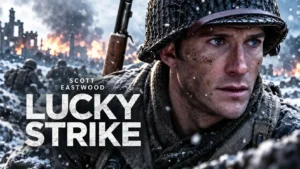
Lucky Strike
Where It Has the Edge
No clear scored advantage over the other product.

Scorata scores summarize analyzed review evidence on a 1–5 scale; they are not laboratory measurements or a simple average of customer star ratings. Feature scores summarize the reviews covering that feature. The overall score averages feature scores within each review, then combines review averages. When both expert and customer evidence are available, those two groups receive equal weight. Products can have different review coverage, so small score gaps do not establish a winner.
Recommendations prioritize important features for the category, with a score of at least 3.5, a gap of at least 0.25 points and at least two supporting reviews per product. Features with widely varying scores or broad connectivity contexts are excluded from recommendations. These safeguards do not establish statistical significance.
Quick verdict
The available evidence supports the recommendation below, but does not establish an overall winner. Check the remaining features against your priorities.
There is not enough comparable review evidence to recommend Lucky Strike over the other product.
Choose Chronovisor for character development and dialogue quality.
No clear scored advantage over the other product.
Scores are out of 5. Missing scores mean missing review evidence, not a missing feature.
Some action editing is judged distracting, with loud cuts and blocking that obscure rather than intensify events.
Carefully timed text, images, and musical cues give the research sequences accumulating momentum. The editing controls each discovery without making static pages feel lifeless.
Opening detours, a wartime flashback, and a delayed revelation leave many viewers unsure which strands are important.
The plotting is considered solid beneath the unusual technique. Repeated clues connect into a structured investigation rather than a loose collection of research fragments.
Supporters admire the escalating danger and purposeful encounters; detractors point to stiff exposition, clichés, and an underwritten hero.
Interconnected setups and payoffs provide a sturdy foundation for the experimental presentation. The unfolding clues are praised for keeping the investigation moving.
John Castle has few dimensions beyond his family, engineering job, and determination to survive. His ordeal seldom reveals much deeper individuality.
The protagonist’s obsession emerges through subtle changes, revealing habits, and increasing loss of identity. Her limited conventional backstory can preserve interpretive room rather than reduce her to a blank surrogate.
The smaller survival focus sometimes feels fresher than spectacle-driven war epics, but familiar genre turns and predictable rescues dominate many reactions.
The obscure story of a machine said to capture the past is celebrated as an extraordinary starting point. Its mystery offers a distinctive alternative to familiar thriller premises.
Survivor guilt and a tribute to overlooked contributors move some viewers, yet others feel deaths and the final message lack the emotional groundwork.
The investigation’s ideas can feel dizzying beyond the library walls. The lead’s emotional grounding also helps draw viewers into the protagonist’s obsession.
Lines often feel unnatural and explanatory, especially when explaining the story’s wider importance.
Lecture jargon and multilingual academic exchanges often sound convincing. The conversations outside the research can nevertheless feel deliberately deadening or dramatically empty.
Strong intentions toward authenticity clash with spotless grooming, staged dialogue, and an impossible-looking tank crash.
The archival foundation and academic lead lend an improbable premise surprising credibility. The filmmakers also acknowledge deliberately unrealistic details of library life and research.
The closing real-soldier photographs are criticized as disconnected from the characters and unearned by the preceding story.
The integration of researched archival media is admired for making the conspiracy feel tangible and surprising. Documents and recordings become lively components of the mystery rather than inert background material.
The tribute to wartime sacrifice and overlooked radio builders strikes some as meaningful and others as forceful, sentimental propaganda.
The celebration of books and physical knowledge is a major strength. Its reflections on historical control and cinema’s power to deceive add substance to the mystery.
Rod Lurie earns credit for precisely staged danger and compelling closeups, but detractors fault unfocused framing and a heavy-handed dramatic payoff.
The directors turn libraries, documents, and a modest budget into an unusually gripping thriller. Their restraint and inventive handling of text draw repeated praise.
The radio-related reveal and heroism theme touch some viewers; others call the conclusion contrived, confusing, or excessively patriotic.
Most praise an eerie, revealing, or boldly unsettling conclusion that pushes beyond the libraries. One dissent finds the ending too literal and expected, while another notes a somewhat conventional final act.
The soldier-on-the-run premise is riveting to some and hopelessly generic to others. Divisive framing and thin characters make the central story especially contentious.
An improbable time-viewing device becomes the basis for a fascinating, book-driven conspiracy story. The journey is widely considered gripping, even when research occasionally feels exhausting.
The famous names bring curiosity, but Scott Eastwood’s familiarity sometimes makes his survival predictable and his period portrayal unconvincing.
Casting an actual academic is repeatedly judged a smart choice. Her comfort with languages and specialized terminology gives the intellectual exchanges unusual credibility.
Hidden enemies, dangerous strangers, and close-quarters survival generate intense moments, but the revealed survival outcome and obvious twists diminish tension for many.
Successive documents and revelations generate remarkable tension from apparently mundane research. The sustained uncertainty and creeping dread make turning a page feel consequential.
The episodic path through danger steadily escalates for admirers; critics find long walking stretches, confused opening scenes, and little forward momentum.
Many find the investigation lean, propulsive, and expertly paced despite its static images. Others note repetition, occasional exhaustion, or the patience needed to settle into its rhythms.
Inventive binocular viewpoints and intense close-ups impress some, whereas others criticize flat winter images and awkward compositions.
Grainy 16mm photography gives paper, lamps, and shadowy academic rooms a striking tactile beauty. Economical camera movements make moments of thought feel like discoveries.
Its old-fashioned combat drama and survival challenges please traditional war fans, while others find the genre formulas badly worn.
The blend of academic mystery, science fiction, and cerebral horror is generally considered compelling. Its austere techniques still require an appetite for unconventional genre storytelling.
Gritty forests and survival peril make for harrowing wartime atmosphere, although the clean-looking sets and costumes sometimes break the illusion.
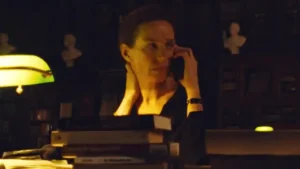
Warm reading lamps, dark libraries, analog media, and a ghostly nighttime city create a seductive atmosphere. Low-key dread persists even when the action is simply reading a page.
Survivor guilt, everyday heroism, and the role of unsung wartime engineers provide thematic promise, though not everyone thinks the symbolism lands.
Ideas about memory, obsession, historical truth, institutional power, and screen-mediated identity give the small-scale story expansive reach. The intellectual ambition is repeatedly praised for connecting the occult premise to contemporary life.
The dramatic timpani music heightens tension effectively, despite its nostalgic 1950s sound.
The orchestral music lends reading and thinking an unexpectedly dramatic weight. Swells and crescendos work closely with the reveals and the timing of text sequences.
Supporters find each encounter meaningful and psychologically tense, while critics see a barely developed hero repeating the same situation.
The few scenes outside the central investigation can feel deadening and dramatically unmotivated. Their deliberate emptiness underscores the protagonist’s urge to return to research.
Soldier banter and one tense roadside meeting work in isolation, but the loss of the unit leaves little believable camaraderie thereafter.
Conversations with colleagues rarely develop personal chemistry. That emotional distance supports the protagonist’s isolation but can make those scenes feel inert.
The practical explosions delight one viewer, while poorly rendered digital action attracts criticism elsewhere.
Superimposed text is praised for fitting elegantly into the photographed pages. Editing tricks help the overlays share the texture of the 16mm footage.
The closing patriotic song is considered syrupy enough to undercut the final tribute.
Holst’s music and Gregorian chants enrich the academic world with grandeur, foreboding, and Gothic color. The selections help bind the film’s varied forms and genres together.
Eastwood’s body language and tense physical acting have admirers, but complaints about forced dialogue and a flat ensemble are persistent.
The central performance makes dense terminology and multilingual exchanges feel credible. Subtle behavioral shifts convey obsession without relying on exaggerated reactions.
Some call Scott Eastwood riveting and at his career best; others find him wooden, lacking charisma, and overwhelmed by solo screen time.
The lead is praised for restrained intelligence, believable academic speech, and convincing tenacity. Small changes in expression and demeanor carry much of the descent into obsession.
Reactions range from tense, immersive engagement to outright boredom, depending on tolerance for the thin lead and old-fashioned episodic structure.
Reading, listening, and following clues prove unexpectedly addictive and spellbinding. The cerebral form delivers a rush of discovery and, for many, a gripping payoff.
Desaturated winter scenery and innovative close-ups offer striking images, though other critics find the look drab or haphazard.
Translated passages glow directly over photographed pages, pulling viewers into the protagonist’s reading process. This inventive visual approach is widely admired, and the filmmakers report that its meaning survives additional subtitles.
Some are impressed by the low-budget wartime visuals, while others find the appearance of battlefield clothing and environments unnaturally clean.
Dark wood, green reading lamps, and secluded academic interiors make scholarship look seductive. The carefully presented library spaces contribute strongly to the analog atmosphere.
Some experience broad, riveting entertainment; others think it only works for hardened war-film devotees.
This is a rewarding but decidedly niche proposition. The very techniques that enthrall some viewers can feel repetitive, austere, or alienating to others.
Convincing German- and French-language performances help the WWII setting feel more lived in.
The sniper assault, claustrophobic firefights, and tank escape can be gripping, although underwhelming staging and implausible effects spoil them for some.
Blurry digital bullets and an exaggerated tank fall are singled out as immersion-breaking effects.
The echoes of John Wayne-era and other classic war films are appealingly nostalgic for some but resemble tired wartime propaganda for others.
The directors’ trust in their cinematographer produced the atmospheric images they wanted. The collaboration is described with clear appreciation for his handling of exposure and lighting.
The opening massacre of Black servicemen promises a meaningful exploration of their story but abruptly moves to a white soldier, frustrating critics.
The movie rests so heavily on Castle that most supporting roles have scant time to become memorable.
The postwar visit and Black soldiers’ prologue are polarizing: admirers like the payoff about lifesaving radios, while others feel the opening spoils the danger.
The commitment to physical historical materials is praised as a principled response to their disappearance into digital systems. Books and archives carry meaning beyond their nostalgic appearance.
A sly sense of humor tempers the scholarly seriousness. The protagonist’s invented academic awards and the film’s tongue-in-cheek handling of its lore provide comic relief.
An improbably neat leading man, with perfect hair and carefully placed dirt, fails to look sufficiently battered after days of combat.
The obscure device and its conspiracy history form an absorbing investigative rabbit hole. Discovery is the main attraction, although one assessment finds some strands less compelling than others.
Suspicious meetings and hidden loyalties surprise some, while others see the clues and outcomes coming far too early.
Mrs. Caldwell is introduced through a moving situation but becomes secondary to a patriotic message instead of receiving an independent story.
Later explosions receive emphatic praise for improving the action’s tangible feel.
The chills arise from uncanny suggestion and an unsettling climax rather than spectacle. Several assessments single out the finale as particularly frightening or spine-tingling.
Silliness, menace, nostalgia, and speculative mystery are woven together with a playful touch. The many influences are judged to complement rather than overwhelm the whole.
The Nazis are clearly dangerous but mostly function as interchangeable brutal obstacles rather than memorable antagonists.
The parade of gruesome deaths strikes one critic as gratuitous body counting instead of meaningful drama.
A stranded American soldier makes an easy hero to root for, yet critics often find Castle too remote and lightly defined for emotional investment.
Old-school military banter, measured pacing, and small-scale gunfights evoke fond memories of vintage war films for those who like the style.
The significance of the Lucky Strike cigarette clue is withheld so long that the title feels arbitrary to at least one critic.
Reused military uniforms and spotless-looking clothes make the period wardrobe unconvincing to a historically minded critic.
The opening restaurant mix can make dialogue difficult to hear. The filmmakers explain that the obscured words were intentional, reflecting the sound of a busy restaurant.
The film builds a convincing world suspended between everyday scholarship and supernatural possibility. Its analog spaces make uncertainty about the invention feel unusually tangible.
Some details of the Battle of the Bulge ring true, but serious criticism targets the German tank choices and standardized uniforms.
Aunjanue Ellis-Taylor earns praise despite limited material, while Colin Hanks adds a brief lift; much of the doomed unit is considered forgettable.
The unresolved questions leave a desire to revisit individual frames and search for hidden meaning. Its secrets can linger beyond a first viewing.

A deeply human coming-of-age drama carried by remarkable performances and an honest portrayal of grief. Its gentle optimism moves most viewers, though some find the final stretch hurried or overly...
Pros: Grief portrayal, acting performance
Cons: pacing

Billie Jean King’s magnetic first-person storytelling makes this an exhilarating portrait of athletic courage and social change. The filmmaking follows a familiar documentary structure, and her full tennis résumé gets...
Pros: entertainment value, Biographical coverage
Cons: Narrative structure

Choose this inventive, unsettling documentary for fearless questioning, dark humor, and unpredictable storytelling. Skip it if you want a short, straightforward exposé with definitive answers.
Pros: originality, humor

A singular voice, powerful piano playing and intimate film photography make this concert absorbing for receptive listeners. Its uninterrupted, often similar-sounding songs and lack of background context are an acquired...
Pros: directing quality, cinematography
Cons: pacing, Song variety