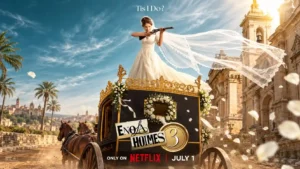
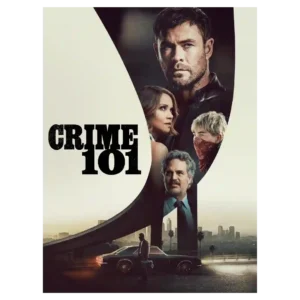
Enola Holmes 3
Where It Has the Edge
No clear scored advantage over the other product.

Scorata scores summarize analyzed review evidence on a 1–5 scale; they are not laboratory measurements or a simple average of customer star ratings. Feature scores summarize the reviews covering that feature. The overall score averages feature scores within each review, then combines review averages. When both expert and customer evidence are available, those two groups receive equal weight. Products can have different review coverage, so small score gaps do not establish a winner.
Recommendations prioritize important features for the category, with a score of at least 3.5, a gap of at least 0.25 points and at least two supporting reviews per product. Features with widely varying scores or broad connectivity contexts are excluded from recommendations. These safeguards do not establish statistical significance.
Quick verdict
The available evidence supports the recommendation below, but does not establish an overall winner. Check the remaining features against your priorities.
There is not enough comparable review evidence to recommend Enola Holmes 3 over the other product.
Choose Crime 101 for drama quality and tonal consistency.
No clear scored advantage over the other product.
Scores are out of 5. Missing scores mean missing review evidence, not a missing feature.
Questions about adulthood and historical wrongdoing add heavier stakes, but some find these dramatic threads poorly balanced or underdeveloped.
The character-first crime drama is often more compelling than the mechanics of the heist itself. The moral pressure on Mike, Lou, and Sharon gives the thriller more emotional weight than a simple cops-and-robbers setup.
The dialogue is faulted by one critic for sounding engineered for short viral moments instead of natural, well-developed scenes.
The dialogue is often praised as intelligent, efficient, and witty, especially when it lets character subtext do the work. One notably negative take found the conversations flat and unengaging.
A conspicuously computer-generated appearance at the climactic wedding undercuts the illusion in an otherwise lavish-looking production.
Digital effects are intentionally unobtrusive, with nighttime composites and touch-ups blending into the frame rather than calling attention to themselves.
The approachable tone and positive relationships suit some families, but violent confrontations and colonial atrocities complicate an all-ages recommendation.
Family-oriented assessments strongly advise against it because of profanity, violence, sexual content, nudity, and a morally permissive ending.
Barantini makes strong use of Malta and some kinetic camera moves, but his uneven handling of plot, action clarity, and changing tone divides critics.
Bart Layton’s controlled direction is a major strength, particularly in the car chases, slow-burn tension, Los Angeles atmosphere, and clear staging. Even detractors generally concede the film is polished and competently made.
The screenplay tries to combine family stakes, romance, treasure, and colonial injustice; critics often find that mix contrived or overly busy.
The script gets strong marks for subtext, character motivation, intelligent dialogue, and letting viewers infer rather than overexplaining. Its weaknesses are familiar templates, too many subplots, and occasional contrivance.
The transition toward adulthood and colonial injustice sometimes clashes with the franchise’s previously buoyant, youth-oriented adventure style.
The restrained character drama and bursts of action mostly coexist well, but a few viewers notice character or subplot shifts that make the movie feel uneven in places.
The wedding-day kidnapping, hidden gold and colonial conspiracy supply plenty of incidents, but several critics find them formulaic, scattered or flat.
The story is usually considered solid, intelligent, and engaging, especially when it concentrates on character and moral pressure. Its familiar framework, crowded subplots, and uneven payoff keep it from universal enthusiasm.
Kidnappings, coded clues, and political revelations sometimes become a tangle, while others find the straightforward detective trail easy to follow.
The interlocking storylines generally come together, but the broad ensemble can feel busy and occasionally contrived. Some viewers found it easy to follow, while others needed time for the early pieces to click.
The maturing relationship and a heartfelt Holmes family reconciliation give the lightweight adventure some affecting moments.
Emotional response is split: some found the character transformations unexpectedly moving, while others felt the cool tone and familiar arcs kept the payoff muted. The strongest reactions come from viewers who connect with the characters’ personal crossroads.
The heroine’s cheeky asides and Eudoria’s eccentricity keep some viewers smiling, while others find the comedy strained or less effective than before.
Dry jokes and understated comedy work well against the movie’s serious tone, giving viewers brief releases from the tension without turning the film into a comedy.
It leans further into chases, conspiracy and romance, reducing the precise detective work that originally made the Holmes name satisfying.
For crime-thriller fans, the movie largely delivers the old-school pleasures it promises: professional criminals, a dogged cop, slow-burn tension, and muscular car chases. Its familiarity keeps it below the genre’s classics for some viewers.
Critics frequently find the case formula familiar and its deductions less surprising than in previous installments.
The core cops-and-robbers story is repeatedly called familiar, derivative, or built from well-known archetypes. A few viewers still find enough fresh character perspective and twists to keep it from feeling purely recycled.
Enola and Tewkesbury’s affection supplies warmth and some memorable quiet moments; detractors feel wedding drama displaces sharper sleuthing.
Mike and Maya have charm and believable chemistry, but the romance is one of the most common targets for trimming. Several critics see it as forced, underdeveloped, or a distraction from stronger character material.
The treatment of gender, independence, and Britain’s imperial history is applauded by some for giving the adventure substance, while others call it blunt or poorly integrated.
The movie’s ideas about class, work, morality, and self-interest divide opinion. Some find them meaningful and well integrated, while family-oriented and skeptical critics see the moral framing as muddled, shallow, or too forgiving of crime.
The quick-cut approach divides opinion: some love its zippy energy and illustrated clues, while others find action continuity confusing and the flashbacks distracting.
The best notices praise fluid cross-cutting, clear geography, and smooth handling of multiple storylines. The main criticism is that the film still feels overlong, with some editors wishing the same material had been cut far more aggressively.
At roughly 105 minutes, it is shorter than the preceding films and often feels brisker, though some viewers still find the ending stretched or the middle slow.
The roughly 140-minute length is one of the most repeated concerns. Some viewers say it flies by or earns the space through atmosphere and character work, but many believe a tighter cut would be substantially stronger.
Questions of identity, freedom, privilege and British colonialism add substance, but their execution can seem blunt or too lightly explored.
Class inequality, workplace exploitation, personal codes, corruption, control, and moral compromise give the thriller more to chew on than its heist mechanics alone. Opinions split on whether those ideas are deeply explored or only gestured toward.
Chases, brawls, and escapes provide bursts of excitement for many viewers, although a few find the action awkwardly staged or surprisingly scarce.
The car chases and heist bursts are usually crisp, tense, and easy to follow, with several critics calling them standout sequences. A smaller group wanted more action or found the set pieces less thrilling than the build suggested.
Sunlit Maltese streets, coastlines, and handsome period compositions earn frequent praise, though some question the camera work in action scenes.
Los Angeles is photographed with polished night imagery, freeway geography, and a strong sense of place; the look is one of the most consistently praised elements. Only a few critics found some night scenes too dark or derivative of Michael Mann.
Some admire the quick pace and shorter running time; others find abrupt cuts exhausting, slow stretches dull, or the conclusion drawn out.
Pacing is mixed: the slow-burn rhythm works for viewers who enjoy character detail, but many still feel the middle stretches drag or that 15–30 minutes could be cut. The action beats usually restore momentum when they arrive.
Enola’s decision about marriage and independence makes her growth a central attraction, though some find the writing of her adulthood shallow or uneven.
The central thief, detective, and insurance broker often feel more layered than stock genre roles, and their moral crossroads are a major draw. The crowded ensemble also leaves several side characters and subplots thin or underexplored.
The central romance is frequently praised for its convincing, playful connection. The limited Enola–Sherlock partnership disappoints viewers who loved their earlier banter.
Character pairings are a consistent strength, especially Hemsworth with Ruffalo, Berry, and Barbaro. The interpersonal spark helps the film stay engaging even when the plot slows down.
Some find the emotional resolutions satisfying and fittingly conclusive; others complain that the finale goes on too long or ties loose ends too neatly.
The finale is the clearest dividing line. Some love its clean character closure and satisfying payoffs, while others find it rushed, too tidy, morally soft, or simply unable to cash in the tension built beforehand.
The musical accompaniment is praised for fitting the adventure and adding energy without dominating the scenes.
The synth-heavy Blanck Mass score is a standout, repeatedly praised for pulsing tension, melancholy, and late-night heist energy without overpowering the images.
Playful visual effects enhance the film's upbeat, puzzle-solving style, working especially well with its quick, lively editing.
Visual effects are used sparingly and blend into the environments, supporting the physical crime-thriller aesthetic instead of dominating it.
The Malta scenery, brisk montages, animations, and direct-to-camera flourishes retain much of the series’ look, but they are not universally charming.
The sleek neo-noir look, night driving, glossy interiors, and L.A. skyline imagery are major selling points. It is stylish and cinematic even when critics argue that the aesthetic borrows heavily from earlier crime films.
Detailed Victorian outfits and eye-catching wedding looks are a major attraction, although one critic finds the styling less authentic than before.
Wardrobe choices help signal power, age, status, and personality, from Sharon’s polished professional armor to Ormon’s louder styling. The fashion work adds character information without needing extra exposition.
Malta’s historic architecture, lavish interiors, and Victorian details create an attractive backdrop for the caper.
The polished offices, luxury spaces, hotels, and wealthy-client environments give the movie a convincing high-end sheen. The craft is repeatedly cited as part of the film’s unusually strong production value.
Returning fans can expect the same spirited tone and playful personality that made the earlier adventures appealing, although the sequel is less inviting to anyone tired of its familiar style.
The film plays especially well for adults who miss old-school crime thrillers, with many calling it highly watchable or theater-worthy. Its long runtime and weak theatrical turnout temper that enthusiasm.
A good number find this a breezy, enjoyable Netflix adventure despite modest detective ambitions. Others see a noticeable case of sequel fatigue.
Most reactions land on enjoyable-to-excellent, especially for viewers who want a polished adult crime movie with stars, cars, and tension. A minority found the long, familiar story boring or forgettable.
The cast and sweet romance could make this easy to revisit for a casual movie night, but its forgettable central mystery reduces lasting appeal.
Memorability splits sharply: some expect the movie to fade quickly, while enthusiastic viewers already want to revisit it for the atmosphere, character details, and heist construction. Familiarity may make it comfortable rewatch material rather than an unforgettable classic.
Millie Bobby Brown is frequently singled out for charisma, warmth, and ease as Enola, although some find her newly mature portrayal more stiff or mannered.
Chris Hemsworth’s restrained, vulnerable take on Mike is widely praised as a welcome change from his bigger action roles. A few critics find the character too blank or dull, but the overall response to the lead performance is strongly positive.
Helena Bonham Carter is a frequent scene-stealer, and Patel and other returning players earn praise; some critics wish the ensemble had more to do.
Mark Ruffalo, Halle Berry, Barry Keoghan, and the wider ensemble are a major asset, often giving familiar archetypes distinctive personality. Individual complaints focus more on underwritten roles or casting fit than a weak ensemble overall.
An energetic central cast generally remains engaging, with Brown and several character actors carrying even the more awkward stretches.
The ensemble is one of the film’s safest bets: strong, committed performances repeatedly lift familiar material. Even cooler reactions tend to blame thin roles or the script more than the cast as a whole.
Heavy profanity, strong violence, sexual material, and nudity make this a poor fit for younger viewers in the family-focused assessments.
Enola’s spirit and independence keep her likable even when her decisions frustrate viewers. A few think the more mature heroine lacks some earlier playfulness.
The critical reaction discussed in the videos is broadly favorable, with the film described as solid, well-crafted, and stronger than its modest theatrical performance suggests.
Callbacks and reminders of earlier adventures make the journey feel nostalgic, even when the heavy use of flashbacks is questioned.
Enola’s direct-to-camera commentary adds personality and wit for many, while dissenters find the knowing asides increasingly cutesy or repetitive.
Illustrated collages, sketches and other animated flourishes lend the detective adventure a whimsical visual signature without interrupting the storytelling.
Malta brings welcome sunshine and color, although critics who prefer the earlier films’ cozy London mood find the new setting and serious tone less inviting.
One objection to the casting centers on its approach to Dr. Watson, which a critic finds unconvincing despite otherwise praising the film's performances.
One cast interview praises the playful, organic work between colleagues, while a critic believes the creative-team shift has damaged the series’ tone.
Watson and the returning cast enrich the relationships, but sidelining Sherlock and underusing some newcomers leaves viewers wanting more interplay.
The adaptation is generally seen as respectful of Don Winslow’s material and its central moral code, though some details from the novella are streamlined or lost. One negative assessment felt the film was notably less compelling than the source.
The Holmes relationships and mother’s eccentric help remain appealing, but Sherlock’s disappearance sidelines the sibling interplay many wanted.
Familiar fourth-wall asides and returning characters keep the series recognizable, but many feel the third case lacks its predecessors’ sparkle and freshness.
Loyal companions work together to rescue family members and recover stolen treasure, emphasizing support and mercy.
The profanity is judged excessive by the family-focused sources, including repeated f-words that make the dialogue unsuitable for viewers avoiding strong language.
One critic says conspicuously contemporary makeup undermines the Victorian look and distracts from the period atmosphere.
The detective puzzle is the most divisive element: several find it lively or twisty, but many say the clues are simplistic, conveniently placed, or less clever than before.
Flashbacks refresh earlier relationships and plot points, useful for viewers returning after a gap, but their frequency can disrupt the flow.
Some viewers enjoy the surprises, but many regard the revelations as predictable or unearned rather than the payoff to good deductions.
Enola’s determination to keep her professional identity while choosing love offers an affirming image of independence.
The grounded cars, physical action, and procedural detail help sell the world, but several plot conveniences and implausible escapes break that realism. The result feels tactile even when the story mechanics strain belief.
Family-content assessments criticize the sexual material and nudity as frequent or unwelcome, making the movie a poor fit for viewers seeking restrained adult content.
Several praise energetic chases and forceful hand-to-hand fights, but others see awkward choreography or disorienting edits.
Slow-burn tension is one of the film’s strongest qualities, with the Mike-Ormon friction, police pursuit, and major heist keeping many viewers locked in. A few critics feel the tension never rises enough or is isolated mainly to the action scenes.
Moriarty can be deliciously theatrical and intimidating, but the character is repeatedly faulted for thin motivation and cartoonish menace.
The violence is frequent and intense but generally not described as gory; some mainstream critics appreciate that restraint. Family-focused sources still consider the level too strong for younger or sensitive viewers.
The Victorian setting and colonial context lend interest, but at least one critic finds modern makeup and costumes distracting from period credibility.
The serious soundtrack is used effectively against the film’s dry humor, making jokes land harder through tonal contrast.
Theatrical value depends heavily on tolerance for the runtime: several viewers recommend paying for a premium or full-price screening, while others say the slow pace makes waiting for streaming the better choice.
Los Angeles is treated almost like another lead, with highways, beaches, luxury spaces, and street-level contrasts making the city feel integral to the characters and crime story.

A deeply human coming-of-age drama carried by remarkable performances and an honest portrayal of grief. Its gentle optimism moves most viewers, though some find the final stretch hurried or overly...
Pros: Grief portrayal, acting performance
Cons: pacing

Billie Jean King’s magnetic first-person storytelling makes this an exhilarating portrait of athletic courage and social change. The filmmaking follows a familiar documentary structure, and her full tennis résumé gets...
Pros: entertainment value, Biographical coverage
Cons: Narrative structure

Choose this inventive, unsettling documentary for fearless questioning, dark humor, and unpredictable storytelling. Skip it if you want a short, straightforward exposé with definitive answers.
Pros: originality, humor

A singular voice, powerful piano playing and intimate film photography make this concert absorbing for receptive listeners. Its uninterrupted, often similar-sounding songs and lack of background context are an acquired...
Pros: directing quality, cinematography
Cons: pacing, Song variety