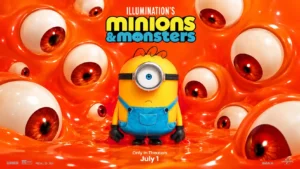
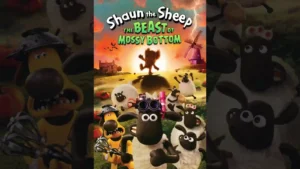
Minions & Monsters
Where It Has the Edge
- production design is 5.0 vs 4.7. Detailed recreations of 1920s Hollywood and crowded studio backlots give the comedy a richer setting than usual.

Scorata scores summarize analyzed review evidence on a 1–5 scale; they are not laboratory measurements or a simple average of customer star ratings. Feature scores summarize the reviews covering that feature. The overall score averages feature scores within each review, then combines review averages. When both expert and customer evidence are available, those two groups receive equal weight. Products can have different review coverage, so small score gaps do not establish a winner.
Recommendations prioritize important features for the category, with a score of at least 3.5, a gap of at least 0.25 points and at least two supporting reviews per product. Features with widely varying scores or broad connectivity contexts are excluded from recommendations. These safeguards do not establish statistical significance.
Quick verdict
The review evidence points to a tradeoff: production design versus humor and entertainment value. Choose according to which strengths matter more to you; the overall score alone does not settle that choice.
Choose Minions & Monsters for production design.
Choose Shaun the Sheep: The Beast of Mossy Bottom for humor and entertainment value.
Scores are out of 5. Missing scores mean missing review evidence, not a missing feature.
The monster threat is mostly predictable, so few viewers expect genuine tension.
Monster pursuits and home-invasion-style sequences create real excitement and child-safe tension without turning harsh.
The warm Hollywood tribute and louder save-the-world cartoon battle do not always fit neatly together.
Spooky lighting and suspense repeatedly pivot into slapstick, maintaining a controlled balance between Halloween atmosphere and lighthearted charm.
The movie-making goal is easy to follow, but several unrelated-looking threads and a late monster pivot confuse some viewers.
The simple chain of cause and effect is easy for young viewers to follow even without spoken explanation.
The old-studio setting gives familiar Minion slapstick a surprisingly inventive twist, even when the monster finale falls back on formula.
The main recurring criticism is that the creature-transformation plot closely echoes earlier Shaun and Wallace & Gromit stories.
Coffin’s playful word salad earns laughs, although not every viewer enjoys the limited spoken language.
The almost dialogue-free storytelling remains remarkably clear, using pantomime, expressions, sounds, and sequencing to communicate plot and emotion across languages.
Minionese remains amusing for many, but some parents may be surprised by isolated rude wordplay.
The only coarse language noted is assessed as very mild, supporting the film's broad family suitability.
Several viewers enjoy the sentimental filmmaking payoff, though others consider the final stretch overblown or shallow.
The climax delivers scale and movement, though a few reviewers feel its extended chase loses steam or becomes briefly generic.
The monster summons and peril may cause brief apprehension, but the creatures are largely comical and colorful rather than sustained horror.
The scares are deliberately mild: shadows and transformations create brief tension, but silly reveals, cute creature design, and known identities keep young viewers comfortable.
For many families, the colorful slapstick and 90-minute length make an enjoyable outing. Some object to the frantic tone or a few surprisingly dark jokes.
Reviewers repeatedly recommend it as family viewing: the scares stay gentle, children get the slapstick, and adults receive richer genre jokes.
James’ ambition to make a movie adds a modest character arc, but viewers disagree about whether these mostly gibberish-speaking leads can carry genuine drama.
Most reviewers admire how distinct personalities and relationships emerge without speech, though a few find Shaun's characterization or newer characters thinner than usual.
The unusual Dort-and-Debbie romance charms some viewers, while others find it a distracting diversion. A few wanted a clearer romantic resolution for James and Henry.
The shy Farmer-Vet romance is consistently called sweet and endearing, adding gentle feeling behind the monster-movie plot.
Familiar Minion chaos and sight gags deliver the expected comedy, although the monster part of the premise arrives late.
Its loving monster-movie homages, cozy autumn mood, and spooky-not-scary approach make it a particularly satisfying Halloween gateway film.
The physical gags and Old Hollywood jokes bring plenty of laughs, especially in the opening half. Reactions split when the comedy turns into nonstop Minion noise and repetitive slapstick.
Visual gags, slapstick, facial reactions, and horror riffs generate a very high laugh rate, although a few critics find some jokes stretched or less sharp than earlier outings.
The filmmaking premise gives the Minions more purpose than usual, but a competing robot subplot and conventional monster battle make the narrative feel uneven.
The clear, warm story works well as a vehicle for gags, though its simplicity and familiar structure keep it below Aardman's most acclaimed features for some critics.
The polished, bright animation and inventive period-film textures impress most viewers, although a vocal minority still finds Illumination’s look bland or unattractive.
The handcrafted stop-motion is the clearest consensus strength: tactile, meticulously detailed, expressive, and technically ambitious, especially in its animated hair and elaborate sets.
The creative-dreams plot and friendship produce some unexpected feeling, but a few find the emotional ending forced or hollow.
Tender affection for the Farmer and a few heartfelt moments add warmth, but some critics wish the familiar story had a stronger emotional hook.
The opening Hollywood adventures move with comic energy, while the later monster turn can feel prolonged, overstuffed, or oddly rushed despite a short runtime.
Most find the 80-minute film brisk, but some notice a slow setup, repetitive stretches, or energy that occasionally becomes overwhelming.
Creative aspiration, friendship, and the shared pleasure of moviemaking add unexpected warmth, although a few viewers find the message superficial.
The story's messages about self-acceptance, loyalty, accountability, and avoiding snap judgments are warmly received without becoming heavy-handed.
The Western pursuit and runaway-train chase draw repeated praise for speed and visual ingenuity, while the later world-saving battle is more divisive.
Chases, escalating mishaps, and the giant-pumpkin climax provide energetic spectacle while preserving clear visual comedy.
The musical score and lively cues support the fast action and nostalgic cinematic flavor without overwhelming the comedy.
Natalie Holt's lively, expressive score does crucial emotional and comic work, with horror textures that reinforce the seasonal atmosphere.
At about 90 minutes, it is compact enough for many families; its restless pace nevertheless feels too long to some viewers.
At roughly 80 minutes, the film is usually considered breezy and well-sized, though one critic thinks the slight premise still feels stretched.
Guest voices have personality, though some viewers feel parts waste the performers’ talents.
The nearly wordless vocal work gives the characters lively personalities through grunts, sighs, bleats, and perfectly timed reactions.
A few viewers expected monsters to dominate the adventure sooner and felt the trailers oversold that part of the plot.
One review finds the trailer misleading because the horror emphasis largely fades after the opening act, even though parents may welcome the gentler result.
Detailed studio backlots and lovingly imagined 1920s Los Angeles help make the film-history world feel unusually rich.
Expanded locations beyond the farm make Mossingham feel larger, though one critic finds some of the world-building plodding and underdeveloped.
Old-film visual techniques and detailed animation help freshen the bright Minions look, but a few find the result unattractive.
Rich autumn colors, neon laboratory light, expressive shadows, and lovingly built sets give this entry a vibrant Halloween identity.
Detailed recreations of 1920s Hollywood and crowded studio backlots give the comedy a richer setting than usual.
Pumpkin patches, windmill laboratories, autumn streets, forests, and docks are packed with tactile detail, strong color, and clever background business.
Its film-history passion gives critics an unexpected source of admiration, though approval is far from universal.
The film's near-perfect aggregate scores and glowing critical notices show unusually strong critic appeal.
Colorful cartoon danger is broadly accessible, though the darker death gags and spellbook scenes justify parental discretion for younger children.
Reviewers consistently see this as suitable for young children, though one family guide recommends parental guidance for the mild Halloween imagery.
The Minions still hold children’s attention remarkably well, even when adult viewers are less convinced by their nonstop antics.
The film reaches children through slapstick and simple plotting while giving adults horror references and background jokes, although one critic finds it too mild for broad crossover appeal.
Its cheerful energy and clever movie references win over many viewers, including a few longstanding skeptics; others find the relentless gags exhausting.
The overwhelming verdict is delightful, joyful entertainment, with even cooler reviews still finding it charming and enjoyable.
Layered sight gags and hidden film references reward repeat viewing for some, while others consider it a one-and-done cartoon.
Several reviewers expect the film to become an annual Halloween watch that parents will not mind revisiting with children.
The studio streets and cinema-history recreations give 1920s Hollywood a lively, affectionate feel.
Affection among Shaun, the flock, Bitzer, and the Farmer comes through clearly in their actions, giving the comic chaos a warm emotional center.
The celebrity voice cast supplies distinctive comic personalities; several performances are standouts even when the writing underserves them.
The brief George Lucas appearance gets especially enthusiastic reactions, and cinephiles enjoy the unexpected Hollywood guest appearances.
Crisp character animation and translucent blob effects are visually polished, even if the aesthetic does not suit everyone.
Careful framing, lighting, shadow, and visual invention make the miniature environments feel cinematic and support both suspense and comedy.
The silent-film tributes, recognizable pioneers, and recreations of movie history are the clearest creative highlight. Film enthusiasts have the most fun spotting the affectionate details.
James and Henry’s shared filmmaking project presents teamwork and making art together as an appealing alternative to following bad leaders.
Its casually inclusive portrait of modern British life is praised for feeling cheerful and natural rather than self-conscious.
The gibberish can be surprisingly understandable, and human voices help carry the plot when Minionese becomes tiring.
The feature direction is mostly praised for warmth and clarity, though one critic detects hesitation compared with earlier Aardman films.
Its filmmaking ambitions lend the minions a little extra heart, but dramatic stakes remain lightweight.
Crisp editing keeps complicated visual gags readable and builds infectious momentum without rushing past background jokes.
The credits include playful gags and franchise callbacks worth staying for, although one viewer disliked their drawn-out filler.
Smaller character arcs and lively supporting roles make the sprawling cast more enjoyable than the simple central plot alone.
The studio-head jokes and riffs on corporate doublespeak give the film a self-aware Hollywood bite.
The museum setup and film-within-a-film reveal fit the movie-history concept, but the device strikes some as unnecessary or too cute.
Many see this film as one of the Minions’ freshest adventures, though others still believe the characters work better alongside Gru.
James and Henry’s mutual encouragement brings sweetness to the chaos and makes their filmmaking ambitions more engaging.
The close James-and-Henry bond inspires a romantic reading for some, but one viewer wished the movie had made that possibility explicit.
Dort’s ambiguous identity adds a playful mystery to the romantic side story.
One reveal ties the exaggerated fantasy back to the movie-within-a-movie concept in a way a viewer found surprisingly clever.
Brief rear-end nudity and suggestive visual jokes are cartoonish, but their presence may matter for families seeking a completely clean comedy.
The film lightly explores self-acceptance, appearances, impulsive choices, and fear of the misunderstood without weighing down the comedy.
The cute villainous creatures and awkward robot amuse some viewers, but others consider the antagonists thin, annoying, or forgettable.
Slapstick is mostly bloodless, but a beheading and several cartoon deaths give the PG action a darker edge than some parents expect.
The screenplay's escalation, visual construction, and generational jokes earn strong praise, though a few critics view the feature as padded or repetitive.
James and Henry add charm and purpose to the Minions, while reactions to Dort and the new supporting monsters range from delightful to irritating.
Loving nods to old Hollywood make the movie particularly appealing to viewers nostalgic for vintage film comedy.
The title promises a monster-centered romp, but one viewer found the monsters too forgettable to deserve equal billing.
Pierre Coffin’s energetic gibberish and a game guest cast keep the characters lively, although some find certain parts underused.
Goomi and the huge translucent blob draw some affection, but supporting monsters frequently strike viewers as generic and forgettable.
Inventive effects, vocal noises, and precisely timed cues strengthen both atmosphere and punchlines in a film that cannot lean on dialogue.
The mix of silent-era and later cinema references takes liberties with dates, but one viewer forgives them as part of the homage.
The Farmer's nonverbal performance is singled out as brilliant, turning grunts and physical reactions into a comic lead turn.
Musical selections delight some reviewers, but others find the pop-song needledrops jarring or unnecessary beside the orchestral score.
Nina Sosanya's limited-vocabulary supporting performance stands out for bringing confidence and personality to the Vet.
Moviegoers are divided about the price of a ticket: the shared family fun works for some, while others suggest streaming instead.

Choose this inventive, unsettling documentary for fearless questioning, dark humor, and unpredictable storytelling. Skip it if you want a short, straightforward exposé with definitive answers.
Pros: originality, humor

Best for a hypnotic, bookish mystery with tactile visuals and cerebral chills. Skip it if reading-heavy, attention-demanding storytelling sounds more exhausting than exciting.
Pros: Atmosphere, cinematography
Cons: audience appeal

Best for an intimate, searching documentary that rewards focused attention and invites discussion. Skip it when devastating grief, addiction footage, and unresolved family tensions would be too much.
Pros: emotional impact, theme depth

Best for patient suspense, an unforgettable score, and an unsettling masked killer. Skip it for very young children or if you want to avoid intense scares; its restrained kills also...
Pros: directing quality, score quality
Cons: message quality