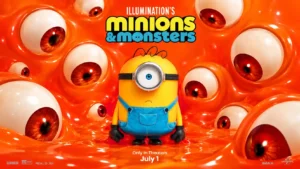
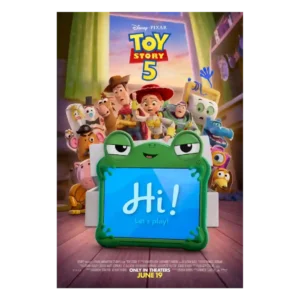
Minions & Monsters
Where It Has the Edge
- score quality is 4.8 vs 4.5. The musical score and lively cues support the fast action and nostalgic cinematic flavor without overwhelming the comedy.

Scorata scores summarize analyzed review evidence on a 1–5 scale; they are not laboratory measurements or a simple average of customer star ratings. Feature scores summarize the reviews covering that feature. The overall score averages feature scores within each review, then combines review averages. When both expert and customer evidence are available, those two groups receive equal weight. Products can have different review coverage, so small score gaps do not establish a winner.
Recommendations prioritize important features for the category, with a score of at least 3.5, a gap of at least 0.25 points and at least two supporting reviews per product. Features with widely varying scores or broad connectivity contexts are excluded from recommendations. These safeguards do not establish statistical significance.
Quick verdict
The review evidence points to a tradeoff: score quality versus entertainment value and humor. Choose according to which strengths matter more to you; the overall score alone does not settle that choice.
Choose Minions & Monsters for score quality.
Choose Toy Story 5 for entertainment value and humor.
Scores are out of 5. Missing scores mean missing review evidence, not a missing feature.
The monster threat is mostly predictable, so few viewers expect genuine tension.
The rescue missions and converging storylines maintain enough urgency to support the comedy and emotion. The suspense is family-friendly but effective, especially once the separate threads begin to connect.
Its filmmaking ambitions lend the minions a little extra heart, but dramatic stakes remain lightweight.
Jessie’s fear of abandonment and Bonnie’s social isolation give the adventure genuine dramatic weight. The strongest scenes approach classic Pixar intensity, though some emotional turns feel engineered.
The old-studio setting gives familiar Minion slapstick a surprisingly inventive twist, even when the monster finale falls back on formula.
The screen-time threat is a clever, timely reason to revisit the toys and modernize the original film’s old-versus-new conflict. Some still see the premise as another variation on abandonment and obsolescence rather than a truly new story.
The warm Hollywood tribute and louder save-the-world cartoon battle do not always fit neatly together.
The film balances warm comedy, melancholy, and a cautionary technology message, though its optimism can feel overly mild. The emotional and comic tones generally coexist better than the sermonizing and adventure elements.
The creative-dreams plot and friendship produce some unexpected feeling, but a few find the emotional ending forced or hollow.
Jessie’s abandonment fears and Bonnie’s loneliness produce several powerful, tear-jerking moments. The sentiment lands deeply for many, though some find it manipulative or less potent than the earlier films.
James’ ambition to make a movie adds a modest character arc, but viewers disagree about whether these mostly gibberish-speaking leads can carry genuine drama.
Moving Jessie into the lead gives her room to confront abandonment, prejudice, and responsibility while Bonnie becomes a more fully realized child. The shift refreshes the ensemble even when some legacy characters receive little to do.
The unusual Dort-and-Debbie romance charms some viewers, while others find it a distracting diversion. A few wanted a clearer romantic resolution for James and Henry.
The Buzz-and-Jessie romance provides a few sweet or funny moments, but it is often treated as a distraction from the stronger friendship and belonging themes. Its proposal thread divides attention in an already busy story.
Familiar Minion chaos and sight gags deliver the expected comedy, although the monster part of the premise arrives late.
As an animated family adventure, the film supplies humor, warmth, action, and accessible emotion. It works especially well for families comfortable with its screen-time warning and bittersweet themes.
For many families, the colorful slapstick and 90-minute length make an enjoyable outing. Some object to the frantic tone or a few surprisingly dark jokes.
The film retains the accessible adventure, warmth, and moral clarity expected from Toy Story. Its mild double entendres and potty jokes are the main content caveats for younger children.
Coffin’s playful word salad earns laughs, although not every viewer enjoys the limited spoken language.
The verbal gags are quick, character-based, and well paired with the visual comedy. Smarty Pants and the older toys get many of the sharpest lines.
The monster summons and peril may cause brief apprehension, but the creatures are largely comical and colorful rather than sustained horror.
The screen-addiction imagery carries an effective digital-horror edge without turning the film into something too frightening for its family audience. The unease comes more from recognizable behavior than conventional peril.
Creative aspiration, friendship, and the shared pleasure of moviemaking add unexpected warmth, although a few viewers find the message superficial.
The call for balanced screen use, imaginative play, and face-to-face friendship feels timely and thoughtful at its best. The main divide is whether the film finds useful nuance or slips into heavy-handed anti-tech scolding.
Several viewers enjoy the sentimental filmmaking payoff, though others consider the final stretch overblown or shallow.
The final act brings the storylines together and delivers a strong Jessie-centered emotional payoff. Some see a satisfying landing, while others feel the catharsis is manipulative or cannot fully justify another sequel.
The physical gags and Old Hollywood jokes bring plenty of laughs, especially in the opening half. Reactions split when the comedy turns into nonstop Minion noise and repetitive slapstick.
Fast visual gags, the synchronized Buzz army, and Smarty Pants generate frequent laughs. Even many of the harsher reactions still found individual comic set pieces and performances that worked.
The filmmaking premise gives the Minions more purpose than usual, but a competing robot subplot and conventional monster battle make the narrative feel uneven.
The Jessie-centered sequel gives the franchise a timely reason to return, pairing a strong emotional core with a child-and-technology story. Its crowded plotting and familiar franchise beats make the fifth outing feel essential to some and exhausted to others.
Crisp character animation and translucent blob effects are visually polished, even if the aesthetic does not suit everyone.
The CGI is no longer a medium-changing surprise, but it still delivers polished detail, photorealistic touches, and occasional breathtaking spectacle. Its strongest moments make the toys and environments feel tactile and alive.
Brief rear-end nudity and suggestive visual jokes are cartoonish, but their presence may matter for families seeking a completely clean comedy.
Sexual material is minimal, with mild double entendres identified as the main concern. The restraint keeps the film broadly suitable for families.
The movie-making goal is easy to follow, but several unrelated-looking threads and a late monster pivot confuse some viewers.
The central Bonnie-and-Jessie story is easy to follow, but the Buzz army and expanding toy ensemble often make the structure feel overstuffed or scattered. The separate threads usually converge, though not always smoothly.
The musical score and lively cues support the fast action and nostalgic cinematic flavor without overwhelming the comedy.
Randy Newman’s score blends playfulness with familiar melancholy and helps the quieter scenes land. Its recurring emotional textures connect the new story to the franchise’s past.
The polished, bright animation and inventive period-film textures impress most viewers, although a vocal minority still finds Illumination’s look bland or unattractive.
Pixar’s animation remains detailed, expressive, and often gorgeous, especially during Bonnie’s imagination sequences and the Buzz set pieces. A small minority question the polish, but the visual craftsmanship is one of the clearest strengths.
The opening Hollywood adventures move with comic energy, while the later monster turn can feel prolonged, overstuffed, or oddly rushed despite a short runtime.
The movie generally improves once the setup is complete, but the first act feels slow or overextended in several accounts. Multiple storylines delay the point where the adventure fully clicks into gear.
The Western pursuit and runaway-train chase draw repeated praise for speed and visual ingenuity, while the later world-saving battle is more divisive.
Chases, rescues, and the synchronized Buzz Lightyear set pieces keep the film lively once the plot accelerates. The opening and later ensemble action are playful and inventive, even when the Buzz subplot feels detached.
Guest voices have personality, though some viewers feel parts waste the performers’ talents.
The voice ensemble is broadly strong, with veterans and newcomers giving the toys distinct personality. Some longtime voices sound older and the crowded cast limits several familiar performers to cameos.
Its film-history passion gives critics an unexpected source of admiration, though approval is far from universal.
Scores and grades cluster around qualified approval rather than universal acclaim. The film clears the bar for a solid family sequel but is frequently judged against the unusually high standard of the earlier Toy Story films.
Colorful cartoon danger is broadly accessible, though the darker death gags and spellbook scenes justify parental discretion for younger children.
The PG-level material is largely gentle, with the main concerns coming from double entendres, toilet humor, bullying, and emotionally intense themes. The story remains designed for children and families.
The Minions still hold children’s attention remarkably well, even when adult viewers are less convinced by their nonstop antics.
Family comedy, nostalgia, and modern parenting concerns give the film broad multigenerational appeal. Children can enjoy the adventure while adults connect with its ideas about growth, loss, and changing relationships.
Its cheerful energy and clever movie references win over many viewers, including a few longstanding skeptics; others find the relentless gags exhausting.
The adventure offers colorful action, familiar characters, strong laughs, and an emotional payoff. Enjoyment remains high for many, although franchise fatigue keeps it from feeling equally irresistible to everyone.
Detailed recreations of 1920s Hollywood and crowded studio backlots give the comedy a richer setting than usual.
The suburban rooms, discarded-toy spaces, and especially the pastoral farm settings are richly realized. The warmer rural environments reinforce Jessie’s memories and the film’s melancholy.
Old-film visual techniques and detailed animation help freshen the bright Minions look, but a few find the result unattractive.
Bonnie’s play fantasies use vivid storybook and watercolor-like imagery that separates imagination from ordinary reality. These sequences are repeatedly singled out as among the film’s most creative visual ideas.
The studio streets and cinema-history recreations give 1920s Hollywood a lively, affectionate feel.
Joan Cusack and Conan O’Brien create lively comic friction between Jessie and Smarty Pants. Their exchanges give the crowded new ensemble one of its most enjoyable relationships.
The celebrity voice cast supplies distinctive comic personalities; several performances are standouts even when the writing underserves them.
The brief George Lucas appearance gets especially enthusiastic reactions, and cinephiles enjoy the unexpected Hollywood guest appearances.
The imagery favors vibrant color, expressive lighting, and clear visual energy instead of the flat look common to lesser digital animation. The presentation supports both intimate emotion and broad adventure.
The silent-film tributes, recognizable pioneers, and recreations of movie history are the clearest creative highlight. Film enthusiasts have the most fun spotting the affectionate details.
James and Henry’s shared filmmaking project presents teamwork and making art together as an appealing alternative to following bad leaders.
The gibberish can be surprisingly understandable, and human voices help carry the plot when Minionese becomes tiring.
Andrew Stanton grounds the spectacle in Bonnie’s loneliness and Jessie’s fear of abandonment. His handling of those emotions gives the sequel more purpose than its premise alone might suggest.
The credits include playful gags and franchise callbacks worth staying for, although one viewer disliked their drawn-out filler.
Smaller character arcs and lively supporting roles make the sprawling cast more enjoyable than the simple central plot alone.
The studio-head jokes and riffs on corporate doublespeak give the film a self-aware Hollywood bite.
The museum setup and film-within-a-film reveal fit the movie-history concept, but the device strikes some as unnecessary or too cute.
Many see this film as one of the Minions’ freshest adventures, though others still believe the characters work better alongside Gru.
James and Henry’s mutual encouragement brings sweetness to the chaos and makes their filmmaking ambitions more engaging.
Minionese remains amusing for many, but some parents may be surprised by isolated rude wordplay.
The close James-and-Henry bond inspires a romantic reading for some, but one viewer wished the movie had made that possibility explicit.
Dort’s ambiguous identity adds a playful mystery to the romantic side story.
One reveal ties the exaggerated fantasy back to the movie-within-a-movie concept in a way a viewer found surprisingly clever.
At about 90 minutes, it is compact enough for many families; its restless pace nevertheless feels too long to some viewers.
The film uses toys, screens, loneliness, and obsolescence to explore connection and the need to feel useful. Its strongest moments reach beyond a simple toys-versus-tech setup into questions about childhood and change.
The cute villainous creatures and awkward robot amuse some viewers, but others consider the antagonists thin, annoying, or forgettable.
Slapstick is mostly bloodless, but a beheading and several cartoon deaths give the PG action a darker edge than some parents expect.
The script’s strongest achievement is giving the technology debate emotional stakes rather than a simple villain. It is funny and thoughtful, though the number of characters and subplots sometimes strains its structure.
James and Henry add charm and purpose to the Minions, while reactions to Dort and the new supporting monsters range from delightful to irritating.
Loving nods to old Hollywood make the movie particularly appealing to viewers nostalgic for vintage film comedy.
The title promises a monster-centered romp, but one viewer found the monsters too forgettable to deserve equal billing.
Pierre Coffin’s energetic gibberish and a game guest cast keep the characters lively, although some find certain parts underused.
Goomi and the huge translucent blob draw some affection, but supporting monsters frequently strike viewers as generic and forgettable.
Detailed studio backlots and lovingly imagined 1920s Los Angeles help make the film-history world feel unusually rich.
The mix of silent-era and later cinema references takes liberties with dates, but one viewer forgives them as part of the homage.
Joan Cusack’s commanding, vulnerable voice work makes Jessie a convincing lead rather than a promoted side character. Her performance gives the film much of its humor, urgency, and emotional force.
A few viewers expected monsters to dominate the adventure sooner and felt the trailers oversold that part of the plot.
The music supports the franchise’s nostalgic warmth, and the end-credit song is singled out as catchy and emotionally apt. The songs reinforce the bond between Jessie and the children she has loved.
The supporting voices bring strong comic personality, especially among the discarded gadgets. The ensemble is talented, but the crowded script leaves several returning favorites and new characters underused.
Layered sight gags and hidden film references reward repeat viewing for some, while others consider it a one-and-done cartoon.
Moviegoers are divided about the price of a ticket: the shared family fun works for some, while others suggest streaming instead.

A deeply human coming-of-age drama carried by remarkable performances and an honest portrayal of grief. Its gentle optimism moves most viewers, though some find the final stretch hurried or overly...
Pros: Grief portrayal, acting performance
Cons: pacing

Billie Jean King’s magnetic first-person storytelling makes this an exhilarating portrait of athletic courage and social change. The filmmaking follows a familiar documentary structure, and her full tennis résumé gets...
Pros: entertainment value, Biographical coverage
Cons: Narrative structure

Choose this inventive, unsettling documentary for fearless questioning, dark humor, and unpredictable storytelling. Skip it if you want a short, straightforward exposé with definitive answers.
Pros: originality, humor

A singular voice, powerful piano playing and intimate film photography make this concert absorbing for receptive listeners. Its uninterrupted, often similar-sounding songs and lack of background context are an acquired...
Pros: directing quality, cinematography
Cons: pacing, Song variety