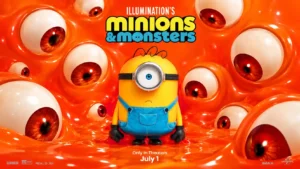
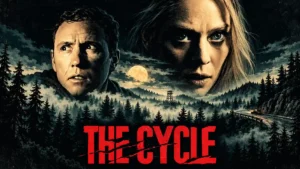
Minions & Monsters
Where It Has the Edge
- creative collaboration is 4.8 vs 4.5. James and Henry’s shared filmmaking project presents teamwork and making art together as an appealing alternative to following...

Scorata scores summarize analyzed review evidence on a 1–5 scale; they are not laboratory measurements or a simple average of customer star ratings. Feature scores summarize the reviews covering that feature. The overall score averages feature scores within each review, then combines review averages. When both expert and customer evidence are available, those two groups receive equal weight. Products can have different review coverage, so small score gaps do not establish a winner.
Recommendations prioritize important features for the category, with a score of at least 3.5, a gap of at least 0.25 points and at least two supporting reviews per product. Features with widely varying scores or broad connectivity contexts are excluded from recommendations. These safeguards do not establish statistical significance.
Quick verdict
The review evidence points to a tradeoff: creative collaboration versus value for money and villain quality. Choose according to which strengths matter more to you; the overall score alone does not settle that choice.
Choose Minions & Monsters for creative collaboration.
Choose The Cycle for value for money and villain quality.
Scores are out of 5. Missing scores mean missing review evidence, not a missing feature.
The monster threat is mostly predictable, so few viewers expect genuine tension.
Unexplained bodies, careful clue placement and a sustained police-station sequence build effective anticipation. Even scenes without a visible threat often carry a strong sense of approaching danger.
The cute villainous creatures and awkward robot amuse some viewers, but others consider the antagonists thin, annoying, or forgettable.
The monster is a threatening antagonist with a striking design and a particularly unsettling degree of intelligence. Its menace extends beyond simple brute force.
The Western pursuit and runaway-train chase draw repeated praise for speed and visual ingenuity, while the later world-saving battle is more divisive.
Action is divisive: the kills and creature mayhem can thrill, but tight, shaky photography sometimes makes attacks difficult to follow. One strongly negative assessment finds the final battle boring.
Its filmmaking ambitions lend the minions a little extra heart, but dramatic stakes remain lightweight.
The psychological and investigative drama earns modest approval even from a critic disappointed by the later creature material.
The unusual Dort-and-Debbie romance charms some viewers, while others find it a distracting diversion. A few wanted a clearer romantic resolution for James and Henry.
The romantic undercurrent is slight and feels closer to an undeveloped crush than a convincing relationship.
Slapstick is mostly bloodless, but a beheading and several cartoon deaths give the PG action a darker edge than some parents expect.
The bloody kills are often admired for their impact rather than their volume. One account particularly values the balance between practical gore and sustained tension.
The warm Hollywood tribute and louder save-the-world cartoon battle do not always fit neatly together.
Some viewers find the shift from solemn investigation to creature horror surprisingly smooth. Others feel the two tones undermine each other or make the film seem like two different movies.
The creative-dreams plot and friendship produce some unexpected feeling, but a few find the emotional ending forced or hollow.
The father-daughter material gives many viewers unexpected heartbreak and a strong human center. Others find the emotional hook unconvincing or notice strangely muted reactions to major losses.
James’ ambition to make a movie adds a modest character arc, but viewers disagree about whether these mostly gibberish-speaking leads can carry genuine drama.
Meg is usually a believable, emotionally layered investigator rather than a stock genius. Some supporting relationships feel underdeveloped, and one critique wants more of her life beyond her father.
Coffin’s playful word salad earns laughs, although not every viewer enjoys the limited spoken language.
The dialogue generally sounds believable and links investigative work to the characters’ emotional burdens. Its quieter exchanges help sustain tension.
The filmmaking premise gives the Minions more purpose than usual, but a competing robot subplot and conventional monster battle make the narrative feel uneven.
A forensic investigation gradually opens into a larger supernatural story. Most find that progression compelling, though a few regard the later revelations as increasingly implausible.
The museum setup and film-within-a-film reveal fit the movie-history concept, but the device strikes some as unnecessary or too cute.
Close, unstable framing can obscure the creature during action scenes. This is a noticeable weakness beside the more controlled procedural imagery.
The monster summons and peril may cause brief apprehension, but the creatures are largely comical and colorful rather than sustained horror.
The creature and its transformation can be deeply unsettling, with some unusually enthusiastic praise for their frightening impact. A few jump scares feel artificially arranged through misleading timing.
The opening Hollywood adventures move with comic energy, while the later monster turn can feel prolonged, overstuffed, or oddly rushed despite a short runtime.
The measured investigation gives clues and dread time to develop. Whether that feels absorbing or padded is the most persistent disagreement, with several viewers wanting a tighter first hour or less late exposition.
Smaller character arcs and lively supporting roles make the sprawling cast more enjoyable than the simple central plot alone.
The supporting officers complement the lead without competing for attention, keeping the performances effectively balanced.
One reveal ties the exaggerated fantasy back to the movie-within-a-movie concept in a way a viewer found surprisingly clever.
The central genre turn and subsequent discoveries can be exciting, clever and worth preserving from spoilers. Experienced horror viewers sometimes guess the destination early, and not everyone welcomes the shift.
The credits include playful gags and franchise callbacks worth staying for, although one viewer disliked their drawn-out filler.
The end credits contain an audio explanation that adds worthwhile mythology and a final revelation. Staying through them can deepen the family mystery.
The movie-making goal is easy to follow, but several unrelated-looking threads and a late monster pivot confuse some viewers.
The investigative pieces usually connect with care, but a few scenes confuse viewers and some questions remain unanswered.
The celebrity voice cast supplies distinctive comic personalities; several performances are standouts even when the writing underserves them.
The lead is considered an especially good casting choice, and the broader ensemble also earns praise.
James and Henry’s shared filmmaking project presents teamwork and making art together as an appealing alternative to following bad leaders.
The coordination of direction, photography, music and performance gives the film a cohesive craft identity. The director and co-writer/cinematographer are repeatedly seen as an effective team.
At about 90 minutes, it is compact enough for many families; its restless pace nevertheless feels too long to some viewers.
The near-two-hour length is a real tradeoff. Enthusiasts find it fluid or want even more, while others would remove ten to fifteen minutes or more from the buildup and exposition.
The silent-film tributes, recognizable pioneers, and recreations of movie history are the clearest creative highlight. Film enthusiasts have the most fun spotting the affectionate details.
The film’s classic monster and transformation references often feel like affectionate, purposeful homages. Its strongest tributes retain enough individual detail to avoid simple imitation.
The old-studio setting gives familiar Minion slapstick a surprisingly inventive twist, even when the monster finale falls back on formula.
A fresh twist on familiar creature mythology is a recurring source of enthusiasm. The distinctive forensic angle helps the film feel inventive despite recognizable influences.
The musical score and lively cues support the fast action and nostalgic cinematic flavor without overwhelming the comedy.
The score builds a moody undercurrent with restrained, shifting intensity. Its integration with the images and quiet dread attracts particularly strong praise.
The studio streets and cinema-history recreations give 1920s Hollywood a lively, affectionate feel.
A cold, damp coastal setting and restrained investigative mood create persistent dread. Atmosphere remains a strength across both enthusiastic and several mixed reactions.
Several viewers enjoy the sentimental filmmaking payoff, though others consider the final stretch overblown or shallow.
The creature payoff and final family reckoning satisfy many viewers. Others find the climactic battle dull or feel that an exposition-heavy stretch weakens the finish.
Dort’s ambiguous identity adds a playful mystery to the romantic side story.
The forensic mystery is a substantial attraction in its own right, with unusual bodies and methodical clues keeping the investigation engaging. Even several mixed assessments prefer these sections to the later horror.
Familiar Minion chaos and sight gags deliver the expected comedy, although the monster part of the premise arrives late.
The creature-feature payoff satisfies many genre enthusiasts, with some calling it a standout werewolf film. Dissenters find the monster section disappointing or ridiculous compared with the investigation.
Moviegoers are divided about the price of a ticket: the shared family fun works for some, while others suggest streaming instead.
Several viewers consider the experience worth a subscription or a full-price purchase. The strength of the practical effects and overall enjoyment outweighs pacing reservations for them.
Layered sight gags and hidden film references reward repeat viewing for some, while others consider it a one-and-done cartoon.
The movie often invites a second watch for its planted clues, emotional performances and practical set pieces. Knowing the central reveal is not generally seen as exhausting its appeal.
Its cheerful energy and clever movie references win over many viewers, including a few longstanding skeptics; others find the relentless gags exhausting.
Most viewers find the mystery and creature payoff engaging or outright exhilarating. A smaller group finds the overall experience cheesy, disappointing or only intermittently entertaining.
The title promises a monster-centered romp, but one viewer found the monsters too forgettable to deserve equal billing.
The title resonates across family patterns, serial violence and the creature’s recurring nature, giving it more meaning than a simple monster label.
James and Henry add charm and purpose to the Minions, while reactions to Dort and the new supporting monsters range from delightful to irritating.
Meg’s vulnerability, competence and ordinary human struggles make her easy to care about. Relatable supporting characters also help anchor the strange events.
The Minions still hold children’s attention remarkably well, even when adult viewers are less convinced by their nonstop antics.
The atmospheric detective-horror approach is seen as capable of satisfying both dedicated underground-horror viewers and more casual genre fans.
Loving nods to old Hollywood make the movie particularly appealing to viewers nostalgic for vintage film comedy.
The return to classic physical monster makeup evokes an affectionate connection to older horror craft. That familiarity helps make the film charming despite its flaws.
Guest voices have personality, though some viewers feel parts waste the performers’ talents.
Acting is one of the most consistent strengths, with a compelling lead and generally grounded supporting work. A minority feel the performers are underserved or out of place in the shifting material.
A few viewers expected monsters to dominate the adventure sooner and felt the trailers oversold that part of the plot.
Opinions split over how well the trailer protects the central surprise. Some praise its restraint, while others think even brief transformation footage gives away too much.
Goomi and the huge translucent blob draw some affection, but supporting monsters frequently strike viewers as generic and forgettable.
The creature is often considered memorable, terrifying and physically impressive. A minority find parts of its appearance plasticky, rough or unintentionally comical.
Detailed studio backlots and lovingly imagined 1920s Los Angeles help make the film-history world feel unusually rich.
New rules for the creature and its connection to the forensic investigation make the mythology feel unusually inventive. One major objection is that the changes to traditional lore are too hard to believe.
Old-film visual techniques and detailed animation help freshen the bright Minions look, but a few find the result unattractive.
The blue-gray, rain-soaked imagery creates a confident, ominous identity. It can feel derivative of familiar crime thrillers, and one critic finds the jagged, grimy presentation abrasive.
Colorful cartoon danger is broadly accessible, though the darker death gags and spellbook scenes justify parental discretion for younger children.
Its film-history passion gives critics an unexpected source of admiration, though approval is far from universal.
The teasing trailer successfully builds curiosity for some viewers by offering hints of the supernatural without explaining the whole concept.
Classic monster makeup carries a warmly nostalgic appeal. Its return to physical craft recalls the pleasure of discovering older effects work.
Pierre Coffin’s energetic gibberish and a game guest cast keep the characters lively, although some find certain parts underused.
The polished, bright animation and inventive period-film textures impress most viewers, although a vocal minority still finds Illumination’s look bland or unattractive.
Visceral transformations and tangible bodily effects give the horror a raw physical force. Admirers regard the nastiness as a strength of the execution.
The brief George Lucas appearance gets especially enthusiastic reactions, and cinephiles enjoy the unexpected Hollywood guest appearances.
Crisp character animation and translucent blob effects are visually polished, even if the aesthetic does not suit everyone.
Cold coastal landscapes, forensic close-ups and a controlled palette give the film a polished procedural identity. Most admire the images, while dissenters object to muddy presentation or obscuring action coverage.
The gibberish can be surprisingly understandable, and human voices help carry the plot when Minionese becomes tiring.
Careful control of clues, atmosphere and practical spectacle often makes the direction feel assured. Reservations center on uneven genre integration and occasional filmmaking missteps.
Editing can patiently build anticipation and assemble the effects effectively. Criticisms include lingering shots, disorienting cuts and occasional timing tricks used to manufacture scares.
Fractured parent-child relationships connect the mystery to inherited resentment and difficult choices. They often add convincing emotional depth, although some parallels remain underexplored.
For many families, the colorful slapstick and 90-minute length make an enjoyable outing. Some object to the frantic tone or a few surprisingly dark jokes.
The central father-daughter connection often supplies meaningful emotion and helps bridge the two genres. Some viewers remain unconvinced by that hook or want more development of the supporting family parallels.
The different choices fathers make for their children create effective, affecting relationships. Their consequences give the monster story emotional weight.
The studio-head jokes and riffs on corporate doublespeak give the film a self-aware Hollywood bite.
Many see this film as one of the Minions’ freshest adventures, though others still believe the characters work better alongside Gru.
James and Henry’s mutual encouragement brings sweetness to the chaos and makes their filmmaking ambitions more engaging.
The procedural-to-creature progression is one of the film’s defining attractions and its most divisive choice. Some find the modes complementary and fresh, while others feel the monster material displaces stronger drama.
Detailed corpse work and visceral effects can be difficult for squeamish viewers, provoking closed eyes and wincing. Enjoying the story does not necessarily make those images comfortable to watch.
The evolving response to an absent father and his death can feel authentic and heartbreaking. The lead’s controlled grief and the recorded farewell are particular emotional strengths.
The physical gags and Old Hollywood jokes bring plenty of laughs, especially in the opening half. Reactions split when the comedy turns into nonstop Minion noise and repetitive slapstick.
Minionese remains amusing for many, but some parents may be surprised by isolated rude wordplay.
The close James-and-Henry bond inspires a romantic reading for some, but one viewer wished the movie had made that possibility explicit.
Lighting usually strengthens the cold, uneasy atmosphere and avoids the murkiness some associate with modern thrillers. One sharply negative response instead finds the lighting muddy.
The realism of the small-town setting helps ground the creature story. A convincing sense of place keeps the supernatural events connected to ordinary life.
Gore makeup and physical transformations look convincingly tangible. The craftsmanship impresses, although lingering over it can feel indulgent.
Creative aspiration, friendship, and the shared pleasure of moviemaking add unexpected warmth, although a few viewers find the message superficial.
The practical transformations, puppetry and gore are the clearest draw, frequently praised as unusually impressive and memorable. A few rough edges or plasticky moments temper that enthusiasm for some viewers.
Ordinary characters, credible forensic detail and tactile effects give the supernatural events a convincing foundation. The revised monster rules still demand a suspension of disbelief that some viewers cannot sustain.
Brief rear-end nudity and suggestive visual jokes are cartoonish, but their presence may matter for families seeking a completely clean comedy.
The monster effects produce memorable physical imagery and often outperform expectations for the budget. Their old-fashioned tangibility is a major part of the film’s appeal.
Family abandonment, inherited resentment and paternal choices add meaning beyond the monster mystery. Some find these layers affecting, while others think the film either overstates them or sidelines its most interesting psychology.
Detailed forensic work, fresh mythology and emotionally grounded characters give the script substance. Repetition, exposition and occasional heavy-handedness can blunt its momentum.
The mix of silent-era and later cinema references takes liberties with dates, but one viewer forgives them as part of the homage.
The lead balances clinical intelligence with anger, vulnerability and grief, then adapts to a more physical survival role. Her emotional control often holds the film together even for viewers divided on the rest.
Clear views of the creature strengthen the impact of its physical construction. Viewers who enjoy the reveal appreciate eventually seeing more than tight fragments of the monster.
The featured Silver Lady recording earns mild approval, although the song choice leaves one viewer wishing for a different track.
The supporting cast generally grounds the mystery with restrained, credible performances. Standout smaller roles bring additional emotion or scene-stealing energy, although some actors deserve stronger material.
Detailed recreations of 1920s Hollywood and crowded studio backlots give the comedy a richer setting than usual.
Layered ambient noise, unseen threats and graphic transformation sounds make the horror feel close and physical. Most praise the unsettling detail, but harsh feedback or especially immediate headphone sound can be uncomfortable.
The production often looks and feels more expensive than its independent scale suggests. Ambitious practical work and careful technical craft are central to that impression.

A deeply human coming-of-age drama carried by remarkable performances and an honest portrayal of grief. Its gentle optimism moves most viewers, though some find the final stretch hurried or overly...
Pros: Grief portrayal, acting performance
Cons: pacing

Billie Jean King’s magnetic first-person storytelling makes this an exhilarating portrait of athletic courage and social change. The filmmaking follows a familiar documentary structure, and her full tennis résumé gets...
Pros: entertainment value, Biographical coverage
Cons: Narrative structure

Choose this inventive, unsettling documentary for fearless questioning, dark humor, and unpredictable storytelling. Skip it if you want a short, straightforward exposé with definitive answers.
Pros: originality, humor

A singular voice, powerful piano playing and intimate film photography make this concert absorbing for receptive listeners. Its uninterrupted, often similar-sounding songs and lack of background context are an acquired...
Pros: directing quality, cinematography
Cons: pacing, Song variety