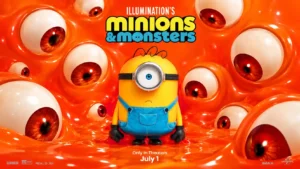
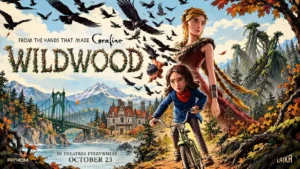
Minions & Monsters
Where It Has the Edge
- originality is 4.5 vs 2.6. The old-studio setting gives familiar Minion slapstick a surprisingly inventive twist, even when the monster finale falls back...

Scorata scores summarize analyzed review evidence on a 1–5 scale; they are not laboratory measurements or a simple average of customer star ratings. Feature scores summarize the reviews covering that feature. The overall score averages feature scores within each review, then combines review averages. When both expert and customer evidence are available, those two groups receive equal weight. Products can have different review coverage, so small score gaps do not establish a winner.
Recommendations prioritize important features for the category, with a score of at least 3.5, a gap of at least 0.25 points and at least two supporting reviews per product. Features with widely varying scores or broad connectivity contexts are excluded from recommendations. These safeguards do not establish statistical significance.
Quick verdict
The review evidence points to a tradeoff: originality versus villain quality and violence level. Choose according to which strengths matter more to you; the overall score alone does not settle that choice.
Choose Minions & Monsters for originality.
Choose Wildwood for villain quality and violence level.
Scores are out of 5. Missing scores mean missing review evidence, not a missing feature.
The monster threat is mostly predictable, so few viewers expect genuine tension.
High stakes, sudden losses, and credible danger make the outcome feel uncertain. The strongest responses stay tense because even appealing characters seem vulnerable.
Its filmmaking ambitions lend the minions a little extra heart, but dramatic stakes remain lightweight.
The heavy scenes work because the film has solid heart and treats its emotional stakes seriously.
The old-studio setting gives familiar Minion slapstick a surprisingly inventive twist, even when the monster finale falls back on formula.
Familiar quest structures, fairy-tale characters, and genre touchstones are a recurring concern. Some find the execution fresh enough to renew those patterns, while others see an overly derivative story.
The cute villainous creatures and awkward robot amuse some viewers, but others consider the antagonists thin, annoying, or forgettable.
Alexandra's grief often makes her a tragic, frightening antagonist with understandable pain. Reservations focus on unclear plans or one-note motives that the performance must overcome.
James and Henry’s mutual encouragement brings sweetness to the chaos and makes their filmmaking ambitions more engaging.
Prue's growing respect for Curtis can be touching. Less enthusiastic responses want more shared scenes and a better-developed bond between them.
The warm Hollywood tribute and louder save-the-world cartoon battle do not always fit neatly together.
Most positive responses value the balance of darkness, wonder, and restrained comedy. Abrupt musical or comic shifts weaken that balance for some viewers.
The creative-dreams plot and friendship produce some unexpected feeling, but a few find the emotional ending forced or hollow.
Many viewers describe tears, stunned silence, and a lasting feeling of wonder. Others admire the imagery without feeling that the characters' emotional stakes rise to the same height.
Several viewers enjoy the sentimental filmmaking payoff, though others consider the final stretch overblown or shallow.
The final act often brings the character journeys and spectacle together with a strongly satisfying payoff. Even responses uncertain about the earlier sections frequently admire the landing.
Slapstick is mostly bloodless, but a beheading and several cartoon deaths give the PG action a darker edge than some parents expect.
Many approve of the brutality for giving war and loss consequences. Others find it excessive or object to abrupt graphic moments, making this one of the film's clearest viewing caveats.
Crisp character animation and translucent blob effects are visually polished, even if the aesthetic does not suit everyone.
Many viewers find the digital additions nearly indistinguishable from the practical animation. Others feel the largest effects weaken the tactile illusion, even when the blending is technically polished.
The movie-making goal is easy to follow, but several unrelated-looking threads and a late monster pivot confuse some viewers.
Some viewers appreciate economical exposition and clearly established stakes. Others struggle with the antagonist's plan or find the mythology compressed and unevenly explained.
The filmmaking premise gives the Minions more purpose than usual, but a competing robot subplot and conventional monster battle make the narrative feel uneven.
The rescue quest is absorbing and emotionally rich for many, but less satisfying than the imagery for others. Familiar plotting and underdeveloped motivations keep the narrative from matching the craft in the most critical responses.
Familiar Minion chaos and sight gags deliver the expected comedy, although the monster part of the premise arrives late.
The elaborate setting and serious stakes revive the pleasures of a grand dark-fantasy adventure. Even a viewer usually resistant to fantasy finds the film effective.
The opening Hollywood adventures move with comic energy, while the later monster turn can feel prolonged, overstuffed, or oddly rushed despite a short runtime.
Opinions range from effortless chapter-to-chapter flow to a dragging middle or rushed exposition. The large cast and many factions give the film much to juggle before its powerful final act.
James’ ambition to make a movie adds a modest character arc, but viewers disagree about whether these mostly gibberish-speaking leads can carry genuine drama.
The leads' growth and Alexandra's complexity earn considerable praise, but this is also a major point of disagreement. Skeptical responses find Prue passive, Curtis underwritten, or the supporting cast too dependent on archetypes.
Coffin’s playful word salad earns laughs, although not every viewer enjoys the limited spoken language.
The dialogue is appreciated for lively exchanges and welcome restraint. Characters have room to breathe rather than constantly rushing through jokes.
At about 90 minutes, it is compact enough for many families; its restless pace nevertheless feels too long to some viewers.
Some viewers find the long journey fully absorbing and would cut nothing. Others feel the middle, detours, or extended set pieces need trimming.
The polished, bright animation and inventive period-film textures impress most viewers, although a vocal minority still finds Illumination’s look bland or unattractive.
Fluid puppet movement, expressive faces, and enormous coordinated sequences make the stop-motion work a near-universal highlight. Many responses describe it as a new benchmark for the medium.
The studio streets and cinema-history recreations give 1920s Hollywood a lively, affectionate feel.
The forest combines awe, unease, and inviting handmade warmth. Its gothic shadows retain a sense of magic even when the story grows brutal.
The celebrity voice cast supplies distinctive comic personalities; several performances are standouts even when the writing underserves them.
The actors are repeatedly described as exceptionally well matched to their roles. The supporting creatures are a particular casting strength.
The credits include playful gags and franchise callbacks worth staying for, although one viewer disliked their drawn-out filler.
The glimpse of the stop-motion process adds appreciation for the enormous physical undertaking. It can reinforce the film's tangible magic without breaking immersion.
Smaller character arcs and lively supporting roles make the sprawling cast more enjoyable than the simple central plot alone.
Some viewers find the large cast impressively well managed. Others want more emotional development from supporting groups that occupy substantial time.
Dort’s ambiguous identity adds a playful mystery to the romantic side story.
The unfolding mystery helps sustain curiosity as the adventure develops.
Creative aspiration, friendship, and the shared pleasure of moviemaking add unexpected warmth, although a few viewers find the message superficial.
Hope, compassion, and the difficult balance between holding on and letting go resonate strongly with many viewers. Others find the coming-of-age message weak or insufficiently memorable.
The Western pursuit and runaway-train chase draw repeated praise for speed and visual ingenuity, while the later world-saving battle is more divisive.
The final battle is the most consistent showpiece, admired for its scale, clear staging, and consequential danger. Inventive chases and escapes add excitement well before the climax.
The monster summons and peril may cause brief apprehension, but the creatures are largely comical and colorful rather than sustained horror.
The villain and uncanny opening create effective menace. Compared with Coraline, one response finds the overall story less frightening.
The physical gags and Old Hollywood jokes bring plenty of laughs, especially in the opening half. Reactions split when the comedy turns into nonstop Minion noise and repetitive slapstick.
Character-based jokes and restrained comic relief usually land without deflating the drama. Some animal gags feel familiar, and individual jokes work better for parts of the audience than others.
Many see this film as one of the Minions’ freshest adventures, though others still believe the characters work better alongside Gru.
Changes to the novel help this adaptation feel complete as a standalone feature. It does not depend on another film to make its journey feel finished.
For many families, the colorful slapstick and 90-minute length make an enjoyable outing. Some object to the frantic tone or a few surprisingly dark jokes.
The film offers broad fantasy appeal but combines it with unusually dark material. Its family-friendly reputation needs to be weighed against the violence and older-skewing themes.
The musical score and lively cues support the fast action and nostalgic cinematic flavor without overwhelming the comedy.
The sweeping music is widely praised for matching environments, lifting action, and deepening quieter emotion. An isolated upbeat cue during a terrifying moment strikes one viewer as misplaced.
One reveal ties the exaggerated fantasy back to the movie-within-a-movie concept in a way a viewer found surprisingly clever.
Revelations about the villain and family can add surprising emotional layers. One response finds the major family bombshell disappointingly inert.
Moviegoers are divided about the price of a ticket: the shared family fun works for some, while others suggest streaming instead.
The visuals alone are judged worth a cinema ticket, with the scale and artistry providing a strong reason to see the film on a large screen.
Its cheerful energy and clever movie references win over many viewers, including a few longstanding skeptics; others find the relentless gags exhausting.
The strongest responses find the adventure magical, absorbing, and worth savoring despite its imperfections. The overall experience can exceed already high expectations.
Layered sight gags and hidden film references reward repeat viewing for some, while others consider it a one-and-done cartoon.
The richest responses want another viewing to absorb more visual detail and revisit the emotion. A less engaged viewer doubts the story would draw them back often.
Colorful cartoon danger is broadly accessible, though the darker death gags and spellbook scenes justify parental discretion for younger children.
Responses distinguish purposeful darkness from broad young-child suitability. Some approve of the violence in context, while others find it excessive or caution that the film needs older viewers.
Its film-history passion gives critics an unexpected source of admiration, though approval is far from universal.
The supplied reception reports and reaction videos describe emphatically positive early critical notices. These reports chiefly reflect enthusiasm for the animation's ambition and scale.
James and Henry add charm and purpose to the Minions, while reactions to Dort and the new supporting monsters range from delightful to irritating.
Prue inspires strong affection in some responses but feels less memorable than the world around her in others. The colorful animal companions help sustain interest.
The Minions still hold children’s attention remarkably well, even when adult viewers are less convinced by their nonstop antics.
The film can cross generations through its wonder and emotional stakes. Its eccentric look and unexpectedly dark material may still narrow its mainstream reach.
Guest voices have personality, though some viewers feel parts waste the performers’ talents.
The vocal ensemble is generally praised for naturalism, emotional range, and commitment. Familiar celebrity delivery distracts a few viewers, but most find the characters convincingly inhabited.
A few viewers expected monsters to dominate the adventure sooner and felt the trailers oversold that part of the plot.
The trailers can make the story seem more fragmented than it is, while another response feels they undersell the finished film. The eventual experience does not always match the preview's emphasis.
Goomi and the huge translucent blob draw some affection, but supporting monsters frequently strike viewers as generic and forgettable.
The animals combine expressive detail with an occasionally uncanny edge. Their physical character helps the woodland society feel distinctive and alive.
Old-film visual techniques and detailed animation help freshen the bright Minions look, but a few find the result unattractive.
Rich textures, vibrant colors, and an organic handmade look distinguish the film. Its images repeatedly inspire admiration beyond the expectations of stop-motion.
Detailed studio backlots and lovingly imagined 1920s Los Angeles help make the film-history world feel unusually rich.
The forest's many societies and meticulously realized spaces are a major attraction. A minority find the lore generic, compressed, or less convincing than the environments look.
Detailed recreations of 1920s Hollywood and crowded studio backlots give the comedy a richer setting than usual.
Portland streets, elaborate forest societies, and tiny material details create a vast world with distinct spaces. The design is consistently admired even by viewers disappointed in the story.
The handmade production is celebrated as a forceful alternative to generative shortcuts. Its appeal comes from visible care and human invention.
The colorful animal allies and enemies add personality to the adventure rather than serving as mere background decoration.
The large voice cast works as a cohesive ensemble, making the unusual inhabitants feel part of the same world.
The brief George Lucas appearance gets especially enthusiastic reactions, and cinephiles enjoy the unexpected Hollywood guest appearances.
The ensemble's size creates uneven opportunities: Curtis can occupy substantial time without enough independent purpose, while the eagle can feel underused.
Lush light, purposeful compositions, and sweeping camera movement make the miniature world feel cinematic. The action remains remarkably clear even at its largest scale.
The silent-film tributes, recognizable pioneers, and recreations of movie history are the clearest creative highlight. Film enthusiasts have the most fun spotting the affectionate details.
Curtis's comic timing is handled well, giving his awkwardness an enjoyable rhythm.
James and Henry’s shared filmmaking project presents teamwork and making art together as an appealing alternative to following bad leaders.
The gibberish can be surprisingly understandable, and human voices help carry the plot when Minionese becomes tiring.
The direction usually earns strong praise for balancing intimate moments with enormous action. A dissenting response sees visual mastery without an equally convincing authorial perspective.
Several responses admire the ambitious assembly and clear action, while others notice choppy transitions or occasional roughness. The complex interwoven journey does not flow equally well for everyone.
The adaptation preserves the novel's world and local spirit while making changes to character emphasis and structure. Readers who favor those changes find a stronger, more self-contained film.
The family's loving bonds provide affecting stakes, but the parents' behavior and development divide opinion. Some find them complicated and sympathetic; others find a key reaction implausible or their roles underwritten.
Tender bonds between Prue, her parents, and her brother give the adventure some of its most affecting moments.
The studio-head jokes and riffs on corporate doublespeak give the film a self-aware Hollywood bite.
The museum setup and film-within-a-film reveal fit the movie-history concept, but the device strikes some as unnecessary or too cute.
Alexandra's loss is often praised for giving the fantasy tragic weight and human complexity. A smaller group finds the broader treatment of grief less convincing or less fully developed.
Some anthropomorphic-animal gags feel overfamiliar, particularly when articulate creatures briefly revert to ordinary animal behavior for a punch line.
Minionese remains amusing for many, but some parents may be surprised by isolated rude wordplay.
The close James-and-Henry bond inspires a romantic reading for some, but one viewer wished the movie had made that possibility explicit.
Golden daylight and moody nighttime colors give the environments depth and atmosphere. The lighting repeatedly earns praise as a major visual pleasure.
Portland's landmarks, eccentric street life, seasonal colors, and surrounding wilderness give the film a strong sense of place. The setting is repeatedly enjoyed as an affectionate local love letter.
The physical puppets and miniature environments achieve remarkable fluidity and tactile detail. The scale of the handmade coordination is repeatedly as astonishing as the finished illusion.
The unusual Dort-and-Debbie romance charms some viewers, while others find it a distracting diversion. A few wanted a clearer romantic resolution for James and Henry.
Brief rear-end nudity and suggestive visual jokes are cartoonish, but their presence may matter for families seeking a completely clean comedy.
The effects contribute to a strongly praised overall technical package, supporting the film's ambitious fantasy spectacle.
Grief, growing up, and accepting a changed world give the fantasy substantial meaning for many viewers. Others find too many ideas competing for attention or too little lasting insight beneath the spectacle.
The screenplay earns praise for genuine feeling, lively dialogue, and accessible mythology. Critics of it find conventional plotting, underwritten characters, and structural roughness beneath the remarkable visuals.
Expressive faces, distinctive creatures, and carefully chosen silhouettes give the characters personality. The designs retain a handmade edge instead of aiming only for cuteness.
The tiny clothes are admired for both craftsmanship and storytelling. Distinct outfits clarify the forest's factions and communicate something about the people wearing them.
The carefully constructed soundscape makes the miniature world feel immersive. Its detail complements both intimate movement and the enormous action.
The mix of silent-era and later cinema references takes liberties with dates, but one viewer forgives them as part of the homage.
The two young leads are praised for vivid emotion and an unusually convincing sense of humanity. Their performances help anchor the oversized adventure.
The songs add warmth, grandeur, and local flavor alongside the orchestral score. The closing music is especially appreciated for reinforcing the themes.
The supporting inhabitants add distinctive color and personality. Their individual qualities help the world feel populated beyond the central quest.
The trailers generate exceptional anticipation through striking imagery, emotional hints, and preserved mysteries. The studio-themed promotional artwork also earns appreciation.
Loving nods to old Hollywood make the movie particularly appealing to viewers nostalgic for vintage film comedy.
The dark handmade fantasy can restore the sense of wonder associated with childhood Laika films. Its unsettling moments are part of that nostalgic connection.
The title promises a monster-centered romp, but one viewer found the monsters too forgettable to deserve equal billing.
Pierre Coffin’s energetic gibberish and a game guest cast keep the characters lively, although some find certain parts underused.

A deeply human coming-of-age drama carried by remarkable performances and an honest portrayal of grief. Its gentle optimism moves most viewers, though some find the final stretch hurried or overly...
Pros: Grief portrayal, acting performance
Cons: pacing

Billie Jean King’s magnetic first-person storytelling makes this an exhilarating portrait of athletic courage and social change. The filmmaking follows a familiar documentary structure, and her full tennis résumé gets...
Pros: entertainment value, Biographical coverage
Cons: Narrative structure

Choose this inventive, unsettling documentary for fearless questioning, dark humor, and unpredictable storytelling. Skip it if you want a short, straightforward exposé with definitive answers.
Pros: originality, humor

A singular voice, powerful piano playing and intimate film photography make this concert absorbing for receptive listeners. Its uninterrupted, often similar-sounding songs and lack of background context are an acquired...
Pros: directing quality, cinematography
Cons: pacing, Song variety