
Young Washington
Where It Has the Edge
- rewatch value is 5.0 vs 1.5. The film inspired repeat screenings or plans to see it again among those especially taken by its uplifting...

Scorata scores summarize analyzed review evidence on a 1–5 scale; they are not laboratory measurements or a simple average of customer star ratings. Feature scores summarize the reviews covering that feature. The overall score averages feature scores within each review, then combines review averages. When both expert and customer evidence are available, those two groups receive equal weight. Products can have different review coverage, so small score gaps do not establish a winner.
Recommendations prioritize important features for the category, with a score of at least 3.5, a gap of at least 0.25 points and at least two supporting reviews per product. Features with widely varying scores or broad connectivity contexts are excluded from recommendations. These safeguards do not establish statistical significance.
Quick verdict
The available evidence supports the recommendation below, but does not establish an overall winner. Check the remaining features against your priorities.
Choose Young Washington for rewatch value.
There is not enough comparable review evidence to recommend Beware Boiúna over the other product.
No clear scored advantage over the other product.
Scores are out of 5. Missing scores mean missing review evidence, not a missing feature.
Supporting relationships often act more as plot devices than fully developed connections, even when the ensemble is otherwise capable.
Jessica Rothe and Kiana Madeira’s chemistry gives the central relationship an immediate charge and helps carry the early human drama.
Its themes of humility, perseverance, service and American ideals inspire many; others find the patriotic mythology too insistent or ideologically simplistic.
The people-are-the-real-monsters idea and environmental message can feel overly familiar when the screenplay states them without enough nuance.
The patriotic, educational framing makes it approachable for some families, provided they are comfortable with substantial wartime peril.
Graphic violence, disturbing injuries, profanity, and bleak subject matter make this a poor fit for family movie night.
A generally straightforward historical timeline helps newcomers follow the campaign, though dense names and early jumps sometimes disrupt orientation.
The story structure can feel muddled, with some setup material poorly integrated and later developments not cleanly paying off earlier threads.
The period illusion benefits from restraint and practical-looking combat, but several critics flag imagery they suspect was AI-generated or unfinished.
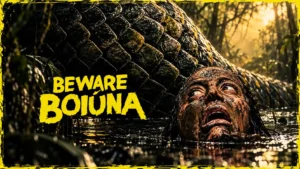
The creature effects are a strong point, especially when Boiúna’s scale is conveyed through the environment and brief close looks. The best effects moments make the snake feel imposing without requiring constant full-body shots.
Profanity is comparatively restrained, although one family-content assessment hears more coarse language than anticipated.
Frequent profanity is a clear content concern and contributes to the film’s adult tone.
Sweeping countryside views and carefully staged battlefield compositions are standout strengths. A few dissenters find the images overly muted or dependent on distracting aerial shots.
The Amazon imagery can be lush, tactile, and striking, but the nighttime photography, handheld movement, and tight framing frequently make action hard to read. The same visual choices that create grit can also become a major source of frustration.
The dialogue ranges from memorable, eloquent and purposeful to heavy-handed, simplistic or overtly explanatory.
Expository dialogue and forced emotional beats can make character backstories feel generic rather than naturally revealed.
The accessible story gives Washington clear goals, yet criticism focuses on obvious exposition, shallow interiority and oversimplified moral beats.
The writing takes heavy criticism when character conflicts, thematic ideas, and familiar genre beats fail to cohere. Weak follow-through leaves some promising setups feeling thinner than they should.
The action cutting can create brisk, readable combat, though one account finds the major character turning points abrupt and disorienting.
Frenetic cutting is one of the most consistent complaints. Fast edits, flashes, and panicked sequencing often obscure geography and blunt action that otherwise has strong stunt and creature work.
The leadership drama can be compelling and sincere, but others find the human conflict too thin to match the battles.
The central human conflict has a compelling premise, but its emotional follow-through is too limited once the monster plot takes priority.
The music sometimes seems generically uplifting or emotionally manipulative. One early-cut viewer enjoyed it but questioned temporary-looking score choices.
The score effectively intensifies the jungle-survival experience, though it occasionally pushes the urgency harder than the scene needs.
Responses range from patriotic uplift and an unexpectedly moving finale to frustration at a story that never gets beneath Washington’s heroic surface.
The intended emotional undercurrent does not fully land because the character material is not developed enough to support the late dramatic punch.
Jon Erwin’s command of action geography and conventional historical storytelling earns praise, while critics of the film’s dramatic flatness want more distinctive direction.
Mike P. Nelson’s direction earns praise for finding fresh angles in familiar genre material, but the chaotic attack coverage also draws criticism for muddying the film’s visual logic. The strongest sequences show a more controlled version of the same intensity.
The film acknowledges slavery and Indigenous communities but its handling is contentious; critics object to sanitized omissions and the special-destiny portrayal of Washington.
The Amazon setting, local folklore, and effort to center regional specificity give the film more cultural texture than a generic jungle adventure. Some character heritage details and anti-colonial elements still feel invented, shallow, or imperfectly handled.
Rather than retreading the presidency or the Revolutionary War, the film finds a fresher angle in Washington’s early military failures.
Unexpected deaths, shifting allegiances, and a revenge-thriller structure give the story some fresh turns within familiar creature-feature territory. At the same time, several beats become predictable or feel heavily indebted to older monster and action films.
At slightly over two hours, the length becomes a drawback for viewers who feel the first act drags or that the material needs trimming.
The movie is repeatedly described as longer than its material needs, with suggestions that a tighter cut near ninety minutes would improve momentum. The extended setup makes the runtime especially noticeable.
The shift between sober period drama and conspicuously polished or artificial imagery sometimes breaks the film’s spell.
The dead-serious tone is a make-or-break choice. Some appreciate the refusal to wink at the giant-snake premise, while others find the movie too grim, joyless, or caught between grounded thriller and pulpy creature feature.
The climactic battle and emotional culmination thrill some viewers; others see a hurried mythic flourish and an unfinished prequel-like ending.
The ending is a mixed payoff: some find Lena’s resolution earned and emotionally satisfying, while others feel key arcs turn conventional or stop just short of the payoff they were building toward.
Humility, failure, leadership and providence are prominent motifs; their treatment ranges from thought-provoking to blunt and underdeveloped.
The anti-colonial and environmental ideas give the creature feature more purpose than simple survival horror, especially when Boiúna feels like nature pushing back. Those themes can also feel thin, obvious, or insufficiently integrated with the action.
Washington’s mistakes and hard lessons offer a potentially strong growth arc. The frequent complaint is that the script observes his transformation without revealing enough of his inner struggle.
Character work is one of the biggest dividing lines. The leads and Brennan gain enough complexity to create real rooting interest for some viewers, while others find the cast thin, underwritten, or abandoned once the creature takes over.
Muddy camps and period combat tactics can feel immediate and physical, though heroic inventions and some artificial-looking effects test credibility.
On-location jungle shooting, sweat, grime, physical environments, and grounded creature integration make the movie feel unusually tangible. That realism helps sell both the human danger and the impossible scale of Boiúna.
As a traditional historical war biopic, the production offers convincing period trappings and battles, though some find it too conventional to rival stronger epics.
Creature-feature reception is sharply split: it can feel like a standout killer-snake movie when the slow-build thriller clicks, but a dull missed opportunity when the creature stays too scarce. The serious approach suits viewers who value character setup over nonstop monster action.
There are a few moments of dry period comedy, but some viewers find the tone cheesy or short on personality.
The scarcity of humor is a recurring drawback for viewers who wanted more camp or sardonic relief from the giant-snake premise. A few comic-relief beats work, but the film mostly commits to a straight-faced tone.
The underdog journey from youthful ambition to hard-won leadership is compelling to supporters. Opponents call its version of history formulaic, thin and overly worshipful.
The human revenge plot gives the first half more substance than a basic monster setup and works well for viewers invested in the characters. Others find the story too familiar, muddled, or unable to deliver on the development it sets up.
Muskets, cavalry, cannon fire and chaotic frontier skirmishes deliver much of the film’s spectacle. Some find the finale exhilarating, while others consider its heroics exaggerated or visually unconvincing.
Several set pieces are memorable, especially the mud-pit sequence and the larger survival clashes. Their impact is often reduced by darkness, shaky framing, and rapid editing that make the action difficult to follow.
The beginning is often criticized as sluggish or jarring, even by viewers won over by the final act; a few praise the focused, economical storytelling.
The slow-burn first half is highly divisive: some enjoy the human thriller and feel the monster is earned, while many find the setup overlong and sluggish. The back half usually gains urgency, though transitions and payoffs can still feel uneven.
The musket battles and combat deaths are intense but generally avoid prolonged gore, a level some praise for conveying war without gratuitous brutality.
The bloody creature attacks, gruesome injuries, and medical gore are a major part of the horror appeal for gore-friendly viewers. The same brutality is far too graphic and lingering for family-oriented viewing.
The film inspired repeat screenings or plans to see it again among those especially taken by its uplifting historical approach.
Repeat-viewing appeal looks limited for those left dissatisfied by the ending or who are not already enthusiastic creature-feature fans.
For receptive viewers this is a rousing, accessible historical adventure. For skeptics, long stretches of dutiful exposition and thin characterization make it a chore.
Entertainment value swings widely depending on tolerance for the slow setup and dour tone. The second-half survival material can be a blast, but sparse monster visibility and murky action leave others bored or underwhelmed.
The PG-13 boundary suits the mostly restrained treatment of war, though shootings, deaths and brief blood make this a questionable choice for younger children.
The level of gore, brutality, disturbing medical imagery, and language is judged inappropriate for younger family audiences.
The straightforward patriotic approach will resonate with viewers seeking an accessible historical adventure, but its simplicity limits wider appeal.
Horror fans who enjoy brutal deaths, serious creature features, and a large-scale monster are likely to find plenty to enjoy once the snake action arrives.
The physical combat and battlefield presentation convey a more grounded feeling than spectacle built entirely from digital effects.
The sound design is a standout strength, using slithers, impacts, cracks, and environmental ambience to make the jungle and creature feel close and threatening.
The colonial milieu can feel surprisingly detailed, but uneven visual execution sometimes exposes its constructed nature.
The Amazon setting and Boiúna folklore can make the world feel specific, immersive, and mythic rather than generic. Some reactions still find the creature mythology underexplained or too thinly developed.
The broad vistas, readable combat and classical Hollywood polish earn praise, although critics also object to muted images and conspicuous aerial photography.
The film’s sweaty, grimy jungle look is widely admired, with on-location texture making the setting feel hostile and physical. Even negative reactions often find individual images or the overall aesthetic striking.
William Franklyn-Miller’s youthful presence and earnest ambition win admirers, but some find him too polished or passive to embody the formidable Washington to come.
The lead performances are a major strength, with Kiana Madeira repeatedly standing out for physical commitment, empathy, and survival intensity. The central actors help keep the movie engaging through the slow build.
Veterans including Ben Kingsley, Kelsey Grammer and Andy Serkis lend authority and occasional humor, but others find their appearances brief, mannered or underused.
Will Close’s comic-relief turn stands out as a lively supporting performance, landing the funny lines without pulling the movie fully into camp.
Enthusiasts find the acting engaging and the supporting veterans capable, but detractors hear stiff or overdone delivery.
The ensemble is one of the film’s clearest strengths, with committed performances helping sell an otherwise outlandish giant-snake premise. Even more mixed reactions to the movie often still credit the cast with grounding the danger.
The patriotic campaign may suggest Revolutionary War victories, while the story actually follows a young officer serving the British years earlier.
The lively monster-movie presentation around the premiere created expectations of a fun, showy snake movie that the film’s dour, visually obscured approach did not satisfy.
Period accents are occasionally distracting, with one performance sounding bizarre and some French dialogue difficult to follow.
Several viewers suspect conspicuously artificial imagery in certain wide shots or battle backgrounds; the perceived intrusion undercuts an otherwise ambitious period production.
Colonial landscapes and battlefields can feel transportive, creating a vivid sense of a rough, unsettled frontier.
The focus on Washington’s early military formation is useful and sometimes refreshing, yet many wish for a more penetrating portrait of his inner life or a broader life story.
A handsome young lead and recognizable veterans bring visual polish, though some feel the central casting never fully suggests the future general.
The snake CGI is generally respectable to impressive, especially when blended into real jungle environments and shown selectively. A few reactions find it subpar or not fully convincing, so the digital creature works best in controlled glimpses.
The production’s engagement with local people and the culture surrounding the legend adds a sense of care and investment to how the story was approached.
Some French accents are difficult enough to obscure lines, although the problem is described as intermittent.
The distributor’s request for viewers to buy more tickets draws pointed criticism for interrupting and undercutting the film’s message.
Washington’s difficult relationship with his mother is part of his formation, but their onscreen connection can feel cold or underdeveloped.
Opening in combat before jumping years backward creates immediate drama for some, but also produces a jarring stop-start introduction.
The treatment of Indigenous communities divides opinion, especially when Washington is framed as divinely protected or destined to save a land already inhabited by others.
Practical gore and physical creature pieces add welcome weight to the carnage. These tactile touches help the movie avoid feeling like an entirely digital monster showcase.
Faith is mostly expressed through providence and moral growth rather than preaching; some find the late supernatural-destiny angle jarring or heavy-handed.
The society courtship delights a minority, but many consider it stiff, unnecessary or abandoned without satisfying resolution.
The film can be genuinely frightening, with stalking sequences, creature reveals, and medical body horror producing some of its strongest reactions. A few attacks are too telegraphed, so the scares land unevenly.
Close combat, horseback action and musket battles can be exciting and clearly choreographed, though some action turns into implausible heroics.
Tension is a major strength once the human conflict and jungle dangers start closing in, and several sequences hold a tight grip even before the snake arrives. The suspense weakens when murky action or obvious foreshadowing makes threats harder to feel.
Washington’s ambition, poise and lack of arrogance make him an easy figure to root for in the film’s warmer interpretation.
The uniforms and period dress strengthen the colonial illusion for most, although a trailer-focused historian questions their accuracy and fit.
Locations, buildings and tangible frontier settings give the modestly budgeted drama surprising scale and a convincing period atmosphere.
Viewers disagree sharply on fidelity: many recognize authentic battles and formative events, but others challenge costumes, staging, simplification and embellished heroism.
Boiúna’s limited screen time is the central tradeoff. Some find the less-is-more approach suspenseful and effective, while many want a clearer, longer look at the enormous creature they came to see.
Theatrical value depends heavily on how much the atmosphere, performances, and giant-snake spectacle work for you. Some find it worth the big-screen trip, while others see too little of the creature to justify a ticket.

A deeply human coming-of-age drama carried by remarkable performances and an honest portrayal of grief. Its gentle optimism moves most viewers, though some find the final stretch hurried or overly...
Pros: Grief portrayal, acting performance
Cons: pacing

Billie Jean King’s magnetic first-person storytelling makes this an exhilarating portrait of athletic courage and social change. The filmmaking follows a familiar documentary structure, and her full tennis résumé gets...
Pros: entertainment value, Biographical coverage
Cons: Narrative structure

Choose this inventive, unsettling documentary for fearless questioning, dark humor, and unpredictable storytelling. Skip it if you want a short, straightforward exposé with definitive answers.
Pros: originality, humor

A singular voice, powerful piano playing and intimate film photography make this concert absorbing for receptive listeners. Its uninterrupted, often similar-sounding songs and lack of background context are an acquired...
Pros: directing quality, cinematography
Cons: pacing, Song variety